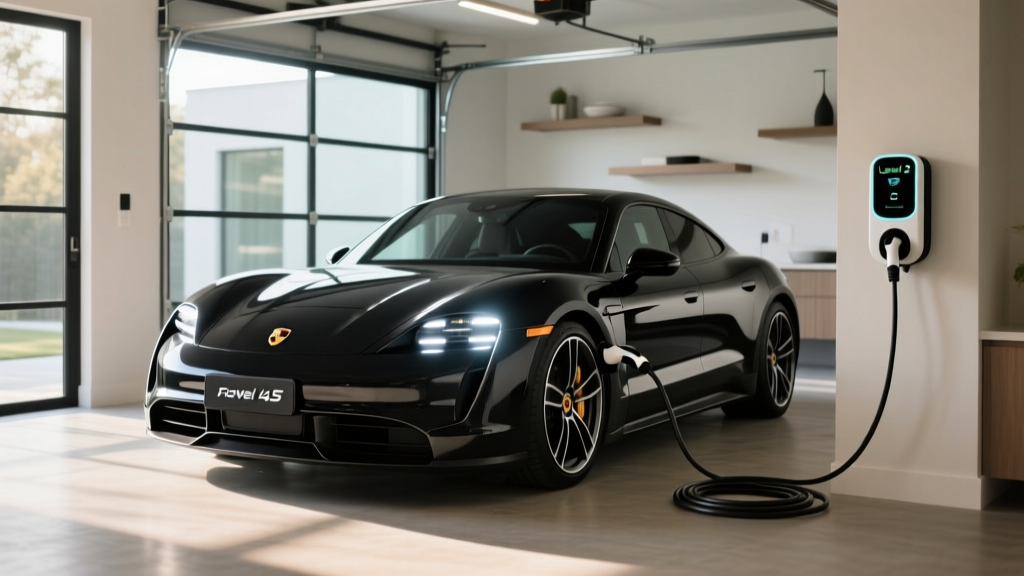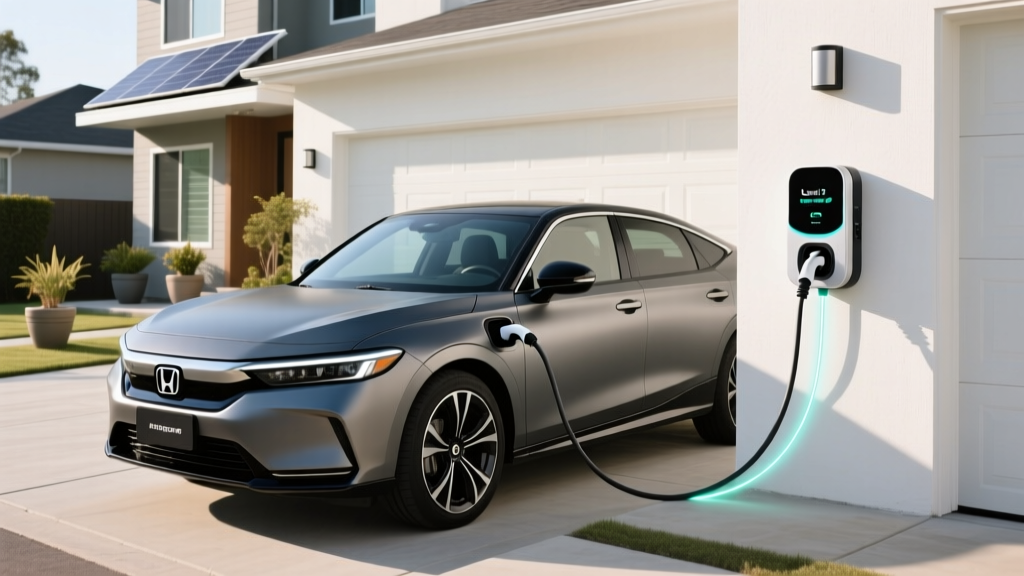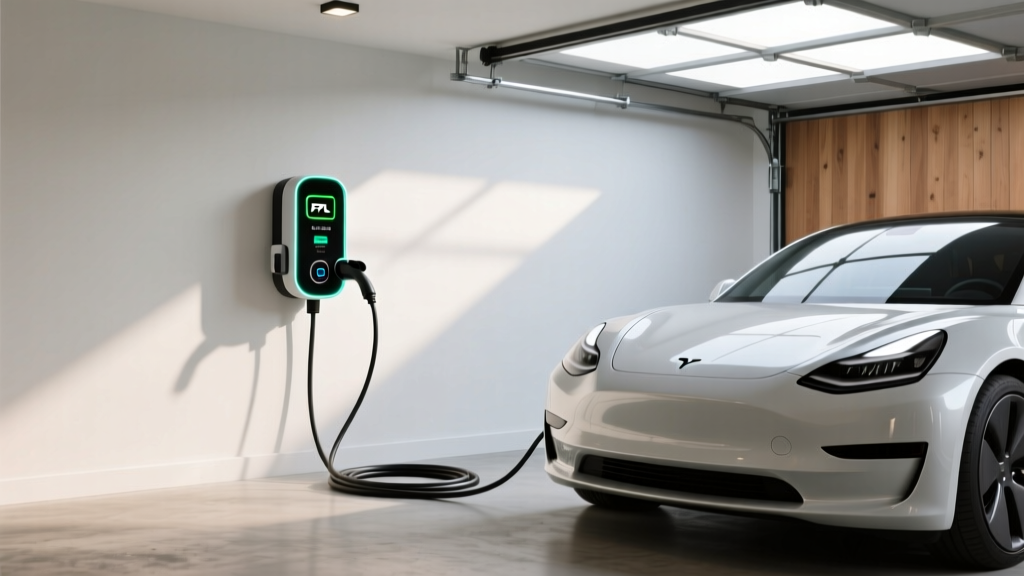
If you drive an electric vehicle in Florida, Florida Power & Light (FPL) is likely your electricity provider — and understanding how to charge efficiently on their rate plans can save you hundreds of dollars per year. This guide covers everything you need to know about setting up an FPL EV charger at home, from electrical requirements and installation costs to the best Level 2 equipment and real-world charging costs compared to gasoline.
FPL serves over 5 million customer accounts across Florida, making it one of the largest EV-charging utility environments in the country. With Florida's warm climate (minimal cold-weather range loss) and FPL's time-of-use rate options, home charging here can be exceptionally cost-effective — if you set it up correctly.
Understanding EV Charging Levels: Speeds, Power, and Range Added
Before choosing equipment, you need to understand the three charging levels and what they deliver. The critical distinction: kW (kilowatts) measures power — how fast energy flows into your battery. kWh (kilowatt-hours) measures energy — the total capacity stored in your battery. Think of kW as the flow rate of a hose and kWh as the size of the bucket.
| Level | Voltage | Power (kW) | Miles of Range Per Hour | Typical Use Case |
|---|---|---|---|---|
| Level 1 | 120V AC | 1.0–1.4 kW | 3–5 mi/hr | Overnight top-up; PHEV charging |
| Level 2 | 240V AC | 3.3–19.2 kW | 12–75 mi/hr | Primary home and workplace charging |
| DC Fast Charging | 400–800V DC | 50–350 kW | 150–1,000+ mi/hr | Road trips; rapid top-ups |
For most EV owners on FPL, Level 2 is the standard. A 48-amp (11.5 kW) Level 2 charger will fully replenish a 75 kWh battery (like the Tesla Model Y Long Range) in roughly 7–8 hours — ideal for overnight charging. A 32-amp (7.7 kW) unit takes about 10–11 hours for the same battery.
DC fast charging is for road trips. On a Tesla Supercharger V4 (250 kW peak), a Model Y can go from 10–80% in roughly 20–25 minutes. On Electrify America's 350 kW chargers, vehicles like the Hyundai Ioniq 5 (with its 800V architecture) can achieve 10–80% in approximately 18 minutes. However, peak kW is never sustained — charging curves taper significantly above 80% State of Charge to protect battery health.
How Much Does It Cost to Install a Home EV Charger on FPL?
Home Level 2 charger installation costs vary widely depending on your electrical panel's capacity, the distance from the panel to the charger location, and local permitting. Here's a realistic breakdown for Florida homeowners:
| Component | Basic Install | Complex Install |
|---|---|---|
| Level 2 Charger (hardware) | $300–$500 | $500–$750 |
| Electrician labor (240V/50A circuit) | $400–$800 | $800–$2,000 |
| Electrical permit (Florida) | $50–$150 | $50–$150 |
| Panel upgrade (if needed, 100A→200A) | N/A | $1,500–$3,500 |
| Conduit/wiring (long runs >50 ft) | $100–$300 | $300–$800 |
| Total | $850–$1,750 | $2,750–$7,200 |
When You'll Need a Panel Upgrade
Most modern Florida homes built after 2000 have 200-amp electrical panels, which can typically support a 50-amp dedicated EV circuit without an upgrade. However, if your home has a 100-amp panel (common in older construction), or if your panel is already near capacity with existing loads (central AC, electric range, pool heater, dryer), a licensed electrician may recommend upgrading to 200 amps.
Florida's heavy AC usage is a factor. During summer months, your central air conditioning can draw 30–50 amps continuously. Adding a 48-amp EV charger on top of that may exceed your panel's safe operating capacity. Always have a licensed electrician perform a load calculation before installation.
FPL rebate note: Check FPL's current residential EV programs at fpl.com/electric-vehicles. FPL has historically offered rebates or off-peak rate incentives for EV owners who install smart Level 2 chargers and agree to managed charging. Program availability and amounts vary by year.
FPL Electricity Rates and the Real Cost to Charge an EV
FPL's residential rates are among the more competitive in Florida, and their time-of-use (TOU) rate plans can make overnight EV charging remarkably cheap. As of early 2026, FPL's standard residential rate averages approximately $0.13–$0.15 per kWh, but their EV-specific or off-peak TOU rates can drop to $0.07–$0.09 per kWh during overnight hours (typically 10 PM – 6 AM).
| Scenario | Rate / Price | Cost Per Mile* |
|---|---|---|
| Home charging (FPL off-peak TOU) | $0.08/kWh | $0.025–$0.03 |
| Home charging (FPL standard rate) | $0.14/kWh | $0.045–$0.05 |
| Public Level 2 (ChargePoint, etc.) | $0.20–$0.30/kWh | $0.07–$0.10 |
| DC fast charging (Electrify America) | $0.35–$0.55/kWh | $0.12–$0.18 |
| Gasoline (Florida avg, 25 MPG combined) | $3.20/gallon | $0.13 |
| Gasoline (30 MPG combined) | $3.20/gallon | $0.11 |
*Cost per mile assumes an EV efficiency of 3–4 miles per kWh (typical for a Tesla Model Y, Hyundai Ioniq 5, or Ford Mustang Mach-E). Source for gas prices and MPGe data: fueleconomy.gov.
At FPL's off-peak rate, charging a 75 kWh battery from empty to full costs approximately $6.00. That same battery delivers roughly 250–280 real-world highway miles in a Model Y Long Range. Compare that to filling a 15-gallon gas tank at $3.20/gallon ($48) for 350–400 miles in a comparable gas SUV. The per-mile savings with home charging are substantial: roughly $0.03 per mile vs. $0.11–$0.13 per mile for gas.
However, if you rely exclusively on DC fast charging at $0.45/kWh, your cost per mile rises to $0.12–$0.15 — essentially matching gasoline. This is why home Level 2 charging is the economic foundation of EV ownership.
Which Connector and Charger Is Compatible With Your EV?
The connector landscape has shifted significantly. Tesla's North American Charging Standard (NACS) has been adopted by Ford, General Motors, Rivian, Volvo, BMW, Hyundai, and most other major automakers for 2025 and newer models. CCS1 (Combined Charging System) remains on many 2021–2024 models. CHAdeMO is largely legacy (Nissan Leaf).
| Connector | Brands Using It (Native) | Adapter Needed? |
|---|---|---|
| NACS (Tesla) | Tesla (all), Ford, GM, Rivian, Volvo, BMW, Hyundai/Kia (2025+) | CCS→NACS adapter for older CCS cars (~$200–$300) |
| CCS1 | VW, Audi, Porsche, Stellantis, many 2021–2024 models | NACS→CCS adapter available for Tesla Supercharger access |
| CHAdeMO | Nissan Leaf (legacy), Mitsubishi Outlander PHEV | Limited adapter options; network availability declining |
Key advice for Florida EV owners: If you're buying a 2025 or newer EV, it almost certainly uses NACS. If you own a 2022–2024 CCS-equipped vehicle (like a VW ID.4 or older Ford Mustang Mach-E), you can purchase a NACS-to-CCS adapter from Tesla or third-party manufacturers to access Tesla Superchargers. For home Level 2 charging, most modern chargers come with a J1772 connector (universal for all non-Tesla EVs) or a NACS connector, and adapters are inexpensive ($30–$50).
Best Level 2 EV Chargers for FPL Customers: Equipment Picks
When selecting a charger for your FPL-connected home, prioritize smart features (scheduling for off-peak rates), cable length (25 feet is ideal for most garages), and UL certification for safety. Here are top picks across budgets:
Emporia Level 2 EV Charger
- Power: 48 amps (11.5 kW) on a 60-amp circuit
- Connector: J1772 (universal); NACS adapter included
- Cable length: 24 feet
- Smart features: Wi-Fi, app scheduling, energy monitoring, integrates with Emporia home energy monitors
- Price: ~$350–$400
- Best for: FPL TOU rate optimization — schedule charging during off-peak hours via the app
ChargePoint Home Flex
- Power: Adjustable 16–50 amps (3.8–12 kW); configure to match your circuit
- Connector: J1772 (NACS adapter available separately)
- Cable length: 23 feet
- Smart features: Wi-Fi, ChargePoint app, scheduling, works with Alexa
- Price: ~$550–$700
- Best for: Flexible amperage — ideal if your panel can't support a full 60-amp circuit
Tesla Wall Connector (Gen 4)
- Power: 48 amps (11.5 kW) on a 60-amp circuit
- Connector: NACS (native Tesla); J1772 adapter included for other EVs
- Cable length: 24 feet
- Smart features: Wi-Fi, over-the-air updates, power sharing (link multiple units on one circuit), Tesla app integration
- Price: ~$450–$500
- Best for: Tesla owners and households with mixed NACS/J1772 vehicles
Grizzl-E Smart
- Power: 40 amps (9.6 kW) on a 50-amp circuit
- Connector: J1772 (NACS version available)
- Cable length: 24 feet
- Smart features: Wi-Fi, OCPP-compatible, app scheduling
- Price: ~$450–$550
- Best for: Outdoor installations — IP67 weatherproof rating, built in Canada for extreme conditions
Charging Time Examples for Common EV Battery Sizes
Here's how long it takes to charge popular EVs from 10% to 80% on Level 2 at home. Charging to 100% takes significantly longer due to the taper above 80% — the battery management system slows the charge rate to protect cell health.
| Vehicle | Usable Battery (kWh) | At 48A (11.5 kW) | At 32A (7.7 kW) | At 16A (3.8 kW) |
|---|---|---|---|---|
| Tesla Model Y Long Range | 75 kWh | ~4.5 hours | ~6.8 hours | ~13.7 hours |
| Ford Mustang Mach-E Extended Range | 91 kWh | ~5.5 hours | ~8.2 hours | ~16.5 hours |
| Hyundai Ioniq 5 Long Range | 77.4 kWh | ~4.7 hours | ~7.0 hours | ~14.2 hours |
| Chevrolet Equinox EV | 85 kWh | ~5.1 hours | ~7.7 hours | ~15.5 hours |
| Toyota bZ4X | 71.4 kWh | ~4.3 hours | ~6.5 hours | ~13.1 hours |
For a Toyota Prius Prime PHEV with its 13.6 kWh usable battery, even a 16-amp Level 2 charger will reach full charge in under 3 hours — making PHEVs very easy to charge on modest electrical setups.
Safety, Code, and Electrical Requirements for Florida Installations
Florida's electrical code (based on the National Electrical Code, NEC) requires specific safety measures for EV charger installations:
- Dedicated circuit: Your Level 2 charger must be on its own dedicated 240V circuit — it cannot share a circuit with other appliances. A 48-amp charger requires a 60-amp breaker (NEC requires the circuit be rated at 125% of the continuous load).
- GFCI protection: The NEC 2020 and later editions require GFCI (Ground Fault Circuit Interrupter) protection for EV charging outlets. If you install a hardwired unit (no plug), GFCI is typically built into the charger itself.
- NEMA 14-50 vs. hardwired: A NEMA 14-50 outlet (240V/50A) gives you flexibility to unplug and move the charger, but requires a GFCI breaker (~$100–$150 extra). Hardwired installations eliminate the outlet and GFCI breaker requirement and can support up to 60A/48A charging.
- Outdoor rating: If your charger is mounted outside (carport, driveway wall, or exterior garage wall), the unit must carry an IP65 or higher weatherproof rating. All chargers recommended above meet this requirement.
- Permit and inspection: Florida requires an electrical permit for any new 240V circuit. Your electrician will pull the permit, and a county or city inspector will verify the installation meets code. Typical permit fees range from $50–$150 depending on jurisdiction.
Maximizing Savings on FPL's Rate Plans
FPL offers rate plans that reward off-peak electricity usage. For EV owners, the key strategy is simple: schedule your charging between 10 PM and 6 AM when rates drop significantly. Every smart charger recommended above includes scheduling features via their companion apps.
Here's a practical example: If you drive 40 miles per day in a Tesla Model Y (consuming roughly 12 kWh), charging at FPL's off-peak rate of $0.08/kWh costs $0.96 per day, or roughly $29 per month. At the standard rate of $0.14/kWh, that same driving costs $1.68/day or $51/month. The difference is $22/month — $264/year — simply by scheduling your charge overnight.
For higher-mileage drivers (80+ miles/day), the savings double. And compared to a gas vehicle averaging 25 MPG at $3.20/gallon covering the same 40 daily miles ($5.12/day in fuel), the off-peak EV cost of $0.96/day represents an 81% reduction in fuel cost.
Contact FPL directly or visit fpl.com/rates to review current residential rate options and confirm whether an EV-specific TOU plan is available in your service area. Rate structures and qualifying criteria are subject to change and may vary by county.
Frequently Asked Questions
Does FPL offer any rebates for installing a home EV charger?
FPL has periodically offered rebates or bill credits for EV owners who install qualified smart Level 2 chargers and enroll in managed-charging programs. However, program availability, amounts, and eligibility criteria change frequently. Visit fpl.com/electric-vehicles or call FPL customer service to confirm current offerings. Additionally, the federal Alternative Fuel Vehicle Refueling Property Credit (IRS Form 8911) may cover up to 30% of home charger hardware and installation costs (capped at $1,000) for eligible taxpayers in qualifying census tracts.
Can I use a regular 120V outlet to charge my EV?
Yes, but slowly. Level 1 charging on a standard 120V/15A outlet delivers roughly 1.0–1.4 kW, adding 3–5 miles of range per hour. For a 75 kWh battery, a full charge from empty would take 50–60 hours. Level 1 is practical only for plug-in hybrids (small batteries) or as a backup for BEVs when no Level 2 is available. It is not a viable daily charging solution for most battery-electric vehicles.
Will charging at home increase my FPL bill significantly?
Adding an EV will increase your electricity bill, but the cost is typically far less than gasoline. A household driving an EV 1,200 miles per month at 3.5 mi/kWh consumes approximately 343 kWh monthly for driving. At FPL's off-peak rate of $0.08/kWh, that's roughly $27/month in additional electricity cost. Compare that to $154/month in gasoline for a 25 MPG vehicle at $3.20/gallon covering the same distance.
Do I need a Tesla-specific charger if I own a Tesla?
Not necessarily. The Tesla Wall Connector is excellent and natively uses the NACS plug, but any J1772 Level 2 charger will work with a Tesla using the inexpensive J1772-to-NACS adapter that Tesla includes with every vehicle. If you want the cleanest setup without adapters, the Tesla Wall Connector or a NACS-equipped charger like the newer Grizzl-E NACS version is ideal.
How fast will a Level 2 charger add range to my EV?
At 48 amps (11.5 kW), a Level 2 charger adds approximately 35–45 miles of range per hour for a typical midsize EV like a Tesla Model Y or Hyundai Ioniq 5. At 32 amps (7.7 kW), expect 23–30 miles per hour. Your actual rate depends on your vehicle's onboard charger capacity and battery efficiency (miles per kWh). Vehicles with larger batteries and lower efficiency (like the Ford F-150 Lightning at ~2 mi/kWh) will add fewer miles per hour at the same kW rate.
What electrical upgrades might I need for a home charger?
The most common upgrade is a panel capacity increase from 100A to 200A, costing $1,500–$3,500 in Florida. Other potential needs include: replacing an outdated Federal Pacific or Zinsco panel (known fire hazards, $2,000–$4,000 replacement), running new conduit for long distances from the panel to the garage ($5–$15 per foot), or installing a smart load management system ($200–$500) to avoid a panel upgrade entirely. Always get a professional load calculation before assuming you need an upgrade.