Whether you drive a Mustang Mach-E, an F-150 Lightning, or a newer Ford EV, understanding your charging options is essential for maximizing range, minimizing cost, and avoiding installation surprises. Ford's charging ecosystem has shifted significantly since the brand adopted the North American Charging Standard (NACS) for its vehicles, moving away from CCS1 on newer models while maintaining compatibility with older hardware. This guide breaks down every Ford charger scenario — from overnight Level 2 home charging to DC fast-charging road trips — with exact numbers, costs, and equipment recommendations.
Ford EV Charging Levels: Speeds and Range Added
Before evaluating equipment, you need to understand the three charging tiers available to Ford EV owners. The key distinction: kW (kilowatts) measures power — how fast energy flows into your battery. kWh (kilowatt-hours) measures energy capacity — how much your battery holds. A 10 kW charger delivers energy at a specific rate into, say, a 91 kWh F-150 Lightning extended-range battery.
| Level | Voltage | Power (kW) | Miles of Range/Hour | Best For |
|---|---|---|---|---|
| Level 1 | 120V | 1.0–1.4 kW | 3–5 mi/hr | Overnight top-offs, PHEVs, low-mileage drivers |
| Level 2 (Home) | 240V | 7.2–19.2 kW | 22–60 mi/hr | Daily charging, full overnight replenishment |
| DC Fast Charging | 400–800V DC | 50–250+ kW | 150–700+ mi/hr | Road trips, rapid replenishment |
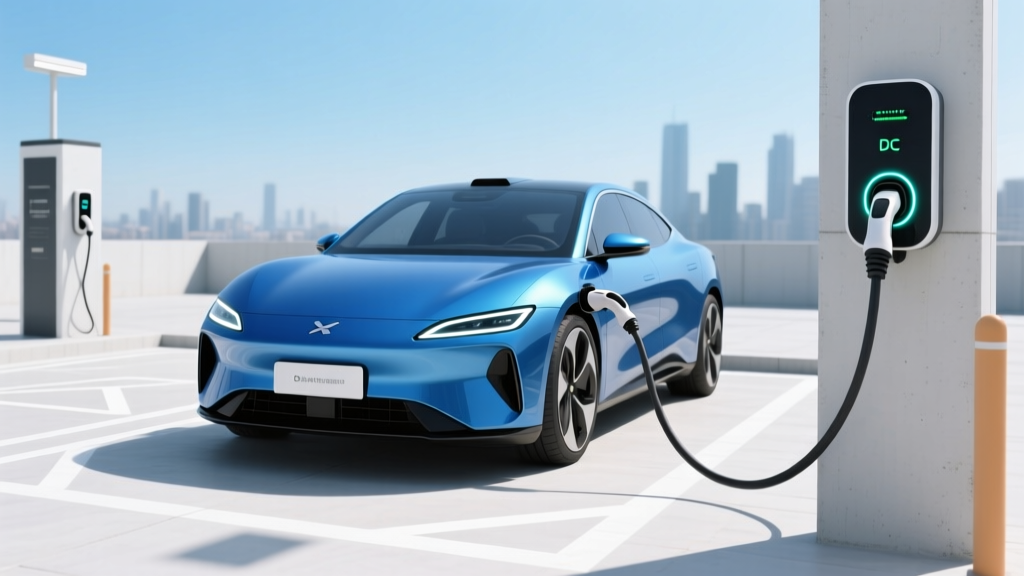
For context, a Mustang Mach-E with the extended-range 91 kWh battery (EPA 320 miles) charging on a 48-amp (11.5 kW) Level 2 Ford charger will recover roughly 35 miles of range per hour — enough to go from 20% to 80% in about 5–6 hours. The same vehicle on a 150 kW DC fast charger can add approximately 150 miles in 15–20 minutes before the charge curve tapers above 80% state of charge (SoC).
Home Ford Charger Installation: Electrical Requirements and Costs
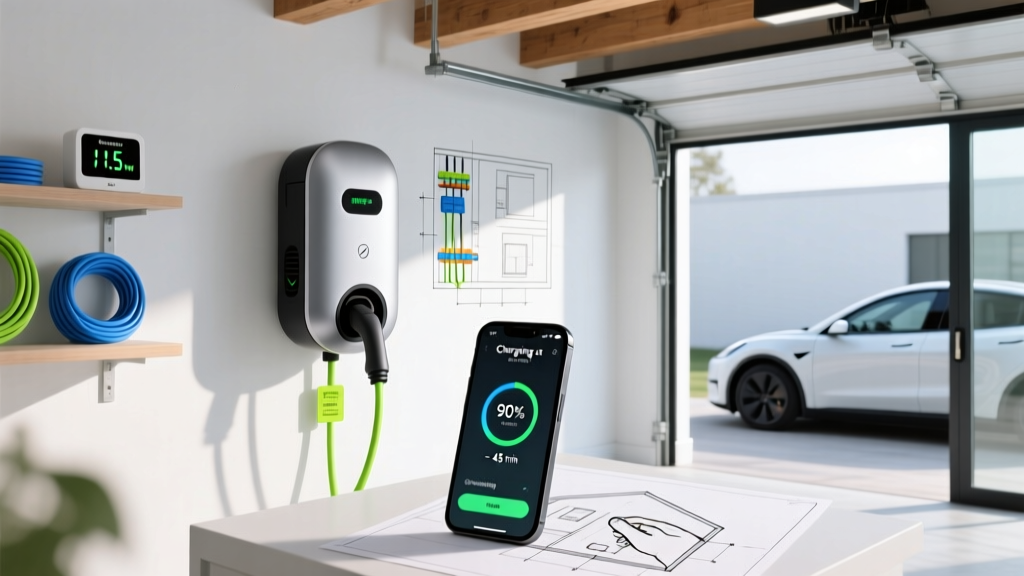
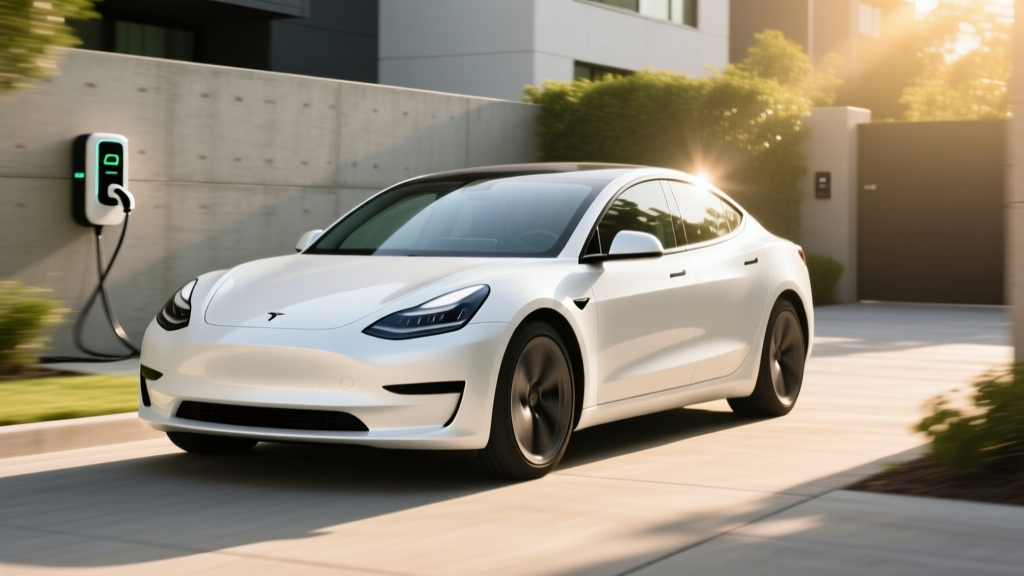
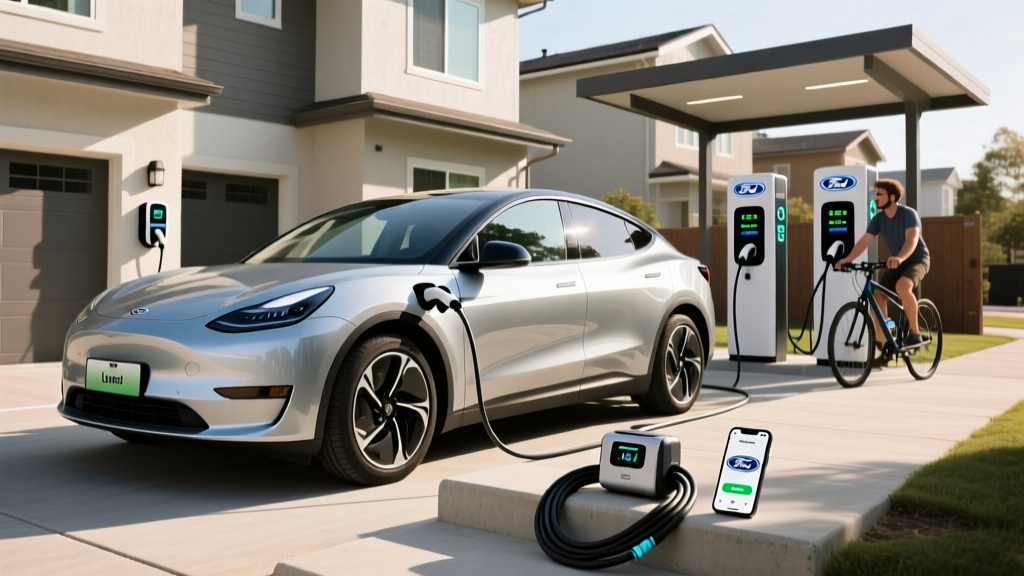
Ford offers the Ford Connected Charge Station (48-amp, hardwired, 11.5 kW) and the Ford Mobile Power Cord (which includes both 120V and 240V plug adapters). But you aren't limited to Ford-branded hardware — any quality Level 2 station with a NACS connector (or CCS1 for 2020–2023 Mach-E models) will work.
Electrical Panel and Circuit Requirements
A 48-amp Level 2 charger requires a dedicated 60-amp circuit (National Electrical Code requires circuits to be rated at 125% of continuous load: 48A × 1.25 = 60A). The circuit uses 240V service — the same voltage as an electric dryer or oven.
Key questions your electrician will evaluate:
- Panel capacity: Do you have 60 amps of spare capacity on a 200-amp service panel? Many older homes with 100-amp or 150-amp panels may need a service upgrade ($1,500–$3,500).
- Physical space: Are there open breaker slots for a double-pole 60A breaker?
- Run distance: How far from the panel to the charger location? Longer runs require thicker (more expensive) wire gauge — 6 AWG copper for 60A up to ~50 feet; 4 AWG for longer runs.
- Permit requirements: Nearly all jurisdictions require an electrical permit for EV charger installation ($50–$200 depending on locality).
Home Level 2 Charger Installation Cost Breakdown
| Component | Typical Cost Range | Notes |
|---|---|---|
| Level 2 charger unit | $400–$800 | Ford Connected Charge Station ~$599; third-party options vary |
| Electrician labor | $500–$2,000 | Depends on run length, wall type, conduit needs |
| Materials (wire, conduit, breaker) | $150–$500 | Longer runs and outdoor installs cost more |
| Electrical permit | $50–$200 | Varies by jurisdiction |
| Panel upgrade (if needed) | $1,500–$3,500 | 100A→200A service upgrade; not always required |
| Total (no panel upgrade) | $1,100–$3,500 | Most homes with adequate panel capacity |
| Total (with panel upgrade) | $2,600–$7,000 | Older homes needing service increase |
Always hire a licensed electrician familiar with NEC Article 625 (EV charging system code). Some utilities offer rebates of $250–$500 for Level 2 installations — check with your local provider before scheduling work.
Connector Compatibility: NACS, CCS1, and Adapters for Ford EVs
Ford's connector strategy has evolved. Here is where each model stands as of the 2025–2026 model years:
| Vehicle | Model Years | Native Connector | Tesla Supercharger Access | Adapter Needed? |
|---|---|---|---|---|
| Mustang Mach-E | 2021–2024 | CCS1 | Yes (with Ford-provided NACS adapter) | NACS adapter for Superchargers |
| Mustang Mach-E | 2025+ | NACS | Yes (native) | CCS1 adapter for non-Tesla DCFC |
| F-150 Lightning | 2022–2024 | CCS1 | Yes (with Ford-provided NACS adapter) | NACS adapter for Superchargers |
| F-150 Lightning | 2025+ | NACS | Yes (native) | CCS1 adapter for non-Tesla DCFC |
Ford began shipping complimentary NACS adapters to owners of 2021–2024 CCS1-equipped vehicles, enabling access to Tesla's Supercharger network — now the largest and most reliable DC fast-charging network in North America. If you own a 2025+ model with native NACS, you'll want a CCS1 adapter (approximately $200–$250) for Electrify America and other non-Tesla DC fast-charging stations still using the legacy connector.
For Level 2 home and public AC charging, NACS-equipped Fords use the J1772-to-NACS adapter (often included with the vehicle or charger) to connect to the majority of public Level 2 stations that still feature J1772 plugs.
Ford Charger Equipment Recommendations
Here are proven Level 2 chargers compatible with Ford EVs, selected for reliability, power output, and smart features:
Ford Connected Charge Station
- Power: 11.5 kW (48A, 240V)
- Connector: NACS (2025+ models); CCS1 available for older
- Cable length: 25 feet
- Smart features: FordPass app integration, scheduled charging, energy tracking
- Price: ~$599
- Best for: Ford owners wanting seamless OEM integration and FordPass data sync
ChargePoint Home Flex
- Power: Up to 12 kW (50A, 240V) — adjustable from 16A to 50A
- Connector: NACS or J1772 (configurable)
- Cable length: 23 feet
- Smart features: Wi-Fi, Alexa, app scheduling, utility demand-response
- Price: ~$699
- Best for: Multi-EV households needing flexible amperage and broad app support
Wallbox Pulsar Plus
- Power: 11.5 kW (48A, 240V)
- Connector: NACS or J1772
- Cable length: 25 feet
- Smart features: Wi-Fi + Bluetooth, Power Sharing (two units on one circuit), app control
- Price: ~$549
- Best for: Tight budgets and two-EV garages sharing a single 60A circuit
Emporia Level 2 Smart Charger
- Power: Up to 11.5 kW (48A, 240V)
- Connector: NACS or J1772
- Cable length: 24 feet
- Smart features: Real-time energy monitoring, solar integration, budget-friendly app
- Price: ~$399
- Best for: Solar-panel owners and data-focused users on a budget
Cost to Charge a Ford EV: Home vs. Public vs. Gas
Charging cost depends on your electricity rate, time of day, and whether you're using home Level 2 or public DC fast-charging. Here's how the numbers break down for a Mustang Mach-E extended-range (91 kWh battery, EPA 320 miles) and an F-150 Lightning extended-range (131 kWh battery, EPA 320 miles):
Charging Cost Per Mile vs. Gasoline
| Scenario | Rate ($/kWh) | Mach-E Cost/Full | Mach-E $/Mile | Lightning Cost/Full | Lightning $/Mile | Gas Equivalent (25 MPG, $3.40/gal) |
|---|---|---|---|---|---|---|
| Home (off-peak/utility rate) | $0.13 | $11.83 | $0.037 | $17.03 | $0.053 | $0.136/mile |
| Home (avg. US residential) | $0.17 | $15.47 | $0.048 | $22.27 | $0.070 | $0.136/mile |
| Public Level 2 (network) | $0.30 | $27.30 | $0.085 | $39.30 | $0.123 | $0.136/mile |
| DC Fast Charging (Electrify America) | $0.48 | $43.68 | $0.137 | $62.88 | $0.196 | $0.136/mile |
| Tesla Supercharger (avg.) | $0.35 | $31.85 | $0.100 | $45.85 | $0.143 | $0.136/mile |
The takeaway: home charging at off-peak rates delivers fuel savings of 60–75% compared to a comparable gas vehicle. Even public DC fast-charging at premium rates approaches gas parity per mile. According to fueleconomy.gov, the Mach-E achieves 101 MPGe combined — translating to roughly $0.04–$0.05 per mile on average residential electricity.
For maximum savings, check whether your utility offers time-of-use (TOU) rates. Many utilities provide off-peak overnight electricity at $0.08–$0.12/kWh — making home charging even cheaper. Ford's Connected Charge Station and most smart chargers support scheduled charging to automatically begin during off-peak windows.
Charging Times for Ford EVs: 10–80% Estimates
Here are realistic charging times for common Ford EV battery sizes across different charger types. Times reflect the 10–80% SoC window, which is the practical charging range for daily use and road trips (charging above 80% slows dramatically to protect battery chemistry):
| Vehicle / Battery | Level 1 (1.4 kW) | Level 2 (11.5 kW / 48A) | DC Fast (Peak) |
|---|---|---|---|
| Mach-E Std Range (70 kWh) | ~40 hours | ~4.5 hours | ~32 min (150 kW peak, 10–80%) |
| Mach-E Ext Range (91 kWh) | ~52 hours | ~6 hours | ~38 min (150 kW peak, 10–80%) |
| Lightning Std Range (98 kWh) | ~56 hours | ~6.5 hours | ~41 min (150 kW peak, 10–80%) |
| Lightning Ext Range (131 kWh) | ~75 hours | ~8.5 hours | ~41 min (210 kW peak, 10–80%) |
Note that the F-150 Lightning extended-range supports a peak DC charge rate of 210 kW, which provides a meaningful time advantage at compatible high-power stations. However, most non-Tesla public DCFC stations deliver 50–150 kW, so real-world sessions may take longer than peak figures suggest. Always precondition your battery (via the FordPass app or in-vehicle navigation routing to a charger) to ensure the battery reaches optimal temperature for maximum charge acceptance.
Safety, Code, and Installation Best Practices
EV charging equipment must comply with NEC Article 625 and local building codes. Key safety requirements include:
- Dedicated circuit: Your Level 2 charger must be on its own dedicated breaker — never shared with other appliances.
- GFCI protection: NEC 2020 and later require GFCI (ground-fault circuit interrupter) protection for outdoor receptacles and many indoor EV installations. Hardwired chargers typically integrate GFCI internally.
- Outdoor rating: If mounting outdoors, ensure the charger carries a NEMA 4 or IP54+ weather-resistance rating. All chargers listed above meet outdoor installation standards.
- Connector holster: Use a wall-mounted holster to keep the connector off the ground, preventing moisture ingress and physical damage.
- Cable management: For garages, retractable cable organizers prevent trip hazards and cord wear.
- UL listing: Only purchase chargers with UL (Underwriters Laboratories) or ETL certification — avoid uncertified imports that bypass safety testing.
Ford recommends using a licensed electrician for all hardwired installations and provides specific wiring diagrams for the Connected Charge Station through the Ford EV charging resource page. DIY plug-in installations using a NEMA 14-50 outlet are possible, but the receptacle must be rated for continuous 50A duty — many hardware-store outlets are not.
Frequently Asked Questions
How much does it cost to install a home EV charger for a Ford?
A typical Level 2 installation with a 48-amp charger on a 60-amp circuit costs $1,100–$3,500 including equipment, electrician labor, materials, and permit. If your home needs an electrical panel upgrade (common in homes with 100A or 150A service), add $1,500–$3,500. Always get 2–3 quotes from licensed electricians.
How fast will each charging level add range to my Ford EV?
Level 1 (120V) adds 3–5 miles per hour. Level 2 (240V, 48A/11.5 kW) adds approximately 35 miles per hour for a Mach-E and roughly 28 miles per hour for the heavier F-150 Lightning. DC fast charging can add 150+ miles in 15–20 minutes at a 150 kW station during the 10–80% SoC window.
Which connector and charger are compatible with my Ford EV?
2021–2024 Mach-E and Lightning models use CCS1 natively but can access Tesla Superchargers with a Ford-provided NACS adapter. 2025+ models feature NACS natively and need a CCS1 adapter for non-Tesla DC fast-charging stations. For home Level 2 charging, any NACS-equipped charger (or J1772 with adapter) will work.
How much does charging a Ford EV cost per mile vs. gas?
Home charging at average US residential rates (~$0.17/kWh) costs $0.04–$0.07 per mile for a Mach-E or Lightning — roughly 50–75% less than a comparable gas vehicle at $3.40/gallon and 25 MPG. Public DC fast-charging at $0.48/kWh approaches gas parity at $0.14–$0.20 per mile.
What electrical upgrades might I need for a Ford home charger?
You need a dedicated 60-amp, 240V circuit for a 48-amp Level 2 charger. If your electrical panel lacks 60 amps of spare capacity, you may need a panel upgrade from 100A or 150A to 200A service ($1,500–$3,500). Homes built after 2000 with 200A panels typically have sufficient capacity. Your electrician will perform a load calculation to confirm.
Can I use a Tesla Supercharger with my Ford?
Yes. Ford EVs with CCS1 (2021–2024) can use Tesla Superchargers with the Ford-provided NACS adapter. Ford EVs with native NACS (2025+) plug directly into Superchargers without an adapter. Access is enabled through the FordPass app, which handles routing and payment.
Does fast charging degrade my Ford's battery?
DC fast charging generates more heat than Level 2, which can accelerate battery degradation over time if used exclusively. Ford's battery management system actively manages thermal loads and charge tapering to minimize impact. For daily use, Level 2 home charging is ideal; DC fast-charging is designed for road trips and occasional rapid replenishment. Ford's high-voltage battery warranty covers 8 years/100,000 miles with a capacity retention threshold of 70% per Ford's warranty documentation.