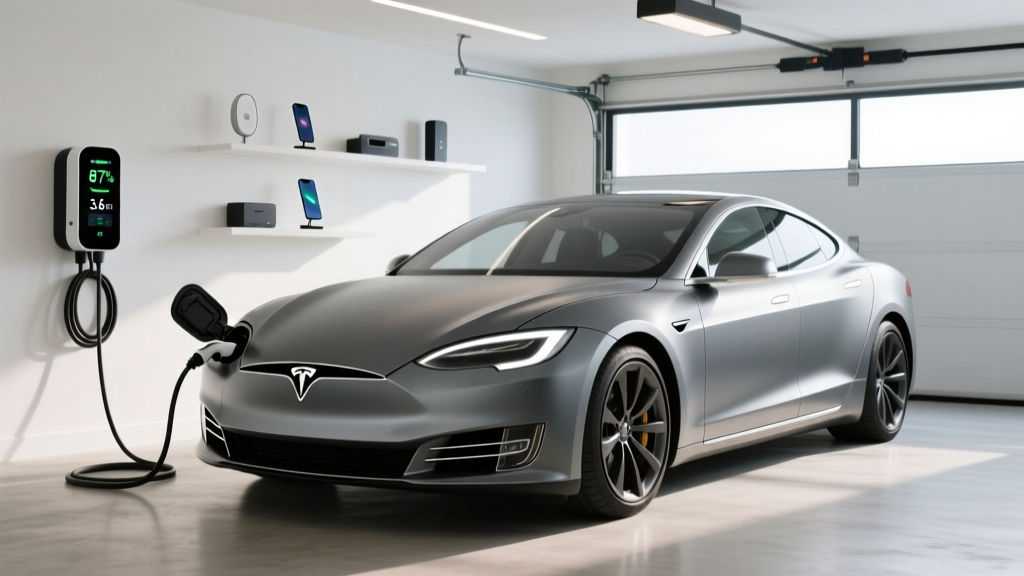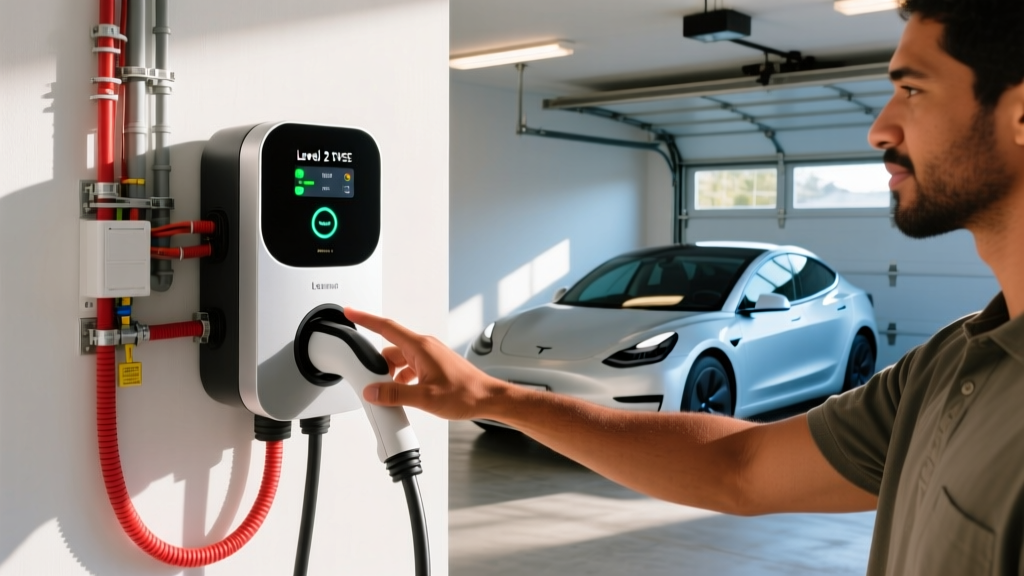
Buying an electric vehicle is only half the equation; the other half is figuring out how to charge it efficiently at home. For most new EV owners, the sticker shock of a professional Level 2 charger installation can be daunting, ranging anywhere from $800 to over $3,000 depending on your home's electrical infrastructure. However, a robust ecosystem of EVSE incentives (Electric Vehicle Supply Equipment incentives) exists at the federal, state, and utility levels to dramatically offset these costs.
This guide details exactly what you need to install a home charging station, the real costs involved, and how to leverage current incentives to make home charging affordable.
The Economics of Home Charging vs. Public Networks
Before diving into hardware, it is vital to distinguish between power (kW) and energy (kWh). Your charger's power rating (e.g., 11.5 kW) determines how fast it adds range. Your battery's energy capacity (e.g., 75 kWh) determines how far you can drive. Home charging is almost always cheaper per kWh than public DC fast charging.
| Energy Source | Avg. Cost per kWh/Gallon | Efficiency (kWh/100mi or MPG) | Cost Per Mile |
|---|---|---|---|
| Home Level 2 (Off-Peak) | $0.14 / kWh | 30 kWh/100mi | $0.042 |
| Public DC Fast (EA/Tesla) | $0.48 / kWh | 30 kWh/100mi | $0.144 |
| Gasoline (25 MPG Avg) | $3.50 / Gallon | 25 MPG | $0.140 |
While DC fast charging costs are now comparable to gasoline on a per-mile basis, home Level 2 charging remains roughly 70% cheaper than fueling a gas car.
Understanding Charging Speeds and Levels
Not all charging is created equal. Here is what you can expect in terms of range recovery based on the equipment you use.
| Level | Voltage / Power (kW) | Miles of Range Added Per Hour | Best Use Case |
|---|---|---|---|
| Level 1 | 120V / 1.4 - 1.9 kW | 3 - 5 miles | Overnight top-ups, PHEVs |
| Level 2 (Home) | 240V / 7.2 - 11.5 kW | 25 - 45 miles | Daily home charging, BEVs |
| DC Fast (Public) | 400V-800V / 50 - 350 kW | 150 - 300+ miles (10-80% in ~20 min) | Road trips, rapid top-ups |
Installation Costs and Electrical Upgrades
How much does it cost to install a home EV charger? The answer depends on your electrical panel. Most modern homes can handle a 40A or 48A circuit, but older homes may require a "service upgrade" (moving from 100A to 200A service), which is the most expensive part of the process.
| Component | Low End (Simple Install) | High End (Panel Upgrade Needed) |
|---|---|---|
| EVSE Hardware (Level 2) | $350 | $700 |
| Electrician Labor & Wiring | $450 | $1,200 |
| Permits & Inspections | $100 | $250 |
| Panel Upgrade (if needed) | $0 | $2,500 |
| Total Estimated Cost | $900 | $4,650 |
Federal and State EVSE Incentives
The Alternative Fuel Vehicle Refueling Property Credit (often called the 30C credit) was updated under recent legislation. For 2026, it provides a tax credit of up to $1,000 for home charging equipment and installation costs. However, under current IRS rules, this credit is primarily targeted at residents in specific census tracts (often rural or low-income areas) to ensure equitable access. Always check IRS guidelines to verify eligibility for your specific zip code.
Additionally, many local utility companies offer rebates ranging from $200 to $500 for installing a smart Level 2 charger that can communicate with the grid for off-peak charging.
Connector Compatibility: NACS vs. CCS
Which connector/charger is compatible with my EV? As of 2026, the industry has largely standardized around the North American Charging Standard (NACS), pioneered by Tesla. Most legacy EVs still use the CCS1 connector, but adapters are widely available.
| Connector Type | Common Brands (2026) | Adapter Needed? |
|---|---|---|
| NACS (Tesla) | Tesla, Ford, GM, Rivian, Volvo, Polestar | No (native on most new models) |
| CCS1 | Hyundai, Kia, VW, BMW, legacy models | NACS-to-CCS adapter for Superchargers |
| CHAdeMO | Nissan Leaf (legacy) | Rare, mostly deprecated |
Top Equipment Recommendations for 2026
When selecting a charger, look for a "hardwired" unit for maximum power (48A+) or a "plug-in" NEMA 14-50 unit for portability. Here are top-tier picks:
- Tesla Wall Connector (Gen 3): 11.5 kW max (48A), 24ft cable, integrated NACS plug, ~$450. Best for Tesla and NACS-native vehicles.
- ChargePoint Home Flex: 12 kW max (50A), 23ft cable, modular NACS/CCS connectors, ~$699. Excellent app and load-sharing features.
- Emporia Vue Level 2: 11.5 kW (48A), 24ft cable, NACS, ~$399. Best value for budget-conscious installs.
Safety and Code Considerations
EVSE installation is not a DIY project. It requires a licensed electrician to ensure compliance with the National Electrical Code (NEC). Key requirements include:
- Dedicated Circuit: Your charger needs its own breaker. A 48A charger requires a 60A breaker (NEC requires circuits to be rated for 125% of the continuous load).
- GFCI Protection: Required for all outdoor receptacles and many indoor garage installations.
- Outdoor Rating: If installing outside, ensure the EVSE is NEMA 4 rated for water and dust resistance.
Frequently Asked Questions
How much does it cost to install a home EV charger?
For a standard installation near your electrical panel, expect to pay between $900 and $1,500 total (hardware and labor). If your home requires a 200A panel upgrade, costs can rise to $3,500–$4,500.
How fast will each charging level add range?
Level 1 adds 3–5 miles per hour. A standard Level 2 home charger (11.5 kW) adds 35–45 miles per hour. DC Fast Charging can add 150+ miles in 20 minutes.
What electrical upgrades might I need?
If your home has a 100A service panel, you likely need an upgrade to 200A to support a high-speed Level 2 charger while running other major appliances like HVAC or electric ovens.
Are there incentives for the electrical panel upgrade?
Some utility companies and state programs include panel upgrades as part of their EVSE incentive packages if the upgrade is necessary to support the charger, but federal tax credits generally apply only to the charger and its direct installation wiring.