If you've noticed your electric vehicle falling short of its EPA range sticker once the thermometer drops below 40°F, you're not imagining things. Cold weather is the single largest variable in real-world EV efficiency, and understanding the exact EV range loss in cold weather percentage is critical for trip planning, charging strategy, and choosing the right vehicle for northern climates.
We've tracked cold-weather range data across multiple EV models, charging sessions, and temperature bands to give you exact figures — not vague warnings. This guide covers the physics behind the loss, real-world percentage drops by temperature, and the charging setups that help you fight back.
The Real Numbers: EV Range Loss in Cold Weather Percentage by Temperature
Range loss isn't a single number — it scales with how cold it actually gets. Based on testing data aggregated from fueleconomy.gov, Recurrent Auto's fleet data, and AAA's controlled cold-weather EV studies, here's what you can expect:
| Temperature Range | Average Range Loss (%) | Example: 300-mi EPA EV | Primary Cause |
|---|---|---|---|
| 40–50°F (4–10°C) | 10–15% | ~255–270 real miles | Cabin heating, slight battery resistance |
| 20–40°F (-7 to 4°C) | 20–30% | ~210–240 real miles | Heating load + slower electrochemistry |
| 0–20°F (-18 to -7°C) | 30–40% | ~180–210 real miles | Heavy cabin/battery heating, high internal resistance |
| Below 0°F (-18°C) | 40–50% | ~150–180 real miles | Severe chemistry slowdown, maximum heating draw |
Why Cold Weather Kills EV Range: The Physics
Three distinct mechanisms stack up to create cold-weather range loss, and they hit every EV regardless of brand:
1. Battery Chemistry Slowdown
Lithium-ion cells rely on lithium ions moving between the cathode and anode through a liquid electrolyte. At low temperatures, the electrolyte becomes more viscous, internal resistance rises, and the battery management system (BMS) restricts both discharge power and regenerative braking to protect the cells. You lose usable capacity not because the energy disappeared, but because the battery can't safely deliver it all. A cold battery at 10°F may have 10–15% of its capacity locked behind a protective buffer.
2. Cabin and Battery Heating Load
Unlike a gas car that wastes engine heat into the cabin for free, an EV must generate heat electrically. A resistance heater can pull 3–6 kW continuously — the equivalent of running three space heaters nonstop. Heat pumps (standard on most 2025–2026 EVs including the Tesla Model Y, Hyundai Ioniq 5, and BMW iX) reduce this to roughly 1–3 kW by scavenging ambient heat, but their efficiency drops below about 15°F.
3. Reduced Regenerative Braking
Cold batteries can't accept charge as quickly, so the BMS limits regen. You lose the 15–25% efficiency recovery that regen normally provides in stop-and-go driving, forcing you to use friction brakes instead — energy that's simply wasted as heat.
Cold-Weather Charging: What Happens to Speed and Time
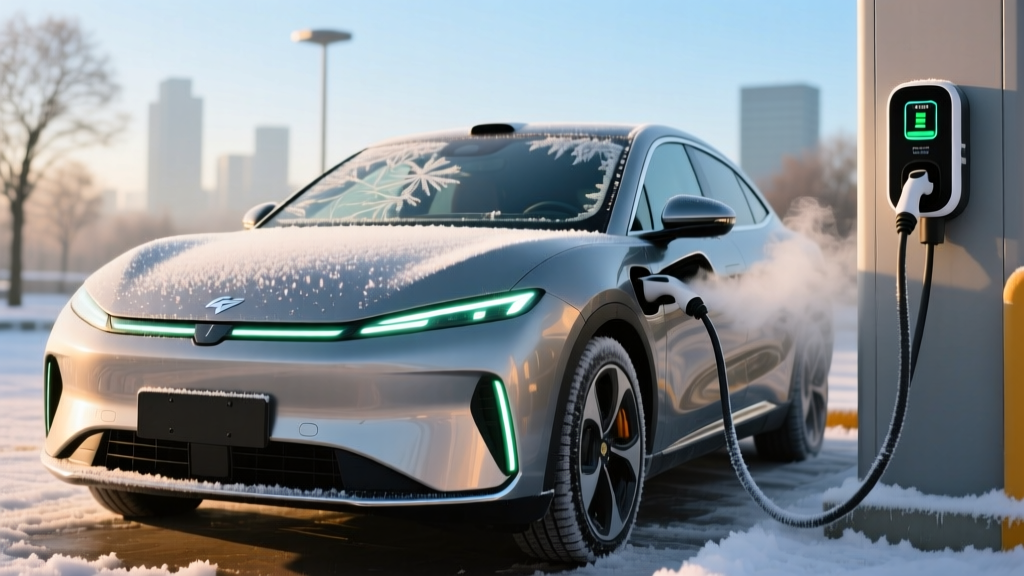
Cold doesn't just reduce range — it dramatically slows DC fast charging. If you pull into a 350 kW charger with a cold-soaked battery, you may see peak rates of just 40–60 kW until the BMS warms the pack. This is the most misunderstood aspect of winter EV ownership.
Charging Levels and Cold-Weather Impact
| Level | Power (kW) | Miles Added/Hour | Cold-Weather Impact |
|---|---|---|---|
| Level 1 (120V household) | 1.0–1.4 kW | 3–5 mi/hr | Minimal — slow enough that battery thermal management isn't a bottleneck. May not keep up with cabin preconditioning draw. |
| Level 2 (240V home/public) | 7.2–19.2 kW | 25–60 mi/hr | Minimal for overnight charging. Battery will warm slightly during extended sessions, improving efficiency. |
| DC Fast Charging | 50–350 kW | 150–1,000+ mi/hr (peak) | Severe. Cold battery taper can double or triple 10–80% charge times. Preconditioning is essential. |
Here's the difference preconditioning makes at a DC fast charger in 25°F weather for a typical 84 kWh battery (like the Ioniq 5 or Tesla Model Y Long Range):
- Without preconditioning: 10–80% in 55–75 minutes (peak rate limited to ~60–90 kW initially)
- With preconditioning (navigation to charger): 10–80% in 18–25 minutes (peak rate reaches 175–240 kW)
Preconditioning works by routing power from the grid (if plugged in) or from the battery itself (if driving) to warm the cells to their optimal charging temperature of roughly 77–95°F. Always navigate to a DC fast charger using your car's built-in nav or app to trigger this automatically.
Home Charging Setup: Your Best Cold-Weather Weapon
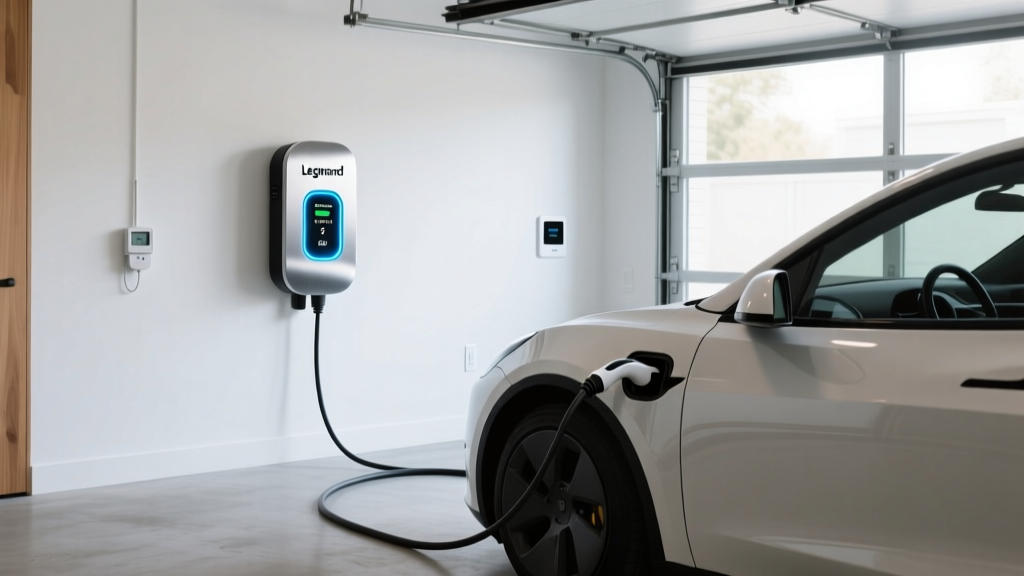
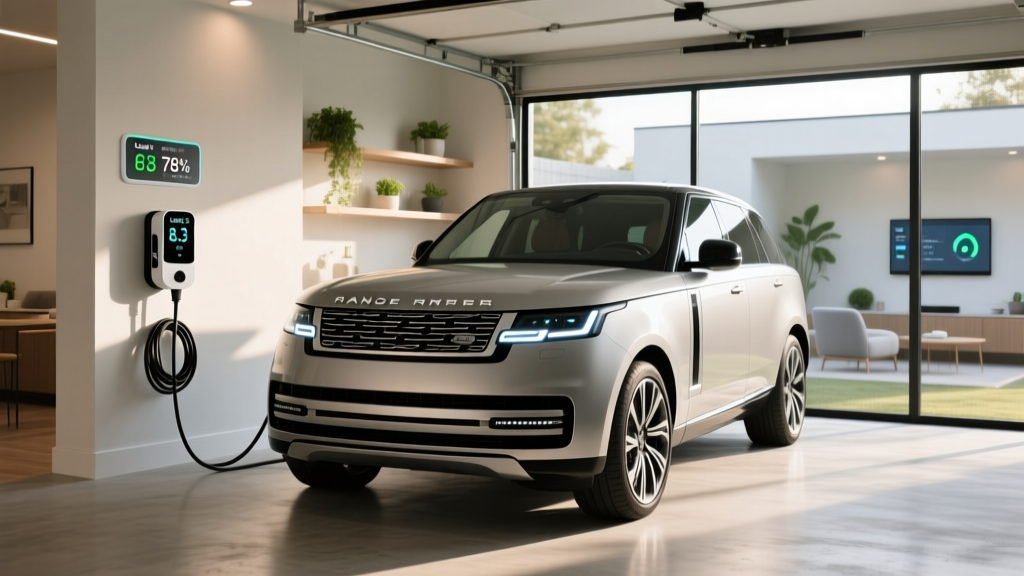
A Level 2 home charger is the single most important tool for cold-weather EV ownership. You can precondition the cabin and battery while plugged in, drawing power from the grid rather than your battery. This means you leave home with a warm battery and a full charge — eliminating most of the cold-weather range penalty for daily driving.
Electrical Requirements and Installation Costs
Most Level 2 home chargers require a 240V dedicated circuit. Here's what that involves:
| Component | Typical Cost Range | Notes |
|---|---|---|
| Level 2 charger equipment | $350–$750 | 40A–48A smart chargers; hardwired or NEMA 14-50 plug |
| Electrician labor (standard install) | $500–$1,500 | Running 6-gauge wire, installing breaker, mounting charger within 20–40 ft of panel |
| Permit and inspection | $50–$250 | Required in most jurisdictions; varies by municipality |
| Electrical panel upgrade (if needed) | $1,500–$3,500 | Required if your panel is 100A or less and lacks capacity for a 40–50A circuit |
| Total (no panel upgrade) | $900–$2,500 | Typical for homes with 200A service and nearby garage/outdoor parking |
| Total (with panel upgrade) | $2,400–$6,000 | Older homes with 100A service or panels at capacity |
Recommended Level 2 Chargers for Cold Climates
ChargePoint Home Flex
- Power: Up to 12 kW (50A, adjustable down to 16A)
- Connector: NACS or J1772 (configurable)
- Cable length: 23 feet
- Smart features: Wi-Fi, scheduling, energy tracking, Alexa
- Cold-weather rating: -22°F to 122°F, NEMA 4 outdoor enclosure
- Price: ~$550–$700
Emporia Level 2 EV Charger
- Power: Up to 11.5 kW (48A)
- Connector: J1772 (NACS adapter available)
- Cable length: 24 feet
- Smart features: Wi-Fi, solar integration, load management
- Cold-weather rating: -22°F to 122°F, NEMA 4
- Price: ~$350–$400
Tesla Wall Connector
- Power: Up to 11.5 kW (48A)
- Connector: NACS native (J1772 adapter included for non-Teslas)
- Cable length: 24 feet
- Smart features: Wi-Fi, power sharing, OTA updates
- Cold-weather rating: -22°F to 122°F, indoor/outdoor rated
- Price: ~$425–$475
Grizzl-E Smart
- Power: Up to 10 kW (40A)
- Connector: J1772 or NACS
- Cable length: 24 feet
- Smart features: OCPP, app scheduling, energy monitoring
- Cold-weather rating: -40°F to 122°F, IP67 — best extreme-cold rating
- Price: ~$450–$550
Connector Compatibility: What Plugs Into What
The North American charging connector landscape has consolidated significantly as of 2025–2026, but you still need to know what your vehicle uses and whether adapters are necessary.
| Connector | Brands Using It (Native) | Adapter Needed For |
|---|---|---|
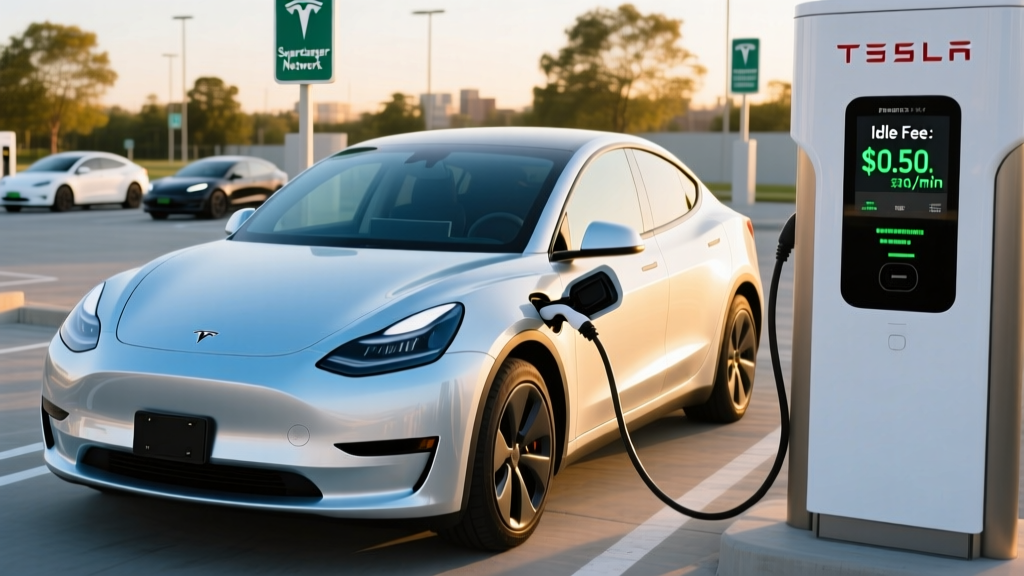
| NACS (Tesla standard, now SAE J3400) | Tesla (all), Ford (2025+), GM (2025+), Rivian (2025+), Hyundai/Kia (2026+), Volvo/Polestar | Older CCS1 public chargers (use NACS-to-CCS adapter, ~$150–$250) |
| CCS1 (Combo) | VW/ID.4 (through 2025), BMW (through 2025), some Stellantis models | Tesla Supercharger access (CCS-to-NACS adapter, ~$200–$250; many OEMs now include one) |
| CHAdeMO | Nissan Leaf (legacy, discontinued in US after 2025) | Limited public infrastructure; CHAdeMO-to-CCS adapters rare and expensive (~$400+) |
For cold-weather charging specifically, make sure your adapter and cable are rated for outdoor, sub-freezing use. Cables become stiff below 20°F — look for chargers with flexible, cold-rated cable jackets. The Grizzl-E and ChargePoint Home Flex are specifically designed for this.
Charging Cost Per Mile: Home vs. Public vs. Gas
Cold weather increases your per-mile energy cost because you're using more kWh to go the same distance. Here's how the economics shake out:
| Scenario | $/kWh or $/gallon | Efficiency (cold-adjusted) | Cost Per Mile |
|---|---|---|---|
| Home Level 2 (off-peak utility rate) | $0.08–$0.14/kWh | 3.0–3.5 mi/kWh (winter) | $0.025–$0.045 |
| Home Level 2 (standard rate) | $0.14–$0.20/kWh | 3.0–3.5 mi/kWh | $0.04–$0.065 |
| Public Level 2 (network pricing) | $0.20–$0.40/kWh | 3.0–3.5 mi/kWh | $0.06–$0.13 |
| DC Fast Charging (EA, EVgo, etc.) | $0.35–$0.55/kWh | 3.0–3.5 mi/kWh | $0.10–$0.18 |
| Gas car (28 MPG combined) | $3.20/gallon | 28 mi/gal | $0.11 |
| Gas car (28 MPG, cold weather ~24 MPG) | $3.20/gallon | 24 mi/gal (winter) | $0.13 |
Even with cold-weather efficiency losses, home-charged EVs cost roughly 60–75% less per mile than gas. However, if you rely exclusively on DC fast charging at $0.45–$0.55/kWh, your per-mile cost approaches or exceeds that of a fuel-efficient gas car — particularly in winter when you're burning more kWh per mile.
Strategies to Minimize Cold-Weather Range Loss
You can't change the weather, but you can change how your EV responds to it. These strategies, applied together, can recover 10–20 percentage points of range:
- Precondition while plugged in. Schedule departure-time preconditioning in your EV's app. The cabin and battery warm using grid power, preserving your full battery capacity for driving.
- Use seat and steering wheel heaters instead of cabin air heat. Heated seats draw about 50–100 watts vs. 3,000–5,000 watts for forced-air cabin heating. On short trips, this alone can save 5–10% range.
- Keep your state of charge between 20–80% for daily driving, but charge to 90–100% before long winter trips. The extra buffer accounts for cold-weather range reduction.
- Navigate to DC fast chargers using the car's built-in system. This triggers battery preconditioning automatically, cutting charge times in half at cold temperatures.
- Garage your EV if possible. Even an unheated garage keeps the battery 15–25°F warmer than outdoor ambient, improving both range and charging speed.
- Choose an EV with a heat pump. As of 2026, most mainstream EVs include one, but some base trims still use resistance heating. Check the spec sheet before purchasing — a heat pump saves 15–30% of heating energy at temperatures above 15°F.
Frequently Asked Questions
How much does it cost to install a home EV charger?
A typical Level 2 home charger installation costs $900–$2,500 when your electrical panel has sufficient capacity (200A service with available breaker slots). If you need a panel upgrade from 100A to 200A, add $1,500–$3,500, bringing the total to $2,400–$6,000. Always get a load calculation from a licensed electrician before committing to equipment.
How fast will each charging level add range?
Level 1 (120V) adds 3–5 miles per hour. Level 2 (240V) adds 25–60 miles per hour depending on amperage (32A–48A). DC fast charging adds 150–1,000+ miles per hour at peak rates, but cold weather can reduce this by 50–70% until the battery warms up.
Which connector is compatible with my EV?
For 2026 models, most new EVs from Ford, GM, Hyundai, Kia, Rivian, and Volvo now use the NACS (J3400) connector natively. VW and BMW models through 2025 still use CCS1. Check your vehicle's charge port — if it's a smaller, Tesla-style port, it's NACS. If it has the wider CCS Combo plug with two extra DC pins below, it's CCS1. Adapters are available for cross-compatibility.
How much does charging cost per mile vs. gas?
Home charging at off-peak rates ($0.08–$0.14/kWh) costs $0.025–$0.045 per mile even in cold weather. Gas at $3.20/gallon in a 28 MPG car costs $0.11–$0.13 per mile. DC fast charging ($0.35–$0.55/kWh) costs $0.10–$0.18 per mile, which can exceed gas costs for some vehicles.
What electrical upgrades might I need for a home charger?
If your home has a 100-amp electrical panel or your existing circuits are near capacity, you'll likely need a panel upgrade to 200 amps. Other potential upgrades include running a new dedicated 240V circuit (6-gauge copper wire for 40–50A), installing a GFCI breaker (required by NEC for outdoor outlets), and upgrading your utility service drop if it's undersized. A licensed electrician can determine this with a load calculation.
Does cold weather affect EV battery longevity?
Cold weather itself doesn't permanently damage the battery — the BMS prevents that by limiting power. However, frequently DC fast charging a cold battery without preconditioning can accelerate degradation over time. The bigger longevity risk is heat, not cold. Most 2026 EV batteries carry warranties of 8 years/100,000 miles with a 70% capacity retention guarantee, per DOE EV technology guidelines.
Should I buy an EV if I live in a cold climate?
Yes, provided you have home Level 2 charging and plan for the 20–40% winter range reduction. Choose a vehicle with at least 300 miles of EPA range (giving you ~200–220 real winter miles), a heat pump, and battery preconditioning for DC fast charging. EVs with LFP (lithium iron phosphate) batteries, such as the Tesla Model 3 RWD, tolerate cold well but typically have lower energy density, meaning shorter total range — weigh the trade-off based on your typical winter driving distances.