Why Compare an EV Charger to a 2004 Chevrolet Impala SS Supercharged?
The 2004 Chevrolet Impala SS Supercharged — with its 3.8L supercharged V6 producing 240 horsepower and EPA-rated 18 city / 28 highway MPG — remains a recognizable benchmark for affordable, performance-oriented sedans from the early 2000s. But if you're considering trading that GM 3800 Series III engine for a modern electric vehicle, the single biggest question is fueling: how does plugging in at home compare to filling a 17.5-gallon tank at $3.40/gallon?
This guide breaks down every layer of EV charging — from Level 1 trickle to 350 kW DC fast charging — with exact kilowatt speeds, real installation costs, connector compatibility, and a direct cost-per-mile comparison against the 2004 Impala SS Supercharged. Whether you own an older home with a 100-amp panel or a newer build with spare 240V capacity, you'll know precisely what to expect before you call an electrician.
Charging Levels Explained: Speeds in kW and Miles Per Hour
The most common mistake new EV buyers make is confusing kW (kilowatts) with kWh (kilowatt-hours). Think of it this way: kW is the rate of flow — like the diameter of a hose — while kWh is the total volume of energy stored in the battery, like the size of the bucket. A 10 kW charger delivers 10 kWh of energy in one hour.
| Level | Voltage | Power (kW) | Miles of Range Added Per Hour | Typical Use Case |
|---|---|---|---|---|
| Level 1 | 120V AC | 1.0–1.4 kW | 3–5 mi/hr | Overnight top-up; PHEVs; emergency |
| Level 2 | 240V AC | 3.3–19.2 kW | 12–75 mi/hr | Home daily charging; workplace; public L2 |
| DC Fast Charge (DCFC) | 400–800V DC | 50–350 kW | 150–1,000+ mi/hr (peak) | Road trips; highway corridor charging |
A few practical notes from real-world testing:
- Level 1 is viable for plug-in hybrids with small batteries (e.g., a Toyota RAV4 Prime with ~18 kWh usable, needing ~5 hours for a full charge) but painfully slow for a 75–100 kWh BEV battery, which could take 60+ hours.
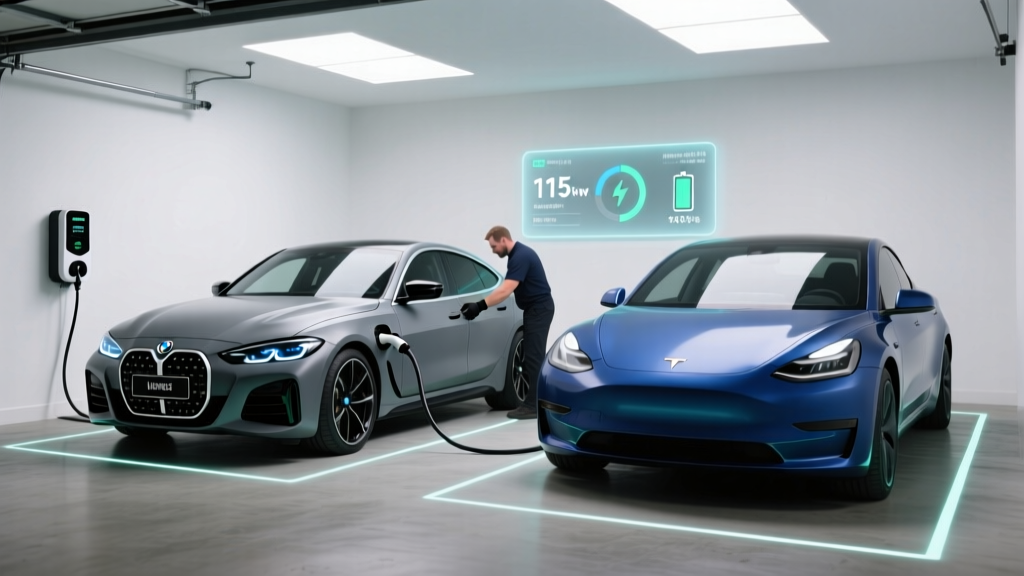
- Level 2 at 11.5 kW (48A) is the sweet spot for most homes — it adds roughly 40–45 miles of range per hour, enough to refill a 300-mile EV overnight in 7–8 hours.
- DC Fast Charging peak rates (e.g., 250 kW) are sustained only between roughly 10–50% state of charge. Above 80%, the charge curve tapers sharply to protect the battery. A "250 kW" charger may deliver an average of ~120 kW across a full 10–80% session.
How Much Does It Cost to Install a Home EV Charger?
Home Level 2 installation costs vary wildly depending on your electrical panel's age, capacity, and proximity to the garage or driveway. Below is a realistic breakdown for a 240V / 48A hardwired Level 2 charger (requiring a 60A dedicated circuit) in 2026.
| Component | Low End | High End | Notes |
|---|---|---|---|
| Level 2 Charger (Equipment) | $350 | $750 | 40A–48A smart charger; e.g., ChargePoint Home Flex, Emporia Level 2 |
| Electrician Labor | $400 | $1,500 | Depends on run length, conduit, drywall work |
| Electrical Permit | $50 | $250 | Varies by municipality; required in most jurisdictions |
| Panel Upgrade (if needed) | $1,500 | $4,000 | Upgrading from 100A to 200A service; common in pre-1990 homes |
| Total (No Panel Upgrade) | $800 | $2,500 | Typical for modern homes with 200A panel |
| Total (With Panel Upgrade) | $2,300 | $6,500 | Older homes, long conduit runs |
Which Connector Is Compatible With My EV?
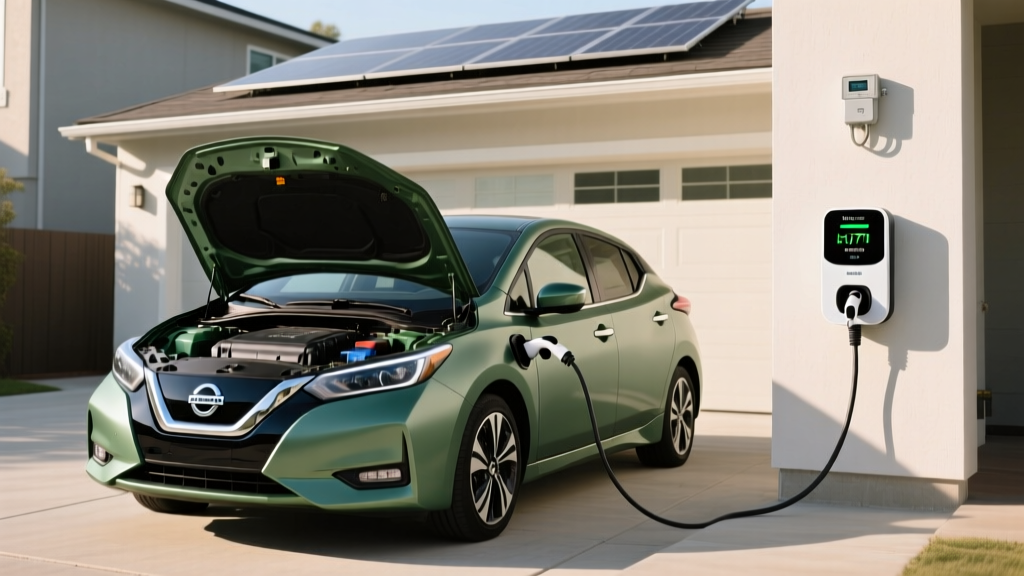
As of 2026, the North American connector landscape has consolidated significantly around NACS (the Tesla-designed North American Charging Standard), but CCS1 and CHAdeMO vehicles remain on the road. Here's what you need to know:
| Connector | Brands Using It (Native) | Adapter Needed? |
|---|---|---|
| NACS (Tesla / J3400) | Tesla (all), Ford, GM, Rivian, Volvo, Polestar, Fisker, Lucid (2025+), Hyundai/Kia (2025+) | No — native on new models |
| CCS1 (Combo) | VW ID.4 (pre-2025), older BMW i4/iX, older Hyundai Ioniq 5/Kia EV6, Stellantis | CCS-to-NACS adapter (~$200–$250) for Tesla Superchargers |
| CHAdeMO | Nissan Leaf (legacy); largely discontinued on new vehicles | Limited DCFC network access; plan routes carefully |
Key takeaway for 2026: If you're buying a new EV, it almost certainly has NACS. If you own a 2022–2024 CCS-equipped vehicle, purchase the OEM-approved CCS-to-NACS adapter (e.g., Ford's $230 adapter or Tesla's CCS adapter) to access the 25,000+ Tesla Supercharger stalls now open to non-Tesla vehicles via Magic Dock or adapter.
Charging Time Examples: 10–80% for Common Battery Sizes
DC fast charging times depend on the vehicle's maximum charge acceptance rate (in kW), the station's output, battery temperature, and state of charge. Cold batteries charge slower until preconditioned. Here are real-world benchmarks:
| Vehicle Example | Battery (kWh Usable) | Peak DC Rate (kW) | 10–80% Time | Notes |
|---|---|---|---|---|
| Chevrolet Equinox EV (2026) | 85 kWh | 150 kW | ~32 min | Sustained ~120 kW average |
| Hyundai Ioniq 5 (NACS, 2026) | 77.4 kWh | 250 kW | ~18 min | 800V architecture; excellent curve |
| Tesla Model Y (2026) | 75 kWh | 250 kW | ~22 min | V4 Supercharger network |
| Ford F-150 Lightning (2026) | 131 kWh (Extended) | 150 kW | ~45 min | Large battery = longer session |
| BMW iX xDrive50 (2026) | 105 kWh | 200 kW | ~34 min | Strong sustained rate |
Cost Per Mile: EV Charging vs. Fueling the 2004 Impala SS Supercharged
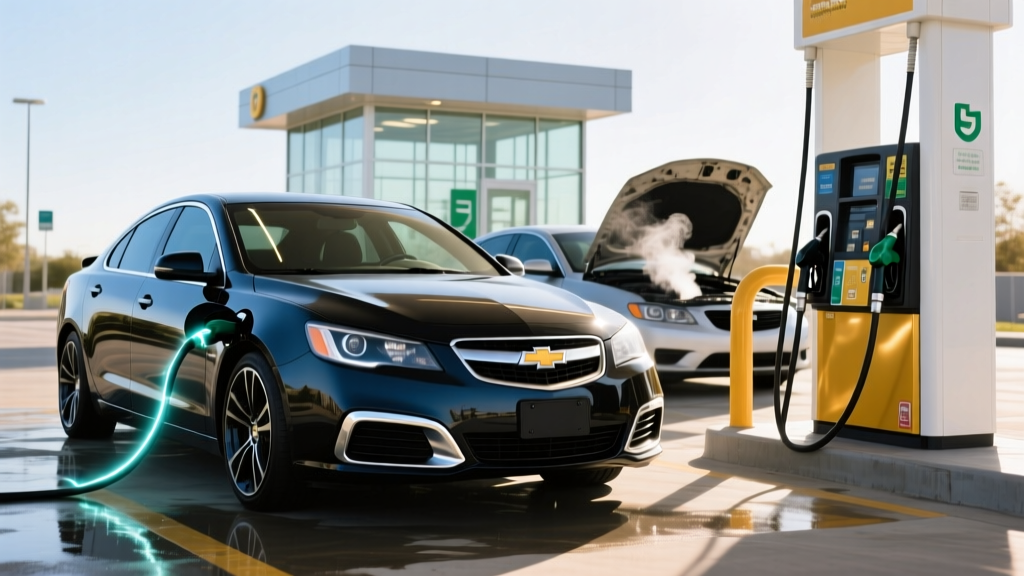
The 2004 Chevrolet Impala SS Supercharged has an EPA combined rating of 21 MPG. With a 17.5-gallon tank, a fill-up at $3.40/gallon (2026 national average for regular unleaded) costs roughly $59.50 and delivers approximately 367 miles of range — that's $0.162 per mile in fuel alone.
Now compare that to EV charging scenarios. Using a typical 2026 EV with 3.5 miles per kWh efficiency (e.g., Tesla Model Y, Hyundai Ioniq 6):
| Scenario | Cost per kWh | Cost per Mile | 367-Mile "Fill-Up" Cost |
|---|---|---|---|
| Home charging (off-peak, $0.12/kWh) | $0.12 | $0.034 | $12.58 |
| Home charging (standard, $0.17/kWh) | $0.17 | $0.049 | $17.98 |
| Public Level 2 (e.g., ChargePoint, $0.28/kWh) | $0.28 | $0.080 | $29.36 |
| DC Fast Charge (Electrify America, $0.48/kWh) | $0.48 | $0.137 | $50.29 |
| 2004 Impala SS Supercharged (gas, $3.40/gal, 21 MPG) | — | $0.162 | $59.50 |
The verdict: Home-charged EVs cost 70–80% less per mile than the 2004 Impala SS Supercharged. Even exclusive DC fast charging — the most expensive EV scenario — still undercuts the Impala's fuel cost by roughly 15%. For a driver covering 12,000 miles per year, home charging at $0.12/kWh saves approximately $1,536 annually versus the Impala at $3.40/gallon.
Recommended Home EV Chargers for 2026
ChargePoint Home Flex (2nd Gen)
- Power Output: Up to 11.5 kW (48A) at 240V; adjustable down to 16A for lower-capacity panels
- Connector: NACS (J3400) native; CCS adapter available
- Cable Length: 23 feet
- Smart Features: Wi-Fi, app scheduling, energy tracking, Alexa integration, utility demand-response programs
- Price: ~$549 (charger only)
- Best For: Most homeowners wanting a reliable, utility-compatible smart charger
Emporia Level 2 EV Charger
- Power Output: Up to 11.5 kW (48A) at 240V
- Connector: J1772 (use with NACS adapter) or NACS direct
- Cable Length: 24 feet
- Smart Features: Wi-Fi, solar integration (pairs with Emporia Vue energy monitor), time-of-use scheduling
- Price: ~$399
- Best For: Budget-conscious buyers or homes with solar panels
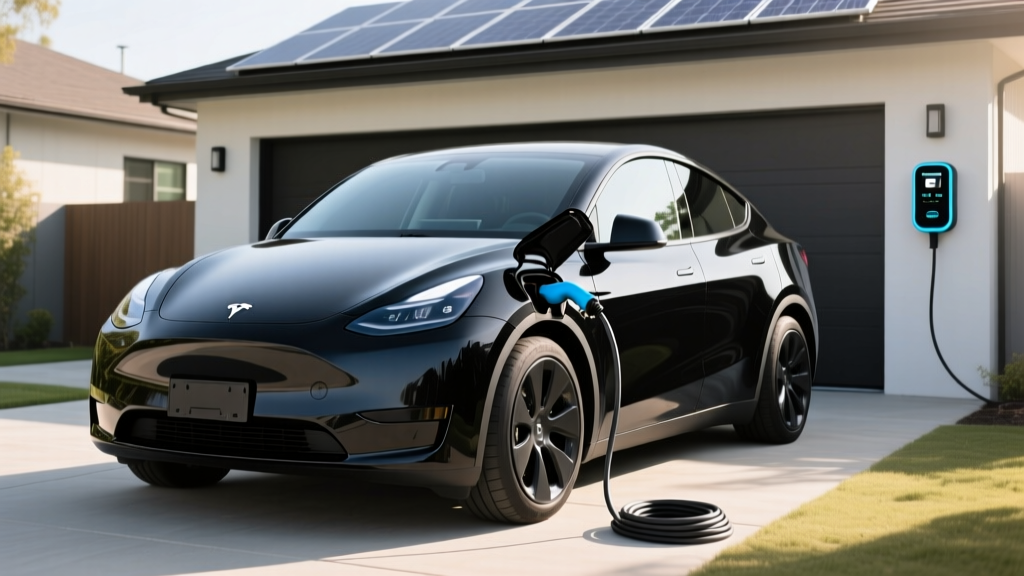
Tesla Wall Connector (Gen 4)
- Power Output: Up to 11.5 kW (48A) at 240V
- Connector: NACS native
- Cable Length: 24 feet
- Smart Features: Wi-Fi, over-the-air updates, Power Sharing (link multiple units on one circuit), vehicle integration
- Price: ~$420
- Best For: Tesla owners or households with multiple NACS-equipped EVs
Safety, Code, and Electrical Requirements
EV charger installation is governed by NEC Article 625 (National Electrical Code). Key requirements your electrician will follow:
- Dedicated Circuit: A Level 2 charger must be on its own dedicated circuit — no sharing with other appliances. A 48A charger requires a 60A breaker (NEC requires the circuit to be rated 125% of the continuous load).
- GFCI Protection: Outdoor installations require GFCI (Ground Fault Circuit Interrupter) protection. Many modern chargers have built-in GFCI, but your electrician will verify code compliance for your jurisdiction.
- Outdoor Rating: If mounting outdoors, the charger must carry a NEMA 4 (or IP65+) weather rating. All three chargers recommended above are outdoor-rated.
- Wire Gauge: A 60A circuit typically requires 6 AWG copper wire (THHN in conduit) or 4 AWG NM-B (Romex) depending on installation method and local amendments.
- Permit & Inspection: Most municipalities require an electrical permit ($50–$250) and a post-installation inspection. Skipping this can void home insurance coverage and cause issues at resale.
Frequently Asked Questions
How much does it cost to install a home EV charger?
Between $800 and $2,500 for homes with an existing 200A panel. If your home needs a panel upgrade (common in pre-1990 construction), expect $2,300–$6,500 total. Equipment alone runs $350–$750 for a quality 48A smart charger.
How fast will each charging level add range?
Level 1 (120V) adds 3–5 miles per hour. Level 2 (240V, 48A) adds 35–45 miles per hour. DC Fast Charging at 150+ kW can add 150–300+ miles in 20–30 minutes, depending on the vehicle's charge acceptance rate and battery size.
Which connector/charger is compatible with my EV?
For 2025–2026 model-year vehicles, most manufacturers have switched to NACS (J3400). If your EV has a CCS1 port, you'll need a CCS-to-NACS adapter ($200–$250) to use Tesla Superchargers. CHAdeMO (Nissan Leaf) has minimal public infrastructure support in 2026.
How much does charging cost per mile vs gas?
Home charging at $0.12/kWh costs roughly $0.034 per mile for a 3.5 mi/kWh EV — about 79% less than the 2004 Chevrolet Impala SS Supercharged at $0.162 per mile (21 MPG combined, $3.40/gallon). Even expensive DC fast charging at $0.48/kWh ($0.137/mile) undercuts the Impala.
What electrical upgrades might I need?
The most common upgrade is a 200A panel replacement ($1,500–$4,000) for older homes with 100A service. You may also need a new conduit run from the panel to the garage ($5–$15 per foot), a sub-panel for detached garages, or utility service entrance upgrades if total home load exceeds the utility transformer capacity. A licensed electrician will perform a load calculation per NEC Article 220 before recommending work.
Can I charge my EV from a standard 120V outlet?
Yes, but Level 1 charging at 1.0–1.4 kW adds only 3–5 miles of range per hour — adequate for plug-in hybrids or emergency use, but impractical for daily BEV charging. A full charge of a 75 kWh battery would take 55–75 hours.