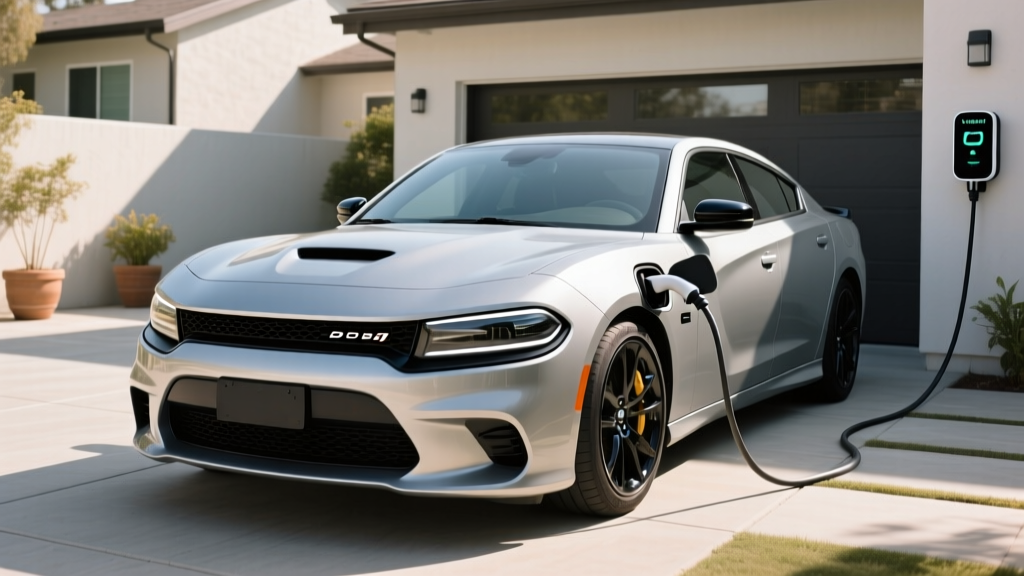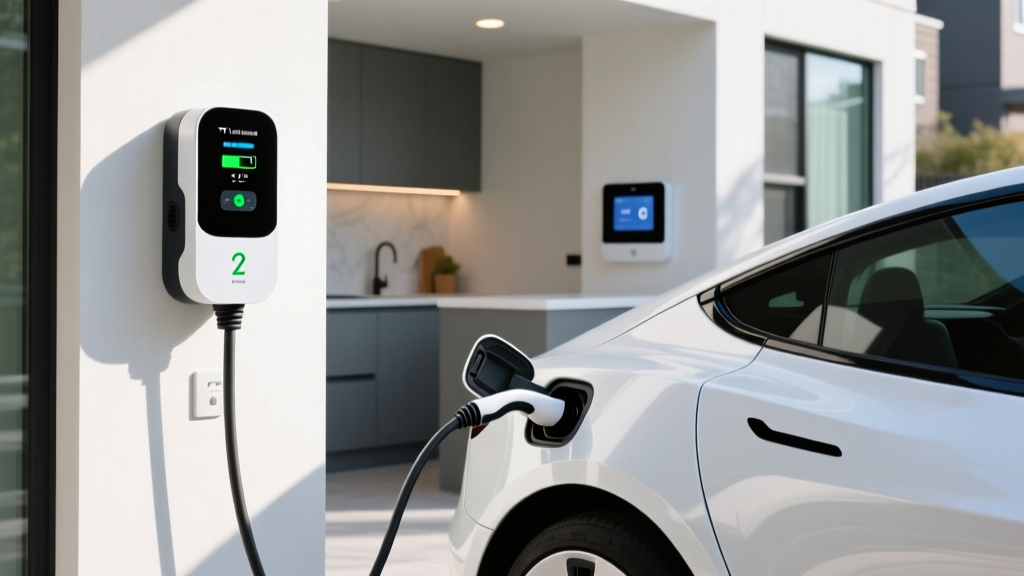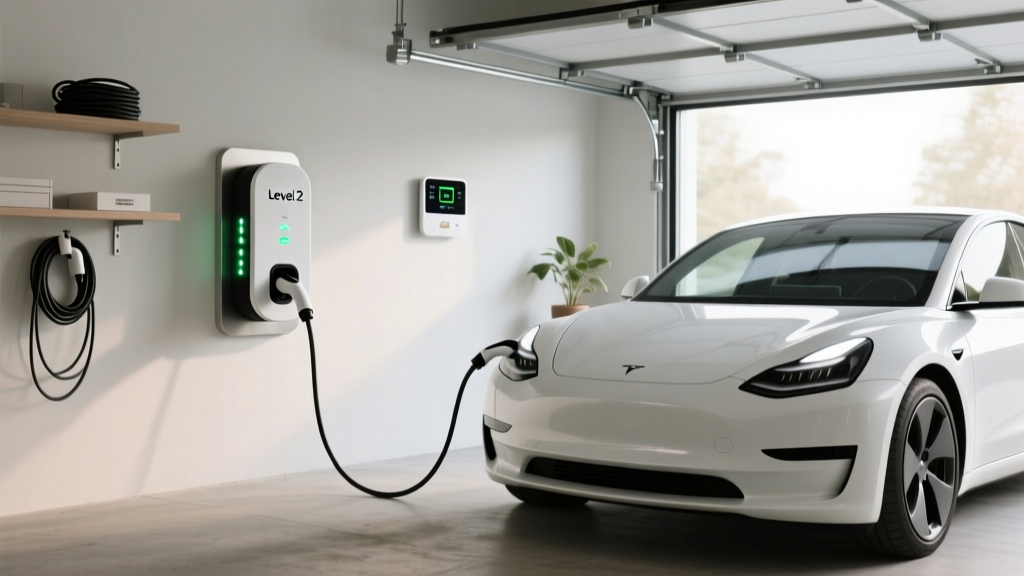
San Diego’s sunny climate, eco-conscious culture, and expansive highway system make it one of the top cities in the country for electric vehicle (EV) ownership. However, bringing your EV home requires a reliable, safe, and efficient charging setup. If you are wondering about the EV charger installation San Diego cost, you are not alone. Pricing can vary wildly based on your home’s existing electrical infrastructure, the type of charger you select, and local permitting requirements.
Difficulty Level: Moderate to High (Requires advanced electrical knowledge, load calculations, and adherence to strict local codes).
Estimated Cost: $500 to $3,500+ (This includes the charger unit, materials, labor, and potential electrical panel upgrades).
In this comprehensive guide, we will break down everything San Diego homeowners need to know about installing a Level 2 home EV charger. From navigating the City of San Diego Development Services Department (DSD) permits to understanding SDG&E time-of-use rates, we have you covered. For a broader overview of setting up your garage, be sure to check out our guide on home EV charging basics.
Electrical Requirements for San Diego Homes
Before you can calculate the exact EV charger installation San Diego cost, you must understand the electrical requirements of a Level 2 charging system. Level 2 chargers operate on a 240-volt circuit, similar to what your electric dryer or oven uses. According to the Department of Energy, a Level 2 charger can add anywhere from 14 to 35 miles of range per hour of charging, making it the gold standard for residential setups.
1. Panel Capacity and Load Calculations
Most modern San Diego homes have either a 100-amp or 200-amp main electrical panel. The National Electrical Code (NEC) requires that a continuous load (like an EV charger) must not exceed 80% of the circuit’s rated capacity. For example, a 50-amp circuit can only safely deliver 40 amps of continuous power to your vehicle. If your home’s total calculated load is already near the panel’s maximum capacity, adding a 40-amp EV circuit could trip your main breaker or create a fire hazard, necessitating a costly panel upgrade.
2. Hardwired vs. Plug-In (NEMA 14-50)
You have two primary installation options. A plug-in setup utilizes a NEMA 14-50 receptacle, offering the flexibility to unplug the charger and take it with you if you move. However, the latest NEC guidelines require GFCI (Ground Fault Circuit Interrupter) protection for all 240V receptacles, which can lead to nuisance tripping with certain EV chargers. Hardwired installations bypass the receptacle, connecting the charger directly to the breaker panel. Hardwiring is generally safer, allows for higher amperage (up to 60 or 80 amps), and avoids the GFCI receptacle requirement, as many modern chargers have built-in GFCI protection.
Step-by-Step EV Charger Installation Process
Understanding the physical installation process helps demystify the labor costs associated with your project. Here is what a professional installation looks like in a typical San Diego home:
- Step 1: Site Assessment & Routing. The electrician evaluates the garage or driveway to determine the optimal location for the charger. They will plan the conduit route from the main panel to the charging location, considering San Diego’s common stucco exteriors and concrete slab foundations.
- Step 2: Panel Evaluation. The electrician performs an NEC Article 220 load calculation to ensure your main breaker can handle the additional 40 to 60 amps. If your home is older (common in neighborhoods like North Park or Point Loma), you may need a service upgrade.
- Step 3: Running Conduit & Wiring. For outdoor installations or garages with exposed walls, the electrician will mount PVC or EMT metal conduit. They will pull the appropriate gauge copper wire (typically 6 AWG for 50A circuits or 4 AWG for 60A circuits) through the conduit.
- Step 4: Mounting & Connection. The charger unit is mounted securely to the wall studs. The wiring is terminated at the charger’s internal junction box or plugged into the newly installed NEMA 14-50 outlet.
- Step 5: Testing & Commissioning. The electrician will test the voltage, verify the grounding, and initiate a test charge with your vehicle to ensure the system communicates correctly and draws the proper amperage.
Navigating San Diego Permits & Inspections
One of the most critical factors influencing the EV charger installation San Diego cost is the permitting process. The City of San Diego, along with surrounding municipalities like Chula Vista, Carlsbad, and Oceanside, strictly enforces electrical codes to ensure public safety.
Why Permits Matter
Skipping a permit might save you a few hundred dollars upfront, but it is a massive risk. Unpermitted electrical work can void your homeowner’s insurance policy in the event of an electrical fire. Furthermore, when you eventually sell your home, unpermitted EV charger installations can cause major hurdles during the buyer’s home inspection and appraisal process.
The Permitting Process
For standard residential installations, San Diego offers an “Express Permit” process for minor electrical work, which can be obtained over the counter or online relatively quickly. However, if your installation requires a main panel upgrade, trenching across a long driveway, or complex structural modifications, you may need a full plan check. Permit fees in San Diego County typically range from $150 to $350, depending on the valuation of the electrical work.
Once the installation is complete, a city inspector will visit your home to verify that the wire gauge, conduit fill, breaker sizing, and physical mounting all comply with the current NEC and local amendments. For a deeper dive into the legalities of installation, read our comprehensive EV charger permit guide.
DIY vs. Professional Installation: What San Diegans Need to Know
Given the high cost of labor in Southern California, many homeowners are tempted to tackle EV charger installation as a DIY project. While changing a light fixture might be a weekend DIY task, installing a 240V, high-amperage continuous load circuit is fundamentally different.
The Risks of DIY Installation
Working with 240 volts carries a severe risk of arc flash, electrocution, and fatal injury. Beyond personal safety, improper torque on terminal lugs or using undersized wiring can cause slow-melting connections inside your walls, leading to catastrophic electrical fires. Additionally, almost all major EV charger manufacturers will void their multi-year warranties if the unit is not installed by a licensed, certified electrician.
Hiring a Professional
In California, you must hire a contractor holding a valid C-10 Electrical license. A professional San Diego EV electrician will carry the proper liability insurance, secure the necessary city permits, and ensure your system passes inspection. While professional labor will add $500 to $1,500 to your total EV charger installation San Diego cost, it guarantees peace of mind, protects your home, and ensures your vehicle charges at maximum efficiency.
Detailed Cost Breakdown for San Diego EV Charger Installation
To help you budget accurately, here is a detailed breakdown of the potential costs associated with installing a Level 2 EV charger in the San Diego area.
1. The EV Charger Unit ($300 - $700)
The cost of the hardware itself varies based on smart features, cable length, and amperage. We highly recommend reviewing our list of the best Level 2 EV chargers to find a model that fits your specific vehicle and budget. Popular models like the ChargePoint Home Flex or Emporia Vue typically fall in the $400 to $600 range.
2. Standard Installation Labor & Materials ($500 - $1,500)
If your electrical panel is located in the garage, right behind where you want the charger mounted, the installation is considered “standard.” This covers the cost of a new 240V double-pole breaker, 30-50 feet of copper wire, PVC conduit, and the electrician’s labor. If the panel is on the opposite side of the house, or if the electrician must trench through concrete or navigate complex stucco walls, labor and material costs will push toward the higher end of this spectrum.
3. Electrical Panel Upgrade ($1,500 - $3,500+)
Many older San Diego homes, particularly those built before the 1980s, only have 100-amp panels. Upgrading to a 200-amp panel to safely accommodate an EV charger, central AC, and modern appliances is a major electrical project. This requires coordination with SDG&E to temporarily disconnect power and replace the main service mast and meter base.
4. Permit & Inspection Fees ($150 - $350)
As mentioned, local municipalities charge fees based on the scope of work. This is a non-negotiable cost for a legal, insured installation.
Utility Rates: SDG&E Time-of-Use (TOU)
While not an installation cost, your ongoing charging costs are a vital part of the financial equation. San Diego Gas & Electric (SDG&E) offers specific SDG&E EV rate plans (such as the EV-TOU-5 plan). These plans offer drastically reduced “super off-peak” rates for charging late at night (typically between midnight and 6 AM), but charge premium rates during peak evening hours. Programming your smart charger to only draw power during off-peak windows is essential to keeping your monthly utility bills manageable in San Diego’s high-tier electricity market.
Essential Safety Tips & Best Practices
San Diego’s unique microclimates require specific safety considerations when installing outdoor or exposed EV charging equipment.
- Coastal Salt Air Protection: If you live in coastal areas like La Jolla, Pacific Beach, or Coronado, the salty marine layer can rapidly corrode standard electrical components. Ensure your outdoor charger is rated NEMA 4 (watertight and resistant to blowing salt spray) and that all conduit fittings are made of corrosion-resistant materials like PVC or coated aluminum.
- Inland Heat Considerations: For East County residents in areas like El Cajon or Santee, summer temperatures can exceed 100°F. Ensure your charger is mounted in a shaded area or under a protective carport to prevent the internal thermal management systems from throttling charging speeds to prevent overheating.
- Cable Management: Heavy 240V charging cables can become stiff and cumbersome. Invest in a proper cable management system or holster to keep the cord off the garage floor, preventing tripping hazards and protecting the cable from being run over by vehicle tires.
- Smoke & CO Detectors: While EVs do not emit carbon monoxide, the NEC requires that any room housing major electrical charging equipment be equipped with functioning smoke detectors. Ensure your garage is up to code with interconnected fire safety alarms.
Troubleshooting Common Installation & Charging Issues
Even after a flawless installation, San Diego EV owners occasionally run into operational hiccups. Here is how to troubleshoot the most common issues:
Breaker Tripping Immediately
If the breaker trips the moment you plug in, you likely have a ground fault or a short circuit. This can happen if moisture has entered an outdoor NEMA 14-50 receptacle. Turn off the breaker, inspect the outlet for debris or water intrusion, and contact your electrician to test the circuit’s insulation resistance.
Charger Not Communicating with the EV Sometimes the charger and the vehicle fail to establish a “handshake.” This is often caused by a ground loop issue or a faulty pilot signal wire inside the charger. Try performing a hard reset by turning off the dedicated EV breaker at the panel for 60 seconds, then flipping it back on.
Wi-Fi Connectivity Issues in the Garage
Many smart chargers require a 2.4GHz Wi-Fi connection to schedule off-peak charging via SDG&E’s TOU rates. Garages, especially those surrounded by concrete block or stucco with wire mesh, act as Faraday cages, blocking router signals. Installing a simple Wi-Fi mesh extender node in the hallway leading to the garage usually resolves this issue instantly.
Slower Than Expected Charging Speeds
If your 48-amp charger is only pulling 32 amps, check your vehicle’s internal settings. Many EVs allow you to manually cap the charging amperage in the infotainment menu to preserve battery health or accommodate weaker grids. Ensure the vehicle is set to accept the maximum available current.
Frequently Asked Questions
Do I need a permit to install an EV charger in San Diego?
Yes. The City of San Diego and all surrounding county municipalities require an electrical permit for the installation of a new 240V circuit or a hardwired EV charging station. This ensures the work meets the latest National Electrical Code safety standards and protects your home from fire hazards. Your licensed electrician will typically pull this permit on your behalf as part of the total installation service.
How much will my SDG&E bill increase with a Level 2 charger?
The exact increase depends on your vehicle’s battery size, your daily commute, and the rate plan you select. If you remain on a standard residential tiered rate plan, charging an EV can push you into the highest, most expensive pricing tiers, potentially adding $150 to $300 to your monthly bill. However, by switching to an SDG&E EV Time-of-Use (TOU) plan and scheduling your charging strictly during super off-peak hours (usually midnight to 6 AM), you can charge your vehicle for the equivalent of $1.00 to $1.50 per gallon of gasoline, adding a much more manageable $40 to $80 to your monthly bill.
Can I install an EV charger if I live in a San Diego condo or HOA?
California law (Civil Code Section 4745) strongly protects a homeowner’s right to install an EV charging station in their designated parking space, even within an HOA or condo association. However, you must still submit an architectural review application to your HOA board, comply with reasonable aesthetic and safety guidelines, and agree to cover all costs for installation, electricity usage, and any necessary property insurance endorsements. If you share a communal garage, the HOA may require the installation of a sub-meter to bill you accurately for your specific electricity consumption.
Are there any local rebates for EV charger installation in San Diego?
Rebate programs fluctuate based on state funding and utility budgets. Historically, SDG&E and the California Energy Commission have offered rebates for residential EV charger hardware and installation, particularly for residents living in multi-family dwellings or disadvantaged communities. Additionally, there is a federal tax credit available for alternative fuel vehicle refueling property, which can cover a percentage of the hardware and installation costs up to a specific cap. Always consult with a tax professional and check the official SDG&E and California Air Resources Board (CARB) websites for the most current rebate availability before purchasing your equipment.
How long does a standard home EV charger installation take?
A standard, straightforward installation where the electrical panel is located inside the garage, on the same wall or directly behind the desired charger location, typically takes between 2 to 4 hours. If the project requires trenching through a concrete driveway, running long conduit lines through an attic or crawlspace, or upgrading the main electrical service panel, the physical installation can take anywhere from one to three full days. Factoring in the time required for city permit approval and SDG&E coordination (if a panel upgrade is needed), the entire process from hiring an electrician to your first charge usually takes two to four weeks.