EV Charger Installation Cost in Melbourne: Your Complete Guide
Making the switch to an electric vehicle is one of the smartest moves you can make for your wallet and the environment. But once you've got your EV parked in the driveway, one critical question remains: how much will it cost to install a proper charger at your Melbourne home? The answer varies significantly depending on your electrical setup, the type of charger you choose, and whether your property needs upgrades to handle the additional load.
In this comprehensive guide, we break down every aspect of EV charger installation costs in Melbourne so you can budget confidently and avoid unpleasant surprises. Whether you're considering a simple Level 1 setup or a full Level 2 fast-charging station, we've got you covered.
Difficulty Level: Moderate to Advanced (professional installation strongly recommended)
Estimated Total Cost: $1,500 – $5,500 AUD (charger unit + professional installation)
Time Required: 2–6 hours for standard installation; up to 2 days if electrical upgrades are needed
Permits Required: Yes — a licensed electrician must issue a Certificate of Electrical Safety
Understanding EV Charger Requirements for Melbourne Homes
Before you start shopping for chargers or calling electricians, it's essential to understand what your Melbourne property needs to support an electric vehicle charging station. Australia's electrical standards and Melbourne's specific infrastructure characteristics play a major role in determining both feasibility and cost.
Electrical Supply Considerations
Most Melbourne homes operate on a single-phase 230V electrical supply, which is perfectly adequate for Level 1 and many Level 2 chargers. However, if you're considering a high-powered Level 2 charger (7kW or above), you may need to verify that your home's electrical panel has sufficient capacity. Older Melbourne properties, particularly those built before the 1980s, often have 40-amp or 63-amp main switches that may require upgrading.
Homes with three-phase power (400V) have more flexibility and can support the fastest residential chargers available, including 22kW units. According to the U.S. Department of Energy's Electric Vehicle Infrastructure guidelines, which align closely with international best practices, a dedicated circuit is essential for safe and efficient EV charging — and this principle is equally applicable under Australian Standards AS/NZS 3000.
Charger Types Available in Melbourne
Level 1 (Standard Outlet): Uses a standard 10A or 15A household outlet. Provides approximately 10–20 km of range per hour of charging. No special installation is required beyond ensuring the outlet is on a dedicated circuit and in good condition. This is the most affordable option but also the slowest.
Level 2 (Dedicated Wall Unit): Requires a dedicated 20A–40A circuit, hardwired or connected via an industrial outlet. Delivers 40–120 km of range per hour depending on the unit's power rating. This is the most popular choice for Melbourne homeowners and offers the best balance of speed and cost. Explore our best home EV chargers guide for top-rated options available in Australia.
DC Fast Chargers (Level 3): While technically available for residential installation, DC fast chargers are prohibitively expensive for most homeowners ($25,000–$80,000+) and require three-phase power with significant infrastructure upgrades. These are typically reserved for commercial installations.
Location and Mounting Requirements
Your charger's location affects both installation cost and daily convenience. Most Melbourne homeowners install their EV charger in the garage or on an exterior wall near where they park. Key considerations include:
- Proximity to the electrical switchboard — longer cable runs increase material and labour costs
- Weather protection — while many chargers carry IP65 or higher ratings, a sheltered location extends the unit's lifespan
- Cable management — consider where the charging cable will route from the unit to your vehicle's charge port
- Wi-Fi connectivity — smart chargers need a reliable signal for app-based monitoring and scheduling
Step-by-Step EV Charger Installation Process
Understanding the installation process helps you prepare your property and set realistic expectations for timeline and cost. Here's what a professional EV charger installation typically involves in Melbourne.
Step 1: Site Assessment and Electrical Audit
A licensed electrician will visit your property to evaluate your switchboard capacity, existing wiring condition, and the most practical location for the charger. They'll calculate the available amperage on your main panel and determine whether an upgrade is necessary. This assessment typically costs $150–$300, though many electricians waive this fee if you proceed with the installation.
Step 2: Charger Selection and Procurement
Based on the assessment, your electrician or EV consultant will recommend suitable charger models. Factors include your vehicle's maximum charge acceptance rate, your electrical capacity, and your budget. Popular choices among Melbourne EV owners include the Wallbox Pulsar Plus, Tesla Wall Connector, and Zappi V2. Read our detailed Wallbox Pulsar Plus review for an in-depth look at one of Australia's most popular units.
Step 3: Electrical Preparations
If your switchboard requires upgrades, this work is completed before the charger installation. Common preparatory work includes:
- Installing a new dedicated circuit breaker (typically 20A–40A)
- Upgrading the main switch or switchboard if capacity is insufficient
- Running new conduit and cabling from the switchboard to the charger location
- Installing an isolation switch as required by Australian Standards
Step 4: Charger Mounting and Wiring
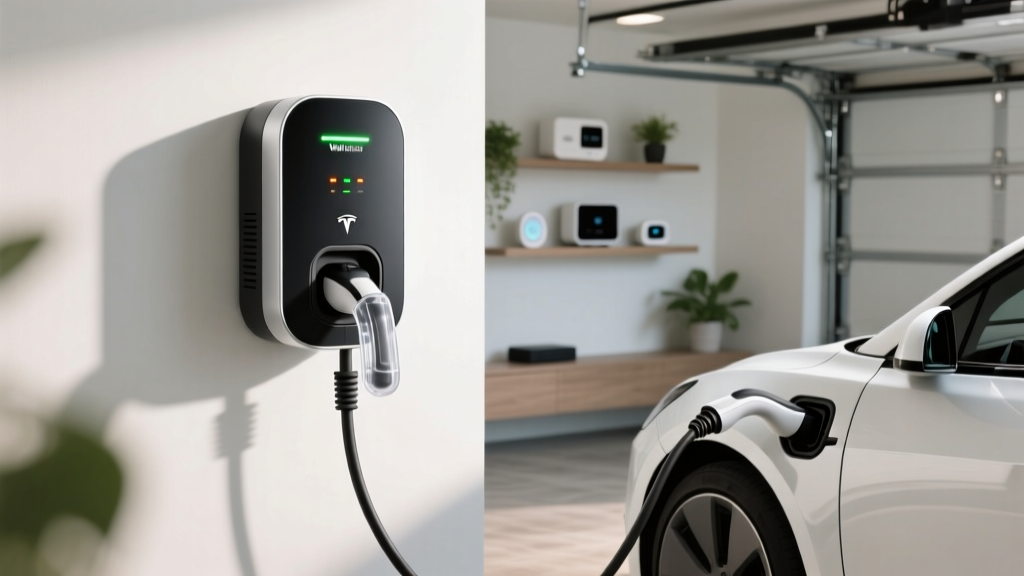
The charger unit is mounted to the wall using the manufacturer's bracket system, then hardwired to the dedicated circuit. Your electrician will ensure all connections meet AS/NZS 3000 wiring rules, including proper earthing, cable sizing, and circuit protection. The National Electrical Code (NEC) Article 625 provides comprehensive guidelines for EV charging installations that inform best practices globally, including appropriate conductor sizing and overcurrent protection.
Step 5: Testing and Commissioning
Once installed, the electrician performs thorough testing including insulation resistance tests, earth continuity checks, and functional testing with your vehicle. They'll configure any smart charging features, set up app connectivity, and program charging schedules if applicable. You'll receive a Certificate of Electrical Safety (COES), which is a legal requirement in Victoria for all electrical installation work.
Permits, Inspections, and Regulatory Compliance in Melbourne
Navigating Melbourne's regulatory landscape for EV charger installation is straightforward when you work with a licensed professional, but it's important to understand what's required so you can verify compliance.
Certificate of Electrical Safety (COES)
In Victoria, any electrical installation work — including EV charger installation — must be performed or supervised by a licensed electrician registered with Energy Safe Victoria (ESV). Upon completion, the electrician must issue a Certificate of Electrical Safety. This document confirms the work complies with AS/NZS 3000 (the Wiring Rules) and is essential for insurance purposes and future property sales.
Building Permits
For standard residential EV charger installations, a separate building permit is generally not required in Melbourne. However, if the installation involves structural modifications — such as running cables through heritage-listed walls or installing a freestanding charging pedestal — you may need to consult your local council. Properties in heritage overlay zones have additional restrictions that can affect where and how chargers are mounted.
Body Corporate and Strata Considerations
If you live in an apartment or townhouse complex with shared property, you'll likely need body corporate approval before installing an EV charger. This process typically involves submitting a proposal detailing the installation plan, electrical specifications, and how common-property infrastructure will be affected. Some newer Melbourne developments are pre-wired for EV charging, which significantly simplifies and reduces costs for individual unit owners.
Grid Connection Requirements
For most residential installations under 7kW, no special approval from your distribution network service provider (such as CitiPower, Jemena, or United Energy) is required. However, installations exceeding 7kW single-phase or any three-phase charger may require notification or approval from your local distributor. Your electrician will typically handle this process on your behalf.
DIY vs. Professional Installation: What You Need to Know
The question of whether to install an EV charger yourself comes up frequently in Melbourne EV communities. While the DIY approach can save money on labour, it carries significant risks and legal implications that every homeowner should understand.
What You Can Legally Do Yourself
In Victoria, electrical regulations are strict. As a homeowner, you are legally permitted to perform only very limited electrical work — essentially replacing like-for-like accessories such as light switches and power points. Installing a new dedicated circuit, running new cabling, or hardwiring an EV charger is not legal DIY work and must be performed by a licensed electrician.
If you purchase a plug-and-play Level 1 charger that connects to an existing power outlet, no electrical work is required. However, you should still have the outlet inspected by an electrician to ensure it's on a dedicated circuit and rated appropriately for continuous high-draw usage. Continuous charging loads place significantly more stress on outlets and wiring than typical household appliances.
Risks of Unlicensed Installation
Beyond the legal penalties — which can include fines of up to $40,000 for unlicensed electrical work in Victoria — the risks of improper installation are serious:
- Fire hazard: Undersized cables, poor connections, and inadequate circuit protection are leading causes of electrical fires. EV chargers draw sustained high current for hours, exposing any installation weaknesses.
- Insurance invalidation: If an electrical fire occurs and the investigation reveals unlicensed work, your home insurance claim may be denied entirely.
- Voided charger warranty: Most EV charger manufacturers, as detailed in their installation documentation, explicitly state that warranty coverage is void unless the unit is installed by a qualified and licensed electrician.
- Property sale complications: Unpermitted electrical work can surface during pre-sale inspections, potentially derailing property transactions or reducing sale prices.
Benefits of Professional Installation
A licensed Melbourne electrician brings expertise that extends far beyond simply connecting wires. They ensure your installation is safe, compliant, optimised for performance, and covered by warranty. Many also offer ongoing maintenance services and can advise on future upgrades such as solar integration or battery storage systems. For a comprehensive comparison of charging solutions, check out our complete EV charging guide.
Complete Cost Breakdown: EV Charger Installation in Melbourne
Here's where we get into the numbers. The following breakdown reflects typical Melbourne market rates and covers every cost component you're likely to encounter.
Charger Unit Costs
| Charger Type | Power Rating | Price Range (AUD) |
|---|---|---|
| Level 1 (Portable) | 2.3kW (10A) | $300 – $800 |
| Level 2 (Basic Wall Unit) | 3.7kW – 7.4kW | $800 – $2,000 |
| Level 2 (Smart/Premium) | 7.4kW – 22kW | $1,500 – $3,500 |
| Solar-Integrated Smart Charger | 7.4kW | $1,800 – $3,000 |
Installation Labour Costs
Melbourne electricians typically charge between $80 and $130 per hour for EV charger installations. The total labour cost depends on the complexity of the job:
- Simple installation (charger near switchboard, no upgrades): $400 – $800
- Standard installation (moderate cable run, new circuit breaker): $800 – $1,500
- Complex installation (long cable run, conduit work, switchboard upgrade): $1,500 – $3,000
Electrical Upgrade Costs
If your property requires electrical upgrades to support an EV charger, these additional costs apply:
- Switchboard upgrade (old ceramic fuses to modern RCBOs): $1,500 – $3,500
- Main switch upgrade (increasing amperage capacity): $800 – $2,000
- Three-phase connection (new supply from distributor): $3,000 – $8,000+
- Additional circuit breaker installation: $150 – $350
- Isolation switch: $100 – $250
Total Estimated Costs by Scenario
Scenario 1 — Budget Installation: Level 1 portable charger with outlet inspection. Total: $400 – $1,100
Scenario 2 — Standard Home Installation: Level 2 smart charger (7.4kW) with standard professional installation, no upgrades needed. Total: $2,000 – $3,500
Scenario 3 — Full Premium Setup: High-end smart charger with switchboard upgrade and complex cable routing. Total: $4,000 – $6,500
Scenario 4 — Apartment/Townhouse: Level 2 charger with body corporate coordination, potential common-property cable routing. Total: $2,500 – $5,000
Available Rebates and Incentives
Various government and energy retailer programs periodically offer rebates for EV charger installations in Victoria. These can offset $500–$1,500 of your total cost. Check with your local energy retailer and the Victorian Government's sustainability programs for current offerings. Some solar panel installation companies also bundle EV charger discounts with solar or battery storage packages.
Safety Tips and Best Practices for Home EV Charging
Electric vehicle chargers draw significant current for extended periods, making safety a paramount concern. Follow these best practices to protect your home, your vehicle, and your family.
Electrical Safety Essentials
- Never use extension cords with your EV charger. Extension cords are not rated for the sustained high-current draw of EV charging and represent a serious fire risk.
- Ensure RCD protection is installed on your charger's dedicated circuit. A Type A or Type B residual current device provides critical protection against electrical shock.
- Install a dedicated circuit — never share the charger's circuit with other appliances. Continuous high-draw loads on shared circuits can cause overheating.
- Check your outlet condition regularly if using a plug-in charger. Discolouration, warmth, or a burning smell indicates a dangerous condition requiring immediate attention.
Weatherproofing and Environmental Protection
Melbourne's variable weather means your outdoor charger needs appropriate protection. Look for chargers with a minimum IP54 rating for outdoor installations, though IP65 or higher is recommended. Consider installing a weather shield or housing if the charger is mounted in an exposed position. Ensure all cable entries and conduit connections are properly sealed against moisture ingress.
Ongoing Maintenance
While EV chargers require minimal maintenance, periodic checks help ensure continued safe operation:
- Inspect the charging cable for cuts, abrasion, or damage every few months
- Check the charger housing for cracks, moisture ingress, or insect nests
- Verify that the charging connector pins are clean and undamaged
- Have your electrician inspect the dedicated circuit and connections every 2–3 years
- Keep firmware updated on smart chargers to ensure safety features remain current
Troubleshooting Common EV Charger Installation Issues
Even with professional installation, you may encounter issues during or after your EV charger setup. Here are common problems and their solutions.
Charger Won't Power On
If your newly installed charger shows no signs of life, check the dedicated circuit breaker in your switchboard — it may have tripped. Reset it and try again. If it trips immediately, there's likely a wiring fault that your electrician needs to investigate. Also verify that the isolation switch (if installed) is in the ON position.
Charging Speed Is Slower Than Expected
Several factors can cause slow charging speeds. First, verify that your charger's power rating matches your vehicle's onboard charger capacity — a 22kW charger won't charge faster than 11kW if your car's onboard charger is limited to 11kW. Check whether your charger is configured for the correct amperage in its settings. Smart chargers may also be throttling power due to scheduled charging windows or load-balancing settings.
Wi-Fi Connectivity Problems
Smart chargers rely on Wi-Fi for app connectivity, firmware updates, and scheduling features. If your charger can't connect, try relocating your Wi-Fi router, installing a Wi-Fi extender near the charger, or switching the charger to a 2.4GHz network (many smart chargers don't support 5GHz bands). Some chargers also offer ethernet connectivity as a more reliable alternative.
Charger Trips the RCD Repeatedly
Frequent RCD tripping can indicate a DC leakage issue. Many EVs produce a small amount of DC residual current during charging, which can blind standard Type A RCDs. The solution is typically upgrading to a Type B RCD or installing a charger with built-in DC leakage detection (many modern units include this feature). Consult your electrician for the appropriate solution.
Vehicle Doesn't Recognise the Charger
If your EV doesn't begin charging when plugged in, try a different charging cable or adapter to rule out a cable fault. Check your vehicle's charging settings — some EVs have scheduled charging features that prevent immediate charging. Restart the charger by switching off its circuit breaker for 30 seconds, then back on. If the problem persists, contact the charger manufacturer's support team.
Frequently Asked Questions
How long does it take to install an EV charger at home in Melbourne?
A straightforward EV charger installation typically takes 2–4 hours from start to finish. This assumes the charger location is reasonably close to the switchboard and no electrical upgrades are required. More complex installations involving long cable runs through walls or ceilings, switchboard upgrades, or three-phase connections can take a full day or occasionally two days. Your electrician will provide a time estimate after the initial site assessment.
Do I need council approval to install an EV charger at my Melbourne property?
For most standard residential installations, no council approval or building permit is required. The work is classified as electrical installation and is governed by Energy Safe Victoria rather than local council building departments. However, if you live in a heritage-listed property or a heritage overlay zone, you may need council approval for any external modifications, including mounting a charger on an exterior wall. Apartment and townhouse owners will typically need body corporate approval rather than council approval.
Can I install an EV charger if I have solar panels?
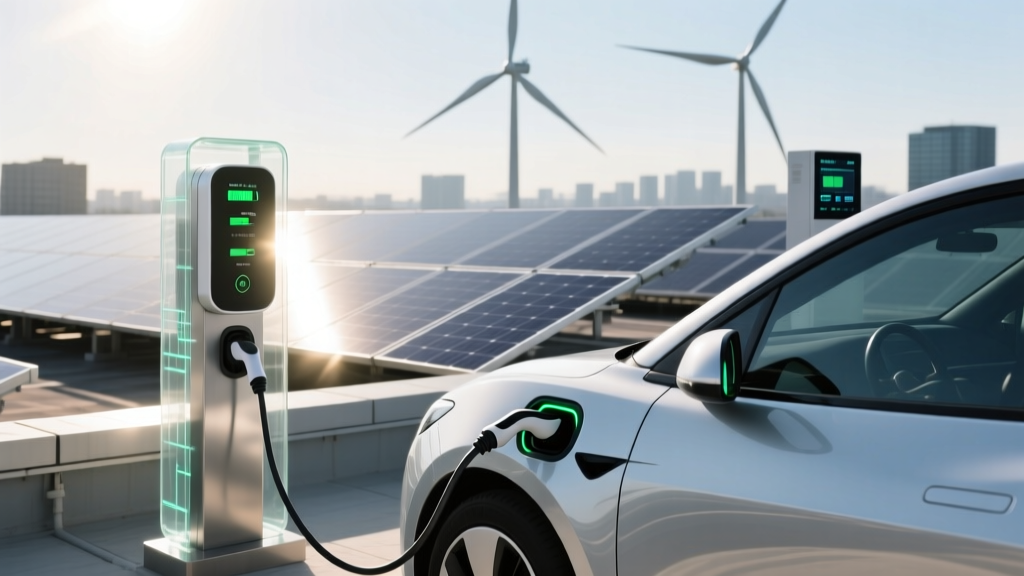
Absolutely — in fact, combining solar panels with an EV charger is one of the smartest setups available to Melbourne homeowners. Solar-integrated smart chargers like the Zappi or the Wallbox Pulsar Plus can automatically divert excess solar energy to your vehicle, essentially giving you free fuel from the sun. This setup requires no special permits beyond the standard electrical installation requirements, and your existing solar inverter is typically compatible with EV charger integration. Check our solar EV charging guide for detailed setup advice.
Will installing an EV charger increase my home insurance premiums?
In most cases, a professionally installed EV charger will not significantly affect your home insurance premiums, provided the installation is performed by a licensed electrician and a Certificate of Electrical Safety is issued. However, you should notify your insurer about the installation, as failure to disclose modifications could affect future claims. Some insurers may ask for a copy of the COES before confirming continued coverage. If your insurer does increase premiums, shopping around is recommended — many insurers now view EV chargers favourably as they indicate a well-maintained, modern property.
What is the cheapest way to charge an EV at home in Melbourne?
The cheapest approach combines a few strategies. First, install a smart charger that supports off-peak scheduling — Melbourne's off-peak electricity rates can be 40–60% cheaper than peak rates, typically running between 10pm and 7am. Second, if you have solar panels, use a solar-diverting charger to maximise free renewable energy. Third, compare electricity plans — some Melbourne retailers offer specific EV charging plans with discounted overnight rates. Finally, a Level 2 charger is more energy-efficient than a Level 1 charger because it completes charging cycles faster, reducing standby losses. For more money-saving tips, visit our EV charging tips and tricks guide.
Final Thoughts
Installing an EV charger at your Melbourne home is a worthwhile investment that pays dividends every time you drive past a petrol station. While the upfront cost of $2,000–$3,500 for a typical Level 2 installation may seem significant, the savings on fuel costs typically recoup the investment within one to two years of regular driving.
The key to a successful installation is working with a licensed, experienced Melbourne electrician who understands EV charging requirements. Don't cut corners on electrical safety — the risks of unlicensed work far outweigh any short-term savings. Get multiple quotes, ask about warranties on both the charger unit and the installation workmanship, and ensure you receive your Certificate of Electrical Safety.
Whether you're driving a Tesla, BYD, MG, Hyundai, or any other electric vehicle, having a reliable home charging setup transforms the EV ownership experience from occasionally inconvenient to effortlessly convenient. Browse our EV charger reviews to find the perfect unit for your needs, and take the first step towards effortless home charging today.