EV Charger Installation Cost in Canberra: Complete Guide & Pricing
As electric vehicle adoption accelerates across the Australian Capital Territory, understanding the true EV charger installation cost in Canberra is essential for new and prospective EV owners. Transitioning to an electric vehicle offers incredible environmental and financial benefits, but setting up a reliable home charging station requires careful planning, adherence to local regulations, and a clear budget. Whether you live in a heritage home in Inner North or a modern build in Gungahlin, the electrical infrastructure of your property will dictate the complexity and final price of your installation.
Difficulty Level: Professional Required (Hardwired installations are strictly regulated in Australia).
Estimated Cost Range: $1,500 to $3,500+ AUD (including charger unit, labor, and potential switchboard upgrades).
In this comprehensive guide, we break down everything you need to know about home charging setup, from local ACT compliance and switchboard upgrades to step-by-step installation processes. If you are still deciding on which hardware to buy, be sure to check out our roundup of the best EV chargers on the market before booking your electrician.
Understanding the Requirements for EV Charger Installation in Canberra
Before drilling holes or running cables, it is crucial to assess your home’s electrical capacity. Canberra’s residential grid, managed by Evoenergy, generally supplies homes with either single-phase (230V) or three-phase (400V) power. Most standard Level 2 home chargers draw between 7kW and 22kW of power, which translates to 32 amps per phase.
Single-Phase vs. Three-Phase Power
The majority of older Canberra suburbs are equipped with single-phase power. A single-phase setup is perfectly adequate for a 7kW charger, which will fully charge most modern EVs overnight. However, if you own a vehicle with a massive battery capacity or want the flexibility of 22kW charging speeds, you will need a three-phase connection. Upgrading from single to three-phase involves coordination with Evoenergy and can significantly increase your overall installation cost.
Switchboard Capacity & Compliance
Under the Clean Energy Council guidelines and Australian Standards (AS/NZS 3000), your home’s switchboard must have enough spare capacity to handle the continuous high-draw load of an EV charger. Older homes with ceramic fuse boxes or outdated circuit breakers will almost certainly require a full switchboard upgrade to accommodate modern RCBOs (Residual Current Breaker with Overcurrent protection). For a deeper dive into electrical prerequisites, read our EV charging basics guide.
Step-by-Step Installation Process
A professional EV charger installation is not simply a matter of plugging a device into a wall. It is a calculated electrical project that ensures your home remains safe from thermal overload. Here is the standard workflow a licensed Canberra electrician will follow:
- 1. Site Assessment & Load Calculation: The electrician will evaluate your main switchboard, calculate the maximum demand of your household appliances, and determine if a dedicated circuit can be safely added without overloading the main service fuse.
- 2. Cable Routing & Conduit Installation: Heavy-duty cabling (typically 6mm² or 10mm² copper, depending on the distance from the switchboard) must be run to your garage or carport. In Canberra, where UV exposure and temperature fluctuations are high, cables must be protected by UV-stabilized PVC or metal conduit.
- 3. Mounting the EVSE: The Electric Vehicle Supply Equipment (EVSE) is securely mounted to brick, concrete, or weatherboard. Installers must ensure the mounting height complies with manufacturer specifications to prevent cable strain and water ingress.
- 4. Termination & Circuit Protection: The dedicated circuit is wired back to the switchboard with a dedicated Type A or Type F RCBO. This ensures that any DC leakage from the vehicle’s onboard charger does not blind standard household safety switches.
- 5. Commissioning & Smart Setup: Once powered on, the electrician will test the earth loop impedance, verify the voltage drop, and connect the charger to your home Wi-Fi network for firmware updates and load management configuration.
Permits, Inspections, and ACT Regulations
In the Australian Capital Territory, electrical safety is strictly enforced. You cannot bypass the legal requirements when installing high-draw electrical equipment. According to Access Canberra and local electrical safety laws, any hardwired electrical work must be performed by a licensed electrician and followed by the issuance of an Electrical Safety Certificate (ESC).
The ESC is your legal guarantee that the installation complies with the AS/NZS 3000 Wiring Rules. Without this certificate, you risk voiding your home insurance policy and the manufacturer’s warranty on the EV charger. Furthermore, if you plan to utilize any local ACT government sustainable energy rebates or incentives for EV infrastructure, the ESC is a mandatory piece of documentation required to prove compliance.
While some plug-and-play 10A or 15A portable chargers do not require an electrician, relying on standard household power points for daily EV charging is highly discouraged. Standard power points are not rated for the continuous, multi-hour thermal load that EV charging demands, leading to melted sockets and severe fire hazards.
DIY vs. Professional Installation: What You Need to Know
A common question among handy homeowners is whether they can tackle an EV charger installation themselves to save on labor costs. In Australia, the answer for hardwired Level 2 chargers is a definitive no.
The Dangers of DIY Electrical Work
EV chargers draw maximum current continuously for 6 to 10 hours. This creates significant heat within the wiring and connections. If a DIY termination is loose, or if the wrong gauge of cable is used, the resulting resistance can cause a thermal runaway event, leading to an electrical fire. Furthermore, modern EV chargers often feature built-in DC leakage detection, which requires specific types of RCDs to be installed in the switchboard. Misinterpreting Australian Standards regarding RCD selection is a common and dangerous mistake.
The Value of a Licensed ‘Sparky’
Hiring a licensed, EV-certified electrician in Canberra ensures that your installation is legally compliant, safe, and optimized for your specific vehicle. Professional installers also carry the necessary insurance to cover any accidental damage to your property during the drilling and wiring phases. For a complete overview of preparing your garage, visit our home charging setup guide.
Detailed Cost Breakdown for Canberra Residents
The total EV charger installation cost in Canberra varies wildly based on the age of your home, the distance between your switchboard and the charging location, and the brand of charger you select. Below is a realistic breakdown of what you can expect to pay in the current market.
1. The EV Charger Unit ($800 – $2,500)
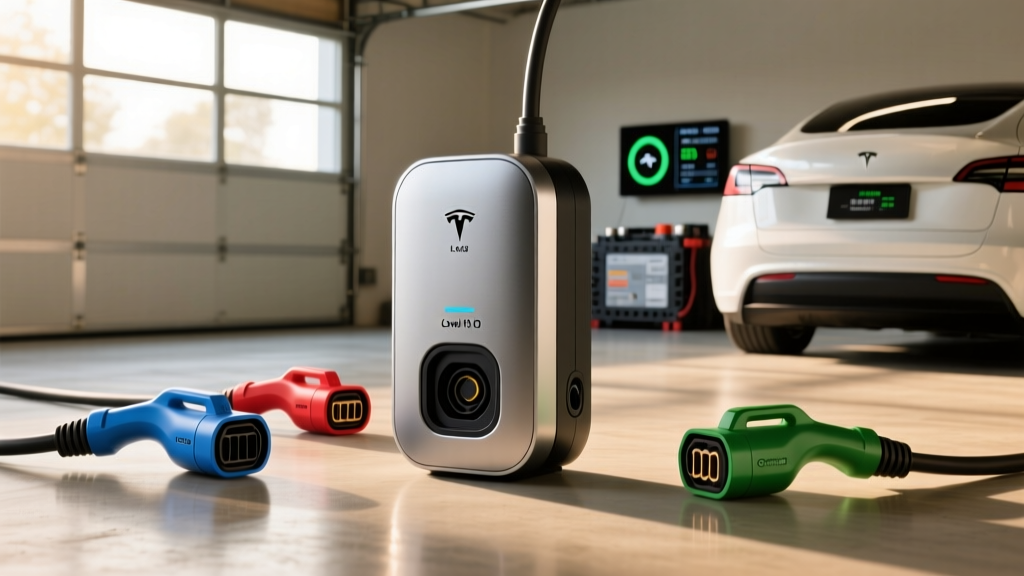
The hardware itself is your first major expense. Basic, non-smart chargers start around $800, while premium, Wi-Fi-enabled units with solar integration (like the Zappi or Tesla Wall Connector) range from $1,200 to $2,500. Always check manufacturer documentation to ensure the unit is rated for Canberra’s climate extremes.
2. Standard Installation Labor ($800 – $1,400)
If your switchboard is modern, located close to the garage, and requires no upgrades, a standard installation typically takes 3 to 5 hours. Canberra electricians generally charge between $120 and $160 per hour, plus the cost of cabling, conduit, and the dedicated RCBO breaker.
3. Switchboard Upgrades ($900 – $2,000)
If your home still utilizes old ceramic fuses or lacks the physical space for a new dedicated circuit, a full switchboard replacement is mandatory. This includes installing a new weatherproof enclosure, main isolator, surge protection, and modern RCBOs to meet current AS/NZS 3000 standards.
4. Three-Phase Power Upgrade ($1,500 – $3,500+)
Upgrading your home’s main supply from single-phase to three-phase requires an application to Evoenergy, the installation of a new mains cable from the street, and a new three-phase meter. This is a major infrastructure project and represents the highest tier of installation costs.
5. Additional Civil Works ($500 – $1,500)
If you need to trench across a driveway, bore through double-brick heritage walls, or install a dedicated freestanding charging pillar in an open carport, civil and structural modifications will add to the final invoice.
Essential Safety Tips and Best Practices
Canberra’s unique climate—characterized by blistering, dry summers and frosty, sub-zero winter mornings—demands specific safety considerations for outdoor electrical equipment.
- Weatherproofing & IP Ratings: Ensure your chosen EVSE has a minimum rating of IP65 if installed outdoors. This protects against dust ingress and heavy rain. In winter, ensure the charging cable remains flexible; cheaper cables can become brittle and crack in freezing temperatures.
- Surge Protection: Canberra is prone to severe summer thunderstorms. Installing a Type 2 Surge Protection Device (SPD) in your switchboard will protect your EV charger’s sensitive internal logic boards from voltage spikes caused by lightning strikes.
- Cable Management: Never leave your charging cable resting on the ground where it can be driven over or exposed to pooling water. Invest in a sturdy cable holster or retractor system to prolong the life of the Type 2 connector.
- Load Management Systems: If your home has a limited main fuse (e.g., 40A or 63A), utilize a charger with dynamic load balancing. This feature communicates with a smart meter to throttle the charging speed if you turn on the oven or air conditioning, preventing your main house fuse from blowing.
Troubleshooting Common Installation Issues
Even with a professional installation, you may encounter minor operational hiccups. Here is how to troubleshoot the most common issues faced by Canberra EV owners:
Issue: The charger frequently drops offline from the smartphone app.
Fix: Most EV chargers only support 2.4GHz Wi-Fi networks. If your router is set to a combined 2.4GHz/5GHz SSID, the charger may struggle to maintain a connection. Separate your network bands or use a dedicated Wi-Fi extender in the garage.
Issue: The charging session halts unexpectedly, and the breaker trips.
Fix: This is often caused by grid voltage fluctuations. If the local Evoenergy grid voltage spikes above 253V, the EV charger’s internal safety relays will automatically shut down the session to protect the vehicle’s battery. Contact your installer to adjust the over-voltage protection thresholds if they are set too sensitively.
Issue: Charging speeds are significantly slower than advertised.
Fix: Verify that your vehicle’s onboard charger (OBC) is actually capable of accepting the power the wall unit is providing. For example, plugging a 22kW three-phase charger into a vehicle that only supports 7kW single-phase AC charging will still only yield a maximum of 7kW.
Frequently Asked Questions (FAQ)
Do I need a three-phase power supply for my Canberra home?
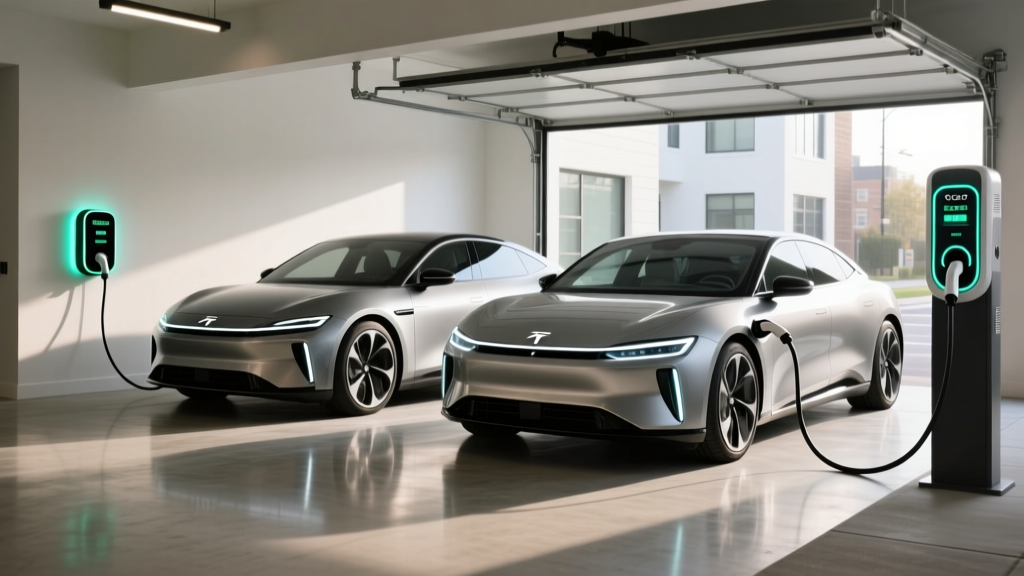
Not necessarily. If you drive a standard daily commute and can charge overnight, a 7kW single-phase charger is more than sufficient and much cheaper to install. Three-phase power is only required if you frequently need to charge large battery packs in a short window of time, or if you own multiple EVs that need to charge simultaneously.
Are there any ACT government rebates for EV charger installations?
The ACT government frequently updates its sustainable transport incentives, which have historically included interest-free loans or rebates for home EV infrastructure. It is highly recommended to check the official ACT government sustainability website for the most current rebate programs before scheduling your installation.
How long does a standard EV charger installation take?
A straightforward installation on a modern switchboard with a short cable run typically takes between 3 to 5 hours. If a switchboard upgrade or complex conduit routing through double-brick walls is required, the job may take a full day or require a follow-up visit.
Can I install an EV charger in a strata or apartment complex in Canberra?
Installing an EV charger in a strata-titled property is significantly more complex. You will need approval from the Owners Corporation, as the work involves common property electrical infrastructure. You will likely need to hire a specialized EV strata consultant to design a load-management system that prevents the building’s main supply from being overloaded by multiple residents charging at once.
Will an EV charger increase my home insurance premiums?
Generally, adding a professionally installed, compliant EV charger will not drastically increase your home insurance premiums. However, you must notify your insurer of the modification. Failing to declare the installation, or using an unlicensed installer, can result in your policy being voided in the event of an electrical fire.
Ready to upgrade your home charging setup? Explore our top-rated EV charger reviews to find the perfect hardware for your driveway, and consult with a local, licensed Canberra electrician to get a personalized quote tailored to your home’s unique electrical layout.