The Ultimate Guide to EV Charger Home Installation Grants & Rebates
Transitioning to an electric vehicle (EV) is an exciting step toward a sustainable future, but it comes with the immediate need for reliable home charging infrastructure. While Level 1 charging via a standard wall outlet is technically possible, it is painfully slow for modern EV batteries. Upgrading to a Level 2 home charger is practically mandatory for daily convenience. However, the upfront costs of purchasing the hardware and hiring a licensed electrician can be daunting. This is where an EV charger home installation grant becomes a game-changer.
Whether you are looking at federal tax credits, state-level incentives, or local utility rebates, securing financial assistance can drastically reduce your out-of-pocket expenses. In this comprehensive guide, we will break down everything you need to know about finding, applying for, and maximizing these grants, alongside a complete overview of the installation process.
Difficulty Level: Moderate to Advanced (Professional electrical work required)
Estimated Cost: $800 to $2,500+ (Before grants & incentives)
Time Required: 2 to 6 hours for installation; 1 to 3 months for grant reimbursement
Understanding EV Charger Home Installation Grants
Before diving into the application process, it is crucial to understand the landscape of EV charging incentives. Grants, rebates, and tax credits are not all created equal. They generally fall into three distinct categories:
- Federal Tax Credits: Under current federal legislation, such as the Inflation Reduction Act, homeowners may be eligible to claim a percentage of the cost of the charger and its installation as a tax credit. This is not an upfront grant but rather a dollar-for-dollar reduction of your annual tax liability.
- State & Local Rebates: Many state environmental agencies and local municipalities offer direct mail-in rebates or point-of-sale discounts to encourage EV adoption. These are often funded by state cap-and-trade programs or environmental mitigation funds.
- Utility Company Incentives: Local electric providers frequently offer the most accessible grants. Because utilities want to manage grid load and encourage off-peak charging, they will often subsidize the cost of the hardware, the installation, or both, provided you install a "smart" charger that can communicate with their grid management systems.
For a deeper understanding of how different chargers interact with your home's electrical system, check out our comprehensive guide on understanding EV charging levels.
Eligibility Requirements & How to Apply
Securing an EV charger home installation grant requires careful planning. If you purchase the wrong equipment or skip a permitting step, your rebate claim could be denied. Follow these steps to ensure you remain eligible:
1. Research Available Programs
Start by visiting the Department of Energy's Alternative Fuels Data Center to search for incentives specific to your zip code. Additionally, log into your local utility provider's website and navigate to their EV or energy efficiency rebate portal.
2. Verify Approved Equipment
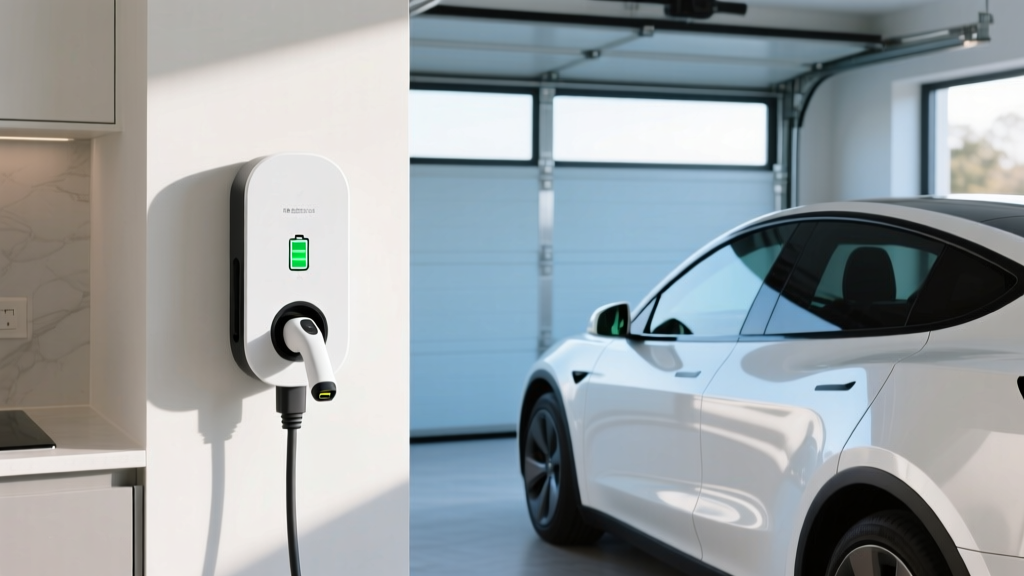
Most utility grants require you to purchase from a specific list of approved hardware. Generally, the equipment must be ENERGY STAR certified and possess smart-charging capabilities (Wi-Fi connectivity) to allow for demand-response programs. Review our list of the top-rated Level 2 EV chargers to find models that frequently qualify for these programs.
3. Hire a Licensed Contractor
Almost all grant programs mandate that the installation be performed by a licensed, insured electrician. DIY installations will immediately void your eligibility for reimbursement.
4. Secure Permits & Inspections
Your local municipality will require an electrical permit. The grant application will typically ask for a copy of the final, signed-off inspection card as proof that the work was completed to code.
5. Submit Your Claim
Gather your itemized receipts (separating hardware and labor costs), the electrical inspection sign-off, and your vehicle registration or VIN. Submit these through the utility or state portal before the program's deadline.
Step-by-Step Home Charger Installation Process
Once your grant eligibility is confirmed and your equipment is ordered, the physical installation begins. Here is what you can expect when the electrician arrives at your home.
Step 1: Electrical Load Calculation
Before running any new wires, the electrician will perform a load calculation on your main electrical panel. EV chargers are considered "continuous loads," meaning they draw maximum current for three hours or more. If your home has a 100-amp or 150-amp panel, adding a 40-amp or 50-amp EV circuit might exceed your panel's safe capacity, necessitating a panel upgrade or the installation of an automated load-management device.
Step 2: Choosing the Location
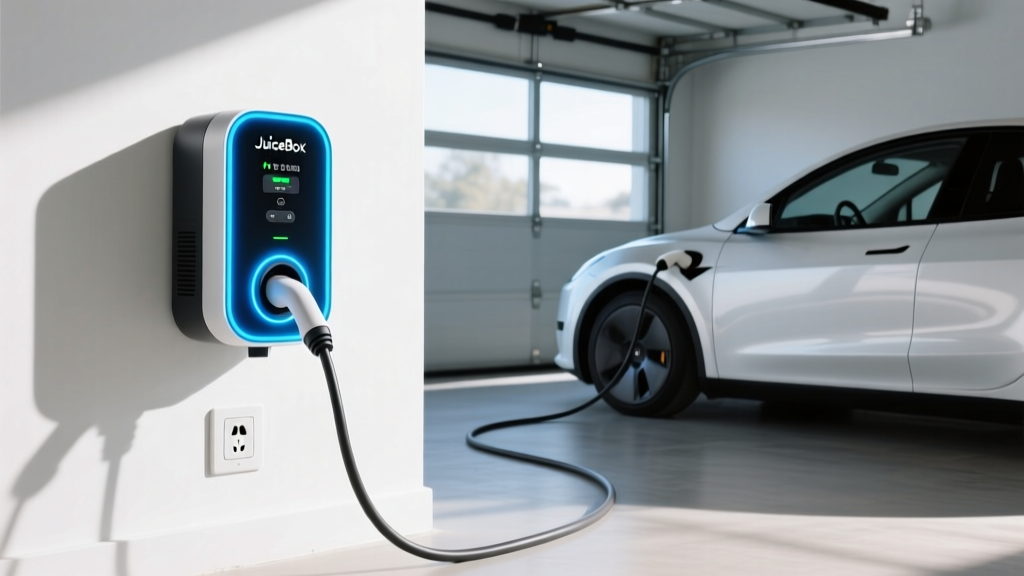
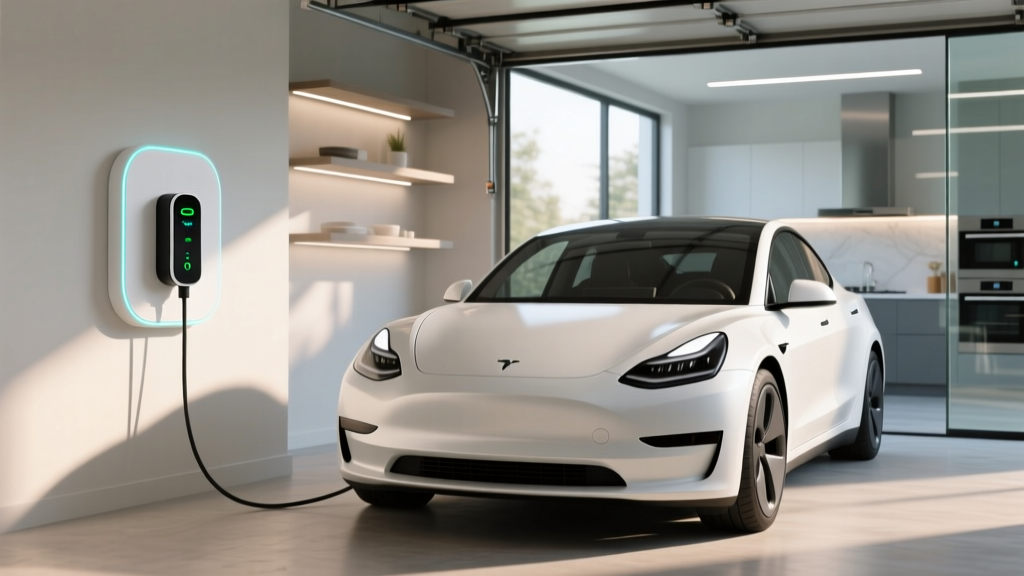
The ideal location is on the wall closest to where your vehicle's charge port rests. Consider the length of the charger's cord (typically 18 to 24 feet). Ensure the location has strong Wi-Fi coverage if you are installing a smart charger to qualify for your utility grant.
Step 3: Running Conduit & Wiring
If your panel is in the garage and the charger is mounted on the same wall, the electrician may run exposed conduit. If the panel is in the basement or on the other side of the house, they will need to drill through walls, run wires through the attic or crawlspace, and patch the drywall. For outdoor installations, weatherproof conduit and seals are mandatory.
Step 4: Hardwired vs. NEMA 14-50 Receptacle
You have two main installation options. A NEMA 14-50 receptacle allows you to unplug the charger and take it with you if you move. However, recent electrical codes require a GFCI breaker for receptacles, which can cause annoying nuisance tripping. Hardwiring the charger directly into a standard breaker is generally preferred by professionals for safety, reliability, and avoiding GFCI conflicts.
Permits, Inspections, & NEC Code Compliance
Adhering to the National Electrical Code (NEC) is not just about passing inspection; it is about preventing electrical fires. NEC Article 625 specifically governs Electric Vehicle Charging Systems.
The 125% Continuous Load Rule: Because EV charging is a continuous load, the circuit must be rated for 125% of the charger's maximum output. For example, if you buy a charger that outputs 40 amps, it must be connected to a 50-amp breaker. If you buy a 48-amp charger, it requires a 60-amp breaker.
Working Space Clearances: The NEC requires specific clearances around electrical panels and certain hardwired equipment. Your electrician will ensure the charger is not placed in a way that blocks access to your main service panel or violates the required 30-inch wide working space.
Grounding & Bonding: Proper grounding is critical. If you are installing a NEMA 14-50 outlet, the electrician must ensure the ground wire is properly sized and bonded. Many older homes have ungrounded 240V outlets (like those for old dryers) which are illegal and highly dangerous to use for EV charging.
Cost Breakdown: Before & After Grants
Understanding the financial investment is key to planning your project. Here is a typical cost breakdown for a standard residential Level 2 installation, and how grants impact the final price.
- Level 2 Smart Charger Hardware: $400 - $700
- Standard Installation (Panel in Garage): $500 - $900
- Complex Installation (Trenching, Attic Runs): $1,000 - $2,000+
- Electrical Panel Upgrade (if needed): $1,500 - $3,000
- Permit Fees: $50 - $150
Total Estimated Cost: $950 to $2,500+ (assuming no panel upgrade is needed).
The Grant Impact: A typical utility rebate might offer $300 to $500 off the hardware, and another $500 toward installation labor. Combined with a 30% federal tax credit (up to $1,000), your out-of-pocket expense for a standard installation could drop to near zero, or even result in a net-positive financial gain in some aggressive local markets. For more tips on budgeting, read our guide on choosing the right home EV charger for your specific needs.
DIY vs. Professional Installation
While the internet is full of tutorials showing homeowners wiring their own 240V outlets, DIY installation is highly discouraged for EV chargers. Here is why you should always hire a professional:
- Grant Eligibility: As mentioned, utility and state grants require proof of professional installation. A DIY job will instantly disqualify you from hundreds or thousands of dollars in rebates.
- Warranty Protection: Charger manufacturers will void the hardware warranty if the unit is not installed by a licensed electrician and permitted by the city.
- Fire & Safety Risks: EV charging draws massive, continuous current. A loose connection or undersized wire that might be fine for a 10-minute dryer cycle will melt and catch fire when subjected to a 6-hour continuous EV charging session.
- Insurance Implications: If an electrical fire occurs and the insurance investigator finds an unpermitted, DIY 240V circuit, your homeowner's insurance claim will likely be denied.
Essential Safety Tips for Home EV Charging
Once your system is installed and your grant is secured, maintaining a safe charging environment is paramount.
- Cable Management: Never leave the charging cable lying on the garage floor where it can be run over, tripped on, or exposed to standing water. Install a simple wall-mounted cable organizer or holster.
- The Drip Loop: If your charger is installed outdoors, ensure the electrician creates a "drip loop" in the conduit or wiring before it enters the charger casing. This prevents rainwater from running down the wire and directly into the electrical components.
- Ventilation: While modern EVs and chargers are heavily sealed, charging generates heat. Ensure your garage or outdoor charging area has adequate airflow, and do not cover the charger unit with towels, tarps, or storage boxes.
- Surge Protection: Consider installing a whole-home surge protector or a dedicated surge protection device at the panel. EV chargers contain sensitive computers and Wi-Fi radios that can be fried by a lightning strike or grid spike.
Troubleshooting Common Installation & Grant Issues
Even with professional help, you may encounter hurdles during the installation or grant reimbursement process.
The Breaker Keeps Tripping
If your charger trips the breaker immediately or after a few minutes, the most common culprit is a shared circuit or an undersized breaker. Ensure no other heavy appliances are on the same circuit. If you installed a NEMA 14-50 outlet, the GFCI breaker might be experiencing "nuisance tripping" due to the charger's internal ground-fault protection conflicting with the breaker. Switching to a hardwired setup with a standard breaker usually resolves this.
Smart Charger Won't Connect to Wi-Fi
Utility grants often require you to enroll your charger in a demand-response program, which requires Wi-Fi. Garages are notorious dead zones. You may need to install a Wi-Fi extender or a dedicated mesh node in the garage to ensure the charger stays connected to the utility's servers.
Grant Reimbursement Denied or Delayed
If your rebate is denied, it is almost always due to missing documentation. Double-check that your electrician provided an itemized invoice (separating the charger cost from the labor cost), a copy of your electrical permit, and the final inspection sign-off. Utility companies process thousands of these; if one piece of paper is missing, the application is rejected. Resubmit with a complete packet and follow up via phone.
Frequently Asked Questions (FAQ)
Can I claim a federal tax credit and a local utility grant simultaneously?
Yes, in most cases, you can "stack" incentives. The federal tax credit is handled through the IRS when you file your annual taxes, while local utility grants and state rebates are processed independently by those respective organizations. Always verify with a tax professional to ensure your specific stacking scenario complies with current tax codes.
Do I need a smart charger to qualify for utility rebates?
Almost always, yes. Utility companies offer these grants because they want the ability to throttle charging speeds during peak grid demand (usually hot summer afternoons). To do this, they require a smart charger with Wi-Fi connectivity that is compatible with their specific demand-response software.
What happens if my electrical panel needs an upgrade?
If your home has an older 100-amp panel, adding a 50-amp EV circuit may exceed your home's total load capacity. Your electrician will recommend upgrading to a 200-amp panel. While this adds $1,500 to $3,000 to your project cost, some state and local grants offer specific "panel upgrade add-ons" to help offset this exact scenario.
How long does it take to receive the grant reimbursement?
Timelines vary wildly depending on the program. Point-of-sale rebates (where the dealer or electrician deducts the cost upfront) are instant. Mail-in utility rebates typically take 6 to 12 weeks to process after you submit your final inspection documents. Federal tax credits are realized when you file your taxes the following spring.
Can renters apply for home EV charger installation grants?
Generally, no. Most installation grants are designed for homeowners because they involve permanent modifications to the property's electrical system. However, some states and utilities offer specific "multifamily dwelling" or "renter" incentives that provide grants to landlords for installing chargers in apartment complexes or shared parking lots. Renters can also often apply for portable hardware rebates, allowing them to buy a smart charger and take it with them when they move.