Quick Verdict: Where ElectriPGlobal Fits in the 2026 Charging Landscape
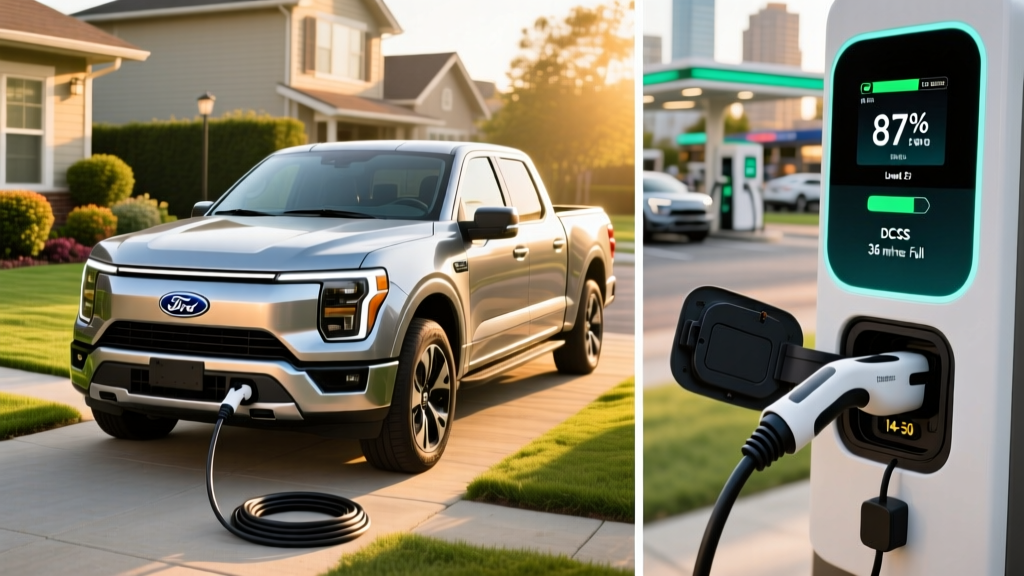
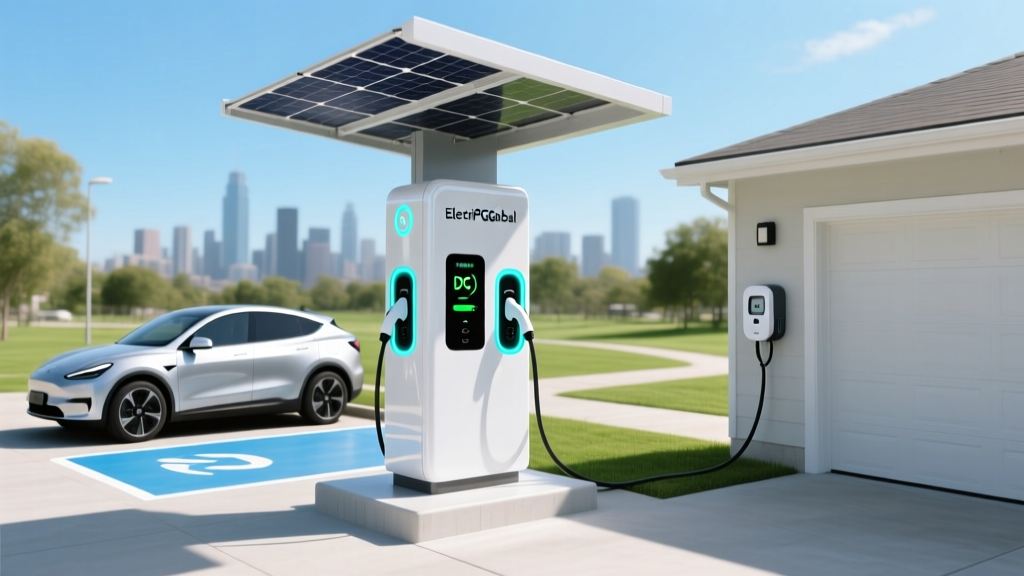
If you've spotted ElectriPGlobal EV charging stations in parking garages, retail centers, or along highway corridors, you're seeing one of the growing mid-tier public charging networks expanding across North America. ElectriPGlobal (a subsidiary brand under the broader Electrip Global energy umbrella) operates a mix of Level 2 destination chargers and DC fast chargers, primarily in urban and suburban commercial locations.
But public networks are only half the equation. Most EV owners do 80% or more of their charging at home. This guide covers the ElectriPGlobal public network and walks you through everything needed to set up a fast, safe Level 2 home charging station — including exact costs, electrical requirements, equipment picks, and what you'll pay per mile compared to gas.
Charging Levels Explained: Speeds, Power, and Real-World Range Added
Every EV owner needs to understand three charging tiers. The table below shows typical power delivery and the approximate range added per hour of charging, based on an average EV efficiency of 3–4 miles per kWh.
| Level | Voltage / Amperage | Power (kW) | Miles of Range / Hour | Best For |
|---|---|---|---|---|
| Level 1 | 120V / 12A | 1.4 kW | 3–5 mi/hr | Overnight top-ups, PHEVs |
| Level 2 | 240V / 32–48A | 7.7–11.5 kW | 25–44 mi/hr | Daily home & destination charging |
| DC Fast | 400–800V DC | 50–350 kW | 150–1,200+ mi/hr | Road trips, quick top-ups |
Real-world charging time examples (10–80% State of Charge):
- 60 kWh battery (e.g., base Tesla Model 3 RWD, Hyundai Kona Electric): ~6.5 hours on a 7.7 kW Level 2; ~28 minutes on a 150 kW DC fast charger
- 82 kWh battery (e.g., Ford Mustang Mach-E Extended Range): ~9 hours on 7.7 kW Level 2; ~32 minutes on a 150 kW DCFC
- 100 kWh battery (e.g., Tesla Model S, Rivian R1T Max Pack): ~11 hours on 7.7 kW Level 2; ~38 minutes on a 250 kW DCFC (vehicles with 800V architecture like the Hyundai Ioniq 5 or Porsche Taycan can hit 10–80% in ~18 minutes on a 350 kW charger)
ElectriPGlobal Public Network: What to Expect
ElectriPGlobal EV charging stations are typically found at commercial properties — shopping centers, office parks, hotels, and some highway-adjacent retail locations. The network operates both Level 2 (typically 7.2–19.2 kW AC) and DC fast chargers (50–150 kW, with some newer 180 kW units).
Network Strengths and Limitations
What ElectriPGlobal does well:
- Destination charging in high-dwell-time locations (you charge while shopping or dining)
- CCS1 and NACS connector availability on newer stations (CHAdeMO is being phased out across the industry)
- RFID card and mobile-app payment, with some units accepting contactless credit cards
Where the network falls short compared to Tesla Superchargers or Electrify America:
- Fewer highway-corridor DC fast chargers — this is primarily a destination/urban network
- Charger uptime can vary by location; always check the ElectriPGlobal app or PlugShare for real-time status before relying on a specific station
- Peak DCFC speeds top out around 150–180 kW at most locations, so vehicles capable of 250+ kW charging won't reach maximum throughput
Public Charging Cost on ElectriPGlobal
Pricing varies by site host, but expect:
- Level 2: $0.15–$0.35/kWh (some locations offer free Level 2 as a customer amenity)
- DC Fast: $0.35–$0.55/kWh, sometimes with an additional idle fee of $0.50–$1.00/minute after charging completes
Home Level 2 Installation: Electrical Requirements, Costs, and Panel Upgrades
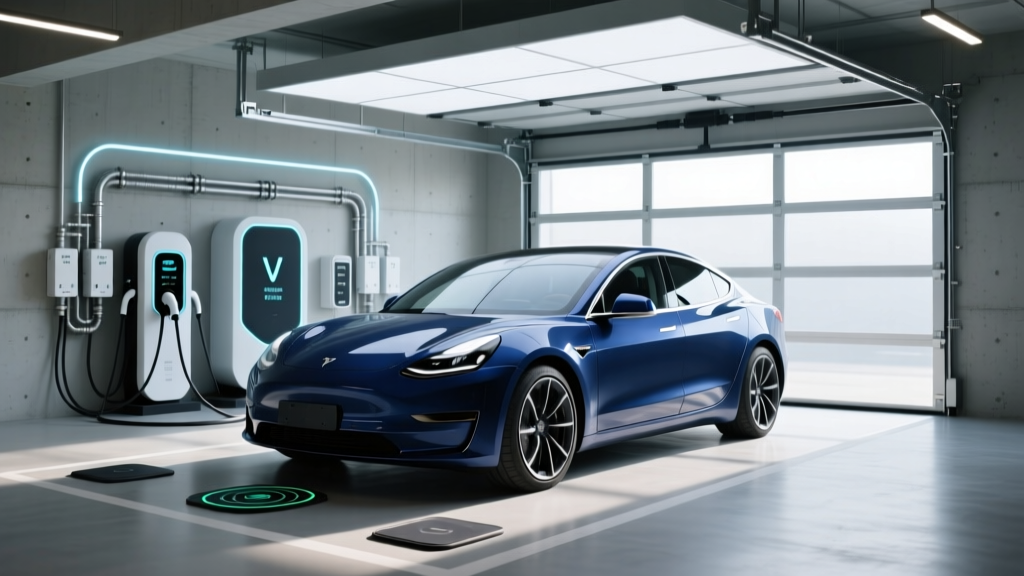
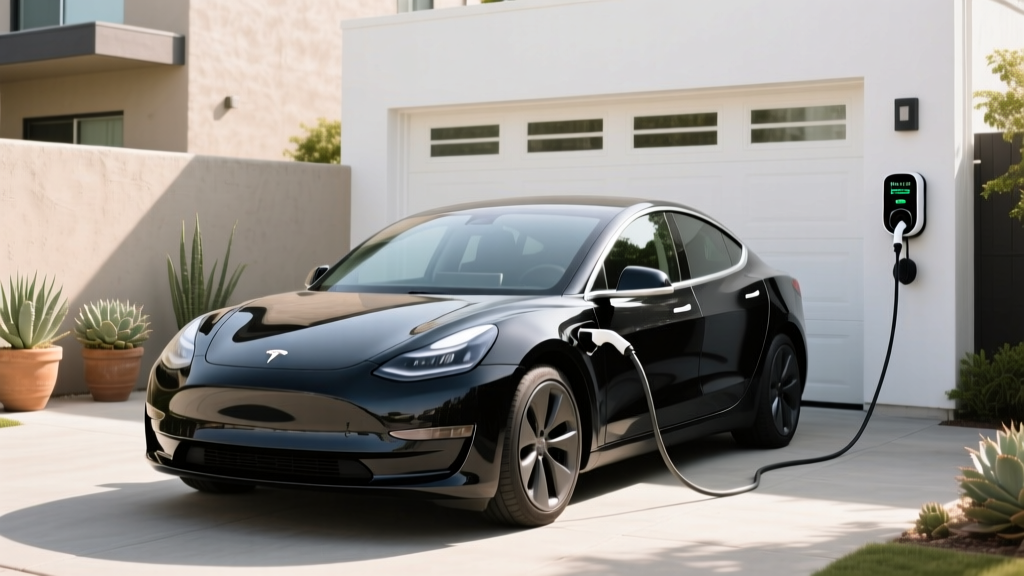
Installing a dedicated Level 2 home charger is the single biggest quality-of-life upgrade for an EV owner. Here's exactly what's involved.
Electrical Requirements
A typical Level 2 home charger requires:
- Voltage: 240V (same as your electric dryer or oven)
- Amperage: 40A circuit for a 32A charger (NEC code requires circuits rated at 125% of continuous load), or 60A circuit for a 48A charger
- Dedicated circuit: The charger must be on its own breaker — no sharing with other appliances
- Wiring: 6 AWG copper for 40A circuits; 4 AWG for 60A circuits (your electrician will confirm)
Installation Cost Breakdown
Costs vary enormously based on your home's electrical panel capacity, the distance from panel to charger location, and local labor rates. Here's a realistic range:
| Component | Simple Install (panel nearby, no upgrade) | Moderate Install (long run, conduit) | Complex Install (panel upgrade needed) |
|---|---|---|---|
| Level 2 Charger (equipment) | $400–$700 | $400–$700 | $400–$700 |
| Electrician labor | $300–$600 | $600–$1,500 | $1,000–$2,000 |
| Permit & inspection | $50–$200 | $50–$200 | $100–$300 |
| Electrical panel upgrade (100A→200A) | N/A | N/A | $1,500–$3,500 |
| Total | $750–$1,500 | $1,050–$2,400 | $3,000–$6,500 |
Safety and Code Requirements
- Dedicated circuit: NEC Article 625 requires EVSE (Electric Vehicle Supply Equipment) to be on a dedicated branch circuit
- GFCI protection: Required for outdoor installations and recommended for garages — most modern hardwired chargers include built-in GFCI
- Outdoor rating: If mounting outside, the charger must carry a NEMA 4 (weatherproof) rating; NEMA 3R is insufficient for driving rain
- Hardwired vs. plug: Hardwired units (no plug) are generally safer, allow higher amperage (48A+), and avoid the NEMA 14-50 receptacle overheating issues documented in some installations. If using a 14-50 outlet, ensure your electrician installs a commercial-grade receptacle (e.g., Hubbell or Bryant), not a residential-grade one
- Permit: Most jurisdictions require an electrical permit for EV charger installation — skipping this can void your homeowner's insurance in the event of a fire
Connector Compatibility: NACS, CCS1, and CHAdeMO
The connector landscape shifted dramatically in 2024–2025 when nearly every major automaker adopted the North American Charging Standard (NACS), originally developed by Tesla. Here's where things stand for 2026 model-year vehicles:
| Connector | Brands Using It (2026) | Adapter Needed? |
|---|---|---|
| NACS (Tesla) | Tesla (all), Ford, GM, Rivian, Hyundai/Kia, BMW, Mercedes, Volvo, Polestar, Nissan (new models) | Native on new vehicles; CCS-to-NACS adapters available from Tesla and third parties (~$150–$250) |
| CCS1 | Older VW ID.4, older Ford/GM EVs (pre-2025), Stellantis, some legacy models | NACS-to-CCS adapter needed for Tesla Supercharger access |
| CHAdeMO | Nissan Leaf (legacy only — new Nissan models use NACS) | No adapter available for DCFC; CHAdeMO infrastructure is declining |
For ElectriPGlobal stations specifically: Most newer ElectriPGlobal DC fast chargers are equipped with both CCS1 and NACS cables. Older units may be CCS1-only, in which case NACS-equipped vehicles will need an adapter. Always check the station listing in the ElectriPGlobal app or on PlugShare before driving to a specific location.
Level 2 home charging: All Level 2 chargers sold in North America use the J1772 connector (or NACS for Tesla). If your EV has a NACS port, you'll need a J1772-to-NACS adapter for non-Tesla Level 2 chargers — most new NACS-equipped vehicles include one in the trunk.
Cost to Charge: Per-Mile Breakdown vs. Gasoline
One of the strongest arguments for EV ownership is fuel cost savings, but the numbers depend heavily on where and when you charge.
| Scenario | Rate | Cost for 60 kWh (full charge) | Cost per Mile (at 3.5 mi/kWh) |
|---|---|---|---|
| Home off-peak (utility time-of-use) | $0.08–$0.12/kWh | $4.80–$7.20 | $0.023–$0.034 |
| Home standard rate (national avg.) | $0.16/kWh | $9.60 | $0.046 |
| Public Level 2 (ElectriPGlobal avg.) | $0.25/kWh | $15.00 | $0.071 |
| DC Fast Charging (public avg.) | $0.45/kWh | $27.00 | $0.129 |
| Gasoline equivalent (30 MPG, $3.50/gal) | $3.50/gallon | $21.00 (equiv. energy) | $0.117 |
The takeaway: Home charging at off-peak rates costs roughly 70–80% less per mile than gasoline. Even public DC fast charging is roughly comparable to gas on a per-mile basis. The worst-case scenario — frequent DC fast charging at premium rates — is slightly more expensive than gas, which is why home Level 2 is the economic foundation of EV ownership.
Recommended Home Level 2 Chargers for 2026
These are proven, well-reviewed units that pair well with any EV — whether you're charging at home after visiting ElectriPGlobal stations on the road or using them as your primary charging solution.
ChargePoint Home Flex
- Power: Up to 11.5 kW (48A) on a 60A circuit; configurable down to 16A
- Connector: J1772 (NACS adapter included or available)
- Cable length: 23 feet
- Smart features: Wi-Fi, Alexa integration, scheduling, energy tracking via app
- Price: ~$599 (often $549 on sale)
- Best for: Most homeowners; flexible amperage works with older panels
Tesla Wall Connector
- Power: Up to 11.5 kW (48A) on a 60A circuit
- Connector: NACS native; includes J1772 adapter for non-Tesla EVs
- Cable length: 24 feet
- Smart features: Wi-Fi, power sharing (link multiple units on one circuit), OTA updates
- Price: ~$450
- Best for: NACS-equipped EV owners; best value for the power output
Emporia Level 2 EV Charger
- Power: Up to 11.5 kW (48A)
- Connector: J1772
- Cable length: 24 feet
- Smart features: Wi-Fi, integration with Emporia whole-home energy monitor, solar-aware scheduling
- Price: ~$399
- Best for: Budget-conscious buyers who want smart features and energy monitoring
Hardwired vs. plug-in: All three units above are available in hardwired versions (recommended for 48A operation and outdoor installs) and NEMA 14-50 plug-in versions (easier to move, limited to 40A/9.6 kW). If your panel has capacity for a 60A circuit, hardwire the charger to get the full 48A.
Frequently Asked Questions
How much does it cost to install a home EV charger?
A straightforward Level 2 installation (panel has capacity, short wire run, garage mount) typically costs $750–$1,500 total, including the charger unit ($400–$700), electrician labor ($300–$600), and permit ($50–$200). Complex installations requiring a 200A panel upgrade can push the total to $3,000–$6,500. Always get a load calculation from a licensed electrician before committing.
How fast will each charging level add range?
Level 1 (120V standard outlet) adds about 3–5 miles per hour — adequate for PHEVs with small batteries but too slow for most BEVs. Level 2 (240V, 32–48A) adds 25–44 miles per hour, enough to fully recharge most EVs overnight. DC fast charging adds 150–1,200+ miles per hour at peak power, though sustained rates taper significantly above 80% SoC. For a 75 kWh battery, expect 10–80% in roughly 25–35 minutes on a 150 kW DCFC.
Which connector and charger is compatible with my EV?
For 2026 model-year vehicles: Tesla, Ford, GM, Rivian, Hyundai, Kia, BMW, and most others now use NACS. Older CCS1-equipped vehicles (pre-2025 VW, Stellantis, some Ford/GM) need a CCS-to-NACS adapter for Tesla Supercharger access. CHAdeMO is limited to the legacy Nissan Leaf and is being discontinued. For Level 2 home charging, all EVs accept J1772 or NACS — check your vehicle's charge port and buy a charger (or adapter) accordingly. ElectriPGlobal DC fast stations typically offer both CCS1 and NACS cables on newer units.
How much does charging cost per mile compared to gas?
At home on off-peak utility rates ($0.08–$0.12/kWh), EV charging costs approximately $0.023–$0.034 per mile — about 70–80% cheaper than a 30 MPG gas car at $3.50/gallon ($0.117/mile). Even standard-rate home charging at $0.16/kWh comes in at roughly $0.046/mile. Public DC fast charging at $0.45/kWh ($0.129/mile) is the only scenario where EV charging slightly exceeds gasoline cost per mile, which is why maximizing home charging is key to EV economics.
What electrical upgrades might I need for a home charger?
The most common upgrade is a 200A electrical panel service — required if your existing 100A panel doesn't have enough spare capacity for a 40–60A dedicated EV circuit. An electrician performs a NEC Article 220 load calculation to determine this. Other potential upgrades include: running new conduit from the panel to the garage or exterior wall ($200–$800 depending on distance), upgrading the meter base, or installing a sub-panel if the main panel is full. Homes with solar panels or battery storage (like a Tesla Powerwall) may need a smart charger with load-management features to avoid tripping the main breaker. Budget $1,500–$3,500 for a panel upgrade if needed — this is the most variable and most-often-underestimated cost in EV home charging.
Sources: U.S. Department of Energy Alternative Fuels Data Center, fueleconomy.gov (EPA efficiency data), National Fire Protection Association NFPA 70 (NEC). Pricing reflects 2026 market conditions and is subject to regional variation. Consult a licensed electrician for site-specific installation assessments.