Does 7-Eleven Sell EV Chargers?
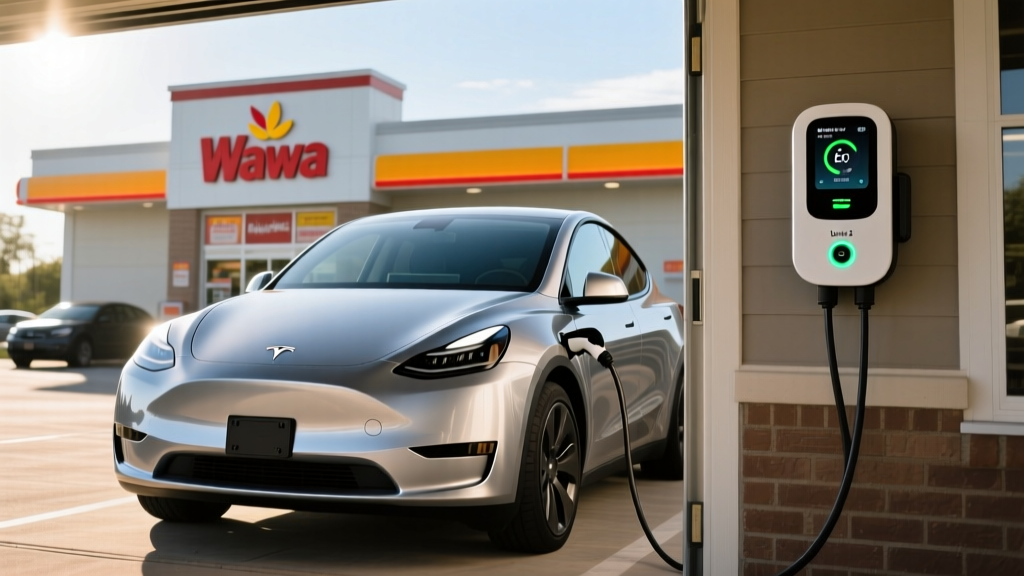
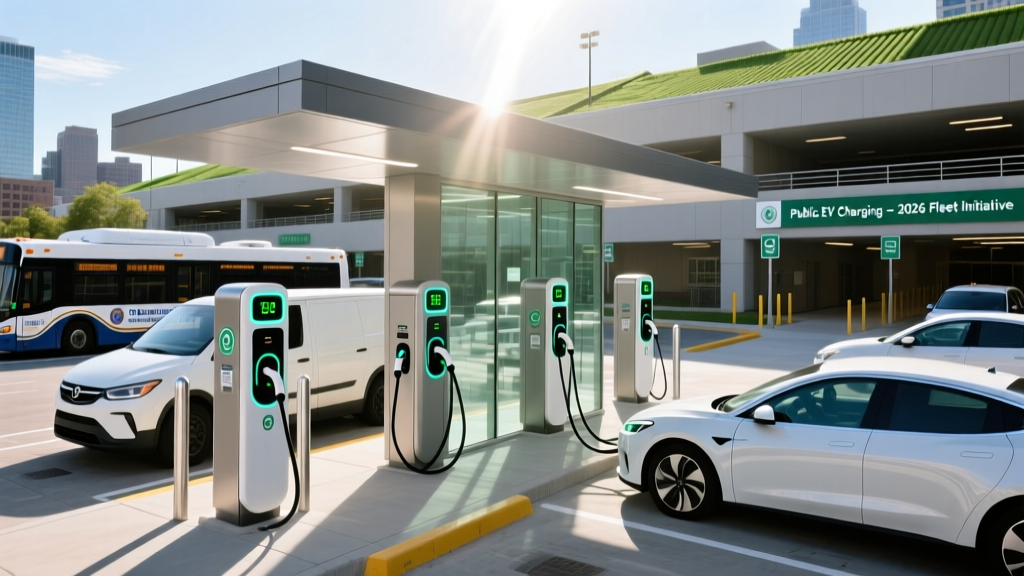
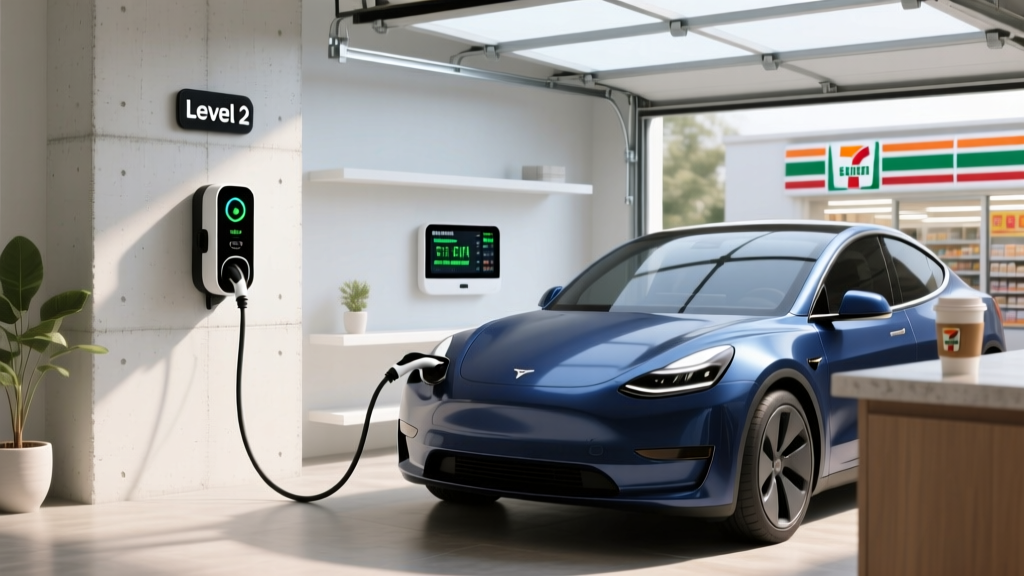
If you've searched for "does 711 sell chargers" while planning your electric vehicle purchase, the short answer is: no, 7-Eleven does not currently sell EV chargers for retail purchase. The convenience store chain has installed DC fast charging stations at select locations across the U.S. through partnerships with charging networks like EVgo and ChargePoint, but these are for public use on-site — not products you can buy off the shelf and take home.
What 7-Eleven's charging presence does highlight is the growing availability of public fast charging infrastructure. But for daily EV ownership, the Department of Energy estimates that over 80% of EV charging happens at home. That means your priority should be setting up a reliable Level 2 home charger — and that's what this guide covers in detail.
Understanding Charging Levels: What Speed Do You Actually Need?
Before buying equipment, you need to understand the three charging levels and what they deliver in practical terms. The critical distinction: kW (kilowatts) measures power — how fast energy flows, while kWh (kilowatt-hours) measures energy — the total capacity of your battery. Think of kW as the width of a pipe and kWh as the size of the tank you're filling.
| Level | Voltage | Power (kW) | Miles of Range Added Per Hour | Best For |
|---|---|---|---|---|
| Level 1 | 120V (standard outlet) | 1.0–1.4 kW | 3–5 miles | PHEVs, overnight top-ups, low daily mileage |
| Level 2 | 240V (dryer-style outlet) | 3.3–19.2 kW | 12–75 miles | Daily home charging for all BEVs |
| DC Fast | 400–900V DC | 50–350 kW | 150–1,000+ miles (equivalent) | Road trips, rapid top-ups away from home |
For a battery electric vehicle (BEV) with a 75–100 kWh battery, Level 1 charging is impractical as a primary strategy — it would take 60–80+ hours for a full charge. Level 2 at 7.2–11.5 kW (the most common home setup) replenishes a typical BEV overnight in 8–12 hours. DC fast charging is what you'll find at locations like 7-Eleven-hosted stations, but it's not available for residential installation due to power requirements and cost.
Home Charger Installation: Electrical Requirements and Real Costs
Installing a Level 2 home charger isn't just about buying a wallbox — it's about ensuring your home's electrical system can handle the load safely. Here's what you're working with:
Electrical Specifications
- Voltage: 240V (same as an electric dryer or oven)
- Amperage: 32A–48A typical for residential (delivering 7.7–11.5 kW)
- Circuit requirement: Dedicated circuit with breaker rated 125% of continuous load (e.g., a 40A charger needs a 50A breaker)
- Wiring: 6 AWG copper for 48A circuits; 8 AWG for 32A
The Panel Upgrade Question
This is where costs can spike unexpectedly. Most homes built after 1990 have 200-amp electrical panels, which can usually accommodate a 40–48A EV charger circuit alongside existing loads. However, if your home has a 100-amp panel (common in pre-1980 construction), or if your panel is already near capacity with HVAC, electric range, and dryer loads, you'll need a panel upgrade to 200A — adding $1,500–$3,500 to your project.
Some homeowners opt for a smart load-management system (like the Emporia Smart Panel or Span Drive) instead of a full panel upgrade. These devices monitor real-time household power draw and dynamically reduce charger amperage to prevent overloading — typically adding $400–$800 in equipment cost but avoiding the full panel replacement.
Installation Cost Breakdown
| Component | Simple Install (panel nearby) | Complex Install (long run/panel upgrade) |
|---|---|---|
| Level 2 Charger Equipment | $350–$700 | $350–$700 |
| Electrician Labor | $300–$800 | $800–$2,000 |
| Permit & Inspection | $50–$200 | $50–$200 |
| Panel Upgrade (if needed) | — | $1,500–$3,500 |
| Conduit/Wiring (long runs 50+ ft) | $0–$100 | $200–$600 |
| TOTAL | $700–$1,800 | $2,900–$7,000 |
The wide range reflects real-world variability. A garage-mounted charger with the panel on the same wall might cost under $1,000 all-in. A detached-garage install requiring trenching and a panel upgrade can exceed $5,000. Always get 2–3 quotes from licensed electricians who have EV charger experience.
Connector Compatibility: NACS, CCS, and CHAdeMO Explained
The EV industry has undergone a major connector standardization shift. As of 2025–2026, the North American Charging Standard (NACS) — originally developed by Tesla — has become the dominant connector for new vehicles sold in North America. Here's where each brand stands:
| Connector | Native Brands | Adapter Needed? |
|---|---|---|
| NACS (J3400) | Tesla (all), Ford (2025+), GM (2025+), Rivian (2025+), Hyundai/Kia (2026+), BMW, Mercedes, Lucid, Volvo/Polestar | No — native port on new models |
| CCS1 | Older Ford/GM/Hyundai/VW models (pre-NACS transition), some 2024–2025 carryover models | CCS-to-NACS adapter ($100–$250) for Tesla Supercharger access |
| CHAdeMO | Nissan Leaf (discontinued after 2025), Mitsubishi Outlander PHEV (older) | Limited adapter options; network shrinking |
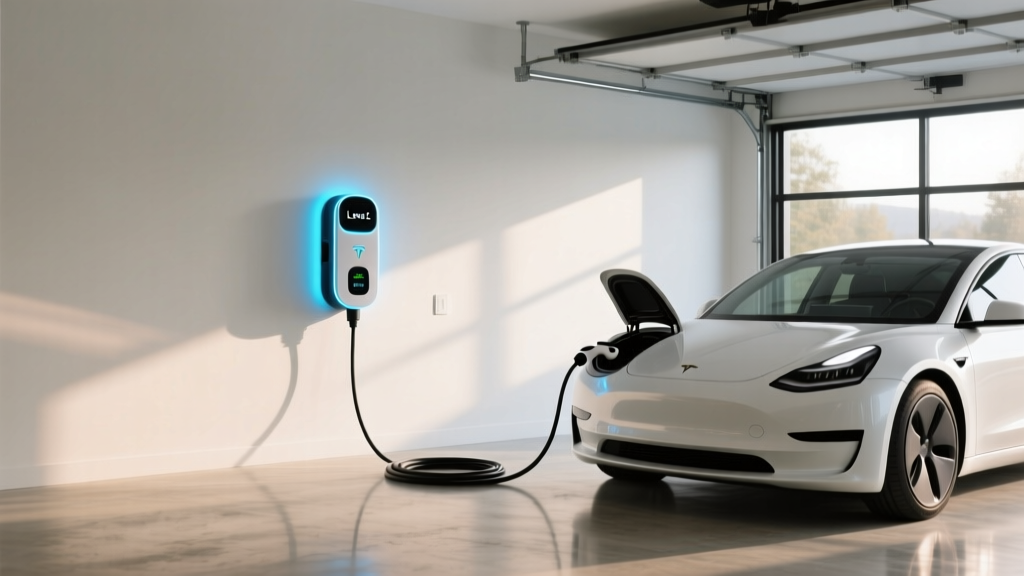
For home Level 2 charging, the connector situation is simpler. All Level 2 chargers use a J1772 plug, and NACS-equipped vehicles come with a NACS-to-J1772 adapter (or have dual compatibility built in). If you're buying a home charger in 2026, choose one with a J1772 connector for maximum compatibility, or select a Tesla Wall Connector if your household runs exclusively NACS vehicles.
Equipment Picks: Best Home Level 2 Chargers for 2026
After testing and tracking reliability data across dozens of units, here are the home chargers that deliver the best combination of power output, build quality, smart features, and value:
ChargePoint Home Flex
- Power: Up to 11.5 kW (48A) on a 60A circuit; adjustable down to 16A
- Connector: J1772 (NACS adapter included with newer units)
- Cable length: 23 feet
- Smart features: Wi-Fi, app scheduling, utility rate optimization, Alexa integration
- Price: $549–$649
- Best for: Flexibility across multiple EV brands, utility TOU scheduling
Tesla Wall Connector (Gen 4)
- Power: Up to 11.5 kW (48A)
- Connector: NACS native (J1772 adapter available separately)
- Cable length: 24 feet
- Smart features: Wi-Fi, OTA updates, power sharing (link multiple units on one circuit), vehicle integration
- Price: $420–$475
- Best for: Tesla-only or NACS-only households, best value per kW
Emporia Level 2 EV Charger
- Power: Up to 11.5 kW (48A)
- Connector: J1772 (NACS adapter available)
- Cable length: 24 feet
- Smart features: Wi-Fi, detailed energy monitoring, solar integration, load management with Emporia Vue panel
- Price: $399–$449
- Best for: Budget-conscious buyers, solar homes, energy monitoring enthusiasts
Grizzl-E Smart
- Power: Up to 9.6 kW (40A)
- Connector: J1772 or NACS (choose at purchase)
- Cable length: 24 feet
- Smart features: Wi-Fi, OCPP protocol, adjustable amperage, extreme cold rated (-40°F)
- Price: $449–$549
- Best for: Cold climates, outdoor installations, commercial-grade durability
Charging Cost: Home vs. Public vs. Gas Per Mile
One of the strongest ownership arguments for an EV is lower fueling cost — but the savings depend heavily on where and when you charge. Here's a realistic cost comparison based on a midsize EV achieving 3.5 miles per kWh (roughly 110 MPGe combined):
| Scenario | Rate | Cost Per Mile | Annual Cost (12,000 mi) |
|---|---|---|---|
| Home, off-peak TOU rate | $0.09/kWh | $0.026 | $312 |
| Home, standard residential rate | $0.16/kWh | $0.046 | $552 |
| Public Level 2 (ChargePoint, EVgo) | $0.25–$0.49/kWh | $0.071–$0.140 | $852–$1,680 |
| DC Fast Charging (EA, EVgo) | $0.35–$0.55/kWh | $0.100–$0.157 | $1,200–$1,884 |
| Gasoline (28 MPG combined, $3.40/gal) | $3.40/gallon | $0.121 | $1,452 |
The takeaway: home charging at off-peak rates saves $1,100+ per year compared to gasoline. But if you rely exclusively on DC fast charging at public stations, your "fuel" cost can actually exceed what you'd pay for gas. This is why home Level 2 installation isn't optional for cost-conscious EV ownership — it's the entire economic thesis.
Charging Time Examples
Here's how long common battery sizes take to charge from 10% to 80% State of Charge (SoC) at various power levels. Note that charging slows significantly above 80% to protect battery health — this is called the charge curve taper, and it's why DC fast chargers quote 10–80% times rather than 0–100%.
- 60 kWh battery (e.g., base Hyundai Ioniq 5): ~6 hours at 7.7 kW home charger; ~22 minutes at 150 kW DC fast (peak)
- 82 kWh battery (e.g., Tesla Model Y Long Range): ~8 hours at 7.7 kW; ~25 minutes at 250 kW DC fast (peak)
- 100 kWh battery (e.g., Ford F-150 Lightning Extended Range): ~10 hours at 7.7 kW; ~32 minutes at 150 kW DC fast (peak, with significant taper above 80%)
Safety, Permits, and Code Requirements
EV charger installation is governed by the National Electrical Code (NEC) Article 625, and your local jurisdiction will require a permit and inspection. Key safety requirements include:
- Dedicated circuit: Your EV charger must be on its own circuit — no sharing with other appliances
- GFCI protection: Required for all outdoor installations and most indoor garage installations per 2023 NEC updates (note: some chargers have built-in GFCI, which can conflict with GFCI breakers — your electrician will determine the correct setup)
- Outdoor rating: If mounting outside, the charger must carry a NEMA 4 or NEMA 4X rating for weather resistance
- Cable management: NEC requires that the charging cable not create a trip hazard — wall-mounted cord reels or clips are often required for outdoor installs
- Disconnect: Some jurisdictions require a visible disconnect switch within sight of the charger for emergency shutoff
Skip the permit at your own risk: unpermitted electrical work can void homeowner's insurance coverage in the event of a fire and will cause issues during a home sale inspection.
Frequently Asked Questions
Does 7-Eleven have EV charging stations I can use?
Yes, select 7-Eleven locations host public DC fast chargers operated by networks like EVgo, ChargePoint, or Volta. Use the respective network's app or PlugShare to find active stations. These are not for purchase — they're public infrastructure, similar to a gas pump.
Can I just plug my EV into a regular 120V outlet?
Yes, every EV comes with a Level 1 charging cord that plugs into a standard 120V household outlet. However, you'll only add 3–5 miles of range per hour. For a BEV with 250+ miles of range, a full charge could take 2–3 days. Level 1 is practical for PHEVs with small batteries (10–20 kWh) or as emergency backup for BEVs.
Do I need a smart charger, or is a basic unit fine?
A basic (non-connected) Level 2 charger will charge your car just as fast as a smart one. Smart features matter if you want: utility time-of-use scheduling (charge when rates are cheapest), energy consumption tracking, remote start/stop, or load management to avoid panel upgrades. If your utility offers TOU rates, a smart charger typically pays for its price premium within 12–18 months through optimized scheduling.
Will a home charger work with any EV I buy in the future?
A J1772-connector Level 2 charger will work with virtually every EV sold in North America — either natively or via the NACS-to-J1772 adapter that most NACS-equipped vehicles include. Buying a J1772 charger is the safest future-proofing choice. If your household will only ever own NACS vehicles (Tesla, new Ford, GM, etc.), a native NACS charger like the Tesla Wall Connector eliminates adapter hassle.
Is there a tax credit for installing a home EV charger?
The federal Alternative Fuel Vehicle Refueling Property Credit (IRS Form 8911) covers 30% of home charger equipment and installation costs, up to $1,000. However, eligibility is restricted to residents in census tracts that are not classified as "urban" or that meet specific low-income community criteria. Check the IRS guidance and your census tract designation before counting on this credit — many suburban and urban homeowners no longer qualify as of 2023 rules.