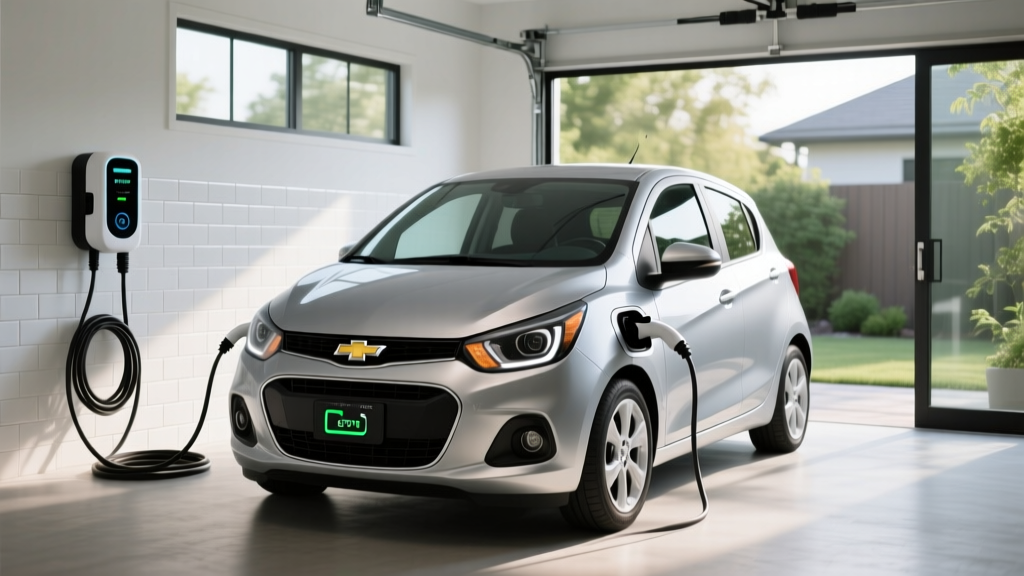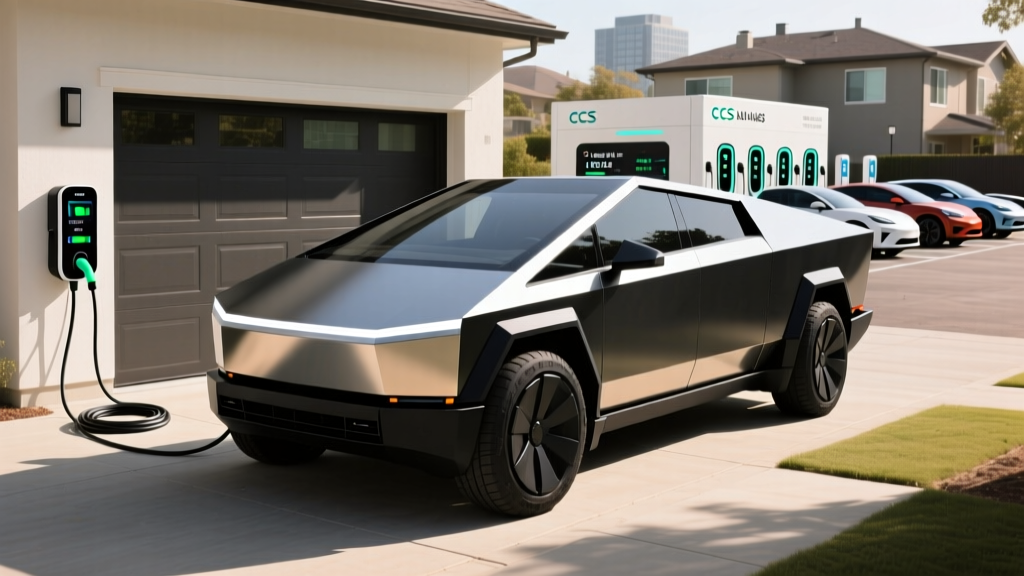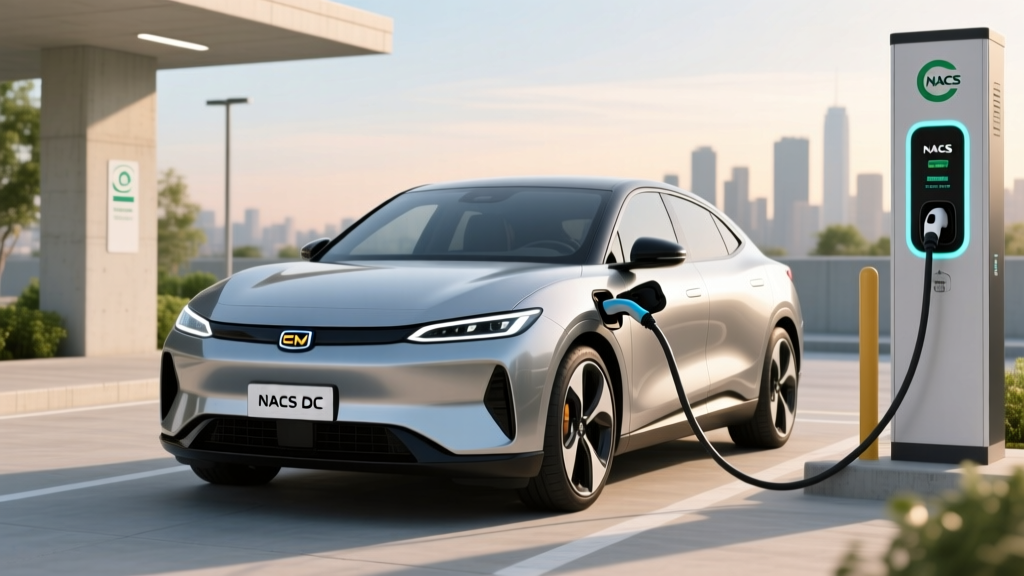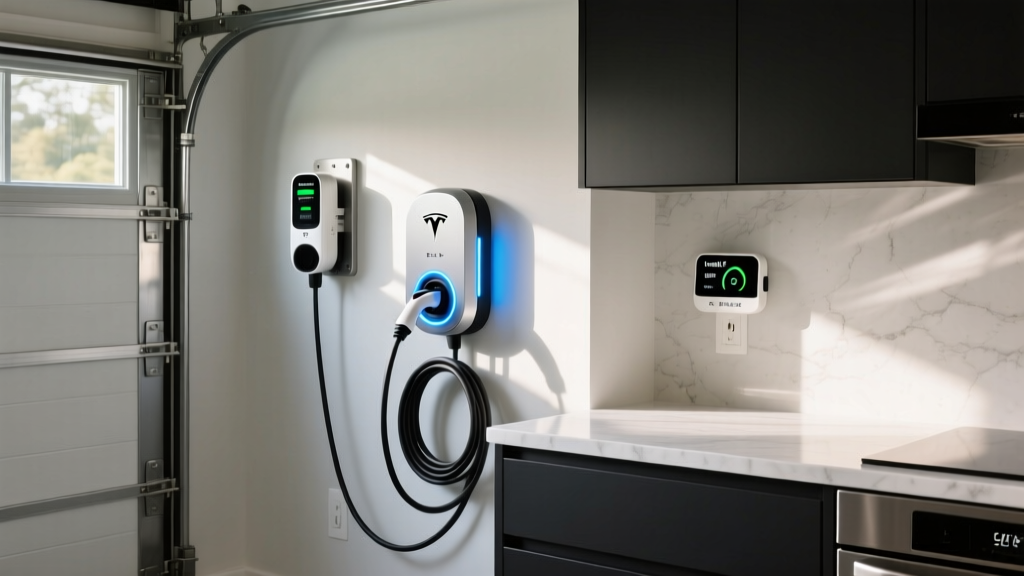
When EV owners search for the "cost of Supercharger installation," they're usually asking one of two things: how much it costs Tesla to build a public Supercharger station, or how much it costs to install a high-speed Level 2 charger in their own garage. Public Supercharger stalls cost Tesla between $25,000 and $150,000+ per stall to deploy—a commercial infrastructure expense. For homeowners, the practical question is the cost of installing a Tesla Wall Connector or equivalent Level 2 home charger. That number typically ranges from $500 to $2,500+ total, depending on your electrical panel, wiring distance, and local permit fees.
This guide breaks down every line item, explains what you actually get at each charging level, and helps you determine whether your home's electrical system can support a dedicated 240V circuit without a costly panel upgrade.
Charging Levels Explained: Speeds, Power, and Range Added
Before evaluating installation costs, you need to understand the three charging levels available to EV owners. The critical distinction: kW (kilowatts) measures power—the rate at which energy flows into your battery. kWh (kilowatt-hours) measures energy—the total capacity stored in your battery. A 75 kWh battery charged at 11.5 kW will take roughly 6.5 hours from empty to full.
| Level | Voltage | Max Power (kW) | Miles of Range Added/Hour | Typical Use |
|---|---|---|---|---|
| Level 1 | 120V AC | 1.4–1.9 kW | 3–5 miles | Overnight trickle; PHEV-friendly |
| Level 2 (Home) | 240V AC | 7.2–19.2 kW | 20–60 miles | Daily home charging; primary EV setup |
| DC Fast Charging | 200–800V DC | 50–350 kW | 150–1,000+ miles (equivalent) | Road trips; 10–80% in 18–45 min |
Level 2 is the sweet spot for home installation. A 48-amp (11.5 kW) Level 2 charger on a 240V circuit adds roughly 35–44 miles of range per hour for a mid-size EV like the Tesla Model Y or Hyundai Ioniq 5. That means a depleted 75 kWh battery reaches 80% in about 5–6 hours—perfectly adequate for overnight charging.
DC Fast Charging, including Tesla's Supercharger network, is not something you install at home. These stations deliver 150–350 kW of direct current, requiring commercial-grade electrical infrastructure, utility transformers, and three-phase power. When people reference "Supercharger installation cost" in a residential context, they mean installing the fastest practical home charger: a hardwired Level 2 unit.
How Much Does It Cost to Install a Home EV Charger?
The total cost of installing a Level 2 home charger breaks down into three components: the charger hardware, the electrician's labor and materials, and local permit fees. Here's a realistic breakdown based on 2025–2026 pricing data from licensed electricians and EV owner surveys.
| Component | Simple Install (Panel Nearby) | Standard Install (50–80 ft run) | Complex Install (Panel Upgrade Needed) |
|---|---|---|---|
| Level 2 Charger (Hardware) | $350–$700 | $350–$700 | $350–$700 |
| Electrician Labor & Wiring | $300–$600 | $600–$1,200 | $800–$1,500 |
| Electrical Permit | $50–$150 | $50–$150 | $50–$200 |
| Panel Upgrade (if needed) | $0 | $0 | $1,500–$4,000 |
| Total Estimated Cost | $700–$1,450 | $1,000–$2,050 | $2,700–$6,400 |
Best-case scenario: Your electrical panel is 200 amps or larger, has spare breaker slots, and sits within 20 feet of your garage or desired charger location. An electrician runs a short conduit with 6 AWG copper wire, installs a NEMA 14-50 outlet or hardwires the unit, and pulls a standard permit. Total: $700–$1,450.
Typical scenario: Your panel is 40–80 feet from the charger. The electrician runs conduit along walls or through crawl space, uses 4 AWG wire for the longer distance, and mounts the charger. Total: $1,000–$2,050.
Worst-case scenario: Your home has a 100-amp panel from the 1970s or 1980s with no spare capacity. Adding a 40–60 amp dedicated circuit for an EV charger requires upgrading to a 200-amp panel—a significant job involving the utility company, new meter base, and potentially new service entrance wiring. This can add $1,500–$4,000+ to the project. According to the National Electrical Code (NEC), a Level 2 charger on a 60-amp breaker requires that the circuit not exceed 80% continuous load (48 amps), meaning your panel must have genuine headroom for this draw.
Electrical Requirements: Voltage, Amperage, and Panel Upgrades
A Level 2 home charger requires a 240V dedicated circuit—the same voltage as your electric dryer or oven. The amperage determines charging speed:
- 32-amp circuit (40A breaker): Delivers 7.7 kW. Adds ~25–28 miles/hour. Adequate for smaller batteries or PHEVs.
- 40-amp circuit (50A breaker): Delivers 9.6 kW. Adds ~30–36 miles/hour. Common for NEMA 14-50 outlets.
- 48-amp circuit (60A breaker): Delivers 11.5 kW. Adds ~36–44 miles/hour. Standard for hardwired Tesla Wall Connector and ChargePoint Home Flex.
- 64-amp circuit (80A breaker): Delivers 15.4–19.2 kW. Adds ~50–60 miles/hour. Requires robust panel capacity and thicker wire.
The NEC requires that continuous loads (defined as operating for 3+ hours) not exceed 80% of the circuit breaker rating. This means a 60-amp breaker supports 48 amps continuous—the standard for most high-power home chargers. Never install a charger that draws more than 80% of the breaker's rated capacity.
Charging Time Examples: 10–80% at Home vs. DC Fast
EV charging isn't linear. Batteries accept power fastest between roughly 10–60% State of Charge (SoC), then the charging curve tapers significantly above 80% to protect battery chemistry from heat and lithium plating. This is why manufacturers and testers quote "10–80%" times rather than 0–100%.
Here's what to expect with common battery sizes:
| Battery Size | Example Vehicles | Level 2 at 11.5 kW (Home) | DC Fast at 150 kW | DC Fast at 250+ kW |
|---|---|---|---|---|
| 62 kWh usable | Chevrolet Equinox EV, Nissan Ariya | ~3.8 hours | ~28–32 min | ~20–25 min |
| 75 kWh usable | Tesla Model Y, Ford Mustang Mach-E | ~4.6 hours | ~32–38 min | ~22–28 min |
| 84 kWh usable | Hyundai Ioniq 5, Kia EV6 | ~5.1 hours | ~18–22 min (E-GMP) | ~15–18 min |
| 100 kWh usable | Tesla Model S, Rivian R1S | ~6.1 hours | ~38–45 min | ~28–35 min |
Note that Hyundai/Kia's E-GMP platform vehicles (Ioniq 5, EV6, GV60) support 800V DC fast charging architecture, enabling them to sustain higher charge rates longer. At a 350 kW Electrify America or Ionity station, the Ioniq 5 can hit 10–80% in roughly 18 minutes—a class-leading result. At home on Level 2, however, they charge at the same rate as comparable 400V vehicles because the onboard AC charger caps at 10.9–11.5 kW.
Connector Compatibility: NACS, CCS1, and CHAdeMO
The North American EV charging connector landscape has consolidated significantly since 2023, when Ford, GM, Rivian, and most major automakers committed to adopting Tesla's North American Charging Standard (NACS) for their vehicles. Here's where things stand for the 2025–2026 model years:
| Connector | Brands Using It | Home Charger Needed |
|---|---|---|
| NACS (Tesla) | Tesla (all), Ford (2025+), GM (2025+), Rivian (2025+), Hyundai/Kia (2025+), Volvo/Polestar (2025+) | Tesla Wall Connector, Emporia Vue with NACS, or CCS charger + adapter |
| CCS1 | Volkswagen ID.4 (carryover), BMW iX/i4 (2024–), older Ford/GM models, Honda Prologue | ChargePoint Home Flex, Emporia Vue, JuiceBox with CCS connector |
| CHAdeMO | Nissan Leaf (legacy only — discontinued for new US sales) | Rarely available for home; mostly public DC stations |
Key takeaway for 2025–2026 buyers: If you're purchasing a new EV, it almost certainly uses NACS or CCS1. The Tesla Wall Connector now ships with a NACS plug natively and is compatible with all NACS-equipped vehicles from Ford, GM, Rivian, and others. If you own a CCS1 vehicle (e.g., a 2024 VW ID.4), you can use a NACS-to-CCS adapter (available from Tesla for ~$250) at Superchargers, or install a CCS-equipped home charger.
CHAdeMO is effectively dead for new vehicles in North America. Nissan's Ariya uses CCS1, not CHAdeMO. If you own a used Nissan Leaf with CHAdeMO, public charging options are shrinking as networks retire CHAdeMO connectors.
Cost to Charge: Home vs. Public vs. Gas per Mile
One of the strongest arguments for home Level 2 charging is cost. Electricity prices vary widely by state, but home charging almost always undercuts gasoline on a per-mile basis.
| Scenario | Rate | Cost per Mile (250 Wh/mi EV) | Annual Cost (12,000 mi) |
|---|---|---|---|
| Home Level 2 (national avg.) | $0.16/kWh | $0.040 | $480 |
| Home Level 2 (off-peak TOU rate) | $0.08–$0.10/kWh | $0.020–$0.025 | $240–$300 |
| Public Level 2 (workplace/mall) | $0.25–$0.39/kWh | $0.063–$0.098 | $750–$1,170 |
| DC Fast (Tesla Supercharger avg.) | $0.28–$0.36/kWh | $0.070–$0.090 | $840–$1,080 |
| DC Fast (Electrify America) | $0.36–$0.48/kWh | $0.090–$0.120 | $1,080–$1,440 |
| Gasoline (25 MPG avg. at $3.40/gal) | $3.40/gallon | $0.136 | $1,632 |
At a national average residential electricity rate of ~$0.16/kWh (per the U.S. Energy Information Administration), an EV consuming 250 watt-hours per mile costs about 4 cents per mile to fuel at home. Compare that to a gas car averaging 25 MPG at $3.40/gallon: 13.6 cents per mile—more than three times the cost.
Time-of-Use (TOU) rates offered by many utilities can cut home charging costs in half. If your utility offers off-peak rates between 10 PM and 6 AM, scheduling your Level 2 charger to operate during those windows can bring your cost per mile down to 2 cents. Most smart chargers (Tesla Wall Connector, ChargePoint Home Flex, Emporia Vue) include scheduled charging features built into their apps.
Best Level 2 Home Chargers for 2025–2026
We evaluate home chargers on five criteria: power output, connector compatibility, cable length, smart features, and value. These are the top picks for most EV owners:
Tesla Wall Connector (Gen 3)
- Power: Up to 11.5 kW (48A)
- Connector: NACS (native)
- Cable Length: 24 feet
- Smart Features: Wi-Fi, OTA updates, load sharing with second unit, access control
- Price: ~$475
- Best For: Tesla owners and NACS-equipped Ford/GM/Rivian vehicles
ChargePoint Home Flex
- Power: Up to 12 kW (50A) configurable
- Connector: NACS or CCS1 (select at purchase)
- Cable Length: 23 feet
- Smart Features: Wi-Fi, app scheduling, energy reporting, Alexa integration
- Price: ~$550–$700
- Best For: CCS1 vehicle owners; adjustable amperage for panel flexibility
Emporia Vue Smart EV Charger
- Power: Up to 11.5 kW (48A)
- Connector: NACS or J1772 (with adapter for CCS1)
- Cable Length: 24 feet
- Smart Features: Whole-home energy monitoring integration, solar-aware charging, load management
- Price: ~$400–$500
- Best For: Solar panel owners; budget-conscious buyers wanting smart features
Grizzl-E Smart
- Power: Up to 10 kW (40A)
- Connector: J1772 (NACS adapter available)
- Cable Length: 24 feet
- Smart Features: OCPP protocol support, adjustable amperage, rugged outdoor build
- Price: ~$400–$450
- Best For: Outdoor installations; cold-climate durability; Canadian-built
For most buyers in 2025–2026, the Tesla Wall Connector offers the best combination of price, power, and smart features—especially if your EV uses NACS. The ChargePoint Home Flex is the strongest pick for CCS1 vehicles, with the added advantage of configurable amperage (you can dial it from 16A to 50A to match your panel's capacity).
Safety, Code Compliance, and Installation Best Practices
EV chargers draw significant continuous current for hours at a time. Proper installation isn't optional—it's a fire safety requirement. Here's what code-compliant installation looks like:
- Dedicated circuit: Your Level 2 charger must be on its own dedicated breaker. It cannot share a circuit with other appliances.
- GFCI protection: The 2023 NEC revision (and subsequent local adoptions) requires GFCI protection for all 240V EV charging outlets rated 60 amps or less. Hardwired installations may be exempt in some jurisdictions—ask your electrician about local code.
- Outdoor rating: If your charger is mounted outside or in an open carport, it must carry a NEMA 4 (weatherproof) rating. All chargers listed above meet this standard.
- Wire gauge: For a 48-amp continuous load on a 60-amp breaker, 6 AWG copper wire is standard for runs up to ~50 feet. Longer runs may require 4 AWG to minimize voltage drop.
- Permit and inspection: Most jurisdictions require an electrical permit for new 240V circuits. The inspection ensures proper wire sizing, breaker rating, grounding, and GFCI compliance. Skipping the permit risks insurance claim denials and code violations when selling your home.
Never use an extension cord with an EV charger. Never plug a Level 2 charger into a circuit that also powers other high-draw appliances. And always hire a licensed electrician—this is not a DIY project.
Frequently Asked Questions
Can I install a Tesla Supercharger at home?
No. Tesla Superchargers are DC fast chargers delivering 150–350 kW that require commercial-grade electrical infrastructure, including three-phase power and utility-grade transformers. The fastest charger you can practically install at home is a Level 2 unit like the Tesla Wall Connector, which delivers up to 11.5 kW on a 240V circuit.
How much does it cost to install a home EV charger?
Total installed cost ranges from $700–$1,450 for a simple install near your electrical panel, to $1,000–$2,050 for a standard 50–80 foot wire run, to $2,700–$6,400+ if your home requires a panel upgrade from 100A to 200A service.
Do I need a panel upgrade for a Level 2 charger?
Possibly. Homes with 100-amp or 150-amp panels built before 1990 often lack the spare capacity for a 48-amp continuous EV charging load while simultaneously running HVAC, an electric range, and a dryer. Your electrician will perform a NEC Article 220 load calculation to determine whether an upgrade is required.
Is a NEMA 14-50 outlet better than hardwiring?
Hardwiring is generally preferred for new installations. It eliminates the GFCI breaker requirement (which can nuisance-trip on some chargers), allows higher amperage (48A hardwired vs. 40A on a 14-50 outlet with a 50A breaker), and reduces points of failure. A NEMA 14-50 outlet is a good choice only if you plan to take the charger with you when you move or want the flexibility to plug in a different unit.
How fast will a Level 2 home charger add range?
A 48-amp (11.5 kW) Level 2 charger adds approximately 36–44 miles of range per hour to a typical EV consuming 250–300 Wh/mi. Over an 8-hour overnight charge, that's 288–352 miles of range—more than enough to replenish any daily driving for the vast majority of EV owners.
How much does home charging cost vs. gas?
At the US average residential rate of ~$0.16/kWh, home EV charging costs approximately 4 cents per mile for an efficient EV. A comparable gas car at 25 MPG and $3.40/gallon costs about 13.6 cents per mile. Over 12,000 miles annually, home charging saves roughly $1,100–$1,200 per year in fuel costs.