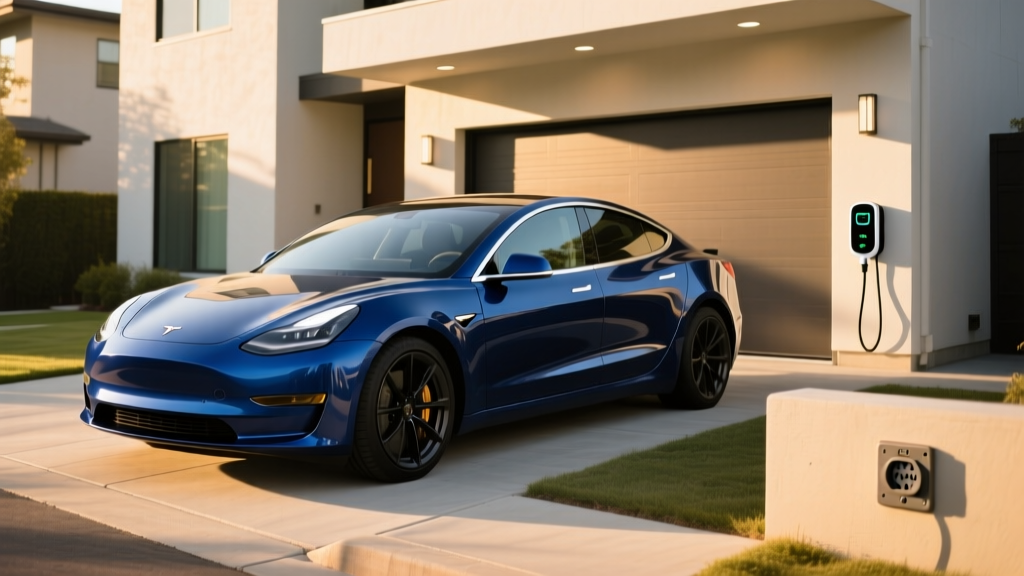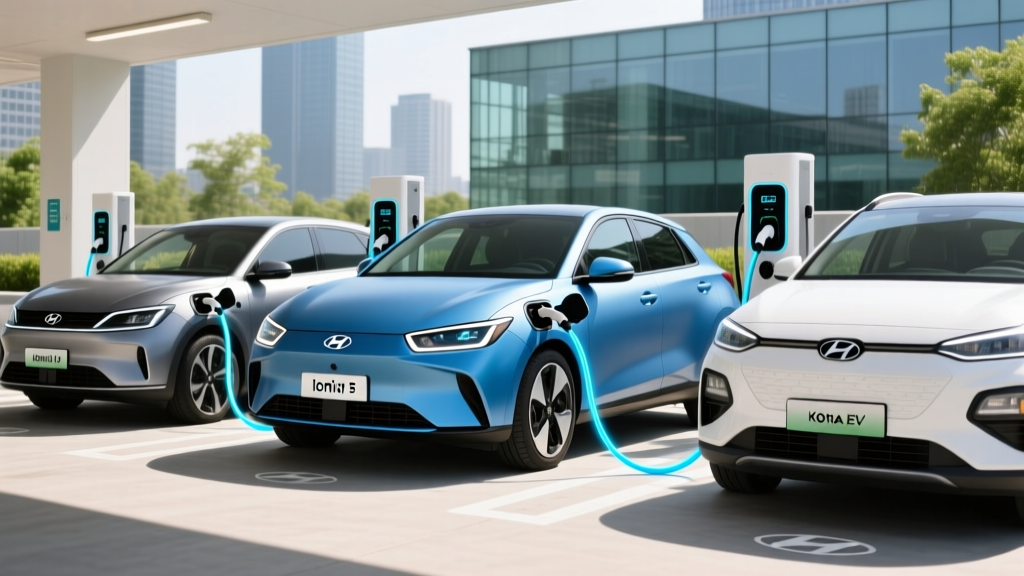
If you're an electric vehicle owner in northern Illinois, the ComEd EV charger rebate program can significantly reduce the upfront cost of installing a home Level 2 charging station. But navigating utility incentive programs alongside electrical requirements, equipment selection, and permitting can feel overwhelming. This guide breaks down exactly what the rebate covers, what you'll pay out of pocket, and how to set up a reliable home charging system that adds meaningful range overnight.
ComEd (Commonwealth Edison) serves roughly 4 million customers across Chicago and northern Illinois. Their EV rebate programs have evolved over recent years, and as of 2026, qualifying customers can receive rebates for both the charger hardware and the associated electrical installation work. Understanding the full picture — from your electrical panel's capacity to the connector your EV requires — ensures you don't leave money on the table or end up with equipment that doesn't match your vehicle.
Understanding EV Charging Levels and Speeds
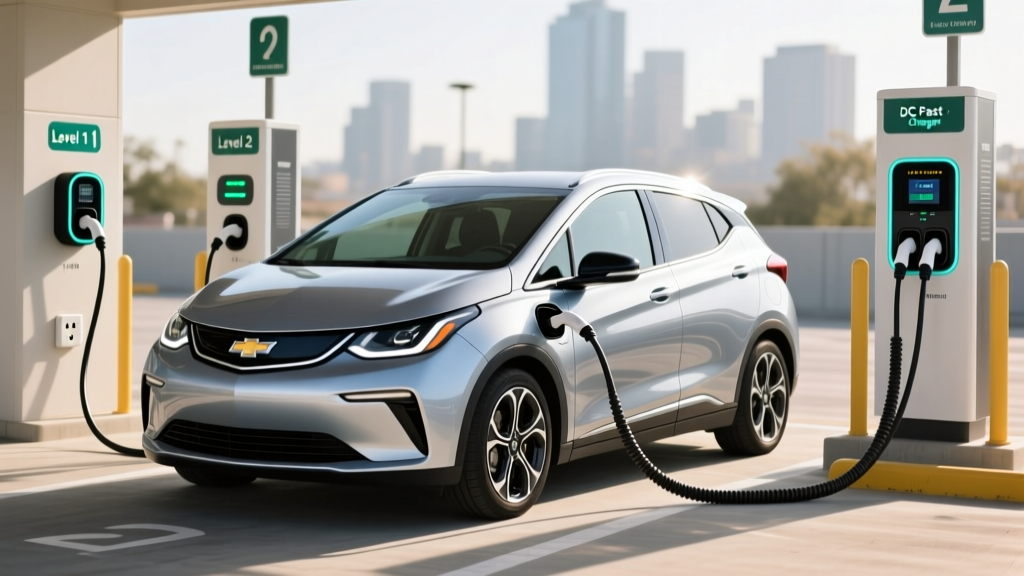
Before evaluating rebates or buying equipment, you need clarity on the three charging levels available to EV owners. The critical distinction: kW (kilowatts) measures power — how fast energy flows into your battery. kWh (kilowatt-hours) measures energy — the total capacity of your battery, like gallons in a fuel tank. A 75 kWh battery charged at 7.2 kW takes roughly 10 hours from empty to full.
| Level | Voltage | Power (kW) | Miles of Range Added Per Hour | Best Use Case |
|---|---|---|---|---|
| Level 1 | 120V AC | 1.2–1.9 kW | 3–5 miles | Overnight top-up, PHEVs, low-mileage drivers |
| Level 2 | 240V AC | 3.3–19.2 kW | 12–75 miles | Primary home charging, daily use |
| DC Fast Charging | 400–800V DC | 50–350 kW | 150–1,200 miles/hr equivalent | Road trips, rapid top-ups (10–80% in 18–45 min) |
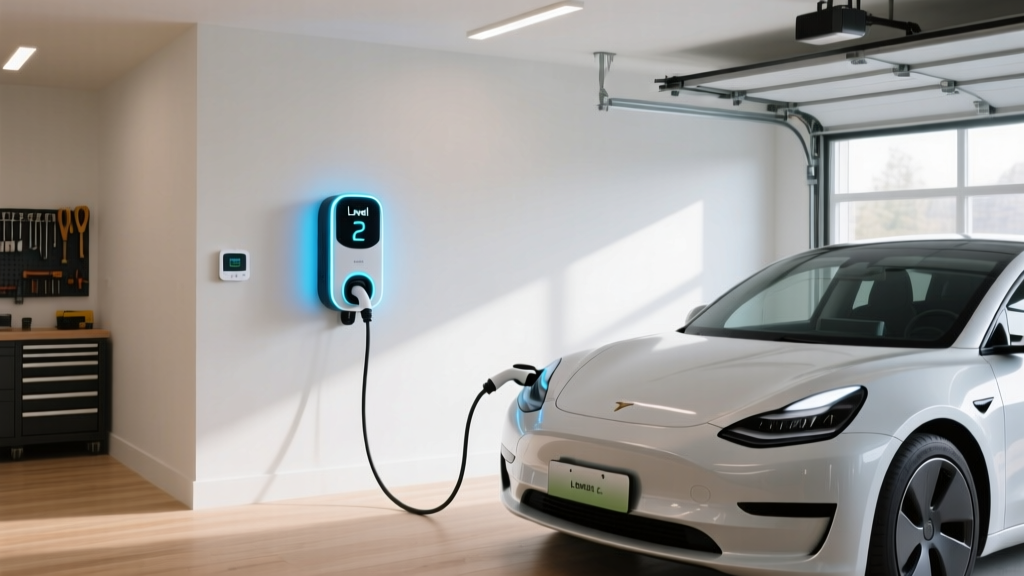
Level 2 is the standard for dedicated home charging and is what the ComEd EV charger rebate targets. Most residential installations use a 240V circuit delivering between 7.2 kW (30A) and 11.5 kW (48A). DC fast charging is only available at public stations — you cannot install DCFC equipment in a typical home due to the extreme electrical requirements (480V three-phase power and utility-grade infrastructure).
The ComEd EV Charger Rebate: What's Covered in 2026
ComEd's residential EV rebate programs are designed to lower the barrier to home charging. The specifics evolve annually based on ComEd's current rebate listings and Illinois state energy policy, but here's what qualifying customers can typically expect:
- Level 2 charger hardware rebate: Partial or full reimbursement for a qualifying smart EV charger (typically $250–$500, depending on the program cycle and charger model).
- Electrical installation rebate: Coverage for a portion of the electrician's labor and materials for running a dedicated 240V circuit from your panel to the charger location. This can range from $200 to over $1,000 depending on the program year and your installation complexity.
- Make-ready incentive: Some ComEd programs cover the "make-ready" costs — the wiring, conduit, and panel work needed before the charger is even plugged in — separate from the charger itself.
- Time-of-use (TOU) rate enrollment: ComEd often pairs rebates with enrollment in their EV-specific TOU rate plan, which offers significantly lower per-kWh pricing during off-peak hours (typically overnight, e.g., 10 PM to 6 AM).
Eligibility generally requires that you are a ComEd residential customer, own or lease an eligible EV or PHEV, use a ComEd-approved smart charger (Wi-Fi enabled, capable of load management), and have the installation performed by a licensed electrician who pulls the required permits. Always verify current program terms directly with ComEd before purchasing equipment, as rebate amounts, qualifying charger lists, and income-based tiering can change year to year.
Home Installation: Electrical Requirements and Costs
The single most variable factor in home EV charger installation is your existing electrical panel. Here's what determines the final cost:
Circuit and Amperage Requirements
A standard Level 2 home charger requires a dedicated 240V circuit. National Electrical Code (NEC) rules require that continuous loads (which EV charging is classified as) use only 80% of a circuit's rated capacity. This means:
- A 40A charger (9.6 kW) requires a 50A breaker and appropriately rated wire (6 AWG copper or 4 AWG aluminum).
- A 48A charger (11.5 kW) requires a 60A breaker and 4 AWG copper wire.
- A 32A charger (7.7 kW) requires a 40A breaker and 8 AWG copper wire.
Panel Capacity and Upgrade Needs
Most modern homes have a 200A main electrical panel. If your panel is already near capacity (running central AC, electric oven, electric dryer, and water heater), adding a 50–60A EV circuit may require either a panel upgrade to 300–400A or a load management device that dynamically reduces charger amperage when other large appliances are running. Older homes with 100A or 150A panels almost always need an upgrade before adding Level 2 EV charging.
A panel upgrade is the single biggest cost variable. A 200A-to-400A upgrade typically runs $2,500–$5,000 depending on your municipality, the utility drop location, and whether a new meter base is needed. This is where the ComEd EV charger rebate — particularly any make-ready or installation component — can offset a meaningful portion of the expense.
Installation Cost Breakdown
| Component | Simple Install (Panel Nearby) | Complex Install (Long Run / Panel Upgrade) |
|---|---|---|
| EV Charger Hardware (40–48A smart charger) | $350–$700 | $350–$700 |
| Electrical Permit | $50–$150 | $50–$200 |
| Electrician Labor (dedicated circuit, wiring, outlet/hardwire) | $500–$1,200 | $1,500–$3,500 |
| Wire and Conduit Materials | $100–$300 | $400–$1,200 |
| Panel Upgrade (if needed) | $0 | $2,500–$5,000 |
| Load Management Device (if needed) | $0 | $300–$600 |
| Total Before Rebates | $1,000–$2,350 | $5,100–$11,200 |
| Estimated ComEd Rebate Offset | –$250 to –$1,000 | –$500 to –$1,500 |
| Net Out-of-Pocket (Estimated) | $0–$2,100 | $3,600–$10,700 |
These ranges reflect licensed electrician rates in the Chicago metro area as of early 2026. Rural ComEd territory may see slightly lower labor costs but potentially longer wire runs. Always get at least three quotes and confirm the electrician will pull a permit — unpermitted work can void your ComEd rebate and create insurance issues.
Connector Compatibility: NACS, CCS, and CHAdeMO
The EV industry underwent a major connector transition between 2023 and 2025, with most automakers adopting the North American Charging Standard (NACS) — originally developed by Tesla — replacing or supplementing the older CCS1 connector. Here's where things stand for 2026 model-year vehicles:
| Connector | Brands Using It (Native) | Home Charger Availability |
|---|---|---|
| NACS (J3400) | Tesla, Ford, GM, Rivian, Volvo, Polestar, Mercedes-Benz, Nissan (new models), Hyundai/Kia (new models) | Widely available — Tesla Wall Connector, ChargePoint Home Flex (NACS version), Emporia Vue (NACS) |
| CCS1 | BMW, Volkswagen, older Hyundai/Kia, older Ford/GM models, Stellantis | Widely available — ChargePoint Home Flex, Emporia Vue, Enel X JuiceBox |
| CHAdeMO | Nissan Leaf (legacy), Mitsubishi Outlander PHEV (legacy) | Limited — mostly discontinued for home units; use CCS-to-CHAdeMO adapter or replace charger |
Key decision point: If you drive a 2025+ Ford, GM, Rivian, or Volvo with a native NACS port, buy a NACS-equipped home charger. If your EV has a CCS1 port, buy a CCS1 charger. Adapters exist (NACS-to-CCS and CCS-to-NACS) and work well for DC fast charging on the road, but for daily home charging, a native connector is more reliable and avoids the wear of repeated adapter use.
For Level 2 home charging, the J1772 connector (the round plug used by all non-Tesla EVs before 2024) is being phased out but is functionally identical to CCS1's AC charging pins. Most CCS1 home chargers use a J1772 plug and are fully compatible with any CCS1-port vehicle.
Equipment Recommendations: Best Level 2 Chargers for ComEd Customers
ComEd rebate programs typically require a smart charger — one with Wi-Fi connectivity and the ability to participate in demand-response or time-of-use scheduling. Here are top picks that meet those criteria:
ChargePoint Home Flex (NACS or J1772)
- Power Output: Up to 12 kW (50A) on a 60A circuit; adjustable down to 16A
- Cable Length: 23 feet
- Smart Features: Wi-Fi, app-based scheduling, Alexa/Google integration, energy tracking, TOU optimization
- Connector Options: NACS or J1772 (CCS-compatible)
- Price: ~$550–$700
- ComEd Rebate Eligible: Yes — check current approved list
Tesla Wall Connector (NACS)
- Power Output: Up to 11.5 kW (48A) on a 60A circuit
- Cable Length: 24 feet
- Smart Features: Wi-Fi, OTA updates, power sharing (multiple units on one circuit), Tesla app integration
- Connector: NACS native; J1772 adapter available separately (~$50)
- Price: ~$475
- ComEd Rebate Eligible: Verify on current list — historically eligible
Emporia Vue Smart Charger (NACS or J1772)
- Power Output: Up to 11.5 kW (48A) on a 60A circuit
- Cable Length: 24 feet
- Smart Features: Wi-Fi, whole-home energy monitoring integration, solar-aware charging, detailed cost tracking
- Connector Options: NACS or J1772
- Price: ~$400–$500
- ComEd Rebate Eligible: Check current approved list
For most ComEd customers, the ChargePoint Home Flex offers the best combination of adjustability (you can set the amperage to match your circuit), robust app features for TOU scheduling, and broad rebate eligibility. If you drive a Tesla or a newer NACS-equipped Ford/GM/Rivian, the Tesla Wall Connector is an excellent value at its lower price point and includes power-sharing capability if you plan to charge two EVs on a single circuit.
Cost to Charge: Home vs. Public vs. Gas
One of the most compelling reasons to install a home Level 2 charger is the per-mile cost advantage. ComEd's residential rates in 2026 average around $0.14–$0.17/kWh on the standard rate, but their EV-specific time-of-use plan can drop off-peak (overnight) rates to approximately $0.07–$0.09/kWh. Here's how that translates:
| Scenario | Rate/Cost | Cost Per Mile (at 3.5 mi/kWh or 28 MPG) |
|---|---|---|
| Home Off-Peak (ComEd EV TOU Rate) | $0.08/kWh | $0.023/mile |
| Home Standard Rate | $0.15/kWh | $0.043/mile |
| Public Level 2 (ChargePoint, EVgo L2) | $0.25–$0.39/kWh | $0.071–$0.111/mile |
| DC Fast Charging (Electrify America, Tesla Supercharger) | $0.35–$0.55/kWh | $0.100–$0.157/mile |
| Gasoline Vehicle (28 MPG combined, $3.50/gal) | $3.50/gallon | $0.125/mile |
| Gasoline Vehicle (28 MPG combined, $4.20/gal) | $4.20/gallon | $0.150/mile |
At ComEd's off-peak TOU rate, home charging costs roughly 80–85% less per mile than a 28 MPG gasoline vehicle. Even at the standard residential rate, you save about 65–70% per mile. Public DC fast charging approaches gasoline costs at higher kWh prices, which is why home charging remains the economic backbone of EV ownership.
For a driver covering 12,000 miles annually, the difference is substantial: roughly $275/year for home off-peak charging versus $1,500–$1,800/year for gasoline. That's a savings of $1,200–$1,500 per year, which pays back a Level 2 installation within 1–3 years even before factoring in the ComEd EV charger rebate.
Safety, Code, and Permit Requirements
EV charger installations must comply with the National Electrical Code (NEC Article 625) and local amendments enforced by your municipality's building department. Key requirements include:
- Dedicated circuit: Your Level 2 charger must be on its own dedicated breaker — it cannot share a circuit with other outlets or appliances.
- GFCI protection: NEC 2020 and later requires GFCI (Ground Fault Circuit Interrupter) protection for all EV charging outlets rated 150V to ground or less and 50A or less. Hardwired installations may be exempt in some jurisdictions, which is one reason many installers prefer hardwiring over a NEMA 14-50 receptacle.
- Outdoor rating: If your charger is installed outdoors (garage-adjacent, driveway, carport), the unit must carry a NEMA 4 or NEMA 4X rating for weather resistance. All three chargers recommended above carry outdoor ratings.
- Permit and inspection: A licensed electrician must pull an electrical permit from your local building department. After installation, a municipal inspector will verify the work meets code. This inspection is typically required to claim the ComEd EV charger rebate — keep your permit documentation and final inspection certificate.
- Wire sizing and conduit: Wire gauge must match the breaker amperage and run length. Longer runs (over 50 feet from panel to charger) may require upsized wire to prevent voltage drop beyond 3%.
Charging Time Examples: How Long Does It Take?
Charge time depends on your battery's usable capacity (in kWh) and your charger's sustained power output (in kW). Here are real-world estimates for common EV battery sizes on typical residential Level 2 circuits:
| Battery Size (Usable) | Example Vehicles | 7.2 kW (30A Circuit) | 9.6 kW (40A Circuit) | 11.5 kW (60A Circuit) |
|---|---|---|---|---|
| 58 kWh | VW ID.4 Standard, base Tesla Model 3 RWD | 5.6 hours | 4.2 hours | 3.5 hours |
| 75 kWh | Tesla Model Y LR, Ford Mach-E ER | 7.3 hours | 5.5 hours | 4.6 hours |
| 85–90 kWh | Tesla Model S, BMW iX, Rivian R1T (Max Pack) | 8.8 hours | 6.6 hours | 5.5 hours |
| 100+ kWh | GMC Hummer EV, Chevy Silverado EV (Max Range) | 10+ hours | 7.5+ hours | 6.3+ hours |
| 15–20 kWh (PHEV) | Toyota RAV4 Prime, Jeep Wrangler 4xe | 2.0–2.5 hours | 1.5–1.9 hours | 1.2–1.6 hours |
For most EV owners, a 48A (11.5 kW) installation on a 60A circuit provides the best balance: any mainstream EV charges from 10–80% overnight in under 5 hours, and PHEVs top off in roughly 90 minutes. If your panel capacity is limited, a 32A or 40A charger still fully replenishes most EV batteries overnight during an 8–10 hour off-peak window.
Frequently Asked Questions
How much does it cost to install a home EV charger with the ComEd rebate?
For a straightforward installation (panel has capacity, short wire run to a nearby garage wall), total costs typically range from $1,000 to $2,350 before rebates. With the ComEd EV charger rebate applied, many customers pay between $0 and $1,500 out of pocket. Complex installations requiring a panel upgrade can cost $5,000–$11,000 before rebates, with the rebate offsetting $500–$1,500 of that total.
How fast will each charging level add range?
Level 1 (120V) adds roughly 3–5 miles of range per hour — adequate for PHEVs or very low-mileage drivers. Level 2 (240V) adds 12–75 miles per hour depending on amperage, with a typical 48A home charger adding about 40–45 miles per hour for a mid-size SUV. DC fast charging adds the equivalent of 150–1,200 miles per hour, though sessions are limited to 10–80% and typically last 18–45 minutes depending on the vehicle and charger.
Which connector and charger is compatible with my EV?
Check your vehicle's charge port. 2025–2026 models from Tesla, Ford, GM, Rivian, Volvo, and Polestar use the NACS (J3400) connector. Most BMW, VW, and older non-Tesla EVs use CCS1 (which uses a J1772 plug for Level 2 AC charging). Nissan Leaf models use CHAdeMO. Buy a home charger with the matching connector — ChargePoint Home Flex, Tesla Wall Connector, and Emporia Vue all offer NACS and J1772 options.
How much does charging cost per mile compared to gas?
At ComEd's off-peak TOU rate (~$0.08/kWh), home EV charging costs approximately $0.023 per mile — about 80–85% less than a 28 MPG gasoline vehicle at $3.50/gallon ($0.125/mile). Even at the standard residential rate ($0.15/kWh), EV charging costs roughly $0.043/mile. Public DC fast charging ($0.35–$0.55/kWh) approaches gas-vehicle costs at $0.10–$0.16 per mile.
What electrical upgrades might I need before installing a Level 2 charger?
The most common upgrade is a panel capacity increase. If your home has a 100A or 150A panel, or a 200A panel that's already heavily loaded, you may need a 300A or 400A upgrade ($2,500–$5,000). Other potential upgrades include: a load management device ($300–$600) if you want to avoid a panel upgrade, wire upsizing for long runs over 50 feet, and utility service drop replacement if ComEd needs to upgrade the transformer feeding your home.
Does the ComEd rebate cover the electrician's work or just the charger?
ComEd rebate programs have historically covered both the charger hardware and a portion of the installation labor and materials, though the specific amounts and qualifying expenses vary by program year. Some cycles emphasize the "make-ready" infrastructure (wiring, conduit, panel work), while others focus on the charger unit itself. Always check the current program details on ComEd's rebate page before starting your project.
Do I need a NEMA 14-50 outlet or should I hardwire the charger?
Both approaches are valid. A NEMA 14-50 outlet provides portability — you can unplug and take the charger if you move, or swap chargers without rewiring. Hardwiring eliminates the outlet as a potential failure point, avoids the NEC 2020+ GFCI breaker requirement (which can cause nuisance trips with some EV/charger combinations), and is often preferred by inspectors. Most electricians recommend hardwiring for permanent installations.
Before purchasing any equipment or scheduling an electrician, confirm the current ComEd EV charger rebate terms, approved charger list, and enrollment requirements for their TOU rate plan. Pair the utility rebate with the federal §30D clean vehicle credit (if you're also purchasing a new EV) and any Illinois state incentives to maximize your total savings. A well-planned Level 2 home installation, combined with off-peak charging, delivers the lowest cost-per-mile transportation available today.