From Supercharged to Super-Efficient: Why Your Charging Setup Matters
If you're coming from a car like the Chevy Cobalt SS Supercharged — a 260-horsepower compact that could hit 60 mph in the mid-five-second range — you already understand performance. What changes when you go electric isn't the thrill; it's how you refuel. Instead of a quick stop at the pump, you'll plug in at home, at work, or at a DC fast-charging station. Getting the home charging setup right is the single most important decision a new EV owner makes.
This guide walks through the three charging levels, real installation costs (including the panel upgrades older homes often need), connector compatibility in the 2026 landscape, and exactly what you'll pay per mile compared to premium fuel. Whether you're eyeing a Tesla Model 3 Performance, a Hyundai Ioniq 5 N, or a Ford Mustang Mach-E GT, the charging fundamentals are the same.
The Three Charging Levels Explained
EV charging is categorized into three levels based on power delivery, measured in kilowatts (kW). Remember: kW is the rate of power delivery (like water pressure from a hose), while kWh is the total energy stored in your battery (like the size of the tank). This distinction is critical — a 10 kW charger running for one hour delivers 10 kWh of energy.
| Level | Voltage | Max Power (kW) | Miles of Range per Hour | Best For |
|---|---|---|---|---|
| Level 1 (120V) | 120V AC | 1.0–1.4 kW | 3–5 mi/hr | Overnight top-ups, PHEVs, low-mileage drivers |
| Level 2 (240V) | 240V AC | 3.3–19.2 kW | 12–75 mi/hr | Daily home charging, most EV owners |
| DC Fast Charging | 400–800V DC | 50–350 kW | 150–1,200+ mi/hr (peak) | Road trips, quick top-ups away from home |
Level 1 uses a standard household outlet. It comes free with most EVs (via the included mobile connector) but adds only about 4 miles of range per hour. A 75 kWh battery going from 10% to 80% would take roughly 44 hours — impractical for most BEV owners, but workable for a PHEV with a 30–40 mile electric range.
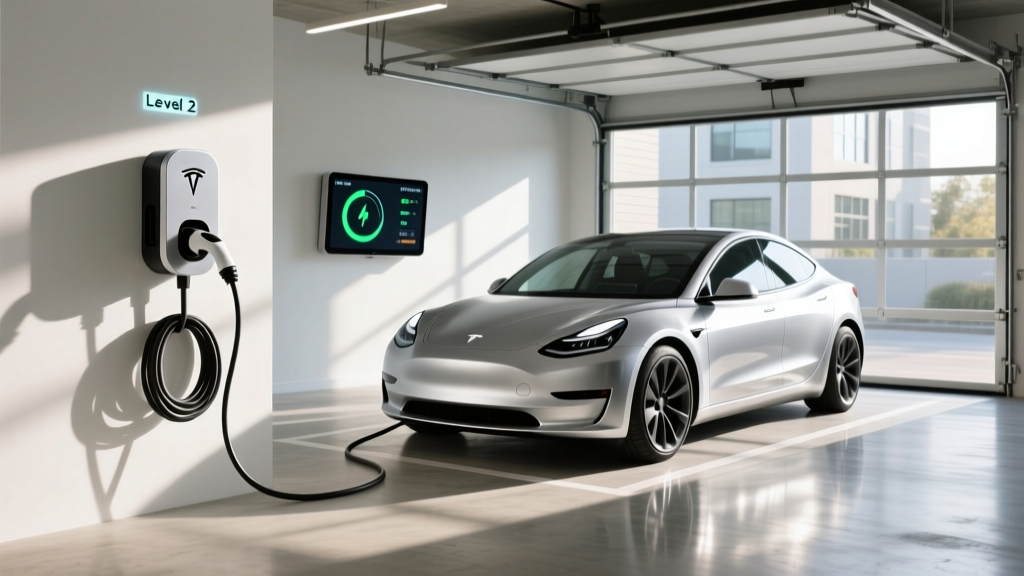
Level 2 requires a dedicated 240V circuit (the same voltage as your electric dryer or oven). At 48 amps / 11.5 kW — the most common hardwired home setup — you'll add roughly 40–45 miles of range per hour, enough to fully replenish most EVs overnight. This is the backbone of EV ownership.
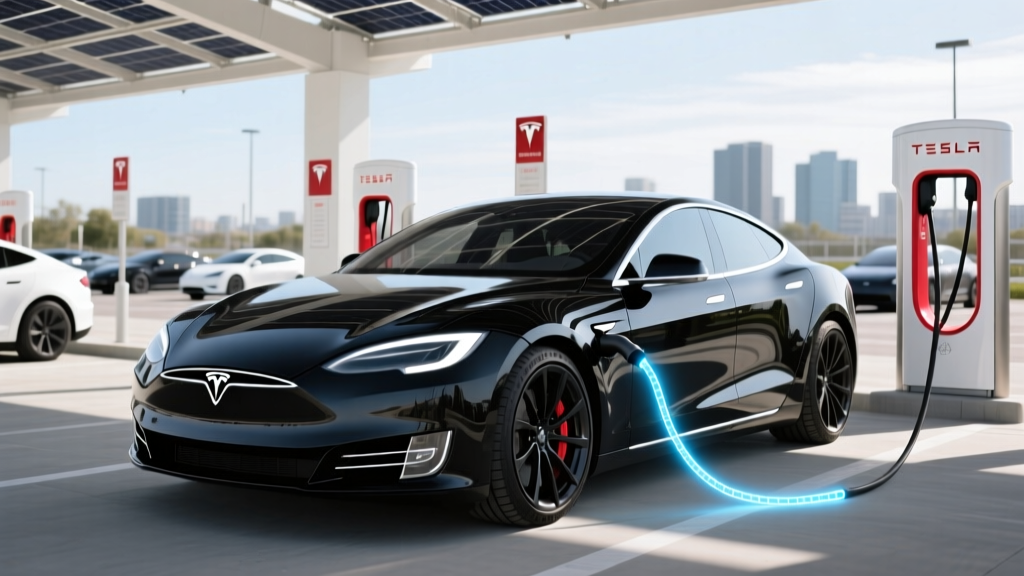
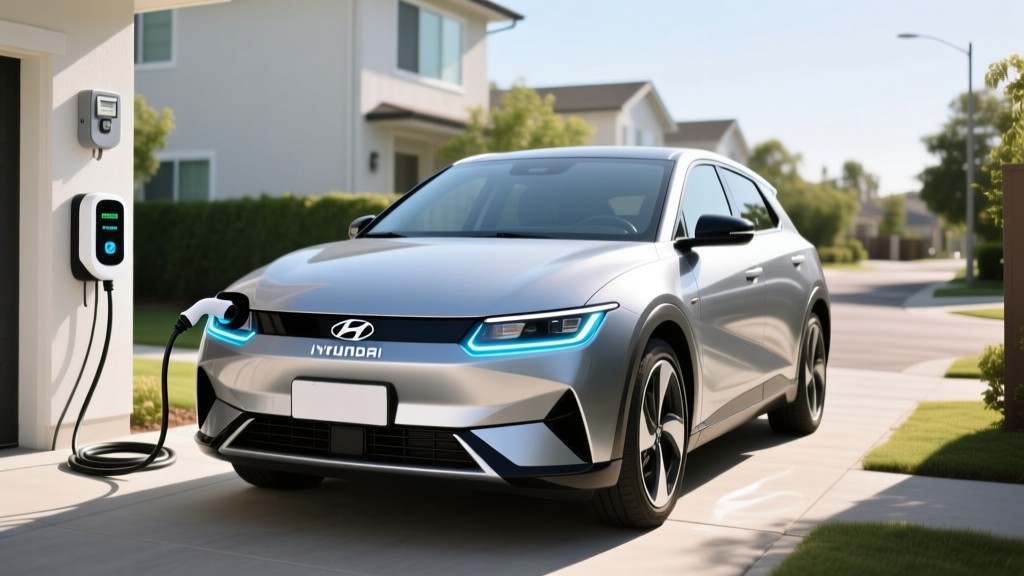
DC Fast Charging bypasses the vehicle's onboard charger and delivers direct current straight to the battery. Speeds vary enormously by vehicle and station. A Hyundai Ioniq 5 on a 350 kW charger can go from 10% to 80% in about 18 minutes, while an older Nissan Leaf on a 50 kW CHAdeMO station might take 60+ minutes. According to fueleconomy.gov, DC fast-charging speeds depend on battery temperature, state of charge, and the vehicle's maximum acceptance rate.
How Much Does It Cost to Install a Home EV Charger?
This is the question every new EV owner asks, and the honest answer is: it depends heavily on your home's electrical panel and the distance from the panel to your parking spot. Here's a realistic 2026 breakdown:
| Component | Low End | High End | Notes |
|---|---|---|---|
| Level 2 Charger (Equipment) | $350 | $750 | 40A–48A smart charger, 18–25 ft cable |
| Electrician Labor | $500 | $2,000 | Depends on wire run length and wall type |
| Permit & Inspection | $50 | $300 | Required in most jurisdictions |
| Electrical Panel Upgrade (if needed) | $1,500 | $4,000 | 100A → 200A service; common in pre-2000 homes |
| Total (no panel upgrade) | $900 | $3,050 | Most typical installs fall in $1,200–$1,800 |
| Total (with panel upgrade) | $2,400 | $7,050 | Older homes with 100A service |
The panel upgrade is the hidden cost that catches many buyers off guard. If your home has a 100-amp electrical panel — common in houses built before 2000 — adding a 40-amp dedicated circuit for a Level 2 charger may push you over the panel's safe capacity. A licensed electrician will perform a load calculation (NEC Article 220) to determine if an upgrade to 200A service is necessary.
Some newer homes, or those that have already been upgraded, can accommodate a Level 2 charger with just a new 240V circuit run. In the best-case scenario — panel is adjacent to the garage, 200A service already in place — you're looking at $900–$1,200 all-in.
As of 2026, the federal Alternative Fuel Vehicle Refueling Property Credit (§30C) can cover up to 30% of home charging equipment and installation costs (capped at $1,000), though income and census-tract eligibility restrictions apply. Check the IRS §30C page for current qualification rules.
Which Connector Does Your EV Use?
The connector landscape in 2026 has consolidated significantly. The North American Charging Standard (NACS), originally developed by Tesla, is now the dominant connector for new EVs. Here's where each brand stands:
| Connector | Brands Using It Natively | Adapter Needed? |
|---|---|---|
| NACS (Tesla) | Tesla, Ford, GM, Rivian, Volvo, Polestar, Hyundai/Kia (2025+), Nissan (Ariya 2025+) | N/A — native on most new EVs |
| CCS1 | Legacy models: VW ID.4 (pre-2025), BMW i4/iX, older Ford/GM EVs | CCS-to-NACS adapter ($150–$250) for Tesla Supercharger access |
| CHAdeMO | Nissan Leaf (discontinued), Mitsubishi Outlander PHEV | Limited future; CHAdeMO stations declining |
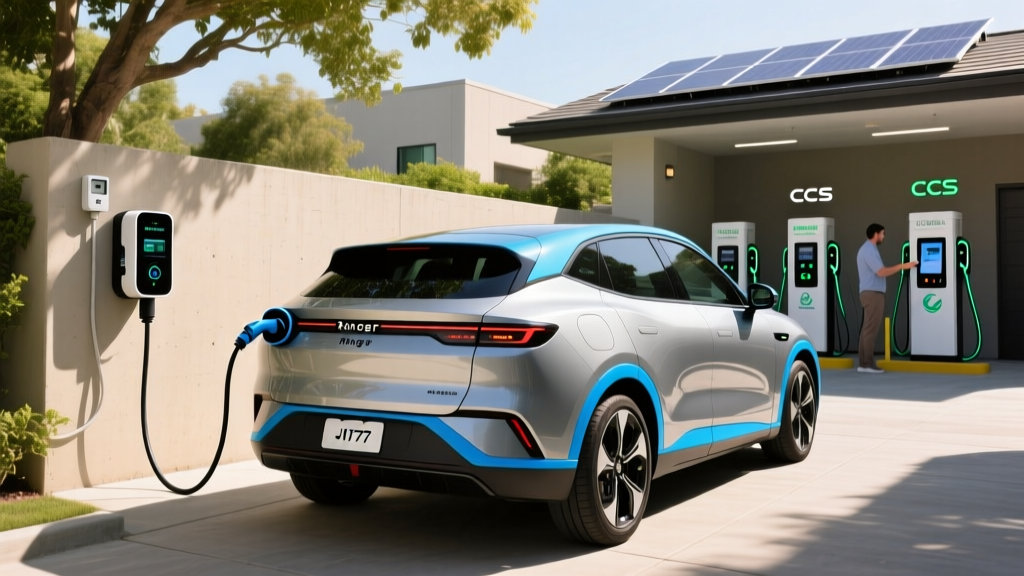
For home Level 2 charging, all EVs use the J1772 connector or NACS (which supports Level 2 AC through the same port on Tesla and newer NACS-equipped vehicles). Most home chargers ship with a J1772 plug; if your EV has NACS, you'll either buy a NACS-equipped home charger or use the J1772-to-NACS adapter that comes with many new EVs.
For public DC fast charging, NACS-equipped vehicles can access Tesla Superchargers (now open to other brands via the "Open Supercharging" program) as well as Electrify America, EVgo, and ChargePoint stations that have deployed NACS cables. CCS1 vehicles may need an adapter for Supercharger access.
Cost to Charge: EV Electricity vs. Premium Gas
Coming from a supercharged Cobalt SS that demanded premium fuel and returned roughly 22–25 mpg combined, the per-mile cost difference with an EV is dramatic. Here's a realistic comparison using 2026 averages:
| Scenario | Rate | Cost per Mile (Efficiency: 3 mi/kWh) | Annual Cost (12,000 mi) |
|---|---|---|---|
| Home charging (off-peak utility rate) | $0.11/kWh | $0.037 | $440 |
| Home charging (standard rate) | $0.16/kWh | $0.053 | $640 |
| Public Level 2 (ChargePoint, etc.) | $0.25–$0.35/kWh | $0.083–$0.117 | $1,000–$1,400 |
| DC Fast Charging (Electrify America) | $0.35–$0.55/kWh | $0.117–$0.183 | $1,400–$2,200 |
| Gas car (25 mpg, $3.80/gal premium) | $3.80/gal | $0.152 | $1,824 |
The takeaway: home charging is where the savings live. At off-peak rates, you'll spend roughly $440/year to drive 12,000 miles — less than a quarter of what the Cobalt SS Supercharged would cost at the pump. Even exclusive DC fast charging is competitive with premium gas on a per-mile basis, though few owners rely solely on public charging.
Time-of-use (TOU) utility plans can further reduce costs. Many utilities offer rates as low as $0.06–$0.09/kWh between midnight and 6 AM. Programming your EV or charger to charge during these windows maximizes savings.
Charging Time Examples for Common Battery Sizes
Charge times depend on battery capacity (kWh), the charger's power output (kW), and the vehicle's onboard charger limit. Here are real-world estimates for popular 2026 EVs going from 10% to 80% state of charge:
- Tesla Model 3 Long Range (79 kWh battery, 250 kW peak DC): ~25 minutes on a 250 kW Supercharger; ~7.5 hours on an 11.5 kW home Level 2
- Hyundai Ioniq 5 (84 kWh, 350 kW peak DC): ~18 minutes on a 350 kW charger; ~8 hours on an 11.5 kW Level 2
- Ford Mustang Mach-E Extended Range (91 kWh, 150 kW peak DC): ~38 minutes on a 150 kW charger; ~9 hours on an 11.5 kW Level 2
- Chevrolet Equinox EV (85 kWh, 150 kW peak DC): ~35 minutes on a 150 kW charger; ~8.5 hours on an 11.5 kW Level 2
Important caveat — the charging curve: DC fast charging doesn't sustain peak speed. A vehicle rated at 250 kW peak may only hold that rate between 10–30% SoC before tapering. Above 80%, charging slows dramatically to protect battery health. This is why we measure 10–80% times rather than 0–100%. Charging from 80% to 100% on a DC fast charger can take as long as the 10–80% session — so for road trips, plan to leave at 80%.
Recommended Home Level 2 Chargers (2026)
ChargePoint Home Flex
Power: Up to 12 kW (50A) hardwired, or up to 9.6 kW (40A) via NEMA 14-50 plug
Connector: J1772 (includes NACS adapter in 2026 models)
Cable Length: 23 feet
Smart Features: Wi-Fi, app scheduling, Alexa/Google integration, energy tracking
Price: ~$550 (equipment only)
Best for: Versatility — adjustable amperage from 16A to 50A to match your circuit
Wall Connector (Tesla, 3rd Gen)
Power: Up to 11.5 kW (48A) hardwired
Connector: NACS native; J1772 adapter included
Cable Length: 24 feet
Smart Features: Wi-Fi, Power Sharing (link multiple units on one circuit), OTA updates
Price: ~$475
Best for: Tesla owners and NACS-native EVs; sleek design; best-in-class reliability record
Emporia Level 2 EV Charger
Power: Up to 11.5 kW (48A) hardwired, or 9.6 kW (40A) plug-in
Connector: J1772 (NACS version available)
Cable Length: 24 feet
Smart Features: Wi-Fi, solar integration (pairs with Emporia Vue energy monitor), app control
Price: ~$400
Best for: Budget-conscious buyers with solar panels; energy monitoring integration
When choosing a charger, match the amperage to your circuit. A 60-amp breaker supports a 48-amp continuous load (NEC requires circuits be loaded to no more than 80% of breaker capacity). If your panel can only accommodate a 50-amp breaker, choose a 40-amp charger. Your electrician will advise on the optimal match.
Safety, Electrical Code, and Installation Best Practices
EV charging involves sustained high-current draw — often for 6–10 hours at a time. This is more demanding than most household appliances. Here's what proper installation requires:
- Dedicated circuit: Your Level 2 charger must be on its own dedicated breaker — no sharing with other outlets or appliances.
- GFCI protection: NEC 2020 and later require GFCI protection for all EV charging outlets. Hardwired installations typically handle this at the charger; plug-in (NEMA 14-50) setups require a GFCI breaker.
- Outdoor rating: If your charger is installed outside (driveway or exterior wall), ensure the unit carries a NEMA 4 or IP55+ weather rating. All three chargers recommended above are outdoor-rated.
- Wire gauge: A 48-amp circuit requires 6 AWG copper wire; a 40-amp circuit requires 8 AWG. Your electrician will size wire to the run length and amperage.
- Permit and inspection: Most municipalities require an electrical permit for EV charger installation. The inspection ensures code compliance and protects your home insurance coverage. Skipping this step can void claims in the event of an electrical fire.
A common mistake is installing a NEMA 14-50 outlet on a 50-amp breaker without upgrading the receptacle to a commercial-grade unit (such as the Hubbell 9450A). Consumer-grade 14-50 outlets have been linked to overheating under sustained EV charging loads. Many electricians now recommend hardwiring the charger to eliminate this failure point entirely.
Frequently Asked Questions
Can I just plug my EV into a regular outlet?
Yes — Level 1 charging uses a standard 120V outlet and adds about 3–5 miles of range per hour. For a BEV with a 300-mile range, a full charge would take 3+ days. It works for PHEVs with short electric ranges or as a backup, but most BEV owners install Level 2 for practical daily use.
How fast will a Level 2 charger add range to my EV?
At 11.5 kW (48A), expect roughly 40–45 miles of range per hour of charging for a mid-size EV. Larger vehicles like the Ford F-150 Lightning or Rivian R1T add about 30–35 miles per hour at the same power level due to lower efficiency (mi/kWh).
Do I need a Tesla charger for a Tesla?
The Tesla Wall Connector is the best-integrated option for Tesla vehicles, but any J1772 Level 2 charger will work with a J1772-to-NACS adapter. For non-Tesla NACS vehicles, the Tesla Wall Connector now supports them natively.
Will a home charger increase my electric bill significantly?
Charging a 75–90 kWh battery from 10% to 80% uses about 55–65 kWh. At the US average of $0.16/kWh, that's roughly $9–$10 per full charge. Driving 12,000 miles per year adds approximately $500–$700 to your annual electricity bill — far less than the $1,800+ you'd spend on premium gasoline.
What if my home's electrical panel can't handle a charger?
A panel upgrade from 100A to 200A typically costs $1,500–$4,000. An alternative is a lower-amperage charger: a 16-amp Level 2 charger draws only 3.8 kW and can work on a 20-amp breaker, adding about 14 miles per hour. It's slower but may avoid a costly panel upgrade. Some utilities also offer managed-charging programs that reduce charger amperage during peak demand in exchange for bill credits.
Is DC fast charging bad for my battery?
Occasional DC fast charging has minimal impact on battery health. Modern EV thermal management systems precondition the battery before fast charging to reduce stress. However, daily exclusive use of DC fast charging (350 kW) over many years can accelerate degradation compared to Level 2 charging. For daily use, Level 2 at home is the healthiest option; save DC fast charging for road trips. Most 2026 EVs carry battery warranties of 8 years/100,000 miles with a 70% capacity retention guarantee, per EPA guidance on EV battery longevity.