If you own or are shopping for a Chevrolet Bolt EV or Bolt EUV, understanding the vehicle's fast-charging behavior is essential for road-trip planning and daily convenience. The Bolt platform has been one of the most popular affordable EVs on the road, but its DC fast-charging architecture is often misunderstood — and with GM's transition to the NACS (Tesla-style) connector beginning on the 2026 Bolt EV, the landscape has shifted significantly.
This guide covers everything you need to know about Chevy Bolt fast charging: peak and sustained charge rates, connector compatibility across model years, real-world 10–80% charge times, and how to set up a home Level 2 charger that actually fills the Bolt's 65 kWh battery overnight.
Chevy Bolt Fast Charging: The Numbers That Matter
The 2026 Chevy Bolt EV comes equipped with a 65 kWh (usable) lithium-ion NMC battery pack and an EPA-estimated range of approximately 259 miles for the standard trim. But range is only half the equation — how quickly you can replenish that battery on a road trip defines the ownership experience.
| Spec | Value |
|---|---|
| Battery Capacity (Usable) | 65 kWh |
| Battery Chemistry | NMC (Nickel Manganese Cobalt) |
| Peak DC Fast Charge Rate | 55 kW (CCS) / ~115 kW (2026 NACS models) |
| 10–80% DC Fast Charge Time | ~60 min (CCS) / ~30 min (NACS, 2026) |
| Level 2 AC Charge Rate | 11.5 kW (onboard charger) |
| Level 2 0–100% Time | ~7 hours |
| Connector (2026 Model Year) | NACS (native); CCS adapter available |
| EPA Range | 259 miles |
| EPA Efficiency | 120 MPGe combined |
Understanding Charging Levels: Level 1, Level 2, and DC Fast
Before we get into the Bolt's specific charging behavior, it's critical to understand the three charging tiers available to EV owners. The distinction between kW (kilowatts — the rate of power delivery, like water pressure in a hose) and kWh (kilowatt-hours — the total energy stored, like gallons in a tank) is the single most important concept in EV charging literacy.
| Level | Power (kW) | Voltage | Miles of Range Added per Hour | Best Use Case |
|---|---|---|---|---|
| Level 1 (Standard Outlet) | 1.2–1.9 kW | 120V AC | 3–5 miles/hr | Overnight top-ups, low-mileage drivers |
| Level 2 (Home/Public AC) | 3.3–19.2 kW | 240V AC | 12–75 miles/hr | Daily home charging, workplace |
| DC Fast Charging | 50–350+ kW | 200–800V DC | 100–1,000+ miles/hr (peak) | Road trips, quick replenishment |
For the Chevy Bolt specifically, Level 1 charging adds roughly 4 miles of range per hour — meaning a full 0–100% charge from a standard wall outlet would take approximately 65 hours. This is impractical for most owners. Level 2 at the Bolt's maximum 11.5 kW acceptance rate adds about 42 miles of range per hour, filling the 65 kWh battery in roughly 7 hours — ideal for overnight charging. DC fast charging is where road-trip viability lives, and this is where the Bolt's story gets nuanced.
The Chevy Bolt's DC Fast Charging Curve: What Actually Happens at the Plug
Here's where many Bolt owners get frustrated: the vehicle's peak charge rate does not sustain for the entire session. Understanding the charge curve — how charging speed changes as the battery fills — is essential for realistic trip planning.
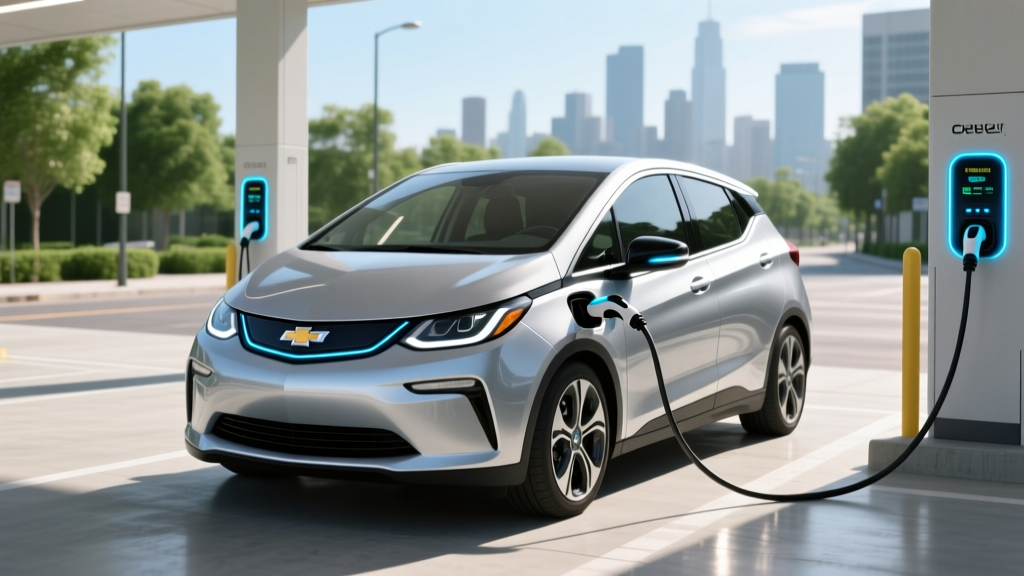
For 2017–2025 Bolt EV/EUV models with CCS1 connectors: These vehicles peak at approximately 55 kW on DC fast chargers. However, this peak rate is only maintained between roughly 10% and 40% State of Charge (SoC). Above 50% SoC, the charge rate tapers to around 38–40 kW, and above 80% SoC it drops further to roughly 20–25 kW as the battery management system protects cell health. A 10–80% session on a 50+ kW CCS charger takes approximately 60 minutes. On a 150 kW or 350 kW CCS station, the Bolt will still only draw its 55 kW maximum — the vehicle, not the station, is the bottleneck.
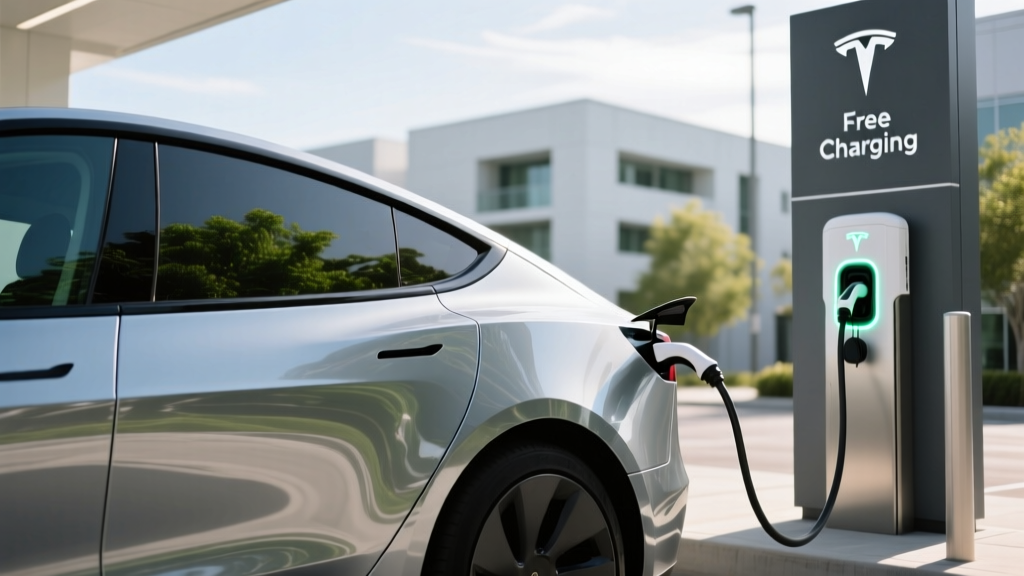
For 2026 Bolt EV models with native NACS connectors: GM upgraded the DC fast-charging capability significantly for the redesigned Bolt on the Ultium-derived platform. The 2026 model peaks at approximately 115 kW on NACS-equipped DC fast chargers (including Tesla Superchargers), with a 10–80% time of roughly 30 minutes. The charge curve still tapers above 80%, but the sustained rate through the mid-SoC range is dramatically improved.
Connector Compatibility: CCS1, NACS, and Adapters for the Bolt
The connector landscape has shifted dramatically. Here's what you need to know based on your Bolt's model year:
| Model Years | Native Connector | CCS1 Stations | Tesla Superchargers (NACS) | CHAdeMO Stations |
|---|---|---|---|---|
| 2017–2025 Bolt EV/EUV | CCS1 (J1772 combo) | ✅ Native — plug and charge | ✅ Via GM-approved NACS adapter (included or ~$200–$400 aftermarket) | ❌ No adapter available; CHAdeMO is effectively discontinued in the US |
| 2026+ Bolt EV | NACS (Tesla-style) | ✅ Via GM CCS adapter (included with vehicle) | ✅ Native — plug and charge on V3/V4 Superchargers | ❌ Not supported |
Key adapter note for 2017–2025 owners: GM began shipping NACS adapters to existing Bolt EV/EUV owners in late 2024, enabling access to Tesla Supercharger stations that have been equipped with the "Magic Dock" CCS-compatible connector or through the official GM adapter. Check with your Chevrolet dealer for adapter availability and compatibility with your specific model year. Third-party adapters from brands like Lectron and Alectron are also available, but GM recommends using their OEM adapter for warranty and safety compliance.
Home Level 2 Charger Installation: Electrical Requirements and Costs
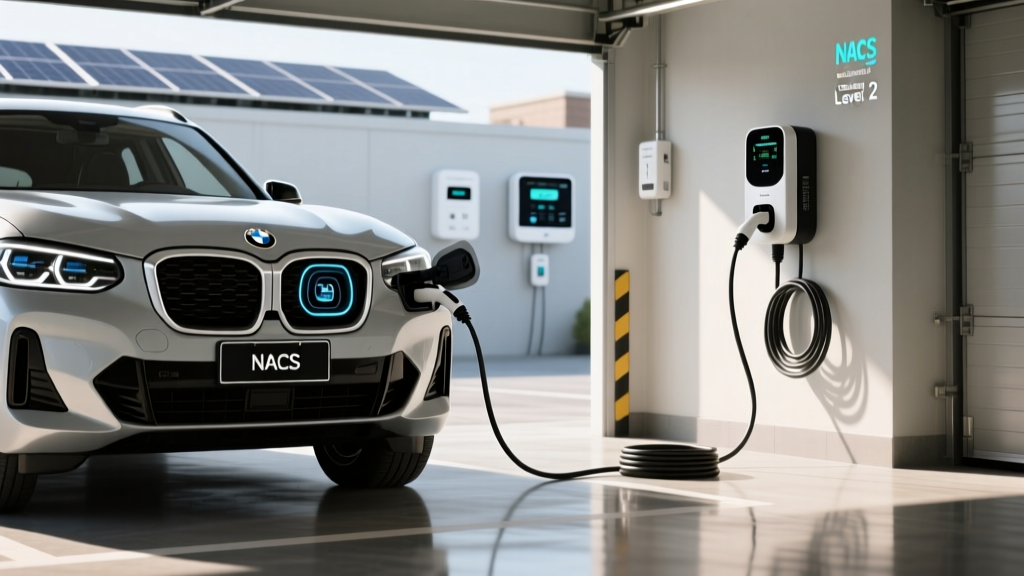
The Bolt's 11.5 kW onboard AC charger means you can take full advantage of a 48-amp Level 2 home charging station (which delivers approximately 11.5 kW on a 240V circuit). Here's what's involved in getting one installed.
Electrical Requirements
A 48-amp Level 2 charger requires a dedicated 240V / 60-amp circuit (electrical code requires the circuit breaker to be rated at 125% of the continuous load — so 48A × 1.25 = 60A breaker). If you opt for a 40-amp charger (delivering ~9.6 kW), you'll need a 50-amp breaker. For most Bolt owners, a 48-amp station is the sweet spot because it matches the vehicle's 11.5 kW maximum AC acceptance rate.
Panel upgrade consideration: Many older homes (pre-2000) have 100-amp electrical service panels. Adding a 60-amp dedicated EV circuit to a 100-amp panel may exceed safe capacity, especially if you also run electric dryer, oven, or HVAC loads. An upgrade to a 200-amp panel typically costs $1,500–$3,000 before any EV charger work begins. Always have a licensed electrician perform a load calculation before committing to a charger install. Homes with 200-amp or larger panels usually accommodate a Level 2 circuit without a panel upgrade.
| Component | Low Estimate | High Estimate | Notes |
|---|---|---|---|
| Level 2 Charging Station (48A, hardwired) | $350 | $700 | Emporia, ChargePoint, Wallbox, Tesla Universal |
| Electrician Labor (standard install, <50 ft run) | $500 | $1,500 | Varies by region, wall penetration, conduit |
| Electrical Permit | $50 | $250 | Required in most jurisdictions; varies by locality |
| Panel Upgrade (if needed, 100A → 200A) | $1,500 | $3,000 | Only if existing panel lacks capacity |
| Total (without panel upgrade) | $900 | $2,450 | |
| Total (with panel upgrade) | $2,400 | $5,450 |
Some utility companies offer rebates of $200–$500 for Level 2 charger installations, and the federal §30C Alternative Fuel Vehicle Refueling Property Credit may cover up to 30% of installation costs (capped at $1,000) for eligible taxpayers in qualifying census tracts. Consult a tax professional for your specific situation.
Recommended Level 2 Chargers for the Chevy Bolt
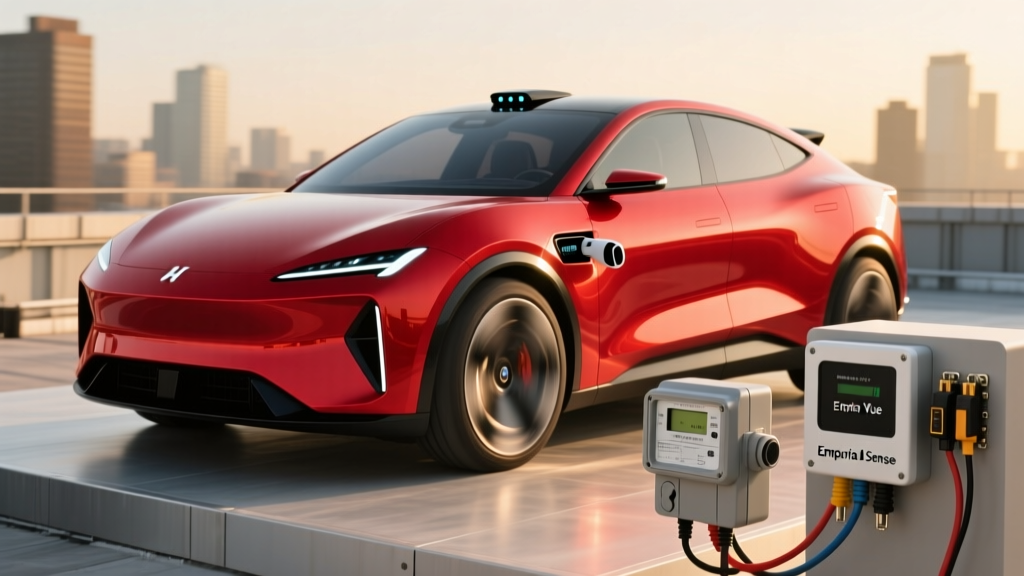
Emporia Vue Level 2 Smart Charger
- Power Output: 48A / 11.5 kW (240V)
- Connector: J1772 (NACS adapter available)
- Cable Length: 24 ft
- Smart Features: Wi-Fi, app scheduling, energy monitoring, solar integration
- Price: ~$399
- Best For: Budget-conscious Bolt owners who want smart scheduling and energy tracking
ChargePoint Home Flex
- Power Output: Up to 50A / 12 kW (240V, adjustable)
- Connector: J1772 (NACS version also available)
- Cable Length: 23 ft
- Smart Features: Wi-Fi, Alexa integration, ChargePoint app, amperage configurable
- Price: ~$599
- Best For: Bolt owners who may upgrade to a higher-power EV later (adjustable amperage future-proofs the install)
Tesla Universal Wall Connector
- Power Output: 48A / 11.5 kW (240V)
- Connector: Built-in NACS + J1772 adapter included
- Cable Length: 24 ft
- Smart Features: Wi-Fi, OTA updates, power sharing between two units, load management
- Price: ~$599
- Best For: 2026 Bolt EV owners with native NACS; multi-EV households
For 2017–2025 Bolt owners with CCS1/J1772 ports, the Emporia Vue or ChargePoint Home Flex (J1772 version) are the most practical picks. For 2026 Bolt EV owners with native NACS, the Tesla Universal Wall Connector is a strong option since it handles both NACS and J1772 vehicles — useful if you have or plan to add a non-Tesla EV to your household.
Cost to Charge the Chevy Bolt: Home vs. Public vs. Gas
One of the strongest arguments for Bolt ownership is the fuel cost savings. Let's break down the actual numbers using real-world electricity rates and the Bolt's efficiency of approximately 28 kWh per 100 miles (or about 3.6 miles per kWh).
| Scenario | Rate | Cost per Full Charge (65 kWh) | Cost per Mile |
|---|---|---|---|
| Home (off-peak utility rate) | $0.09/kWh | $5.85 | $0.025/mile |
| Home (average US rate) | $0.16/kWh | $10.40 | $0.044/mile |
| Public Level 2 (ChargePoint, etc.) | $0.25/kWh | $16.25 | $0.069/mile |
| DC Fast Charger (Electrify America, EVgo) | $0.40/kWh | $26.00 | $0.111/mile |
| Gasoline Vehicle (30 MPG, $3.40/gal) | $3.40/gallon | — | $0.113/mile |
The takeaway: charging at home on an off-peak rate is roughly 4.5× cheaper per mile than gasoline. Even DC fast charging at public rates is competitive with gas on a per-mile basis — though it's the slowest and most expensive way to charge your Bolt. For maximum savings, home Level 2 charging on a time-of-use (TOU) electricity plan is the gold standard.
Safety and Electrical Code Considerations
EV charging involves sustained high-current draw — often for 6–8 hours at a time. This is fundamentally different from most household loads and requires proper safety measures:
- Dedicated circuit: Your Level 2 charger must be on its own dedicated breaker — never shared with other appliances. This prevents overloading and nuisance tripping.
- GFCI protection: The 2020 NEC (National Electrical Code) and subsequent editions require GFCI (Ground Fault Circuit Interrupter) protection for EV charging outlets in garages and all outdoor locations. Hardwired installations may have different requirements — your electrician will determine compliance.
- Outdoor rating: If your charger is installed outdoors (carport, driveway), ensure the unit carries a NEMA 4 or IP65 rating for weather resistance. All three recommended chargers above meet outdoor-rated standards.
- Permit and inspection: Most municipalities require an electrical permit for Level 2 charger installation. This ensures the work meets code and protects your homeowner's insurance coverage. Do not skip this step — unpermitted electrical work can void insurance claims.
- Wire gauge: A 60-amp circuit typically requires 6 AWG copper wire (THHN in conduit) or 4 AWG for longer runs to minimize voltage drop. Your electrician will spec this based on run length.
Frequently Asked Questions
How much does it cost to install a home EV charger for a Chevy Bolt?
A typical Level 2 home charger installation for a Bolt EV costs between $900 and $2,450, including the charging station ($350–$700), electrician labor ($500–$1,500), and permit ($50–$250). If your home needs an electrical panel upgrade from 100A to 200A service, add $1,500–$3,000 to the total. The federal §30C tax credit may offset up to 30% of costs (max $1,000) for eligible installations.
How fast will each charging level add range to my Bolt?
Level 1 (120V standard outlet) adds about 3–5 miles per hour — roughly 40 miles overnight. Level 2 (240V, 48A) adds approximately 42 miles per hour, filling the 65 kWh battery from empty in about 7 hours. DC fast charging at 55 kW (2017–2025 CCS models) adds roughly 150–180 miles in a 45-minute session. The 2026 NACS model at 115 kW can add approximately 180+ miles in 30 minutes.
Which connector and charger is compatible with my Chevy Bolt?
2017–2025 Bolt EV and EUV models use the CCS1 (J1772 combo) connector natively and can access Tesla Superchargers via a GM-approved NACS adapter. The 2026 Bolt EV uses the NACS connector natively and can access CCS1 stations via an included adapter. CHAdeMO is not supported on any Bolt model. For home Level 2 charging, any J1772 or NACS station (depending on your model year) rated at 48A/11.5 kW will match the Bolt's maximum onboard charger capacity.
How much does charging the Bolt cost per mile compared to gas?
At home on the US average electricity rate of $0.16/kWh, the Bolt costs approximately $0.044 per mile to drive. A comparable 30 MPG gasoline vehicle at $3.40/gallon costs about $0.113 per mile — making home EV charging roughly 60% cheaper. Even DC fast charging at $0.40/kWh ($0.111/mile) is slightly cheaper than gas, though it's the least economical way to charge.
What electrical upgrades might I need for a home charger?
The most common upgrade is a panel capacity increase. Homes with 100-amp service panels often need an upgrade to 200 amps to safely support a 60-amp dedicated EV circuit alongside existing loads (HVAC, dryer, oven). Your electrician will perform a NEC Article 220 load calculation to determine if your panel has sufficient headroom. Other potential upgrades include adding a sub-panel if the main panel is full, or upgrading service entrance wiring in very old homes.
Can I use a Tesla Supercharger with my older Bolt EV?
Yes. GM has provided NACS adapters to Bolt EV and EUV owners, enabling access to Tesla Supercharger stations. With the adapter, 2017–2025 Bolt models can charge at Superchargers, though they'll still be limited to their ~55 kW peak DC charge rate. The 2026 Bolt EV with native NACS can access Superchargers without an adapter and benefits from the upgraded ~115 kW peak rate.
Sources: fueleconomy.gov (EPA range and efficiency data), chevrolet.com/electric (manufacturer specifications), irs.gov (§30C tax credit rules). All pricing and specifications reflect 2026 model-year data where available; prior model years as noted. Verify tax credit eligibility with a qualified tax professional.