The Reality of Charging Electric Cars on the Road
When you buy an electric vehicle, the first question is usually about range. The second—and often more stressful—question is what happens when you leave your driveway. Charging electric cars on the road is fundamentally different from filling a gas tank: it requires understanding connector types, network reliability, pricing tiers, and the physics of battery charging curves. This guide strips away the marketing and gives you the exact numbers, costs, and strategies you need to plan real trips in 2026.
Understanding the Three Levels of EV Charging
Before we break down public networks, you need to understand the three charging levels. The most critical distinction in EV literacy is between kW (kilowatts), which measures power or the rate of energy flow, and kWh (kilowatt-hours), which measures energy capacity—like the size of your battery tank. Confusing them is like mixing up gallons-per-minute with the size of a water tank.
| Level | Voltage | Power (kW) | Miles of Range Added Per Hour | Typical Use Case |
|---|---|---|---|---|
| Level 1 | 120V AC | 1.2 - 1.9 kW | 3 - 5 miles | Overnight emergency/trickle |
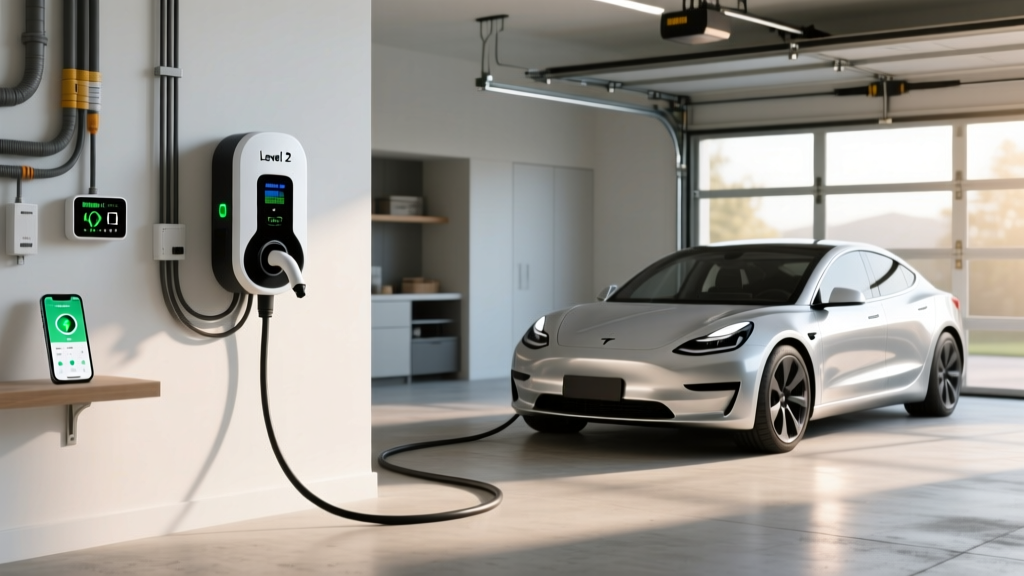
| Level 2 | 240V AC | 3.3 - 19.2 kW | 12 - 75 miles | Home, workplace, hotels, malls |
| DC Fast Charging (Level 3) | 400V - 900V DC | 50 - 350+ kW | 150 - 1,000+ miles (theoretical) | Highway travel, road trips |
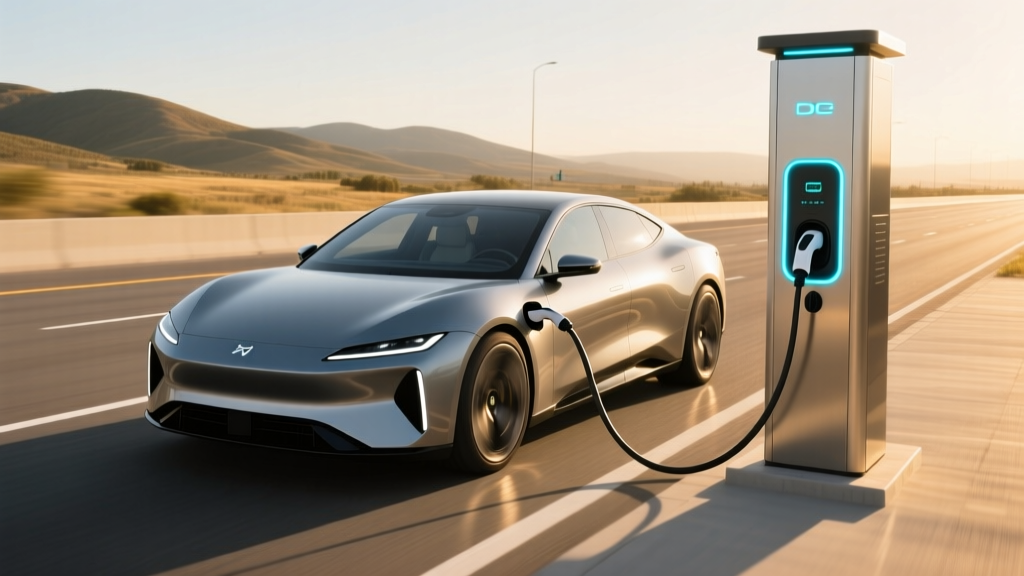
For road trips, DC fast charging is the only level that matters for practical stops. A modern 800V-architecture EV like the Hyundai Ioniq 5 or Porsche Taycan can accept peak rates above 250 kW, adding 150+ miles of range in roughly 15 minutes. But here's the reality check: peak kW is not sustained kW. Charging curves taper significantly above 80% State of Charge (SoC) to protect battery health. A charger rated for 350 kW might only deliver that peak for 3-5 minutes before stepping down.
The Public Charging Network Landscape in 2026
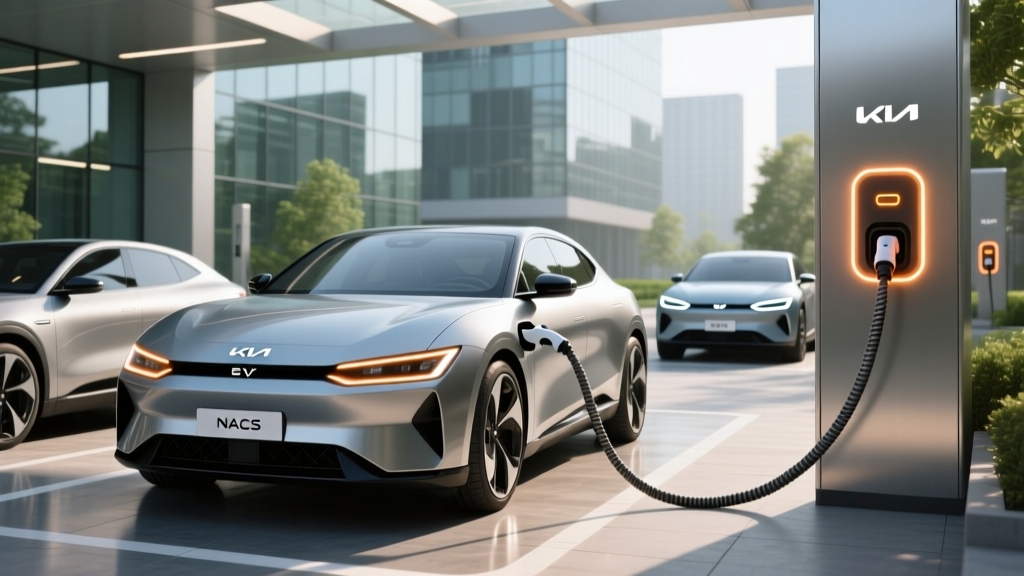
The public charging ecosystem has consolidated and matured significantly. Tesla's Supercharger network, now open to most non-Tesla EVs via the NACS (North American Charging Standard) connector, remains the gold standard for reliability and coverage. Electrify America, EVgo, and ChargePoint operate the largest non-Tesla networks, though uptime and maintenance vary by location.
Connector Compatibility by Brand (2026 Models)
| Connector Type | Compatible Brands | Notes |
|---|---|---|
| NACS (Tesla) | Tesla, Ford, GM, Rivian, Volvo, Polestar, Mercedes, Nissan (2025+), Hyundai/Kia (2025+) | Now the dominant standard; adapters available for older CCS vehicles |
| CCS1 | VW, Audi, BMW, older Ford/GM/Hyundai/Kia models (pre-2025) | Being phased out; NACS adapters widely available |
| CHAdeMO | Nissan Leaf (older), Mitsubishi Outlander PHEV | Largely deprecated; limited new infrastructure |
If you're driving a 2024 or earlier CCS-equipped vehicle, you'll likely need a CCS-to-NACS adapter (typically $150-$250) to access Tesla Superchargers, which now represent over 60% of reliable DC fast-charging stalls in the U.S. Always verify adapter compatibility with your specific model year before purchasing.
How Much Does Public Charging Actually Cost?
Public DC fast charging pricing varies wildly by network, location, time of day, and whether you're a member. Here's what you'll actually pay in 2026:
| Scenario | $/kWh | Cost to Add 200 Miles (75 kWh battery, 3 mi/kWh efficiency) | Cost Per Mile | Gas Equivalent (30 MPG @ $3.50/gal) |
|---|---|---|---|---|
| Home Level 2 (off-peak utility rate) | $0.12 - $0.18 | $9.00 - $13.50 | $0.045 - $0.068 | $23.33 ($0.117/mi) |
| Tesla Supercharger (member rate) | $0.28 - $0.36 | $21.00 - $27.00 | $0.105 - $0.135 | $23.33 ($0.117/mi) |
| Electrify America (Pass+ member) | $0.36 - $0.48 | $27.00 - $36.00 | $0.135 - $0.180 | $23.33 ($0.117/mi) |
| EVgo (Plus member) | $0.34 - $0.44 | $25.50 - $33.00 | $0.128 - $0.165 | $23.33 ($0.117/mi) |
| Peak urban/airport locations | $0.50 - $0.69 | $37.50 - $51.75 | $0.188 - $0.259 | $23.33 ($0.117/mi) |
The math is clear: home charging is 2-4x cheaper than public DC fast charging. Road-trip charging costs can approach or exceed gas costs at premium urban locations, but the average highway Supercharger stop still saves 10-30% versus fuel. The real advantage of an EV isn't road-trip economics—it's the $400-$800 annual savings from home charging during daily commuting.
Real-World Charging Times: What to Expect on a Road Trip
Charging time depends on battery size, charging architecture (400V vs 800V), battery temperature, and State of Charge. Here are realistic 10-80% charging times for common 2026 EVs at a 250 kW DC fast charger:
- Tesla Model Y (75 kWh, LFP battery): 10-80% in ~25 minutes. LFP chemistry accepts charge well but tapers earlier than NMC.
- Hyundai Ioniq 5 (84 kWh, NMC, 800V architecture): 10-80% in ~18 minutes. Sustains peak 240+ kW longer due to 800V system.
- Ford F-150 Lightning (131 kWh extended range): 10-80% in ~41 minutes. Larger battery means longer absolute time despite 150+ kW peak.
- Chevrolet Equinox EV (85 kWh): 10-80% in ~28 minutes. 400V architecture limits sustained peak rate.
- Rivian R1T (149 kWh Max Pack): 10-80% in ~45 minutes. Massive battery prioritizes range over charge speed.
Cold weather (below 40°F) can add 20-40% to these times if the battery isn't preconditioned. Always use your EV's navigation to route to a charger—this triggers battery preconditioning, warming the pack to optimal temperature for faster charging.
Trip Planning Strategies for Long-Distance EV Travel
Successful road trips in an EV require a mindset shift from gas cars. Instead of "drive until empty, then fill up," you plan around charging stops that align with rest breaks, meals, and bathroom visits. Here's the framework experienced EV road-trippers use:
The 20-80% Rule
DC fast charging is fastest between 20% and 80% SoC. Above 80%, the charge rate drops dramatically—from 250 kW down to 50 kW or less. Plan to arrive at chargers with 15-20% remaining and depart at 80-85%. Charging from 80% to 100% at a DC fast charger can take as long as 10% to 80%. Save 100% charges for overnight Level 2 stops.
Buffer for Real-World Range Loss
EPA range estimates assume moderate temperatures, mixed driving, and no cargo. On a highway road trip at 75 mph with A/C or heat running, expect 15-25% less range than the EPA sticker. In cold weather (below freezing), plan for 30-40% reduction. If your EV has an EPA range of 300 miles, plan charging stops every 180-220 miles to maintain a safety buffer.
Network Redundancy
Never rely on a single charger as your only option. Use apps like PlugShare, A Better Routeplanner (ABRP), or your EV's built-in navigation to identify backup chargers within 10-15 miles of your planned stop. Charger downtime, broken cables, and ICE-vehicle blocking ("ICEing") still happen, especially on older Electrify America and ChargePoint stations.
Equipment You Should Carry for Road Trips
Beyond your EV's charging cable, these items solve common road-trip problems:
Essential Road-Trip Charging Gear
- CCS-to-NACS Adapter ($150-$250): Required for pre-2025 CCS vehicles to access Tesla Superchargers. Brands like Lectron and A2Z make reliable options. Verify compatibility with your model year.
- J1772-to-NACS Adapter ($50-$100): Allows Tesla-connector vehicles to use older Level 2 public chargers with J1772 plugs.
- Portable Level 1/2 EVSE ($300-$600): Units like the Emporia Level 2 portable charger (up to 40A, 240V) let you charge from RV park outlets (NEMA 14-50) or dryer outlets at hotels and family homes. Adds 25-30 miles per hour at 240V.
- Heavy-Duty Extension Cord (10-gauge, 25 ft, $80-$120): For Level 1 emergency charging when outlets are far from your parking spot. Never use a standard household extension cord—it's a fire hazard.
- Smartphone Mount + CarPlay/Android Auto: Essential for real-time navigation to chargers, monitoring charging apps, and route replanning.
FAQ: Charging Electric Cars on the Road
How do I find reliable chargers on a road trip?
Use A Better Routeplanner (ABRP) for pre-trip planning—it factors in your specific EV model, battery size, terrain, and weather. On the road, PlugShare shows real-time user check-ins and reliability ratings. Tesla's in-car navigation is the most accurate for Supercharger availability and stall status.
Can I use Tesla Superchargers with a non-Tesla EV?
Yes, as of 2026, most Tesla Superchargers are open to non-Tesla vehicles equipped with the NACS connector. Ford, GM, Rivian, Volvo, and others now ship with NACS ports. If your EV has a CCS port (2024 or earlier models), you'll need a CCS-to-NACS adapter. Use the Tesla app to initiate and pay for charging at non-Tesla stalls.
Why does charging slow down above 80%?
Lithium-ion batteries accept charge fastest when they're partially depleted. As the battery fills, internal resistance increases, and the battery management system (BMS) reduces the charge rate to prevent overheating and lithium plating, which degrade the battery. This is why 10-80% is the practical fast-charging window.
Is DC fast charging bad for my battery?
Occasional DC fast charging on road trips has minimal impact on long-term battery health. Daily DC fast charging, especially to 100%, accelerates degradation. Most manufacturers warranty batteries for 8 years/100,000 miles with a 70% capacity retention threshold. Real-world data shows modern EVs lose 10-15% capacity over 150,000 miles with mixed charging habits.
What if I run out of charge between stations?
Unlike a gas car, you can't walk to a station with a jerrycan. If you're stranded, you'll need a flatbed tow to the nearest charger (never tow an EV with wheels on the ground—it can damage the motors). Some roadside assistance services now offer mobile battery trucks with 50-100 kWh packs that can add 20-40 miles of range. AAA and Tesla both offer this in select metro areas.
How do I pay at public chargers?
Most networks require their app or an RFID card. Tesla uses the Tesla app for non-Tesla vehicles. Electrify America, EVgo, and ChargePoint all have apps with payment setup. Some stations now accept credit cards directly, but app-based payment is more reliable and often unlocks member pricing.
The Bottom Line: Road-Trip Charging in 2026
Charging electric cars on the road is no longer the adventure it was in 2018. The Tesla Supercharger network's expansion to non-Tesla vehicles, combined with 800V architectures that enable 18-minute 10-80% charges, has made long-distance EV travel practical for most routes. The economics still favor home charging for daily use, but road-trip costs are competitive with gas when you use member pricing and avoid peak urban rates. Plan stops around 20-80% charging windows, carry the right adapters, and always have a backup charger in mind. With those habits, an EV road trip is less stressful than a gas-car trip—because you're stopping to eat and stretch anyway.