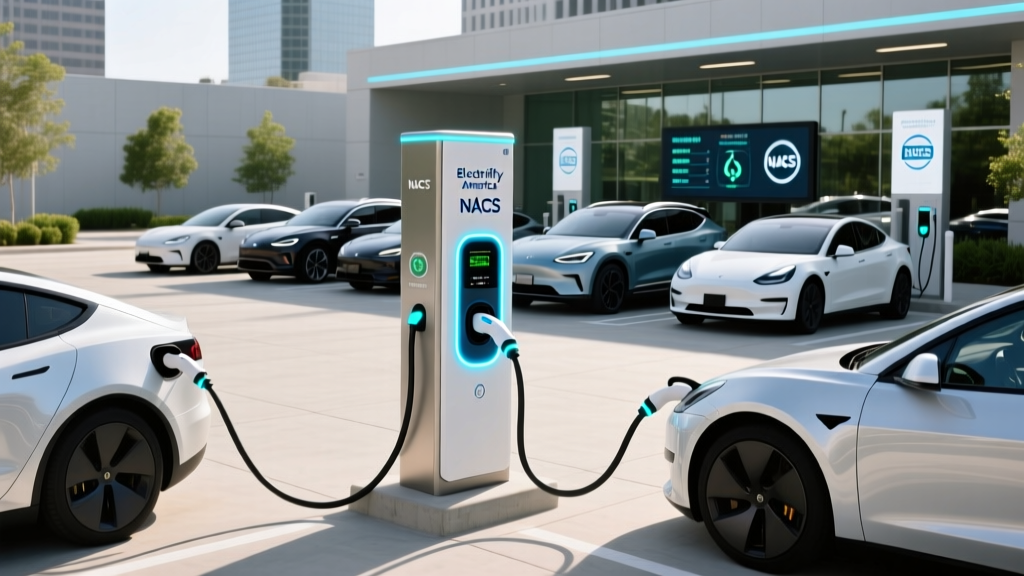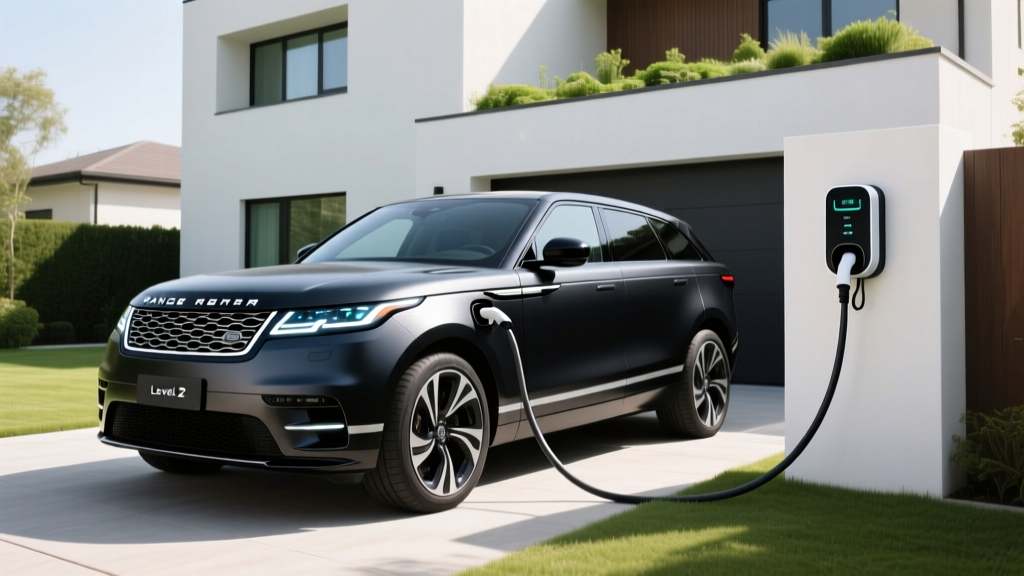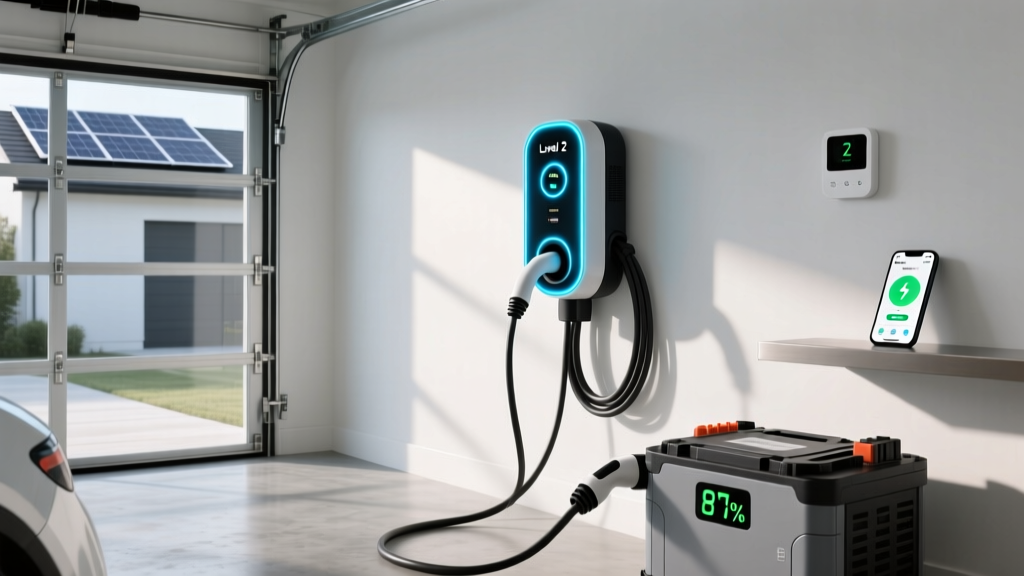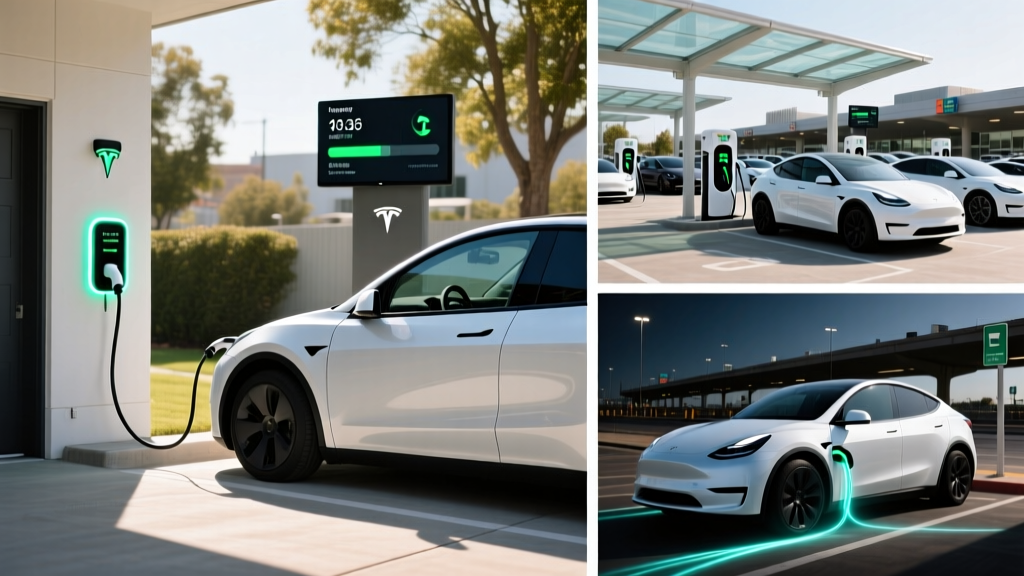
If you own a Tesla — or are about to buy one — the single most impactful variable in your total cost of ownership isn't the purchase price or insurance. It's where and how you charge. The charging cost for Tesla drivers can swing from roughly 3 cents per mile at home on off-peak utility rates to over 15 cents per mile at some public DC fast chargers. That's a five-fold difference that compounds into thousands of dollars over the life of the vehicle.
This guide breaks down the exact numbers: what each charging level costs, what you'll spend to install a home Level 2 charger (including the panel-upgrade scenario most guides gloss over), which equipment to buy, and how Tesla's per-mile cost stacks up against a comparable gas car. All figures reflect 2026 utility rates, Tesla Supercharger pricing, and current hardware.
Understanding kW vs. kWh: The Foundation of Charging Costs
Before calculating anything, nail this distinction — it's the single most common source of confusion for new EV owners:
- kW (kilowatts) = power, or the rate at which electricity flows. Think of it like the diameter of a hose. A 250 kW Supercharger delivers energy faster than an 11.5 kW home charger.
- kWh (kilowatt-hours) = energy, or the total amount of electricity consumed. Think of it like gallons of water that came out of the hose. A Tesla Model Y Long Range has roughly 75 kWh of usable battery capacity.
When you're billed for charging, you pay per kWh consumed (in most U.S. markets). When you're evaluating charger speed, you look at kW output. Mixing these up leads to bad purchasing decisions and unrealistic expectations.
Charging Levels Explained: Speed, Cost, and Use Cases
Tesla vehicles support three charging levels. Here's what each delivers in real-world conditions:
| Level | Voltage / Amperage | Max Power (kW) | Miles of Range Added per Hour | Typical Use Case |
|---|---|---|---|---|
| Level 1 (120V) | 120V / 12A | ~1.4 kW | 3–5 mi/hr | Overnight trickle; emergency backup |
| Level 2 (240V) | 240V / 48A | ~11.5 kW | 30–44 mi/hr | Daily home charging; workplace |
| DC Fast Charging | 400V+ DC | Up to 250 kW (V3 Supercharger) | ~1,000+ mi/hr (peak) | Road trips; rapid top-ups |
A few practical notes on these figures:
- Level 1 is included with every Tesla via the Mobile Connector and a NEMA 5-15 adapter. At ~4 miles of range per hour, a full charge on a 75 kWh battery takes over 50 hours. It's viable only for plug-in hybrids or EVs with very short commutes.
- Level 2 is where 85%+ of Tesla charging happens for owners with home access. A Model Y Long Range (EPA 320 miles, ~75 kWh usable) will go from 10% to 80% in roughly 5–6 hours on an 11.5 kW (48A) home charger.
- DC Fast Charging at a V3 Supercharger (250 kW peak) can add up to 200 miles in about 15 minutes on a Model Y — but only in the 10–30% state-of-charge window. The charge curve tapers significantly above 50%, and by 80% you're typically pulling under 60 kW. A 10–80% session takes roughly 25–30 minutes on a V3 Supercharger.
How Much Does It Cost to Charge a Tesla at Home?
Home charging is the economic sweet spot. Here's what the math looks like across different utility scenarios for a Tesla Model Y Long Range (75 kWh usable battery, EPA 320 miles):
| Utility Scenario | Rate ($/kWh) | Cost for Full Charge (0–100%) | Cost per Mile |
|---|---|---|---|
| National average residential (2026) | $0.17 | $12.75 | $0.040 |
| Off-peak time-of-use (TOU) rate | $0.09 | $6.75 | $0.021 |
| Peak TOU rate (summer afternoon) | $0.35 | $26.25 | $0.082 |
| California average (high-cost state) | $0.30 | $22.50 | $0.070 |
| Solar + battery (marginal cost near zero) | ~$0.03 | $2.25 | $0.007 |
The takeaway: time-of-use (TOU) enrollment is the single highest-leverage action a Tesla owner can take to reduce charging costs. Charging between 10 PM and 6 AM on a TOU plan can cut your per-mile cost in half versus the flat residential rate. Most utilities offer TOU plans, and Tesla's Scheduled Charging feature automates the process — plug in at 7 PM, and the car waits until off-peak rates kick in.
For the most accurate local rates, check the U.S. Energy Information Administration's state-by-state electricity pricing data.
Tesla Supercharger and Public DC Fast Charging Costs
When you're on the road, costs rise — sometimes significantly. Tesla's Supercharger network and third-party DC fast chargers (Electrify America, EVgo, ChargePoint) bill per kWh in most U.S. states, though a handful of states still require per-minute billing due to regulatory restrictions.
| Network | Typical Rate ($/kWh) | Cost for 10–80% on Model Y (~52 kWh) | Cost per Mile Added |
|---|---|---|---|
| Tesla Supercharger V3 (average U.S.) | $0.28–$0.36 | $14.56–$18.72 | $0.058–$0.075 |
| Tesla Supercharger (off-peak pricing, select locations) | $0.18–$0.24 | $9.36–$12.48 | $0.037–$0.050 |
| Electrify America (guest / no subscription) | $0.43–$0.56 | $22.36–$29.12 | $0.089–$0.116 |
| Electrify America (Pass+ subscription, $7/mo) | $0.31–$0.40 | $16.12–$20.80 | $0.064–$0.083 |
| EVgo (Advantage plan) | $0.29–$0.42 | $15.08–$21.84 | $0.060–$0.087 |
Adapter note for non-Tesla DC fast chargers: Tesla vehicles use the NACS (North American Charging Standard) connector. To use Electrify America or most EVgo stations with CCS1 plugs, you need a CCS1-to-NACS adapter. Tesla sells an official adapter for approximately $250. As of 2026, many newer third-party stations are adding native NACS cables, but CCS1 remains common at older installations. CHAdeMO is effectively obsolete for new Tesla owners — no adapter is offered, and the connector is being phased out across U.S. networks.
Charging Cost for Tesla vs. Gas: Per-Mile Comparison
This is the comparison most buyers actually care about. Let's stack a 2026 Tesla Model Y Long Range against a comparable 2026 Toyota RAV4 AWD (non-hybrid) using national averages:
| Metric | Tesla Model Y LR | Toyota RAV4 AWD (Gas) |
|---|---|---|
| EPA Efficiency | 122 MPGe (28 kWh/100 mi) | 30 MPG combined |
| Energy Cost (home, off-peak TOU @ $0.09/kWh) | $0.025/mi | — |
| Energy Cost (home, national avg @ $0.17/kWh) | $0.048/mi | — |
| Energy Cost (Supercharger avg @ $0.32/kWh) | $0.090/mi | — |
| Energy Cost (gas @ $3.40/gal national avg) | — | $0.113/mi |
| Annual fuel/energy cost (12,000 mi, 80% home / 20% Supercharger) | ~$446 | ~$1,360 |
| 5-year fuel/energy cost | ~$2,230 | ~$6,800 |
Under the most common ownership pattern — 80% home charging on TOU rates, 20% Supercharger road trips — a Tesla Model Y owner spends roughly $900 less per year on energy than a RAV4 owner fueling with gas. Over five years, that's approximately $4,500 in energy savings.
Even in a worst-case scenario — 100% Supercharger use at peak rates — the Model Y's per-mile energy cost ($0.090) still undercuts the RAV4 ($0.113). The gap only widens if you have access to solar, workplace charging, or low-cost utility TOU plans.
Home Level 2 Charger Installation: Requirements, Costs, and Gotchas
Installing a Level 2 home charger is the single best investment a Tesla owner can make for both convenience and long-term cost savings. But the total price depends heavily on your home's electrical infrastructure.
Electrical Requirements
A full-speed Level 2 Tesla home charger (the Tesla Wall Connector) operates at 240V / 48A, delivering up to 11.5 kW. This requires a dedicated 60-amp circuit on your electrical panel (NEC code requires circuits be rated 125% above the continuous load, so 48A continuous draw = 60A breaker).
If you opt for a lower-amperage setup — for example, a 32A charger on a 40A circuit — you'll still get roughly 23 miles of range per hour, which is adequate for most daily driving patterns (the average American drives ~37 miles per day, per FHWA data).
Installation Cost Breakdown
| Component | Simple Install (Panel Nearby) | Complex Install (Long Run / Panel Upgrade) |
|---|---|---|
| Tesla Wall Connector (hardware) | $420–$475 | $420–$475 |
| Electrician labor (2–4 hrs vs. 6–10 hrs) | $600–$1,200 | $1,800–$3,500 |
| Permit fee | $50–$200 | $50–$200 |
| Conduit, wiring, misc. materials | $100–$300 | $300–$800 |
| Electrical panel upgrade (100A → 200A) | $0 (not needed) | $1,500–$3,000 |
| Total | $1,170–$2,175 | $4,070–$7,975 |
The panel upgrade is the budget-killer most online guides understate. If your home has a 100-amp electrical panel (common in homes built before 1990), adding a 60A dedicated circuit for an EV charger may exceed the panel's capacity — especially if you're also running central A/C, an electric dryer, and an electric oven. A licensed electrician will perform a load calculation per NEC Article 220 to determine whether your panel can handle the additional draw. If it can't, you'll need a panel upgrade to 200A, which typically costs $1,500–$3,000 on top of the charger installation.
Some homeowners can avoid a panel upgrade by choosing a smart charger with load management (like the Emporia Level 2 EV Charger) that dynamically reduces charging amperage when other high-draw appliances are running. This is a legitimate workaround that can save $2,000+ in panel-upgrade costs — though it means slower charging during peak household usage.
Safety and Code Considerations
- Dedicated circuit: NEC requires EV chargers to be on a dedicated circuit — not shared with other outlets or appliances.
- GFCI protection: The 2020 NEC (and later) requires GFCI protection for all outdoor receptacles and many indoor EV charging installations. Your electrician should confirm local code requirements.
- Outdoor rating: If your charger is installed outdoors (garage-less home, driveway parking), ensure the unit is rated NEMA 4 or higher for weather resistance. The Tesla Wall Connector is rated for indoor and outdoor use.
- Permit and inspection: Most jurisdictions require an electrical permit and post-installation inspection for a new 240V circuit. Skipping this can void homeowner's insurance coverage for electrical fires and create problems during a home sale.
- Wire gauge: A 60A circuit requires 6 AWG copper wire (or 4 AWG aluminum). Undersized wiring is a fire hazard — this is not a DIY project unless you're a licensed electrician.
Recommended Home Charging Equipment for Tesla Owners
Here are three chargers that cover the most common Tesla owner use cases. All use the native NACS connector (no adapter needed for Tesla vehicles).
Tesla Wall Connector (Best Overall for Tesla Owners)
- Power output: Up to 11.5 kW (48A at 240V)
- Connector: NACS (native Tesla)
- Cable length: 18 ft or 24 ft options
- Smart features: Wi-Fi connectivity, over-the-air firmware updates, power sharing (link two units on one circuit), access control, integrated Tesla vehicle communication
- Price: $420–$475 (depending on cable length)
- Best for: Tesla-only households that want seamless integration and maximum Level 2 speed
Emporia Level 2 EV Charger (Best Budget Smart Charger)
- Power output: Up to 11.5 kW (48A at 240V)
- Connector: NACS (2025+ models) or J1772 with adapter
- Cable length: 24 ft
- Smart features: Real-time energy monitoring, load management (dynamically adjusts amperage to avoid panel overload), scheduling via app, solar integration with Emporia Vue energy monitor
- Price: $350–$400
- Best for: Homes with tight electrical panel capacity, solar owners, budget-conscious buyers who still want smart features
ChargePoint Home Flex (Best for Multi-Vehicle Households)
- Power output: Up to 12 kW (50A at 240V) — configurable down to 16A for lower-capacity circuits
- Connector: NACS (2025+ models) or J1772
- Cable length: 23 ft
- Smart features: Alexa integration, amperage auto-adjust via dip switches, ChargePoint network account for public charging integration, detailed charging history
- Price: $550–$650
- Best for: Households with a mix of Tesla and non-Tesla EVs (with appropriate connector), or those who want flexible amperage configuration
Connector Compatibility: What Plugs Into What?
Tesla's NACS connector has become the de facto standard for North American EVs as of 2026, but the transition is still in progress. Here's where things stand:
| Connector Type | Native Compatibility | Adapter Available? | Where You'll Find It |
|---|---|---|---|
| NACS (Tesla) | Yes — all Tesla vehicles | Not needed | Tesla Superchargers, Tesla Destination Chargers, newer Electrify America / EVgo / ChargePoint stations |
| CCS1 | No | Yes — Tesla CCS Adapter (~$250) | Most Electrify America, EVgo, and ChargePoint DC fast stations (older installations) |
| CHAdeMO | No | No official Tesla adapter | Legacy stations (being phased out; mostly Nissan Leaf infrastructure) |
| J1772 (Level 2 AC) | No (Tesla uses NACS for AC too) | Yes — J1772-to-NACS adapter (included with Tesla Mobile Connector) | Public Level 2 stations, hotels, workplaces, non-Tesla home chargers |
For current Tesla owners, the practical takeaway is straightforward: NACS handles 95% of your charging (home + Superchargers). Buy the Tesla CCS adapter ($250) and keep it in your frunk for the occasional Electrify America or EVgo stop on road trips through areas with limited Supercharger coverage.
Real-World Charging Time Examples
Here's what charging actually looks like across common Tesla models and battery sizes, using realistic charge-curve data (not just peak kW marketing numbers):
| Vehicle | Usable Battery | Level 2 @ 11.5 kW (48A) | V3 Supercharger (250 kW peak) | V4 Supercharger (est. 350 kW peak)* |
|---|---|---|---|---|
| Model Y Long Range | ~75 kWh (NMC) | ~5 hours | ~27 minutes | ~20 minutes (projected) |
| Model 3 Long Range | ~75 kWh (NMC) | ~5 hours | ~25 minutes | ~18 minutes (projected) |
| Model Y (Standard / RWD) | ~57 kWh (LFP) | ~4 hours | ~22 minutes | ~16 minutes (projected) |
| Model S Long Range | ~95 kWh (NMC) | ~7 hours | ~35 minutes | ~26 minutes (projected) |
*V4 Supercharger 350 kW figures are projected based on Tesla's announced hardware capabilities. Actual speeds depend on vehicle charge acceptance, battery temperature, and state of charge. Always precondition your battery by navigating to a Supercharger in the Tesla app or navigation system — this warms the battery to optimal temperature and can shave 5–10 minutes off a fast-charging session.
LFP vs. NMC charging note: Tesla's Standard Range / RWD models use LFP (lithium iron phosphate) batteries, which Tesla recommends charging to 100% regularly for battery calibration. NMC (Long Range / Performance) models should typically be set to 80% daily charge, with 100% reserved for road trips. This means LFP owners effectively get more daily usable range from a smaller battery.
Frequently Asked Questions
How much does it cost to install a home EV charger for a Tesla?
A straightforward installation (panel has capacity, short wire run to garage) typically costs $1,200–$2,200 including the Tesla Wall Connector, electrician labor, permit, and materials. A complex installation requiring a long wire run, conduit through walls, or an electrical panel upgrade from 100A to 200A can cost $4,000–$8,000. Always get a load calculation from a licensed electrician before budgeting.
How fast will each charging level add range to my Tesla?
Level 1 (120V) adds roughly 3–5 miles per hour. Level 2 (240V, 48A) adds 30–44 miles per hour depending on the model. DC fast charging at a V3 Supercharger (250 kW peak) can add up to 200 miles in 15 minutes, but only in the low state-of-charge window — the charge curve tapers significantly above 50%.
Which connector and charger is compatible with my Tesla?
All Tesla vehicles use the NACS connector natively. The Tesla Wall Connector is the recommended home charger. For public DC fast charging, Tesla Superchargers use NACS. For third-party networks (Electrify America, EVgo), you'll need the Tesla CCS1-to-NACS adapter (~$250). For public Level 2 stations with J1772 connectors, a J1772-to-NACS adapter is included with the Tesla Mobile Connector.
How much does Tesla charging cost per mile versus gas?
At home on off-peak utility rates ($0.09/kWh), a Model Y costs roughly $0.021/mile. On a Supercharger at $0.32/kWh, it's about $0.090/mile. A comparable gas SUV (30 MPG) at $3.40/gallon costs $0.113/mile. Even exclusive Supercharger use is cheaper than gas per mile, and home charging is dramatically cheaper.
What electrical upgrades might I need for a home charger?
The most common and costly upgrade is an electrical panel upgrade from 100A to 200A, required when your existing panel doesn't have capacity for a 60A dedicated circuit after accounting for existing loads (A/C, dryer, oven). This costs $1,500–$3,000. A load calculation per NEC Article 220 will determine if this is necessary. Alternatives include installing a lower-amperage charger (32A on a 40A circuit) or using a smart charger with dynamic load management.
Does the federal tax credit apply to home charger installation?
The IRS Residential Clean Energy Credit (§25C/§25D) has covered qualified EV charger installation costs in some tax years, but eligibility rules, caps, and whether the credit is currently active vary by year and are subject to legislative change. Consult a tax professional and review current IRS guidance before assuming eligibility. The §30D vehicle credit is separate and applies to the EV purchase, not the charger.
Is it cheaper to charge at a Tesla Supercharger or Electrify America?
Tesla Superchargers are almost always cheaper for Tesla owners. Average Supercharger rates in 2026 are $0.28–$0.36/kWh, while Electrify America's guest rate is $0.43–$0.56/kWh. Even with Electrify America's Pass+ subscription ($7/month, reduced rates of $0.31–$0.40/kWh), Superchargers are typically less expensive — and they're faster for Tesla vehicles due to native NACS connectivity and optimized charge-curve communication.