If you're switching from gas to electric, the first question is usually some version of: "What's the charger MPG equivalent, and how much will I actually spend?" The answer depends on three variables you control: your charging level (speed), your electricity rate, and the equipment you install at home. This guide gives you the exact numbers — kW rates, miles-per-hour of charging, cost per mile versus gas, and what a 2026 home install actually costs — so you can plan with confidence.
Charging Levels Explained: kW, Miles Per Hour, and Real-World Times
Before comparing costs, you need to understand the three charging tiers. The most common mistake new EV owners make is confusing kW (power, or how fast energy flows into your battery) with kWh (energy, or how much your battery stores). Think of kW as the width of the pipe and kWh as the size of the tank.
| Level | Voltage / Phase | Power (kW) | Miles of Range Per Hour | Typical 10–80% Time (75 kWh Battery) | Best Use Case |
|---|---|---|---|---|---|
| Level 1 (120V) | 120V / Single | 1.0–1.4 kW | 3–5 miles | ~52 hours | Overnight trickle; PHEVs with small batteries |
| Level 2 (240V) | 240V / Single | 7.2–19.2 kW | 20–60 miles | ~5–7 hours (at 11.5 kW) | Daily home charging; overnight full charge |
| DC Fast (Level 3) | 400–800V / DC | 50–350 kW | 150–1,000+ miles (peak) | ~18–40 min (varies by vehicle) | Road trips; quick top-ups on the go |
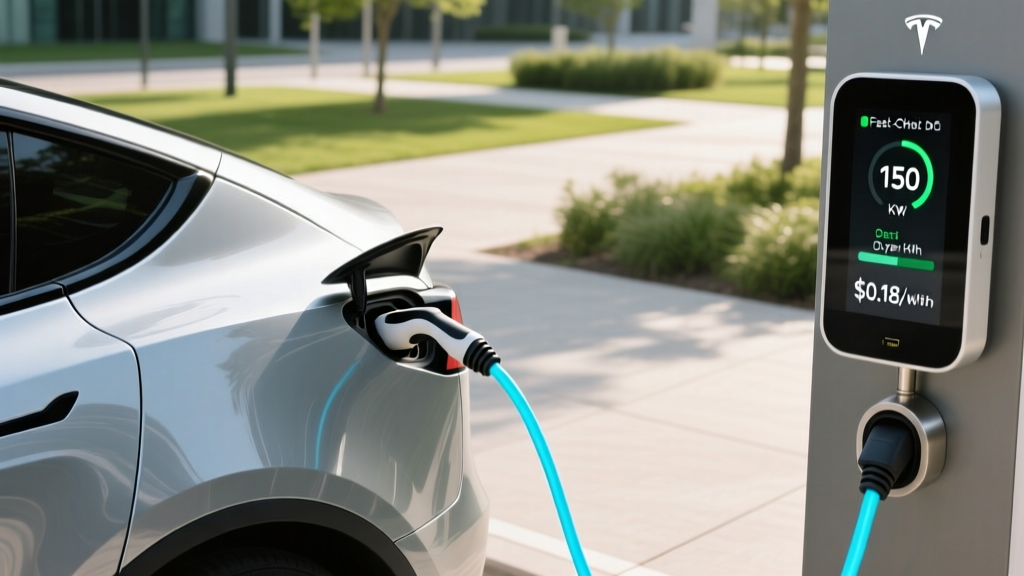
Real-world caveat: DC fast charging speeds peak early in the session (typically between 10–50% SoC) and taper sharply above 80%. A vehicle rated for "250 kW peak" may sustain that rate for only 5–10 minutes before dropping to 100 kW or less. Always look for 10–80% charge times, not peak kW numbers, when evaluating charging speed.
Home Charger Installation: Costs, Electrical Requirements, and Panel Upgrades
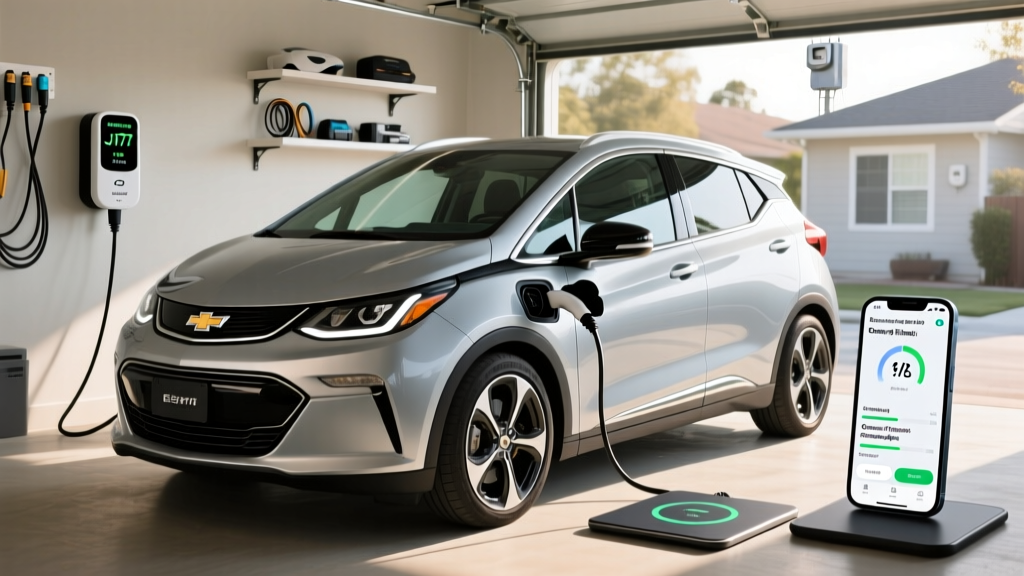
Most EV owners charge at home over 80% of the time. A Level 2 home charger on a 240V circuit is the practical baseline for battery-electric vehicles. Here's what installation actually involves and costs in 2026.
Electrical Requirements
A typical Level 2 home charger requires a dedicated 240V circuit. The most common configurations:
- NEMA 14-50 outlet (50A circuit): Supports up to 40A continuous draw (~9.6 kW). This is the most versatile option and works with most Level 2 chargers.
- Hardwired 60A circuit: Supports up to 48A continuous draw (~11.5 kW). Eliminates the outlet, reducing one potential failure point. Required for some higher-power chargers.
- Hardwired 80A circuit: Supports up to 64A continuous draw (~15.3 kW). Only useful if your EV's onboard charger can accept this rate — most vehicles max out at 11.5 kW (48A).
Panel Upgrade Considerations
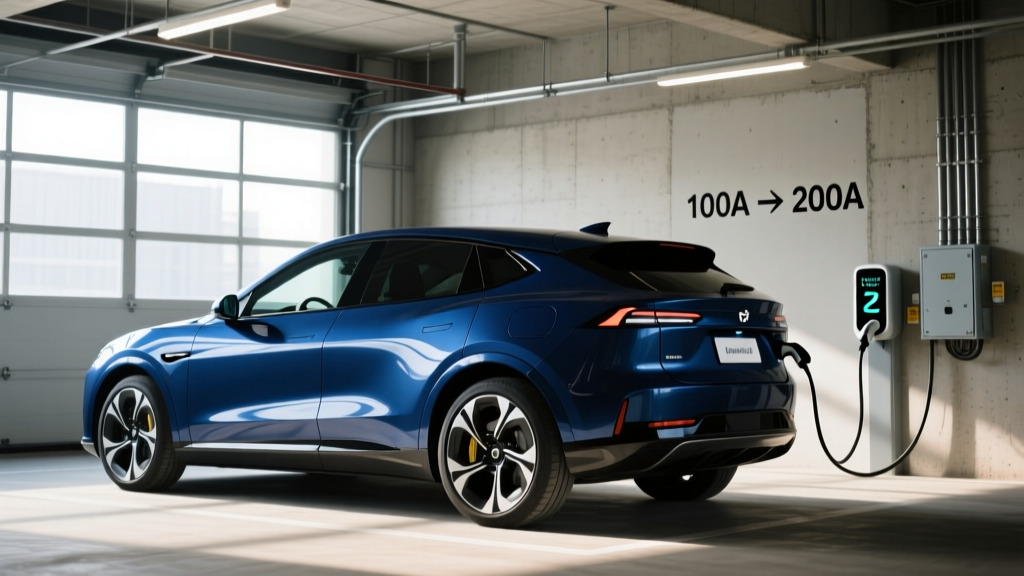
Many older homes have 100A or 125A main electrical panels. Adding a 50A or 60A EV circuit may push you over the panel's capacity, requiring an upgrade to 200A. This is the single biggest variable in install cost. A licensed electrician will perform a load calculation per NEC Article 220 to determine if your panel can handle the added circuit.
| Component | Basic Install (Panel OK) | Complex Install (Panel Upgrade) |
|---|---|---|
| Level 2 Charger (Equipment) | $400–$700 | $400–$700 |
| Electrician Labor | $500–$1,500 | $1,500–$3,500 |
| Electrical Permit | $50–$200 | $100–$300 |
| Panel Upgrade (if needed) | $0 | $1,500–$4,000 |
| Conduit / Wiring (long runs) | $0–$300 | $200–$800 |
| Total Estimated Cost | $950–$2,700 | $3,700–$9,300 |
Pro tip: Some utilities offer rebates of $250–$1,000 for home charger installation, and the federal Residential Clean Energy Credit (as extended and modified through current legislation) may cover up to 30% of equipment and installation costs, capped at $1,000. Check with a tax professional for your specific eligibility under current IRS rules.
Connector Compatibility: NACS, CCS1, CHAdeMO, and Adapters
The connector landscape has shifted dramatically. Tesla's North American Charging Standard (NACS) has become the dominant connector for new vehicles starting with the 2025 model year, while CCS1 remains on many vehicles sold from 2018–2024. CHAdeMO is effectively legacy, found primarily on older Nissan Leafs and Mitsubishi Outlander PHEVs.
| Connector | Brands Using It (2025–2026 Models) | Public Network Availability | Adapter Needed? |
|---|---|---|---|
| NACS (Tesla Standard) | Tesla, Ford, GM, Rivian, Hyundai, Kia, BMW, Mercedes, Volvo, Polestar, and most major OEMs | Tesla Supercharger network (17,000+ stalls open to non-Tesla via adapter or native NACS); growing Electrify America, EVgo NACS stalls | CCS1-to-NACS adapters available ($150–$250) for older CCS vehicles |
| CCS1 (Combined Charging System) | 2018–2024 models from VW, Audi, Porsche, older Ford/GM/Hyundai/Kia EVs | Electrify America, EVgo, ChargePoint — extensive existing infrastructure | NACS-to-CCS1 adapters available for accessing Superchargers ($200–$300) |
| CHAdeMO | Nissan Leaf (legacy), Mitsubishi Outlander PHEV (legacy) | Declining — some Electrify America and independent stations still offer it | No widely available adapter to NACS/CCS |
For home Level 2 charging: All Level 2 chargers sold in North America use a J1772 connector (or NACS, which includes Level 2 AC pins). If your vehicle has a NACS port, buy a NACS-connector home charger. If your vehicle has a CCS1 port (which includes a J1772 upper section), any J1772 home charger works. Tesla vehicles can use either a Tesla Wall Connector or any J1772 charger with a simple J1772-to-Tesla adapter (~$30).
Charger MPG: Cost Per Mile vs Gas, and $/kWh Scenarios
"Charger MPG" isn't a standard metric, but the useful comparison is cost per mile — how much you spend on electricity versus gasoline to travel the same distance. The math is straightforward once you know your vehicle's efficiency (measured in kWh per 100 miles or MPGe) and your electricity rate.
According to fueleconomy.gov, a midsize EV like the 2026 Hyundai Ioniq 6 SE (Long Range) achieves approximately 140 MPGe combined and consumes about 24 kWh per 100 miles. A comparable gas sedan averaging 30 MPG provides the baseline for comparison.
| Scenario | Rate / Cost | EV Cost Per Mile (24 kWh/100 mi) | Gas Cost Per Mile (30 MPG) | Annual Savings (12,000 mi) |
|---|---|---|---|---|
| Home Off-Peak (Time-of-Use) | $0.09/kWh | $0.022 | $0.117 (at $3.50/gal) | ~$1,140 |
| Home Standard Rate | $0.16/kWh | $0.038 | $0.117 | ~$948 |
| Public Level 2 (Network) | $0.30/kWh | $0.072 | $0.117 | ~$540 |
| DC Fast Charging (Public) | $0.48/kWh | $0.115 | $0.117 | ~$24 |
| DC Fast (Premium Network) | $0.64/kWh | $0.154 | $0.117 | -$444 (EV costs more) |
The takeaway: Home charging is where the economics overwhelmingly favor EVs — you'll save $900–$1,200 annually versus gas. Public DC fast charging at premium rates can match or exceed gas costs per mile. This is why home Level 2 installation isn't optional for most EV owners — it's the financial backbone of EV ownership. If you rely exclusively on public DC fast charging, the cost advantage largely disappears.
Recommended Home EV Chargers for 2026
Based on power output, build quality, smart features, connector options, and real-world reliability, these are the top home Level 2 chargers for current EV owners.
Tesla Wall Connector (Gen 4)
- Power Output: Up to 11.5 kW (48A) on a 60A circuit
- Connector: NACS (native); J1772 adapter included in box
- Cable Length: 24 feet
- Smart Features: Wi-Fi, OTA updates, power sharing between multiple units, access control, energy tracking via Tesla app
- Price: ~$475
- Best For: Tesla owners and NACS-equipped vehicles (Ford, GM, Rivian, Hyundai, Kia 2025+). Excellent value for the power output.
ChargePoint Home Flex
- Power Output: Up to 12 kW (50A) on a 60A circuit; configurable down to 16A for lower-capacity panels
- Connector: J1772 (works with all CCS1 and NACS vehicles via adapter)
- Cable Length: 23 feet
- Smart Features: Wi-Fi, Alexa integration, scheduling, ChargePoint app with detailed energy stats, works with utility demand-response programs
- Price: ~$550–$650
- Best For: Multi-vehicle households, CCS1 vehicles, and owners who want broad app integration and utility program compatibility.
Emporia Vue Level 2 Charger
- Power Output: Up to 11.5 kW (48A) on a 60A circuit
- Connector: J1772 (NACS adapter available)
- Cable Length: 24 feet
- Smart Features: Wi-Fi, solar integration (pairs with Emporia Vue energy monitor), scheduled charging, load management
- Price: ~$400–$500
- Best For: Budget-conscious buyers and solar-panel owners who want integrated energy monitoring.
Grizzl-E Smart
- Power Output: Up to 10 kW (40A) on a 50A circuit
- Connector: J1772 (NACS version available)
- Cable Length: 24 feet
- Smart Features: Wi-Fi, OCPP-compatible (works with utility programs), adjustable amperage via DIP switches
- Price: ~$450–$550
- Best For: Cold-climate and outdoor installations — rated to -40°F, IP67 water resistance, and built in Canada for harsh conditions.
Safety, Code Compliance, and Installation Best Practices
EV charging draws sustained high current for hours — far longer than a dryer or oven cycle. This makes proper installation critical. Per the National Electrical Code (NEC) and most local jurisdictions:
- Dedicated circuit required: Your EV charger must be on its own dedicated breaker — never shared with other appliances.
- GFCI protection: NEC 2020 and later requires GFCI (Ground Fault Circuit Interrupter) protection for all outdoor receptacles used for EV charging. Hardwired installations may have different requirements depending on local code.
- Continuous load derating: EV charging is classified as a continuous load (over 3 hours). The circuit must be rated at 125% of the charger's maximum draw. A 48A charger requires a 60A breaker; a 40A charger requires a 50A breaker.
- Outdoor rating: If your charger is installed outdoors (garage exterior, driveway, carport), the unit must carry at minimum an IP54 rating for weather resistance. NEMA 4 or IP65+ is preferred for heavy rain and dust exposure.
- Permit and inspection: Virtually all jurisdictions require an electrical permit for a new 240V circuit. The work must be inspected by the local authority having jurisdiction (AHJ). Unpermitted work can void homeowner's insurance in the event of a fire.
Always hire a licensed electrician familiar with EV charging installations. Ask for their load calculation documentation and verify they pull the required permit. The NHTSA and your vehicle manufacturer both recommend professional installation over DIY for any 240V EV circuit.
Frequently Asked Questions
How much does it cost to install a home EV charger?
A straightforward Level 2 installation on an existing 200A panel typically costs $950–$2,700 including equipment, electrician labor, and permit. If your home needs a panel upgrade (common in pre-1990 homes with 100A service), expect $3,700–$9,300 total. Utility rebates and the federal residential energy credit can offset $250–$1,000+ of this cost.
How fast will each charging level add range?
Level 1 (120V) adds roughly 3–5 miles of range per hour. Level 2 (240V at 48A) adds 30–40 miles per hour for most midsize EVs. DC fast charging at 150+ kW can add 150–300 miles in a 20–30 minute session, though speed tapers significantly above 80% state of charge. Exact rates depend on your vehicle's efficiency (kWh per mile).
Which connector/charger is compatible with my EV?
Check your vehicle's charge port. Vehicles with a NACS port (Tesla, and most 2025+ models from Ford, GM, Hyundai, Kia, Rivian, BMW, and others) need a NACS-connector charger for home use. Vehicles with a CCS1 port (most 2018–2024 EVs) use J1772 for Level 2 AC charging — any J1772 charger works. CHAdeMO vehicles (older Nissan Leaf, Mitsubishi Outlander PHEV) use J1772 for Level 2 as well. Adapters are available for cross-compatibility in most cases.
How much does charging cost per mile vs gas?
At a typical home electricity rate of $0.16/kWh and a midsize EV consuming 24 kWh/100 miles, your cost is approximately $0.038 per mile. A gas car at 30 MPG with $3.50/gallon fuel costs $0.117 per mile. Home charging saves roughly $0.08 per mile, or about $950 annually at 12,000 miles. Public DC fast charging at $0.48–$0.64/kWh narrows or eliminates this advantage.
What electrical upgrades might I need?
The most common upgrade is a panel replacement from 100A or 125A to 200A service ($1,500–$4,000), required when your existing panel lacks capacity for the added EV circuit. You may also need a new conduit run if your garage is far from the panel ($200–$800 for long runs). In some cases, a "smart splitter" device (like the NeoCharge Smart Splitter, ~$350) can share an existing 240V dryer outlet, avoiding a new circuit entirely — though this limits you to 24A (5.8 kW) charging.
Is there a federal tax credit for home charger installation?
The Residential Clean Energy Credit (IRC §25D) has historically covered 30% of home EV charger equipment and installation costs, capped at $1,000. However, credit availability and terms are subject to legislative changes. Consult the IRS Residential Clean Energy Credit page and a qualified tax professional for current-year eligibility before purchasing.
Do I need a smart charger or is a basic unit fine?
A smart charger (Wi-Fi connected) offers scheduling for off-peak rates, energy monitoring, utility demand-response program participation, and remote access control — all valuable for optimizing cost. A basic non-connected charger works identically for charging but forfeits these savings and convenience features. For the $50–$150 premium, a smart charger typically pays for itself within months through time-of-use rate optimization.