Every EV owner eventually wants the same thing: more range, delivered faster, without the guesswork. Whether you just took delivery of a Tesla Model Y, a Hyundai Ioniq 5, or a Ford F-150 Lightning, the question is always some version of how do I put my charger on fast and furious? The answer depends on three variables you can control — your charging level, your home electrical setup, and your connector — and one you can't: your vehicle's onboard charge acceptance rate.
This guide breaks down exactly what each charging tier delivers in kilowatts (kW) and miles per hour, what a 2026 home Level 2 installation actually costs, which plug fits which car, and what you'll pay per mile compared to gasoline. No marketing gloss, just the numbers that matter.
The Three Charging Levels: Speeds, Power, and Real-World Range Gains
The single most important distinction in EV charging is between kW (kilowatts) and kWh (kilowatt-hours). kW measures power — how fast energy flows into your battery, like water pressure in a hose. kWh measures energy — the total amount stored, like gallons in a tank. A 48-amp Level 2 charger delivers 11.5 kW of power; if it runs for one hour, it adds 11.5 kWh of energy to your battery.
Here is how each level translates to real range added, using a typical midsize EV like the 2026 Tesla Model 3 Long Range (82 kWh battery, ~4.0 mi/kWh efficiency) as a baseline:
| Level | Voltage / Amps | Power (kW) | Miles of Range Added per Hour | Typical 10-80% Time* | Best For |
|---|---|---|---|---|---|
| Level 1 | 120V / 12A | 1.4 kW | 3–5 mi/hr | ~54 hours | PHEVs, overnight top-ups, emergency |
| Level 2 (Home) | 240V / 32–48A | 7.7–11.5 kW | 25–46 mi/hr | 6–9 hours | Daily home charging, most BEV owners |
| Level 2 (Public) | 208–240V / 48–80A | 11.5–19.2 kW | 40–65 mi/hr | 4–7 hours | Workplace, apartments, hotels |
| DC Fast (Standard) | 400V DC / 150–250 kW | 150–250 kW | 500–900 mi/hr (peak) | 18–28 min | Road trips, highway corridors |
| DC Fast (800V Ultra) | 800V DC / 270–350 kW | 270–350 kW | 900–1,200 mi/hr (peak) | 12–18 min | Ioniq 5, Taycan, Lucid, future 800V models |
*10-80% times assume a ~75-82 kWh battery. Actual times depend on battery chemistry (LFP vs NMC), temperature, and state of charge. Charging slows significantly above 80% to protect battery health — this is called the charge curve taper.
A critical reality check: the "peak" kW rating on any DC fast charger is just that — a peak, not a sustained rate. A vehicle rated for 250 kW peak charging may only sustain that rate between 10-30% state of charge (SoC), then taper to 150 kW, then 90 kW, then 40 kW as the battery fills. The 10-80% time is the number that matters for trip planning, not the headline kW figure.
Home Level 2 Installation: Electrical Requirements, Costs, and Panel Upgrades
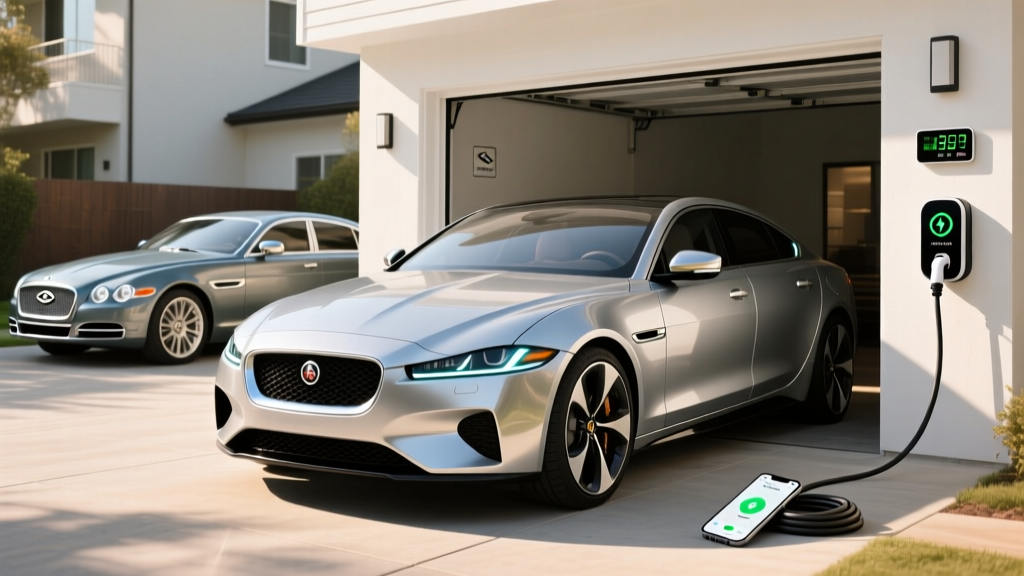
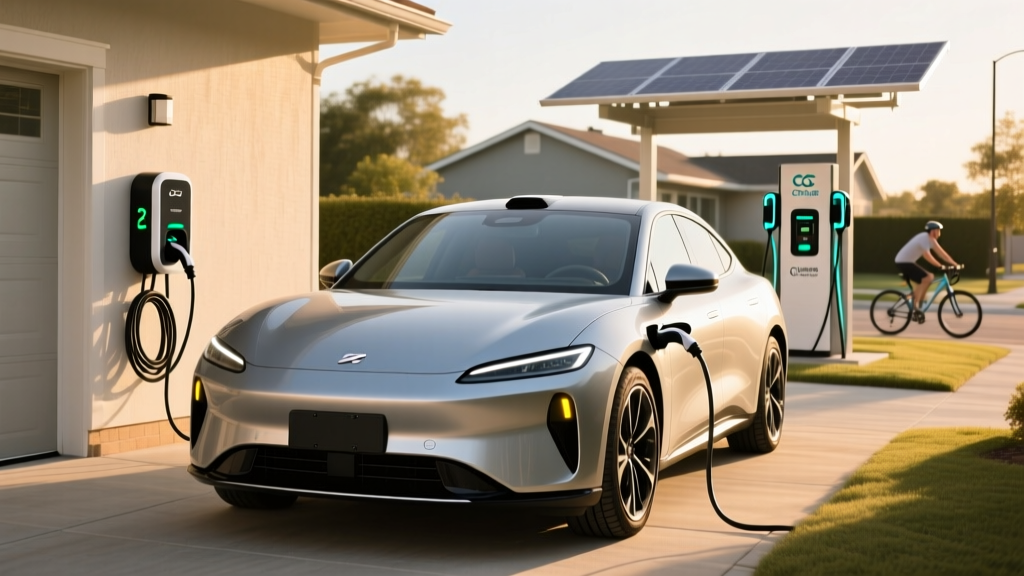
Installing a 240V Level 2 charger at home is the single highest-impact upgrade an EV owner can make. It transforms charging from a road-trip chore into a plug-in-at-night routine that costs a fraction of public charging. But the installation isn't as simple as plugging in a dryer — here's what's actually involved.
Electrical Requirements
A typical home Level 2 charger requires a dedicated 240V circuit rated at 40 or 50 amps (for a 32A or 40A continuous charger, respectively — the National Electrical Code requires circuits to be rated at 125% of continuous load). If you choose a 48-amp charger, you'll need a 60-amp breaker.
Your electrician will run 6 AWG copper wire (for 50A) or 4 AWG (for 60A) from your main panel to the charger location — typically a garage wall or exterior side panel. The run distance matters: longer wire runs increase material cost and may require upsizing wire gauge to prevent voltage drop.
Panel Upgrade: The Hidden Cost for Older Homes
If your home has a 100-amp electrical service panel — common in homes built before 1990 — adding a 40-60 amp EV circuit may exceed your panel's capacity. The electrician performs a load calculation (per NEC Article 220) that totals your existing circuits against panel capacity. If you're over the limit, you'll need a panel upgrade to 200A service, which is a significant additional cost.
Homes with 200A panels (most post-2000 construction) can usually accommodate a 40-60A EV circuit without upgrades, especially if you don't have other large loads like electric heat, an electric oven, and a hot tub running simultaneously.
Installation Cost Breakdown (2026 Estimates)
| Item | Simple Install (Short Run, 200A Panel) | Complex Install (Long Run or Panel Upgrade) |
|---|---|---|
| Level 2 Charger Equipment (40-48A) | $400–$700 | $400–$700 |
| Electrician Labor (2-4 hrs basic / 6-12 hrs complex) | $500–$1,200 | $1,500–$3,500 |
| Electrical Materials (wire, conduit, breaker) | $150–$400 | $400–$1,200 |
| Permit & Inspection | $100–$300 | $100–$400 |
| Panel Upgrade (if needed) | $0 | $1,500–$3,500 |
| Total Estimated Cost | $1,150–$2,600 | $3,900–$9,300 |
Sources: Licensed electrician estimates vary by region. Always get 2-3 quotes. Some utilities offer rebates of $250-$1,000 for charger installation — check your local provider.
The federal Alternative Fuel Vehicle Refueling Property Credit (IRC §30C) covers 30% of charger equipment and installation costs, up to $1,000, for home chargers installed in eligible census tracts. This is separate from the §30D vehicle tax credit. Consult a tax professional to confirm your eligibility, as census-tract requirements and income limits apply.
Connector Compatibility: NACS, CCS1, CHAdeMO, and the Adapter Reality
The connector landscape in 2026 has largely consolidated around the North American Charging Standard (NACS), originally developed by Tesla and now adopted by nearly every major automaker. But if you own an older EV or plan to use public chargers, you need to know which plug fits your vehicle and what adapters you may need.
| Connector | Vehicles Using It (2026) | DC Fast Availability | Adapter Needed? |
|---|---|---|---|
| NACS (Tesla) | Tesla (all), Ford, GM, Rivian, Volvo, Polestar, Mercedes, BMW, Hyundai/Kia (new models), Nissan (new Ariya) | Excellent — 25,000+ Tesla Superchargers + growing third-party NACS stations | Non-Tesla vehicles may need OEM-provided NACS adapter for Supercharger access |
| CCS1 | Legacy VW ID.4, older Ford Mustang Mach-E, Chevrolet Bolt (pre-2026), older Hyundai/Kia models, Stellantis EVs | Good — Electrify America, EVgo, ChargePoint networks | CCS-to-NACS adapter (~$200-300) needed for Supercharger access; some OEMs include free |
| CHAdeMO | Nissan Leaf (legacy), Mitsubishi Outlander PHEV (older) | Declining — fewer new installations | Not easily adaptable; rely on remaining CHAdeMO stations |
Practical advice: If you're buying a new EV in 2026, choose one with a native NACS port unless you have a specific reason not to. The Tesla Supercharger network remains the most reliable DC fast-charging infrastructure in North America, and NACS-native vehicles access it without adapters. For CCS1-equipped vehicles, adapters from Ford, GM, and Rivian are widely available, and third-party options from companies like Lectron and A2Z are expanding.
Cost to Charge: Home vs. Public vs. Gas — Per-Mile Breakdown
The economics of EV charging depend entirely on where you charge. A driver who charges 90% at home on off-peak rates and 10% on DC fast chargers during road trips will pay dramatically less per mile than someone who relies exclusively on public DC fast charging.
| Scenario | Rate ($/kWh) | Efficiency (mi/kWh) | Cost per Mile | Annual Cost (12,000 mi) |
|---|---|---|---|---|
| Home Level 2 — Off-Peak (utility TOU rate) | $0.08–$0.12 | 3.5–4.0 | $0.02–$0.03 | $240–$360 |
| Home Level 2 — Standard Rate | $0.13–$0.18 | 3.5–4.0 | $0.03–$0.05 | $360–$600 |
| Public Level 2 (ChargePoint, workplace) | $0.20–$0.35 | 3.5–4.0 | $0.05–$0.10 | $600–$1,200 |
| DC Fast Charging (Electrify America, Tesla) | $0.35–$0.55 | 3.0–3.5* | $0.10–$0.18 | $1,200–$2,160 |
| Gasoline Car (28 MPG avg, $3.50/gal) | $3.50/gal | 28 MPG | $0.125 | $1,500 |
*Highway driving reduces efficiency due to aerodynamic drag. Expect ~3.0-3.5 mi/kWh at 70+ mph vs. ~4.0 mi/kWh in mixed city driving.
The takeaway: home charging on a time-of-use (TOU) rate plan is 4-6x cheaper per mile than gasoline. Even exclusive DC fast charging is roughly comparable to or slightly cheaper than gas in most markets. The sweet spot for most owners is 85-95% home charging with occasional public DC fast stops for road trips.
For a concrete example, charging a 2026 Hyundai Ioniq 5 (84 kWh battery, EPA 310 miles) from 10% to 80% at home on a $0.10/kWh off-peak rate costs roughly $5.88 and takes about 7-8 hours on a 48A Level 2 charger. The same charge on a $0.45/kWh DC fast charger costs $26.46 and takes 18-22 minutes.
Equipment Picks: Best Home Level 2 Chargers for 2026
Not all Level 2 chargers are equal. The critical specs are maximum amperage (which determines your kW output), cable length (18-25 feet gives flexibility in most garages), connector type (NACS or J1772 — note that J1772 adapters to NACS are widely available), and smart features like Wi-Fi scheduling and load management.
Tesla Wall Connector (Gen 4)
- Power Output: 48A / 11.5 kW (on 60A circuit)
- Connector: NACS native
- Cable Length: 24 feet
- Smart Features: Wi-Fi, OTA updates, load sharing (pair two units on one circuit), Power-Share with Tesla Powerwall
- Price: ~$475
- Best For: Tesla owners and NACS-native vehicles; best value-to-performance ratio
ChargePoint Home Flex (2nd Gen)
- Power Output: Up to 50A / 12 kW (adjustable 16-50A to match circuit)
- Connector: J1772 (NACS adapter included in 2026 models)
- Cable Length: 23 feet
- Smart Features: Wi-Fi, app scheduling, Alexa integration, detailed energy reporting
- Price: ~$550–$650
- Best For: Multi-EV households with mixed connector needs; flexible amperage settings
Emporia Vue Level 2 Charger
- Power Output: 48A / 11.5 kW (on 60A circuit)
- Connector: J1772 (NACS adapter available separately)
- Cable Length: 24 feet
- Smart Features: Wi-Fi, solar integration with Emporia Vue energy monitor, TOU scheduling, load management
- Price: ~$400–$450
- Best For: Budget-conscious buyers; solar-panel households wanting integrated energy management
Grizzl-E Smart (United Chargers)
- Power Output: 40A / 9.6 kW (on 50A circuit)
- Connector: J1772 or NACS (choose at purchase)
- Cable Length: 24 feet
- Smart Features: Wi-Fi, OCPP compatibility (works with utility demand-response programs), built-in load balancing
- Price: ~$450–$550
- Best For: Outdoor installations (IP67 rated, -40°F operating range); Canadian-built durability
For most buyers in 2026, the Tesla Wall Connector is the default pick if your vehicle has a NACS port — it's the cheapest 48A option with the best software. If you need J1772 compatibility or want adjustable amperage for an older panel, the ChargePoint Home Flex is the most versatile. For cold-climate outdoor installs, the Grizzl-E is purpose-built for the job.
Safety, Code, and Installation Best Practices
EV chargers draw sustained high current for hours — this is a fundamentally different load than most household appliances. Following the National Electrical Code (NEC) isn't optional; it's what prevents fires, failed inspections, and voided insurance claims.
- Dedicated circuit: Your EV charger must be on its own dedicated breaker — no sharing with other outlets or appliances.
- GFCI protection: The 2023 NEC (adopted by most jurisdictions by 2026) requires GFCI protection for all 240V EV charging outlets. Hardwired chargers with built-in ground-fault protection may satisfy this requirement — confirm with your inspector.
- Outdoor rating: If your charger is installed outdoors, it must carry an IP65 or higher ingress-protection rating. NEMA 4 enclosure ratings are required for wet locations.
- Permit and inspection: Virtually every jurisdiction requires an electrical permit for EV charger installation. The inspection verifies wire gauge, breaker sizing, grounding, and GFCI compliance. Skipping the permit risks insurance denial in the event of an electrical fire.
- Load management: If your panel is near capacity but you want to avoid a costly upgrade, some smart chargers (like the Emporia Vue or Grizzl-E) offer load-management features that monitor your home's total draw and throttle the charger to stay within safe limits. Some jurisdictions accept this as an alternative to panel upgrades.
Frequently Asked Questions
How much does it cost to install a home EV charger?
A straightforward Level 2 installation in a home with a 200A panel and a short wire run typically costs $1,150–$2,600 including equipment, labor, and permits. If your home needs a panel upgrade from 100A to 200A service, expect $3,900–$9,300 total. Get multiple electrician quotes and check for utility rebates, which can offset $250–$1,000 of the cost.
How fast will each charging level add range?
Level 1 (120V) adds 3-5 miles per hour — adequate for PHEVs with small batteries but impractical for full EVs. Level 2 (240V, 48A) adds 30-46 miles per hour, fully replenishing most EVs overnight in 6-9 hours. DC fast charging at 150-250 kW can add 150-250 miles in 15-25 minutes, though the rate tapers significantly above 80% SoC.
Which connector and charger is compatible with my EV?
In 2026, most new EVs use the NACS connector (Tesla standard). Older EVs may use CCS1 or CHAdeMO. Check your vehicle's charge port or owner's manual. For home Level 2 charging, a J1772 connector works with CCS1 and CHAdeMO vehicles; NACS vehicles use the Tesla connector. Adapters bridge the gaps — most automakers now include or sell CCS-to-NACS adapters for Supercharger access.
How much does charging cost per mile vs. gas?
Home charging on off-peak electricity ($0.08-$0.12/kWh) costs roughly $0.02-$0.03 per mile — about 4-5x cheaper than a 28 MPG gas car at $3.50/gallon ($0.125/mile). Even public DC fast charging at $0.35-$0.55/kWh works out to $0.10-$0.18 per mile, comparable to or cheaper than gasoline. The biggest savings come from charging at home, which is where 85-95% of charging should happen for optimal economics.
What electrical upgrades might I need?
The most common upgrade is a panel replacement from 100A to 200A service ($1,500-$3,500) if your existing panel can't handle the additional 40-60A load. You may also need wire upgrades for long runs (over 100 feet from panel to charger), conduit installation for exterior runs, or a whole-home surge protector. A licensed electrician will perform a load calculation to determine exactly what's required. In some cases, smart load-management chargers can avoid the need for a panel upgrade entirely.
Does cold weather affect charging speed?
Yes, significantly. Lithium-ion batteries charge slower when cold because the electrolyte becomes more viscous, increasing internal resistance. A battery at 32°F may accept only 50-60% of its peak DC fast-charge rate until it warms up. Most modern EVs have battery preconditioning — the car heats the battery en route to a charger if you navigate there — which mitigates this. Always precondition before DC fast charging in cold weather, and expect 20-40% range loss in sustained sub-freezing temperatures due to cabin heating and battery inefficiency. According to fueleconomy.gov, EV range can drop 20-30% in temperatures below 20°F.
Can I charge my EV with a standard 120V outlet?
Yes, but it's slow. Level 1 charging at 120V/12A delivers about 1.4 kW — roughly 3-5 miles of range per hour. For a PHEV with 30 miles of electric range, overnight Level 1 charging is sufficient. For a BEV with a 75-85 kWh battery, a full charge would take 50+ hours. Level 1 is best treated as a backup or travel option, not a primary charging strategy. If you use Level 1 regularly, ensure the outlet is on a dedicated 15A or 20A circuit with no other loads, and never use an extension cord.
Putting your charger on fast and furious mode isn't about finding one magic product — it's about matching the right charging level, the right home electrical setup, and the right connector to your specific vehicle and driving patterns. For most EV owners, that means a 48A Level 2 home charger on a 60A circuit, a NACS-native vehicle, and a time-of-use electricity rate that keeps your cost per mile under three cents. Get those three things right, and the "fast and furious" part takes care of itself every morning when you walk out to a full battery.