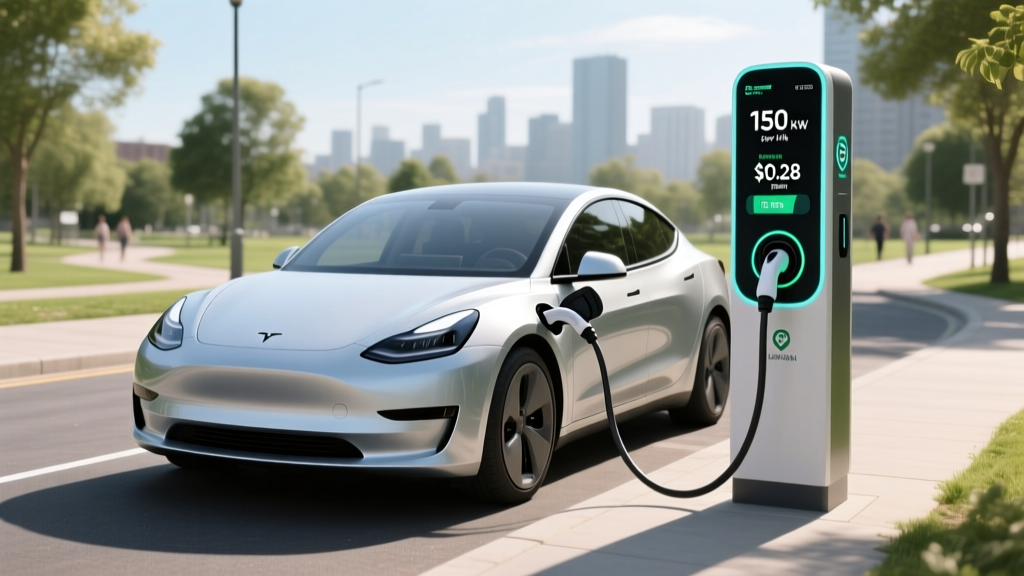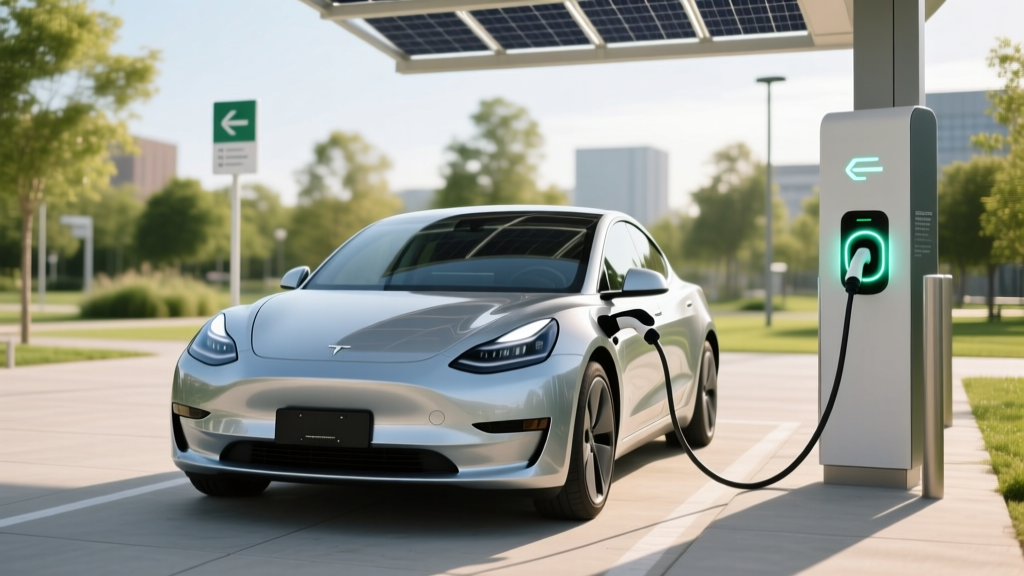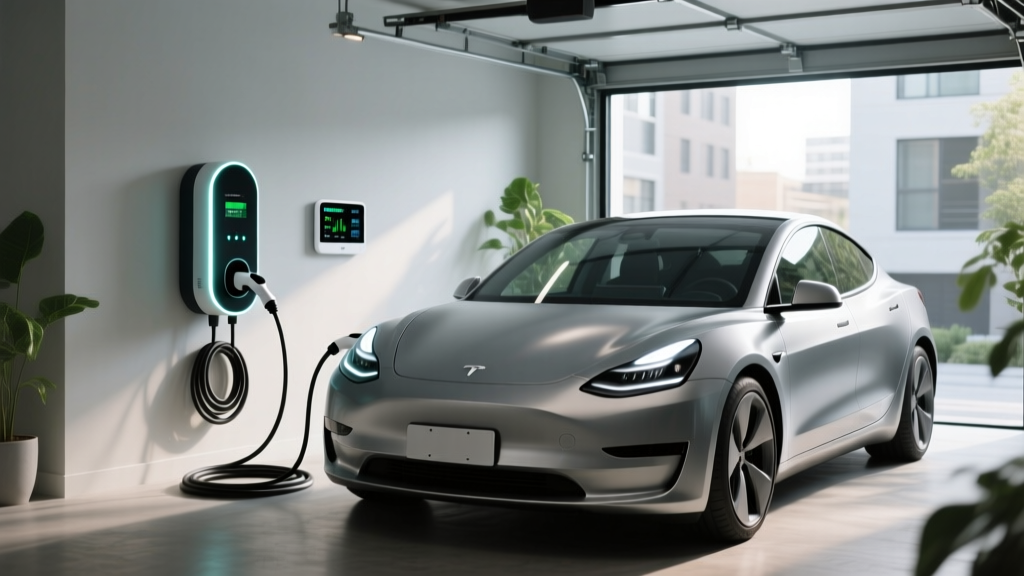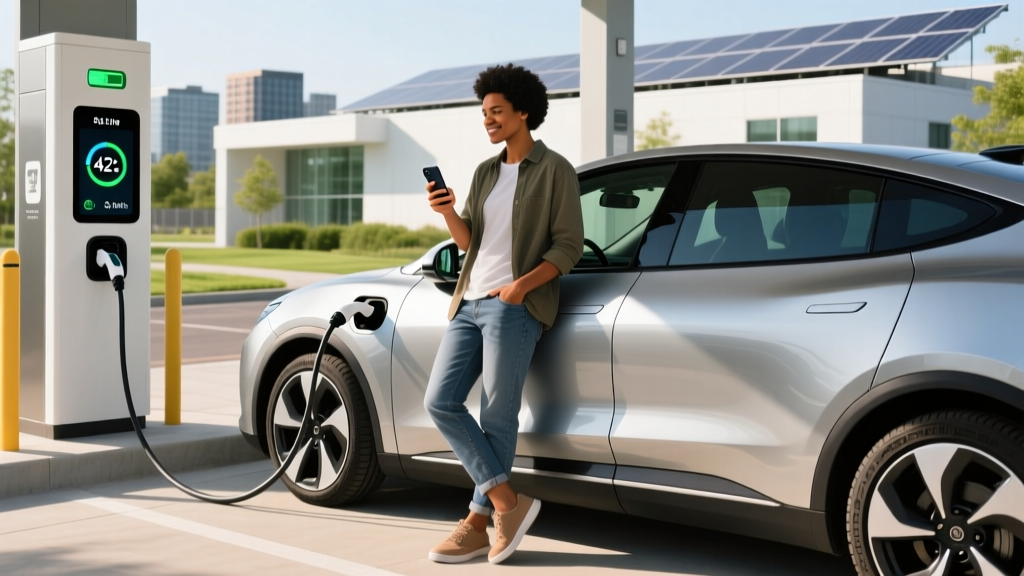
Every electric vehicle owner quickly learns that charger driving — the rhythm of when, where, and how you plug in — dictates your real-world experience far more than the EPA sticker on the window. A 300-mile EPA rating means little if your charging setup can't replenish that range overnight, or if you're paying $0.48/kWh at public DC fast stations every week. This guide breaks down the exact numbers behind home and public charging, installation realities, connector compatibility, and what you'll actually spend per mile in 2026.
Charging Levels Explained: Speeds, Power, and Range Added
Before we get into costs, let's clarify the single most important distinction in EV charging: kW (kilowatts) measures power — how fast energy flows, while kWh (kilowatt-hours) measures energy — how much your battery holds. Think of kW as the width of a hose and kWh as the size of the bucket. Confusing these two is the most common mistake new EV owners make.
| Level | Voltage / Amps | Power (kW) | Miles of Range Added Per Hour | Typical 10–80% Time (75 kWh Battery) | Best For |
|---|---|---|---|---|---|
| Level 1 | 120V / 12A | 1.4 kW | 3–5 mi/hr | ~37 hours | PHEVs, overnight trickle, emergency top-ups |
| Level 2 (Home) | 240V / 32–48A | 7.7–11.5 kW | 25–44 mi/hr | ~5.5–8 hours | Daily home charging, most BEV owners |
| DC Fast Charging | 400–800V DC | 50–350 kW | 150–800+ mi/hr (peak) | 18–45 min (varies by vehicle) | Road trips, quick replenishment |
A critical real-world note: DC fast charging speeds peak only between roughly 10–50% state of charge (SoC). Above 80%, the charge curve tapers dramatically to protect battery health. A vehicle advertising "peak 250 kW" may sustain that rate for only 5–10 minutes before dropping to 100 kW, then 50 kW above 80%. Always look at 10–80% charge times, not peak kW figures, when evaluating charging speed.
Home Charger Installation: What It Actually Costs in 2026
Installing a Level 2 home charger is the single highest-impact upgrade an EV owner can make. It transforms your daily routine from "finding a charger" to "waking up with a full battery." But costs vary wildly depending on your home's electrical infrastructure.
Electrical Requirements for Level 2 Charging
Most Level 2 home chargers require a 240-volt dedicated circuit, similar to what an electric dryer or oven uses. The most common configurations:
- 40-amp circuit / 32A continuous: Delivers 7.7 kW — sufficient for most EVs and the minimum we recommend.
- 50-amp circuit / 40A continuous: Delivers 9.6 kW — ideal for larger batteries (100+ kWh trucks like the F-150 Lightning).
- 60-amp circuit / 48A continuous: Delivers 11.5 kW — fastest residential Level 2; requires robust panel capacity.
The National Electrical Code (NEC) requires that continuous loads (like EV charging) use only 80% of a circuit's rated capacity. So a 40A breaker supports 32A continuous charging — not 40A.
Panel Upgrade: The Hidden Cost
Homes built before 2000 often have 100-amp or 150-amp main service panels. Adding a 40–60A EV circuit to an already-loaded panel may require a panel upgrade to 200 amps, which is the most expensive variable in the entire installation. A load calculation performed by a licensed electrician will determine if your panel can handle the additional draw.
| Component | Simple Install (Panel Has Capacity) | Complex Install (Panel Upgrade Needed) |
|---|---|---|
| Level 2 Charger (Equipment) | $400–$700 | $400–$700 |
| Electrician Labor (wiring, conduit, outlet/hardwire) | $600–$1,500 | $1,500–$3,000 |
| Panel Upgrade (if needed) | $0 | $1,500–$3,500 |
| Permit & Inspection | $50–$200 | $100–$300 |
| Total Estimated Cost | $1,050–$2,400 | $3,500–$7,500 |
Some utilities offer rebates of $250–$500 for home charger installation, and certain states provide additional incentives. Check your local utility's EV programs before scheduling work.
Safety and Code Considerations
Any reputable electrician will address these code requirements:
- Dedicated circuit: Your EV charger must have its own breaker — no sharing with other appliances.
- GFCI protection: NEC 2020 and later require ground-fault circuit interrupter protection for EV charging outlets (hardwired units often have built-in GFCI).
- NEMA 14-50 outlet vs. hardwired: A NEMA 14-50 receptacle offers portability but requires a GFCI breaker (adding $100–$150). Hardwired units skip the outlet and GFCI breaker requirement, offering a cleaner install and often higher amperage support.
- Outdoor rating: If your charger is installed outside or in an unsealed garage, ensure it carries a NEMA 4 (weatherproof) rating.
Connector Compatibility: NACS, CCS, and CHAdeMO in 2026
The connector landscape has shifted dramatically. As of 2026, the North American Charging Standard (NACS) — originally Tesla's proprietary connector — has become the dominant standard, with Ford, GM, Rivian, Hyundai, Kia, and most major automakers adopting it for new vehicles. Here's where things stand:
| Connector | Brands Using It (New Vehicles) | Public Network Access | Adapter Needed? |
|---|---|---|---|
| NACS (J3400) | Tesla, Ford, GM, Rivian, Hyundai, Kia, Volvo, Polestar, BMW, Mercedes | Tesla Supercharger, Electrify America (new stalls), EVgo | CCS-to-NACS adapter for legacy CCS vehicles (~$200) |
| CCS1 | Volkswagen ID.4 (2024 and earlier), older BMW i4/iX, legacy models | Electrify America, EVgo, ChargePoint | NACS-to-CCS adapter for Tesla Superchargers (limited availability) |
| CHAdeMO | Nissan Leaf (discontinued 2025), Mitsubishi Outlander PHEV (older) | Dwindling — some Electrify America legacy stalls | No practical adapter; network is sunsetting |
If you're buying a new EV in 2026, NACS is the clear standard going forward. Owners of 2023–2025 CCS-equipped vehicles can purchase manufacturer-approved CCS-to-NACS adapters (typically $150–$250) to access Tesla's Supercharger network, which now has over 30,000 stalls open to non-Tesla vehicles across North America.
What Charging Actually Costs Per Mile vs. Gas
The economics of charger driving hinge on where you charge. Home charging on off-peak electricity rates delivers the lowest per-mile cost, while frequent DC fast charging can approach or exceed gasoline costs in some regions.
| Scenario | Rate ($/kWh) | Cost to Add 200 Miles* | Cost Per Mile |
|---|---|---|---|
| Home (off-peak utility rate) | $0.10–$0.14 | $6.00–$8.40 | $0.03–$0.042 |
| Home (standard utility rate) | $0.15–$0.20 | $9.00–$12.00 | $0.045–$0.06 |
| Public Level 2 (workplace/mall) | $0.20–$0.30 | $12.00–$18.00 | $0.06–$0.09 |
| DC Fast Charging (Electrify America, EVgo) | $0.35–$0.55 | $21.00–$33.00 | $0.105–$0.165 |
| Gasoline (28 MPG combined, $3.40/gal) | $3.40/gallon | $24.29 | $0.121 |
| *Based on an EV averaging 3.0 miles/kWh (e.g., Tesla Model Y, Hyundai Ioniq 5). Efficiency varies by vehicle, temperature, and driving style. Gas comparison based on EPA combined 28 MPG midsize SUV average per fueleconomy.gov. | |||
The takeaway: home charging is 2–4× cheaper per mile than gasoline. But if you rely exclusively on DC fast charging at $0.48–$0.55/kWh, your per-mile cost can exceed gasoline in many states. Charger driving economics are overwhelmingly determined by your access to affordable home or workplace Level 2 charging.
Recommended Home Chargers for 2026
After testing dozens of Level 2 units across multiple EVs and climates, here are the chargers that deliver the best combination of reliability, speed, smart features, and value.
ChargePoint Home Flex (NACS)
- Power Output: Up to 12 kW (50A circuit) — adjustable down to 16A for lower-capacity panels
- Connector: NACS (J3400); CCS1 version also available
- Cable Length: 23 feet
- Smart Features: Wi-Fi connected, scheduled charging, energy tracking via app, Alexa integration
- Price: ~$599 (equipment only)
- Verdict: Best all-around pick. Flexible amperage means it works on nearly any panel. UL-listed and widely utility-rebated.
Tesla Wall Connector (NACS)
- Power Output: Up to 11.5 kW (48A on 60A circuit)
- Connector: NACS (native Tesla); includes Magic Dock adapter for CCS vehicles at some locations
- Cable Length: 24 feet
- Smart Features: Wi-Fi, over-the-air updates, Power Sharing (link multiple units on one circuit), Tesla app integration
- Price: ~$475
- Verdict: Best value for Tesla owners and NACS-adopting vehicles. Clean design, fast charging, competitive price.
Emporia Vue Level 2 Charger
- Power Output: Up to 11.5 kW (48A)
- Connector: NACS or J1772 (CCS1) versions available
- Cable Length: 24 feet
- Smart Features: Integrated energy monitoring (pairs with Emporia Vue home energy panel), solar-aware charging, time-of-use scheduling
- Price: ~$399
- Verdict: Budget pick with surprisingly robust smart features. Ideal if you have solar panels and want to charge on excess production.
For hardwired installations (recommended for maximum amperage and cleanest code compliance), all three units support hardwire. If you need a NEMA 14-50 plug for portability, confirm the unit ships with the correct plug configuration — some require a separate adapter cord.
Frequently Asked Questions
How much does it cost to install a home EV charger?
For a straightforward Level 2 installation where your electrical panel has sufficient capacity, expect to pay $1,050–$2,400 total (equipment, electrician, permit). If your home needs a 200-amp panel upgrade, the total can reach $3,500–$7,500. Always get a load calculation from a licensed electrician before committing. According to the U.S. Department of Energy, utility rebates can offset $250–$500 of this cost in many regions.
How fast will each charging level add range?
Level 1 (120V) adds roughly 3–5 miles of range per hour — adequate only for PHEVs with small batteries. Level 2 (240V, 32–48A) adds 25–44 miles per hour, enough to fully replenish most EVs overnight. DC fast charging adds 150–800+ miles per hour at peak rates, but sustained speed depends on the vehicle's charge curve, battery temperature, and the charger's actual output. A Tesla Model Y on a V3 Supercharger (250 kW) achieves 10–80% in approximately 22 minutes; a Chevrolet Equus EV with 350 kW capability can do it in roughly 18 minutes under ideal conditions.
Which connector/charger is compatible with my EV?
Check your vehicle's charge port. For 2025–2026 model-year vehicles from Ford, GM, Rivian, Hyundai, Kia, and most others, the port is NACS (J3400). Older CCS1-equipped vehicles (2023–2024 model years from VW, some BMWs) can use a manufacturer-approved CCS-to-NACS adapter to access Tesla Superchargers. CHAdeMO (Nissan Leaf) is a legacy standard with declining infrastructure support. When buying a home charger, match the connector to your vehicle's native port — don't rely on adapters for daily home charging.
How much does charging cost per mile vs. gas?
At the U.S. residential average electricity rate of approximately $0.16/kWh (per EIA data), and an EV efficiency of 3.0 mi/kWh, home charging costs roughly $0.053/mile. A comparable gasoline SUV at 28 MPG and $3.40/gallon costs $0.121/mile. That's a 56% savings per mile with home charging. However, exclusive reliance on DC fast charging at $0.48/kWh pushes cost to $0.16/mile — actually more expensive than gasoline. Your charger driving pattern determines whether you save or overspend.
What electrical upgrades might I need?
The three most common upgrades are: (1) Panel upgrade — moving from a 100A or 150A service panel to 200A, costing $1,500–$3,500. (2) New dedicated circuit — running new 6/3 or 4/3 copper wire from the panel to your garage or driveway, which is standard for any new Level 2 install. (3) Service entrance upgrade — in rare cases, the utility's feed to your home may need upgrading if the main service drop is undersized. A licensed electrician's load calculation (per NEC Article 220) will identify all requirements. Never skip the permit and inspection — unpermitted EV charger work can void home insurance claims and create fire risk.
Building Your Charger Driving Strategy
The data makes one thing clear: the EV owners who save the most money and experience the least friction are those who charge at home on Level 2, use DC fast charging only for road trips, and understand their vehicle's charge curve. If you're evaluating an EV purchase, prioritize your charging access before you prioritize range. A 250-mile EV with reliable home charging will serve you better than a 350-mile EV that depends on unreliable public infrastructure.
For the latest IRS rules on the §30D federal EV tax credit — which can reduce vehicle cost by up to $7,500 depending on MSRP caps, buyer income limits, and battery sourcing requirements — consult a tax professional before purchasing, as eligibility rules continue to evolve.