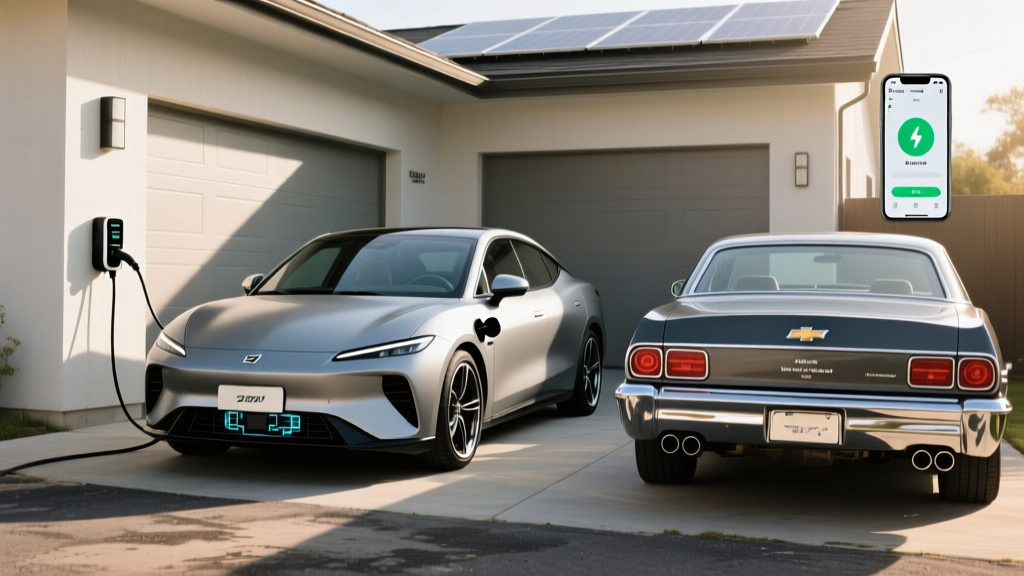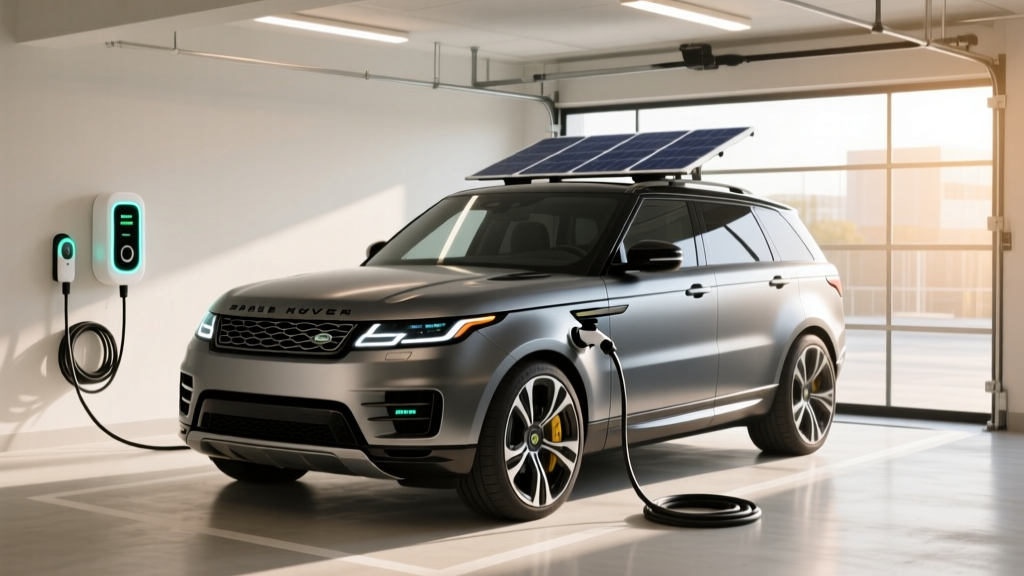
If you've searched for a "Challenger charger" recently, you're likely navigating one of two scenarios: you own a Dodge Challenger and are exploring whether any electrified charging options exist, or — far more commonly in 2026 — you're an EV owner looking for a robust, no-nonsense home charging solution and the term has surfaced in your research. This guide addresses the practical reality: how to set up a high-quality Level 2 home charger (the kind of rugged, reliable unit that earns a "challenger" reputation among EV owners), what it costs, what electrical work your home may need, and how charging economics stack up against gasoline.
The Three Charging Levels Every EV Owner Must Understand
Before buying any equipment, you need clarity on the three charging tiers. The distinction between kW (kilowatts) and kWh (kilowatt-hours) is non-negotiable: kW measures the rate of power delivery (like water pressure from a hose), while kWh measures total energy stored in your battery (like gallons in a tank). A 48 kW charger delivers energy at 48 kilowatts; an 80 kWh battery holds 80 kilowatt-hours of energy.
| Level | Voltage / Amps | Power (kW) | Miles of Range Added Per Hour | Typical Use Case |
|---|---|---|---|---|
| Level 1 | 120V / 12A | 1.4 kW | 3–5 miles | Overnight trickle; PHEV top-ups |
| Level 2 | 240V / 32–48A | 7.7–11.5 kW | 25–45 miles | Daily home charging; workplace |
| DC Fast | 400–800V DC | 50–350 kW | 150–1,200 miles (peak) | Road trips; highway corridors |
For a typical 75 kWh battery (like the one in a Tesla Model Y or Hyundai Ioniq 5), a Level 2 charger at 11.5 kW adds roughly 80% state of charge in about 6–7 hours. A DC fast charger peaking at 250 kW can deliver a 10–80% charge in approximately 18–25 minutes, though the charge curve tapers significantly above 80% — a physics limitation that protects battery longevity.
How Much Does a Home EV Charger Actually Cost to Install?
Installation costs vary enormously based on your home's electrical panel, the distance from panel to charger location, and local permit fees. Here's a realistic breakdown for a 240V/48A Level 2 installation in 2026:
| Component | Low-End Estimate | High-End Estimate | Notes |
|---|---|---|---|
| Level 2 Charger Unit (40–48A) | $350 | $750 | Smart Wi-Fi units cost more |
| Electrician Labor | $400 | $1,500 | Depends on run length, conduit |
| Electrical Permit | $50 | $250 | Varies by municipality |
| Panel Upgrade (if needed) | $1,500 | $3,500+ | 100A → 200A service upgrade |
| Total (no panel upgrade) | $800 | $2,500 | Most homes with 200A service |
| Total (with panel upgrade) | $2,300 | $6,000+ | Older homes with 100A panels |
The panel upgrade is the wildcard that catches many buyers off guard. If your home has a 100-amp main service panel — common in homes built before the 1990s — adding a 48A continuous-load circuit (which requires a 60A breaker per National Electrical Code 80% derating rules) may exceed your panel's remaining capacity. A licensed electrician will perform a load calculation before recommending an upgrade. Do not skip this step: undersized panels are a fire hazard.
Which Connector Does Your EV Need? NACS, CCS, and CHAdeMO Explained
The connector landscape has consolidated significantly by 2026, but compatibility still matters — especially if you're buying a charger for a multi-EV household or planning to keep your vehicle for many years.
| Connector Type | Brands Using It (2026) | Adapter Needed? |
|---|---|---|
| NACS (Tesla / North American Charging Standard) | Tesla, Ford, GM, Rivian, Volvo, Polestar, Hyundai, Kia, BMW, Mercedes | No for native NACS; CCS→NACS adapters available (~$200) |
| CCS1 (Combined Charging System) | Legacy VW ID.4, some older Hyundai/Kia models, Stellantis | NACS→CCS adapter for Tesla Superchargers |
| CHAdeMO | Nissan Leaf (discontinued), Mitsubishi Outlander PHEV | Limited adapter options; network declining |
If you're purchasing a home Level 2 charger in 2026, a NACS-terminated unit is the safest long-term bet for most buyers. Nearly every major automaker has adopted NACS for new models, and the Tesla Supercharger network — the most reliable public DC network — now serves non-Tesla EVs via NACS or the Magic Dock adapter. For Level 2 home units, the J1772 connector (the legacy standard) still ships on many chargers, but NACS adapters are widely available for under $100.
Real Charging Times: What to Expect With Common Battery Sizes
Charging time depends on three variables: battery capacity (kWh), charger power output (kW), and the vehicle's onboard charger limit. Here are real-world benchmarks for popular 2026 EVs:
- Tesla Model Y (75 kWh battery, 11.5 kW onboard charger): 0–100% on a 48A Level 2 in ~7 hours; 10–80% on a 250 kW DC fast charger in ~18 minutes (peak rate sustains to ~50%, then tapers).
- Hyundai Ioniq 5 (77.4 kWh, 10.9 kW onboard): Level 2 full charge in ~7.5 hours; DC fast 10–80% in ~18 minutes thanks to 800V architecture supporting up to 350 kW peak.
- Ford F-150 Lightning Extended Range (131 kWh, 19.2 kW onboard): Level 2 full charge in ~7 hours at 19.2 kW (requires an 80A circuit); DC fast 10–80% in ~35 minutes at 150+ kW.
- Chevrolet Equinox EV (85 kWh, 11.5 kW onboard): Level 2 in ~8 hours; DC fast 10–80% in ~25 minutes.
A critical nuance: your vehicle's onboard charger caps Level 2 speed regardless of how powerful your home unit is. Plugging a car with a 7.7 kW onboard charger into an 11.5 kW wall unit still charges at 7.7 kW. Always check your vehicle's onboard charger rating before overspending on a higher-amperage home unit.
Cost Per Mile: EV Charging vs. Gasoline in 2026
The economic argument for home charging remains compelling, though public DC fast charging narrows the gap. Using the national average electricity rate of $0.17/kWh (per U.S. EIA data) and $3.40/gallon for regular unleaded:
| Scenario | Rate | Vehicle Efficiency | Cost Per Mile |
|---|---|---|---|
| Home Level 2 (off-peak TOU rate) | $0.11/kWh | 3.5 mi/kWh (120 MPGe) | $0.031 |
| Home Level 2 (standard rate) | $0.17/kWh | 3.5 mi/kWh | $0.049 |
| Public Level 2 (network pricing) | $0.25/kWh | 3.5 mi/kWh | $0.071 |
| DC Fast Charging ( Electrify America, EVgo) | $0.40/kWh | 3.0 mi/kWh (highway) | $0.133 |
| Gasoline vehicle (28 MPG combined) | $3.40/gal | 28 MPG | $0.121 |
Home charging at off-peak rates delivers fuel cost at roughly one-quarter the price of gasoline. Even standard-rate home charging undercuts gas by 60%. However, exclusive reliance on DC fast charging actually costs more per mile than a fuel-efficient gas car — a reality that makes home charging access the single most important economic factor in EV ownership.
Equipment Picks: Recommended Level 2 Chargers for 2026
These are the home chargers that have earned strong reputations for reliability, smart features, and value. Each recommendation includes the power output, connector, and cable length — the three specs that matter most.
Best Overall: ChargePoint Home Flex
- Power: Up to 12 kW (50A, configurable down to 16A)
- Connector: NACS or J1772 (NACS version now standard)
- Cable Length: 23 feet
- Smart Features: Wi-Fi, app scheduling, energy tracking, Alexa integration
- Price: ~$550 (NACS version)
- Why: Flexible amperage lets you match your circuit capacity; proven reliability over multiple hardware generations.
Best Value: Emporia Level 2 EV Charger
- Power: Up to 11.5 kW (48A)
- Connector: J1772 (NACS adapter included)
- Cable Length: 24 feet
- Smart Features: Wi-Fi, load management with Emporia energy monitor, solar integration
- Price: ~$400
- Why: Unbeatable price-to-feature ratio; load management pairs with home energy monitoring to avoid panel overload.
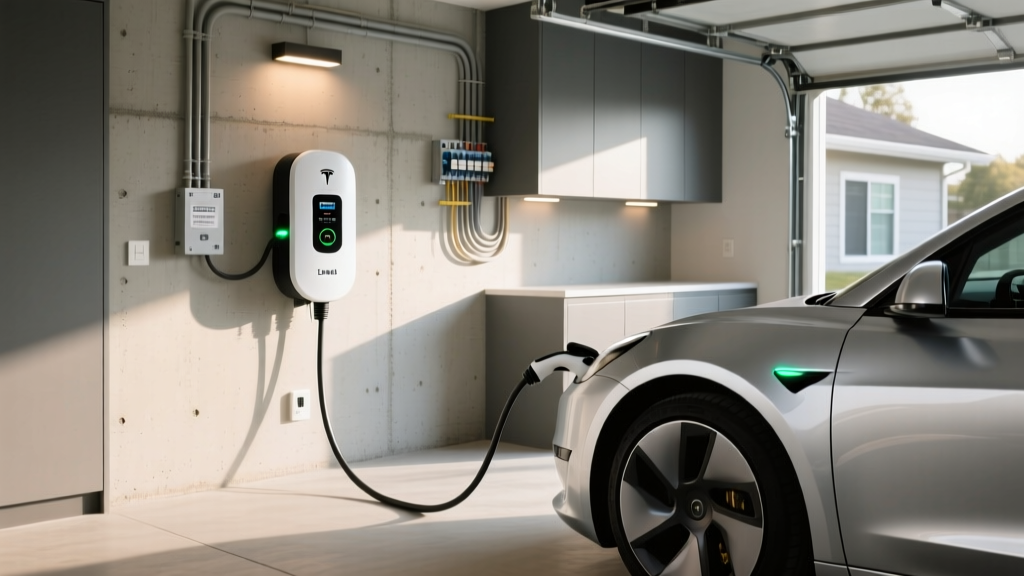
Best for Tesla Owners: Tesla Wall Connector
- Power: Up to 11.5 kW (48A)
- Connector: NACS native
- Cable Length: 24 feet
- Smart Features: Wi-Fi, over-the-air updates, power sharing (link two units on one circuit)
- Price: ~$475
- Why: Seamless Tesla integration; power-sharing feature is ideal for two-EV garages on a single 60A circuit.
Best for High-Power Needs: Grizzl-E Smart
- Power: Up to 10 kW (40A)
- Connector: J1772 or NACS
- Cable Length: 24 feet
- Smart Features: Wi-Fi, OCPP protocol support, extreme cold rating (-40°F)
- Price: ~$550
- Why: Built in Canada for harsh climates; industrial-grade components; works with any OCPP-compatible network for commercial or fleet use.
Safety, Electrical Code, and Installation Best Practices
A Level 2 charger is a continuous-load appliance — it can draw maximum current for hours. The NEC requires the circuit breaker to be rated at 125% of the continuous load. This means a 48A charger requires a 60A breaker and appropriately sized wire (typically 6 AWG copper or 4 AWG aluminum). Key safety requirements include:
- Dedicated circuit: Your EV charger must have its own breaker — never share a circuit with other appliances.
- GFCI protection: The 2023 NEC update requires GFCI (ground-fault circuit interrupter) protection for all EV charging outlets. Many modern chargers have built-in GFCI, but confirm with your electrician that your installation meets local code.
- Outdoor rating: If your charger is installed outdoors or in an unsealed garage, it must carry a NEMA 4 (weatherproof) rating. All units recommended above meet this standard.
- Hardwired vs. plug: Hardwired installations (no plug, direct wire connection) are generally safer and allow higher amperage. A NEMA 14-50 outlet offers portability but is limited to 40A continuous (50A breaker) and requires a high-quality, EV-rated receptacle — cheap residential-grade outlets have caused melting incidents under sustained EV loads.
- Permit and inspection: Nearly all jurisdictions require a permit for EV charger installation. Skipping the inspection risks insurance denial in the event of an electrical fire. Budget $50–$250 and schedule the inspection before the electrician closes up the walls.
If you're considering a used EV and exploring the IRS used clean vehicle credit (up to $4,000 for qualifying pre-owned EVs), note that this credit is separate from the home charging infrastructure credit, which was not renewed for 2026. Some states and utilities still offer rebates for charger equipment or installation — check with your local utility before purchasing.
Frequently Asked Questions
How much does it cost to install a home EV charger?
A typical Level 2 installation in a home with adequate 240V panel capacity runs $800–$2,500 including the charger unit, electrician labor, and permit. If your home needs a panel upgrade from 100A to 200A service, add $1,500–$3,500 to that total. Always get a load calculation from a licensed electrician before committing.
How fast will each charging level add range?
Level 1 (120V) adds 3–5 miles per hour — adequate only for PHEVs with small batteries or as emergency trickle charging. Level 2 (240V) adds 25–45 miles per hour depending on amperage and your vehicle's onboard charger. DC fast charging adds 150+ miles in 15–20 minutes at peak rates, though charging speed tapers significantly above 80% state of charge.
Which connector/charger is compatible with my EV?
For 2026 models, NACS is now the dominant standard across Tesla, Ford, GM, Rivian, Hyundai, Kia, BMW, and others. Older CCS1 vehicles (like early VW ID.4 models) can use NACS-to-CCS adapters at Tesla Superchargers. CHAdeMO is effectively discontinued for new vehicles. For home Level 2 charging, most EVs accept either J1772 or NACS — check your vehicle's charge port and buy accordingly.
How much does charging cost per mile vs gas?
Home charging at average residential rates ($0.17/kWh) costs approximately $0.05 per mile — roughly 60% less than a 28 MPG gas car at $3.40/gallon ($0.12/mile). Off-peak time-of-use rates can drop this to $0.03/mile. Public DC fast charging at $0.40/kWh costs about $0.13/mile, which is actually more expensive than gasoline.
What electrical upgrades might I need?
The most common upgrade is a panel capacity increase from 100A to 200A, which costs $1,500–$3,500. You may also need a new conduit run from panel to garage (adding $200–$800 depending on distance), a sub-panel if your main panel is full, or a smart load-management device that throttles charger power when other appliances are running — this can avoid a full panel upgrade in some homes.