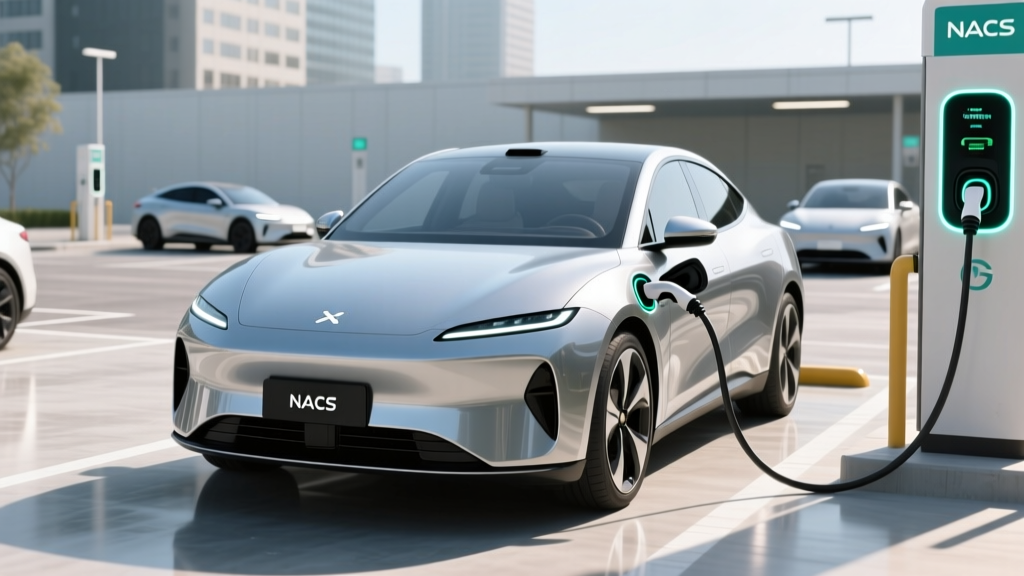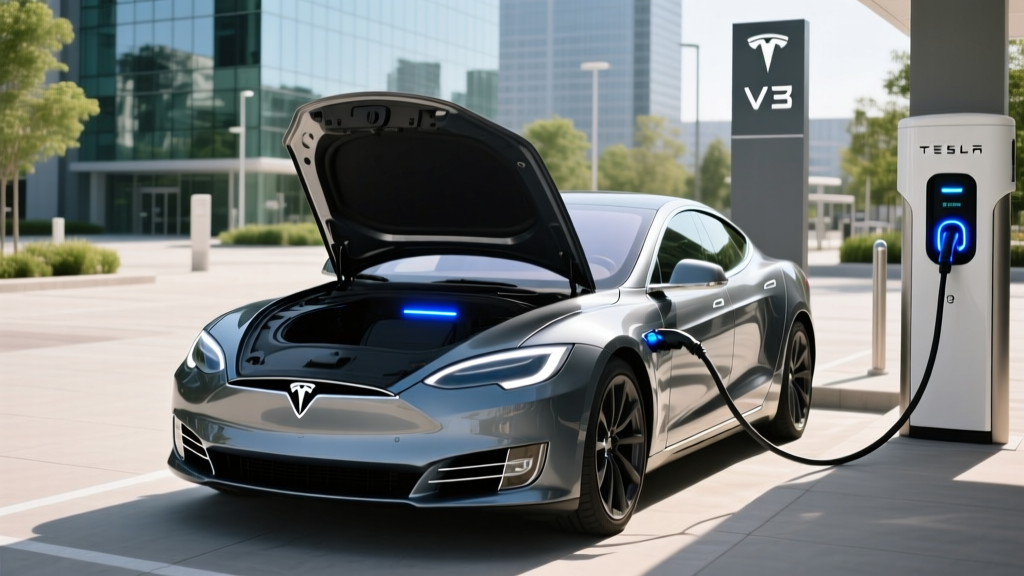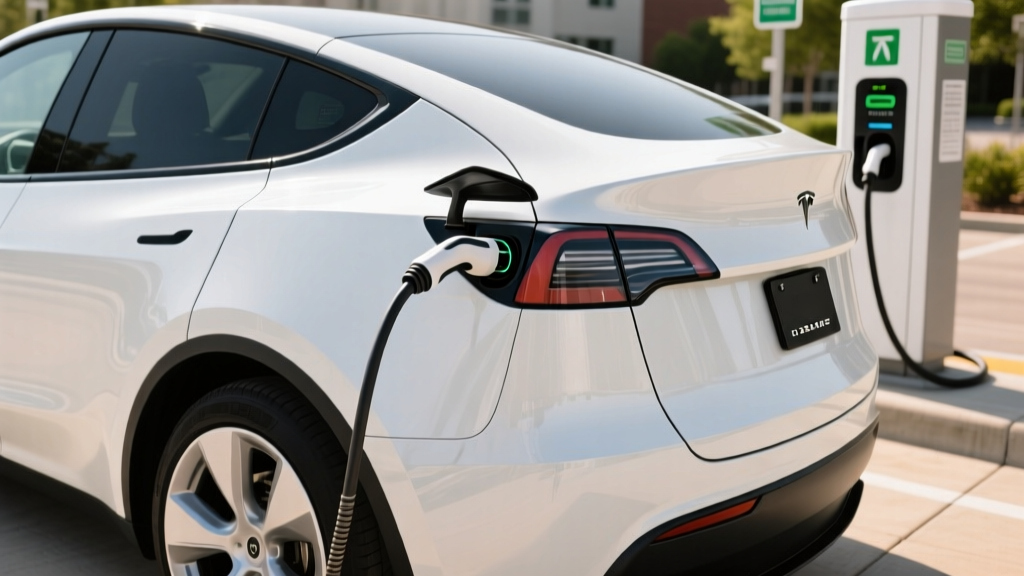
If you own a Tesla built before the native NACS-to-CCS transition, you may already know the frustration: Tesla Superchargers are excellent, but they don't cover every highway corridor, rural stretch, or destination. Meanwhile, the broader public DC fast-charging network — Electrify America, EVgo, ChargePoint, and countless regional operators — runs almost entirely on CCS1 connectors. A CCS adapter retrofit for Tesla bridges that gap, letting you pull electrons from any CCS-equipped station without trading in your vehicle.
This guide breaks down what the retrofit involves, what it costs, how charging speeds compare across all three levels, and what you need to know about home electrical upgrades, connector compatibility, and per-mile charging economics in 2026.
Why a CCS Adapter Retrofit for Tesla Matters in 2026
Tesla's North American Charging Standard (NACS) connector has won the long game — Ford, GM, Rivian, Hyundai, and most other automakers adopted it starting in 2024–2025. But the transition won't be complete overnight. Thousands of public DC fast chargers across the U.S. still carry CCS1 plugs, and many newly installed stations (especially those funded by the NEVI federal program) include both CCS1 and NACS cables.
For Tesla owners, this creates a practical problem. The Tesla Supercharger network boasts over 25,000 stalls in North America and remains the most reliable DC fast-charging ecosystem. Yet coverage gaps persist — particularly on U.S. Routes through the Mountain West, parts of the rural Southeast, and older shopping-center installations locked into CCS-only contracts. A CCS adapter retrofit for Tesla solves this by enabling access to the roughly 15,000+ CCS-equipped DC fast chargers you'd otherwise drive past.
kW (kilowatts) measures power — the rate at which energy flows into your battery, like water pressure from a hose. kWh (kilowatt-hours) measures energy capacity — the total amount of electricity your battery holds, like the size of the tank. A 250 kW charger delivers energy faster than a 50 kW charger. Your Tesla Model 3 Long Range holds roughly 75 kWh of usable energy. Never confuse the two.
Charging Levels Explained: Speeds, Power, and Range Added Per Hour
Every EV owner needs fluency in the three charging tiers. Your CCS adapter retrofit for Tesla applies specifically to DC Fast Charging (Level 3), but understanding all three levels is essential for daily ownership.
| Level | Voltage | Max Power (kW) | Miles of Range Added Per Hour | Typical Use Case |
|---|---|---|---|---|
| Level 1 | 120V AC | 1.2–1.9 kW | 3–5 mi/hr | Overnight trickle, emergency backup |
| Level 2 | 240V AC | 7.2–19.2 kW | 20–60 mi/hr | Home daily charging, workplace, hotels |
| DC Fast (Level 3) | 400–800V DC | 50–350 kW | 150–1,000+ mi/hr (peak) | Road trips, highway corridor charging |
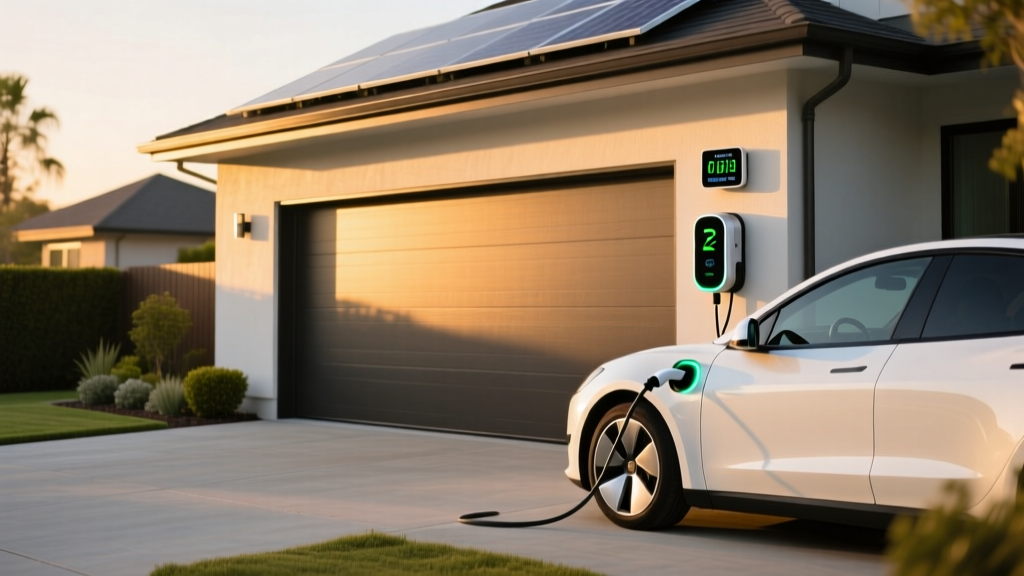
On a Level 2 home charger delivering 11.5 kW (48A on a 60A circuit), a Tesla Model Y Long Range (75 kWh usable battery, ~310 miles EPA range) recovers roughly 44 miles of range per hour — enough to fully replenish overnight. On a 250 kW DC fast charger, that same Model Y can add approximately 200 miles in 15 minutes under ideal conditions, though real-world charging curves taper significantly above 80% State of Charge (SoC).
How the CCS Adapter Retrofit for Tesla Works
There are two primary paths to CCS compatibility on a Tesla:
1. OEM-Style CCS Adapter (Plug-and-Play)
Tesla began selling an official CCS Combo 1 adapter in late 2022 for vehicles with the hardware ECU required to support CCS communication. Vehicles built from approximately June 2020 onward generally have the necessary onboard charge-port controller. The adapter plugs into your Tesla's NACS charge port on one end and accepts a CCS1 connector on the other. It supports DC fast charging up to 250 kW (matching Tesla's V3 Supercharger speeds) and costs approximately $175–$250 depending on availability.
2. Aftermarket Retrofit for Older Teslas
Teslas built before mid-2020 — primarily 2018–2019 Model 3 and 2020 Model Y units — may lack the ECU firmware and charge-port wiring harness needed for CCS handshake protocols. An aftermarket CCS adapter retrofit for Tesla in these cases involves:
- Charge-port harness upgrade: Replacing or supplementing the wiring between the charge port and the high-voltage junction box to support CCS communication pins.
- ECU firmware update: A software flash (sometimes requiring a third-party tuning shop or Tesla service center visit) to enable CCS protocol recognition.
- Physical adapter: The NACS-to-CCS1 adapter dongle itself.
Total aftermarket retrofit cost typically runs $300–$600 including parts and labor, depending on vehicle year and shop rates. Always verify with the retrofit provider that your specific VIN is supported.
- Maximum DC fast-charge speed is capped by your vehicle's onboard architecture — most Teslas peak at 250 kW regardless of the charger's rated output.
- Some CCS stations (particularly older 50 kW CHAdeMO/CCS combo units) may not handshake properly with the adapter. Stick to major networks (Electrify America, EVgo) for best compatibility.
- Level 2 AC charging through a CCS adapter is generally not supported — use your Tesla's native J1772 adapter for public Level 2 stations.
Connector Compatibility: NACS, CCS1, and CHAdeMO Explained
The North American EV charging landscape in 2026 involves three primary DC fast-charging connector standards. Here's what connects to what:
| Connector | Primary Users | Adapter Needed for Tesla? | DC Fast Charge Support |
|---|---|---|---|
| NACS (Tesla) | Tesla (all years), Ford, GM, Rivian, Hyundai, others (2024+) | Native — no adapter | Yes, up to 350 kW (V4 Supercharger) |
| CCS1 (Combo) | Legacy non-Tesla EVs (VW ID.4, BMW i4, older Hyundai/Kia) | Yes — CCS adapter retrofit for Tesla required | Yes, up to 350 kW |
| CHAdeMO | Nissan Leaf, Mitsubishi Outlander PHEV (legacy) | Not available for Tesla | Yes, typically 50–100 kW |
| J1772 (AC only) | All EVs for Level 2 AC charging | Tesla includes J1772 adapter with vehicle | No — AC Level 1/2 only |
For Tesla owners, the CCS adapter retrofit unlocks the largest non-Tesla DC fast-charging ecosystem. CHAdeMO is a dead standard in North America — Nissan abandoned it for the 2025 Ariya and beyond — so investing in CHAdeMO compatibility is not recommended.
Home Charging Installation: Electrical Requirements and Costs
While your CCS adapter retrofit for Tesla is primarily a road-trip tool, your daily charging should happen at home on a Level 2 circuit. Here's what a proper home installation requires.
Electrical Specifications for Level 2 Home Charging
- Voltage: 240V (same as your dryer or oven circuit)
- Amperage: 40A to 60A dedicated circuit (supports 9.6 kW to 14.4 kW continuous draw)
- Circuit breaker: Must be rated 125% above continuous load — a 48A charger requires a 60A breaker
- Wire gauge: 6 AWG copper for 48A; 4 AWG for 60A circuits (varies by run length and local code)
- Outlet vs. hardwired: NEMA 14-50 receptacle (50A) is common for portable chargers; hardwired is preferred for 60A+ units and eliminates GFCI nuisance-trip issues
Panel Upgrade Considerations
Homes with 100A main service panels may lack capacity for a 60A EV circuit, especially if you also run electric heat, an electric dryer, and an electric oven simultaneously. A panel upgrade to 200A service typically costs $1,500–$3,500 and may be required before your electrician will sign off on the EV circuit permit. Newer homes (post-2000) usually have 200A panels with sufficient spare capacity.
| Cost Component | Typical Range | Notes |
|---|---|---|
| Level 2 Charger (Equipment) | $350–$700 | Smart Wi-Fi chargers like ChargePoint Home Flex or Tesla Wall Connector |
| Electrician Labor | $500–$2,000 | Depends on panel-to-garage distance, conduit run, wall material |
| Electrical Permit | $50–$250 | Required in most jurisdictions; inspection included |
| Panel Upgrade (if needed) | $1,500–$3,500 | 100A → 200A upgrade; not always required |
| Total (no panel upgrade) | $900–$2,950 | Most common scenario for modern homes |
| Total (with panel upgrade) | $2,400–$6,450 | Older homes with 100A service |
The IRS Residential Clean Energy Credit (25D) offers a 30% federal tax credit on home EV charger equipment and installation costs through 2032, capped at $1,000 per year. This can offset $105–$210 of a standard installation. Consult a tax professional for eligibility specifics.
Charging Cost Per Mile: Home vs. Public vs. Gas
Understanding per-mile fuel cost is where EV ownership economics become clear. Here's how common scenarios compare for a Tesla Model Y Long Range (approximately 3.5 miles per kWh efficiency):
| Charging Scenario | Cost per kWh | Cost per Mile | Annual Cost (12,000 mi) |
|---|---|---|---|
| Home (off-peak utility rate) | $0.08–$0.14 | $0.023–$0.040 | $275–$480 |
| Home (average U.S. rate, ~$0.17/kWh) | $0.17 | $0.049 | $583 |
| Public Level 2 (ChargePoint, etc.) | $0.25–$0.49 | $0.071–$0.140 | $857–$1,680 |
| DC Fast Charging (Electrify America, EVgo) | $0.35–$0.55 | $0.100–$0.157 | $1,200–$1,886 |
| Tesla Supercharger (average 2026) | $0.28–$0.36 | $0.080–$0.103 | $960–$1,234 |
| Gasoline (28 MPG combined, $3.40/gal) | — | $0.121 | $1,457 |
Even at public DC fast-charging rates, a Tesla Model Y costs less per mile than a 28 MPG gas car in most U.S. markets. Home charging on off-peak rates delivers fuel costs roughly 70–80% lower than gasoline. According to fueleconomy.gov, the average EV owner saves $800–$1,300 annually on fuel compared to a gas vehicle in the same class.
Recommended Charging Equipment for Tesla Owners
Whether you're setting up home Level 2 charging or preparing for road trips with your CCS adapter retrofit for Tesla, here are the equipment picks that matter.
Home Level 2 Chargers
Tesla Wall Connector (Gen 3)
- Power Output: Up to 11.5 kW (48A)
- Connector: Native NACS — no adapter needed for Tesla
- Cable Length: 24 ft
- Smart Features: Wi-Fi, OTA updates, power-sharing with second unit, load management
- Price: ~$475
- Best For: Tesla-only households wanting the simplest plug-and-charge experience
ChargePoint Home Flex
- Power Output: Up to 12 kW (50A, configurable down to 16A)
- Connector: J1772 (use Tesla's included J1772 adapter) or NACS pigtail version
- Cable Length: 23 ft
- Smart Features: Wi-Fi, app scheduling, Alexa integration, flexible amperage for older panels
- Price: ~$550–$700
- Best For: Multi-EV households or homes with limited panel capacity (dial down to 32A/24A)
Emporia Vue Level 2 Charger
- Power Output: Up to 11.5 kW (48A)
- Connector: J1772 or NACS (configurable)
- Cable Length: 24 ft
- Smart Features: Integrated energy monitoring, solar-aware charging, app control
- Price: ~$399–$499
- Best For: Budget-conscious buyers who want energy monitoring without a separate panel monitor
CCS Adapter Options for Tesla
- Tesla Official CCS Combo 1 Adapter: ~$175–$250. Supports up to 250 kW DC fast charging. Compatible with Teslas equipped with the CCS-enabled charge-port ECU (most 2021+ vehicles; check your vehicle's charge-port menu for CCS compatibility confirmation).
- Third-party NACS-to-CCS adapters (A2Z EV, Lectron, etc.): ~$150–$300. Verify UL listing or equivalent safety certification. Some third-party adapters support only up to 150 kW — check specifications before purchase.
- Full aftermarket retrofit (older Teslas): $300–$600 installed, including harness upgrade, firmware flash, and adapter. Seek a shop with documented Tesla CCS retrofit experience.
DC Fast Charging Times: What to Expect With Your CCS Adapter
Charging speed on a CCS station depends on three factors: the station's maximum output, your vehicle's peak acceptance rate, and the battery's State of Charge (SoC). Tesla's battery management system aggressively tapers charge rate above 80% SoC to protect long-term battery health.
Here are realistic 10–80% DC fast-charging times for common Tesla models using a CCS adapter at a 150–250 kW station:
- Tesla Model 3 Long Range (75 kWh usable, NMC): 10–80% in approximately 25–30 minutes at a 250 kW charger. Sustained peak rate of ~170–200 kW through 50% SoC, tapering to ~80 kW by 70%, and ~40 kW above 80%.
- Tesla Model Y Long Range (75 kWh usable, NMC): 10–80% in approximately 27–33 minutes at 250 kW. Nearly identical curve to Model 3.
- Tesla Model 3/Y Standard Range (57–60 kWh usable, LFP): 10–80% in approximately 22–28 minutes. LFP batteries tolerate higher sustained charge rates at high SoC, partially offsetting the smaller battery.
- Tesla Model S/X (100 kWh usable, NMC): 10–80% in approximately 35–42 minutes at 250 kW. Larger battery means more total kWh to push, even at similar peak kW.
On a 50 kW CCS station (older installations), expect 10–80% times of 60–90 minutes regardless of model. This is why identifying 150+ kW stations via apps like PlugShare or A Better Routeplanner is critical for road-trip planning with a CCS adapter.
Safety, Electrical Code, and Best Practices
Both your home Level 2 installation and your CCS adapter usage should follow established safety protocols:
Home Installation Code Requirements
- Dedicated circuit: Your Level 2 charger must be on its own dedicated breaker — never shared with other appliances.
- GFCI protection: NEC 2020 and later require GFCI protection for outdoor receptacles used for EV charging. Hardwired installations often exempt from GFCI requirements and avoid nuisance tripping — discuss with your electrician.
- Outdoor rating: If your charger mounts outdoors, it must carry a NEMA 4 or IP65 weather-resistance rating. All recommended units above meet this standard.
- Permit and inspection: Most municipalities require an electrical permit and post-installation inspection. Skipping this step can void homeowner's insurance coverage for electrical fires.
- Wire sizing and conduit: Your electrician will calculate wire gauge based on circuit amperage and run length. Longer runs (>50 ft from panel) may require upsized wire to prevent voltage drop.
CCS Adapter Safety Tips
- Inspect the adapter pins and housing before each use. Damaged pins can cause arcing or communication failures.
- Never use a CCS adapter in wet conditions if the adapter or cable shows visible damage.
- Store the adapter in a protective case in your frunk or trunk — loose adapters bouncing in a cargo area can sustain internal damage.
- If a CCS station fails to initiate charging within 30 seconds, disconnect and try another stall. Repeated handshake failures may indicate a station-side issue, not an adapter fault.
Frequently Asked Questions
How much does it cost to install a home EV charger?
A typical Level 2 home charger installation costs $900–$2,950 when no panel upgrade is needed. This includes the charger ($350–$700), electrician labor ($500–$2,000), and a permit ($50–$250). If your home has a 100A panel that needs upgrading to 200A, add $1,500–$3,500. The IRS 25D Residential Clean Energy Credit covers 30% of equipment and installation up to $1,000.
How fast will each charging level add range?
Level 1 (120V) adds 3–5 miles per hour. Level 2 (240V, 48A) adds 35–44 miles per hour for a Tesla Model 3/Y. DC fast charging at 250 kW adds roughly 200 miles in 15 minutes under optimal conditions, though the charge curve tapers significantly above 80% SoC.
Which connector and charger is compatible with my Tesla?
All Teslas use the native NACS connector for DC fast charging and Level 2 AC charging. For public Level 2 stations with J1772 connectors, Tesla includes a J1772-to-NACS adapter with every vehicle. For CCS1-equipped DC fast chargers, you need a CCS adapter retrofit for Tesla — either Tesla's official adapter ($175–$250) or an aftermarket solution for older vehicles.
How much does charging cost per mile vs gas?
Home charging at the U.S. average rate of ~$0.17/kWh costs roughly $0.049 per mile in a Tesla Model Y. Gasoline at $3.40/gallon in a 28 MPG vehicle costs $0.121 per mile — about 2.5× more. Even public DC fast charging at $0.48/kWh ($0.137/mile) is competitive with gasoline in most markets.
What electrical upgrades might I need for a home charger?
If your home has a 200A electrical panel with available breaker slots, you likely need only a dedicated 60A circuit. Homes with 100A panels, older wiring (aluminum or knob-and-tube), or panels near capacity may require a full service upgrade to 200A ($1,500–$3,500). Your electrician will perform a load calculation per NEC Article 220 to determine whether your panel can support the additional draw.
Will a CCS adapter void my Tesla warranty?
Tesla's official CCS Combo 1 adapter does not affect your vehicle warranty. Third-party adapters are unlikely to void your overall warranty under the Magnuson-Moss Warranty Act, but if a third-party adapter causes charge-port damage, Tesla may deny coverage for that specific repair. Stick with Tesla's OEM adapter or a UL-listed third-party unit for the safest path.
Can I use my CCS adapter at Electrify America and EVgo stations?
Yes. Electrify America and EVgo are the two largest CCS-equipped networks in the U.S., and both are compatible with Tesla CCS adapters. You'll need each network's app or RFID card to initiate a session. PlugShare and the Alternative Fuels Data Center are reliable tools for finding CCS stations along your route.
A CCS adapter retrofit for Tesla transforms your vehicle from a Supercharger-dependent car into a genuinely universal EV capable of pulling from virtually any DC fast charger on the road. For $175–$600 depending on your vehicle year, you gain access to thousands of additional charging stalls — insurance against the coverage gaps that still exist in 2026's charging infrastructure. Pair it with a properly installed home Level 2 charger, and you have a complete, cost-efficient charging ecosystem for daily driving and road trips alike.