California remains the most EV-friendly state in the U.S., with over 110,000 public charging ports as of early 2026 and utility rate plans specifically designed for EV owners. But navigating California electric charging — from figuring out whether your home's electrical panel can support a Level 2 charger, to understanding which public network actually works with your car — requires more than a quick search. This guide gives you the exact numbers: charging speeds in kW, installation costs with panel-upgrade realities, connector compatibility by brand, and what you'll actually pay per mile compared to gasoline.
Understanding California's Three Charging Levels
Every EV owner needs to understand the difference between kW (power — how fast energy flows) and kWh (energy — how much your battery holds). Think of kW as the width of a hose and kWh as the size of the bucket. A wider hose (more kW) fills the bucket faster, but the bucket size (battery kWh) doesn't change. This distinction matters because chargers are rated in kW, batteries in kWh, and confusing them leads to wildly wrong expectations about charging time.
| Level | Voltage | Power (kW) | Miles of Range per Hour | Best For |
|---|---|---|---|---|
| Level 1 | 120V AC | 1.0–1.4 kW | 3–5 mi/hr | Overnight top-ups, PHEVs, low-mileage drivers |
| Level 2 | 240V AC | 3.3–19.2 kW | 12–75 mi/hr | Daily home charging, workplace charging |
| DC Fast Charge | 400–800V DC | 50–350 kW | 150–1,200+ mi/hr (peak) | Road trips, quick top-ups away from home |
Real-world charging time examples: A 75 kWh battery (like a Tesla Model Y Long Range) charging from 10% to 80% takes roughly 8–10 hours on a 7.7 kW Level 2 home charger, about 2.5 hours on a 19.2 kW Level 2, and approximately 18–25 minutes on a 250 kW DC fast charger (accounting for charge-curve taper above 50–60% state of charge). A larger 100 kWh battery (GMC Hummer EV, Ford F-150 Lightning Extended Range) will add 10–15 minutes to each of those figures.
Home Charger Installation: What It Actually Costs in California
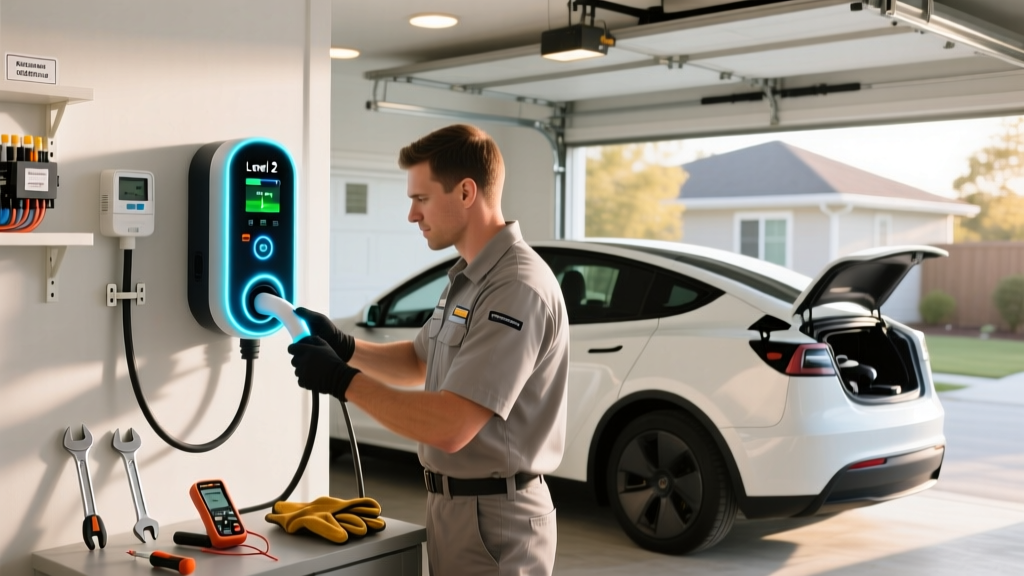
Installing a Level 2 home charger in California ranges from a simple plug-in setup to a full electrical panel upgrade. The cost depends on your home's existing electrical service, the distance from your panel to the charging location, and your municipality's permit requirements. Here's the honest breakdown — including the scenario most guides gloss over: older California homes with 100-amp panels.
| Component | Simple Install (200A panel, short run) | Complex Install (panel upgrade, long run) |
|---|---|---|
| Level 2 Charger Equipment | $400–$700 | $400–$700 |
| Electrician Labor | $500–$1,200 | $1,500–$3,000 |
| Electrical Permit | $100–$300 | $150–$400 |
| Panel Upgrade (100A → 200A) | Not needed | $2,000–$4,500 |
| Conduit & Wiring (50ft+ run) | $100–$300 | $500–$1,500 |
| Total Estimated Cost | $1,100–$2,500 | $4,550–$10,100 |
Electrical requirements for a typical Level 2 install: Most homeowners install a 240V, 40-amp or 48-amp dedicated circuit (NEMA 14-50 outlet or hardwired). A 48-amp charger requires a 60-amp breaker per National Electrical Code (NEC) continuous-load rules, which mandate that circuits be rated at 125% of the sustained draw. Hardwired installations are generally preferred for outdoor setups because they eliminate the GFCI breaker requirement that applies to receptacle-based installations in many California jurisdictions.
Panel upgrade reality: Many California homes built before 1990 have 100-amp or 125-amp service. Adding a 48-amp EV circuit to a 100-amp panel already running central air conditioning, an electric dryer, and an electric range will likely overload it. A licensed electrician will perform a load calculation (NEC Article 220) to determine if your panel can handle the additional draw. If not, a panel upgrade to 200 amps costs $2,000–$4,500 in most California markets, and in high-cost areas like the Bay Area or Los Angeles, it can reach $5,000+.
Incentives to offset cost: Several California utilities offer rebates for home charger installation. PG&E, SCE, and SDG&E periodically run programs offering $500–$1,500 toward equipment and installation. Some programs require enrollment in a time-of-use (TOU) rate plan. Always check your utility's current offerings before purchasing equipment, as program availability changes annually.
Connector Compatibility: NACS, CCS, and CHAdeMO in California
California's public charging infrastructure uses three primary connector standards, and the landscape has shifted dramatically since 2024 when Ford, GM, Rivian, and most major automakers adopted the North American Charging Standard (NACS). Here's what fits what in 2026:
| Connector | Brands Using It Natively | Notes |
|---|---|---|
| NACS (Tesla-style) | Tesla, Ford, GM, Rivian, Volvo, Polestar, Mercedes-Benz, Nissan (new models) | Access to Tesla Supercharger network directly (17,000+ stalls in CA) |
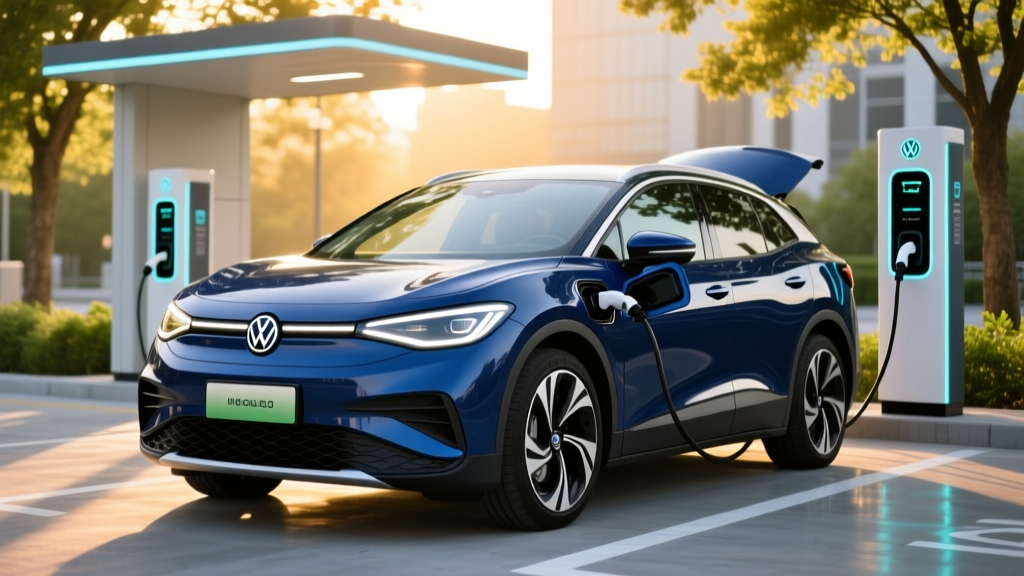
| CCS1 | Hyundai, Kia, BMW, VW, Stellantis (most current models) | Used at Electrify America, EVgo, ChargePoint DC stations; adapters available |
| CHAdeMO | Nissan Leaf (legacy) | Being phased out; very few new CHAdeMO stations being built |
Adapter situation: If you own a CCS-equipped vehicle (2023–2025 Hyundai Ioniq 5, Kia EV6, BMW i4), you'll likely need a CCS-to-NACS adapter ($200–$350) to access Tesla Superchargers, which represent the largest and most reliable DC fast-charging network in California. Ford and GM provide these adapters with new vehicle purchases. Conversely, Tesla owners rarely need adapters since the Supercharger network is extensive, though a NACS-to-CCS adapter ($200–$250) is useful for accessing Electrify America stations in areas with limited Supercharger coverage.
For Level 2 home and public charging, all non-Tesla EVs use the J1772 connector. Tesla includes a J1772-to-NACS adapter with every vehicle, and most Level 2 public chargers in California (ChargePoint, Blink, EVgo Level 2) have J1772 connectors or dual-cable setups.
California Electric Charging Costs: Home vs. Public vs. Gas
One of the strongest arguments for EV ownership in California is fuel cost savings — but only if you charge strategically. California's electricity rates are among the highest in the nation, and unmanaged public DC fast charging can approach the cost of gasoline. Here's what you'll actually pay:
| Charging Scenario | Rate ($/kWh) | Cost per Mile (at 3.5 mi/kWh) | Annual Cost (12,000 mi) |
|---|---|---|---|
| Home Level 2, Off-Peak TOU (overnight) | $0.12–$0.18 | $0.034–$0.051 | $410–$615 |
| Home Level 2, Peak TOU (afternoon) | $0.30–$0.48 | $0.086–$0.137 | $1,030–$1,645 |
| Public Level 2 (workplace, shopping) | $0.20–$0.39 | $0.057–$0.111 | $685–$1,335 |
| DC Fast Charging (Electrify America, EVgo) | $0.43–$0.64 | $0.123–$0.183 | $1,475–$2,195 |
| Tesla Supercharger (California average) | $0.32–$0.46 | $0.091–$0.131 | $1,095–$1,575 |
| Gasoline (28 MPG avg, $5.10/gal CA avg) | — | $0.182 | $2,185 |
The key takeaway: Home charging on an off-peak time-of-use plan delivers massive savings — roughly $1,500–$1,800 per year less than gasoline. But if you rely primarily on DC fast charging (common for apartment dwellers without home charging), your annual fuel cost can equal or exceed gasoline. This is why home charging access is the single most important factor in EV ownership economics in California.
California TOU rate tip: PG&E's EV-B rate plan, SCE's TOU-D-PRIME, and SDG&E's EV-TOU-5 all offer dramatically cheaper overnight rates (typically midnight to 3 PM or midnight to 6 AM). Scheduling your EV to charge between 12 AM and 5 AM can cut your per-mile cost by 60–70% compared to peak afternoon rates. Most modern EVs and smart chargers let you set charging schedules through their apps.
Recommended Home EV Chargers for California Homes
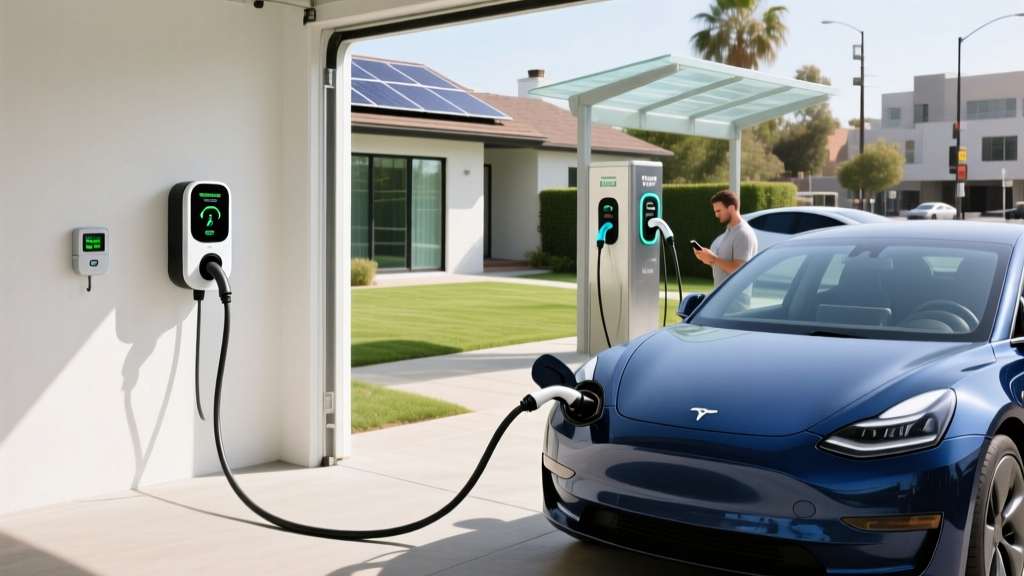
Not all Level 2 chargers are created equal. Here are four well-regarded options with the specs that matter — power output, connector type, cable length, smart features, and real pricing:
ChargePoint Home Flex
- Power Output: Up to 12 kW (50A), adjustable down to 16A for lower-capacity panels
- Connector: J1772 (NACS version available 2025+)
- Cable Length: 23 feet
- Smart Features: Wi-Fi, scheduling, energy tracking, Alexa integration
- Price: $599–$699
- Best For: Flexible amperage adjustment — ideal if your panel is borderline
Wall Connector (Tesla, 3rd Gen)
- Power Output: Up to 11.5 kW (48A)
- Connector: NACS native; J1772 adapter included for non-Tesla EVs
- Cable Length: 24 feet
- Smart Features: Wi-Fi, OTA updates, Power-Share (load balancing between two units)
- Price: $475
- Best For: Tesla owners and multi-EV households (Power-Share avoids panel upgrades)
Emporia Level 2 Smart Charger
- Power Output: Up to 11.5 kW (48A)
- Connector: J1772 (NACS version available)
- Cable Length: 24 feet
- Smart Features: Wi-Fi, solar integration, real-time energy monitoring via Emporia app
- Price: $399
- Best For: Budget-conscious buyers and solar-panel households wanting energy tracking
Grizzl-E Smart
- Power Output: Up to 10 kW (40A)
- Connector: J1772 or NACS
- Cable Length: 24 feet
- Smart Features: Wi-Fi, OCPP compatibility, adjustable amperage
- Price: $449–$499
- Best For: Harsh outdoor installs — IP67 rated, built for extreme temperatures
What to look for: Ensure any charger you buy is UL-listed (safety certification), offers at least 20 feet of cable for garage flexibility, and supports Wi-Fi scheduling so you can take advantage of California's off-peak TOU rates. Hardwired models generally cost less to install than plug-in models in California because many jurisdictions require GFCI breakers on 240V receptacles used for EV charging, which adds $50–$120 to the electrical work and can cause nuisance tripping.
California Public Charging Networks: What's Actually Reliable
California has the densest public charging infrastructure in the country, but reliability varies significantly by network. Here's the landscape in 2026:
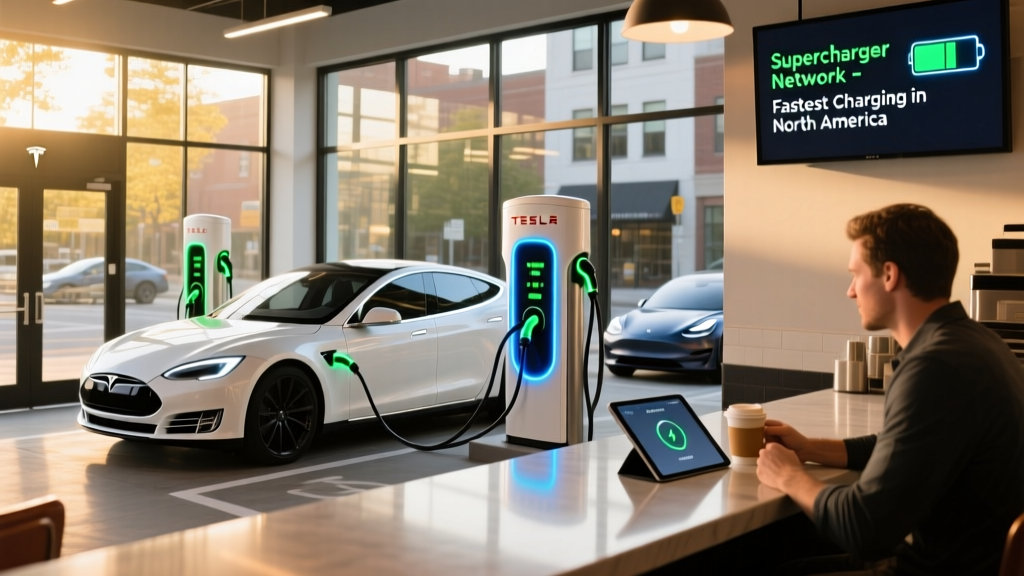
- Tesla Supercharger: ~17,000 stalls across California. Highest uptime (97%+ per Tesla's reports). Now open to non-Tesla NACS-equipped vehicles. Typically 150–250 kW per stall, with newer V4 posts supporting up to 350 kW.
- Electrify America: ~4,500 ports in California. Mix of 50 kW, 150 kW, and 350 kW chargers. CCS1 native; NACS adapters may be needed depending on your vehicle. Reliability has improved since 2024 but still trails Supercharger.
- EVgo: ~3,000 ports statewide. Primarily urban and retail locations. Mix of 50–350 kW. Offers subscription plans ($4.99–$9.99/month) that reduce per-kWh rates.
- ChargePoint: Dominant in Level 2 public charging (workplaces, shopping centers, parking garages). Over 30,000 Level 2 ports in California. DC fast charging presence is smaller.
Practical advice: Download the PlugShare or A Better Routeplanner app before any road trip. These crowdsource real-time charger status and user reviews, flagging broken stalls before you arrive. For daily driving in California, home Level 2 charging handles 90%+ of most owners' needs — public DC fast charging is primarily a road-trip tool.
Safety, Electrical Code, and Permit Requirements
California's electrical code (based on the NEC with state amendments) has specific requirements for EV charging installations:
- Dedicated circuit: Your Level 2 charger must be on its own dedicated circuit — no sharing with other appliances.
- GFCI protection: Required for all receptacle-based (plug-in) 240V EV charging installations per NEC 625.54. Hardwired installations are exempt in most jurisdictions.
- Outdoor rating: Outdoor chargers must be rated for wet locations (NEMA 4 or IP65 minimum). All chargers recommended above meet this standard.
- Permit required: Every California jurisdiction requires an electrical permit for EV charger installation. Permit fees typically range from $100–$400. The work must pass inspection before the installation is considered code-compliant.
- Load management: If your panel is near capacity, an electrician may recommend an automated load-management device (such as the Emporia Smart Load Management or Tesla Power-Share) that dynamically reduces charger amperage when other high-draw appliances activate. This can avoid a costly panel upgrade.
Always hire a licensed, insured electrician who has experience with EV charger installations. Ask for their EV-specific installation references and confirm they'll pull the required permit. Unpermitted work can void your homeowner's insurance coverage for electrical-related claims and cause problems during a home sale.
Frequently Asked Questions
How much does it cost to install a home EV charger in California?
A straightforward installation on an existing 200-amp panel with a short wire run costs $1,100–$2,500 total (equipment + electrician + permit). If your home needs a panel upgrade from 100A to 200A — common in homes built before 1990 — expect $4,550–$10,100. Utility rebates from PG&E, SCE, or SDG&E may offset $500–$1,500 of this cost.
How fast will each charging level add range?
Level 1 (120V) adds 3–5 miles of range per hour — adequate for PHEVs with small batteries but impractical for most BEVs. Level 2 (240V, 48A) adds 30–40 miles per hour, easily replenishing a full day's driving overnight. DC fast charging at 150–250 kW can add 150–300+ miles in 20–30 minutes, though the charge curve tapers significantly above 60–80% state of charge.
Which connector is compatible with my EV?
For 2026 models: Tesla, Ford, GM, Rivian, Volvo, and Polestar use NACS natively. Hyundai, Kia, BMW, and VW primarily use CCS1. The Nissan Leaf (legacy models) uses CHAdeMO. Check your vehicle's charge port or owner's manual. Adapters are widely available to bridge connector types — most notably CCS-to-NACS adapters ($200–$350) for accessing Tesla Superchargers.
How much does EV charging cost per mile vs. gas in California?
Home charging on off-peak TOU rates costs $0.03–$0.05 per mile — roughly 70–80% cheaper than California gasoline at $5.10/gallon and 28 MPG ($0.18/mile). Public DC fast charging at $0.43–$0.64/kWh costs $0.12–$0.18 per mile, narrowing the gap with gasoline. The savings case for EVs in California depends heavily on home charging access and enrollment in a TOU rate plan.
What electrical upgrades might I need for a home charger?
The most common upgrade is a panel upgrade from 100A to 200A service ($2,000–$4,500). You may also need a new dedicated circuit with appropriate wire gauge (6 AWG copper for 48A circuits), conduit runs for long distances, and a GFCI breaker if using a plug-in (receptacle) installation. Automated load-management devices can sometimes eliminate the need for a panel upgrade by dynamically sharing capacity between the charger and other appliances.