If you are researching the BYD Atto 1 range and how to keep this compact crossover charged efficiently, you are likely weighing two decisions at once: whether the car's real-world miles match its sticker, and whether your home electrical system can support a Level 2 charger. This guide covers both. We will walk through the Atto 1's battery specifications, real-world range expectations, every charging level available to you, and the exact costs of installing a home charger in 2026 — including the panel upgrades older homes often require.
BYD Atto 1 Battery, Range, and Efficiency at a Glance
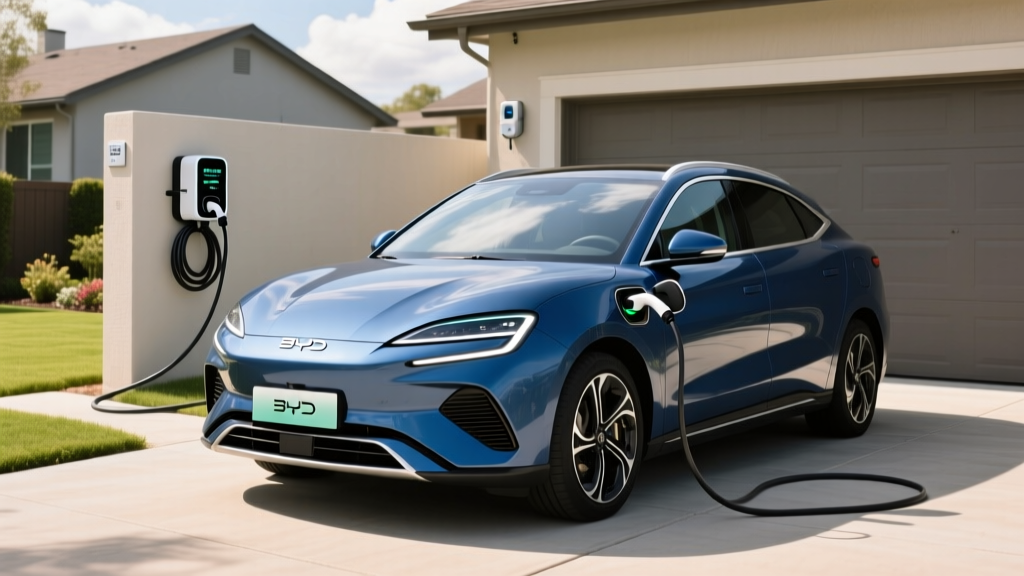
The BYD Atto 1 (sold as the Yuan Up in China) is a subcompact electric crossover built on BYD's e-Platform 3.0. For markets where it is currently available, the Atto 1 ships with BYD's signature Blade Battery — a lithium iron phosphate (LFP) pack prized for its thermal stability and long cycle life. Here are the core specifications that determine how far it goes and how quickly it charges:
| Specification | Value |
|---|---|
| Battery Chemistry | LFP (Lithium Iron Phosphate) — Blade Battery |
| Usable Battery Capacity | ~45.12 kWh |
| WLTP Range | ~310 km / ~193 miles |
| Estimated EPA-Equivalent Range | ~170–185 miles (EPA testing typically yields 10–15% lower than WLTP) |
| Real-World Highway Range | ~140–155 miles (70+ mph sustained) |
| Real-World Cold-Weather Range | ~120–135 miles (below 32°F / 0°C) |
| Efficiency | ~3.8–4.2 mi/kWh (~140–150 MPGe combined) |
| Max DC Fast Charge Rate | ~80 kW peak |
| DC Fast Charge 10–80% | ~30 minutes |
| AC Level 2 Onboard Charger | 7 kW (single-phase) |
| Level 2 Charge Time 0–100% | ~7 hours |
| Motor Output | ~94 hp / 70 kW |
| 0–60 mph (est.) | ~11.5 seconds |
Charging Levels Explained: Speeds, Range Added, and When to Use Each
Understanding charging levels is the foundation of EV ownership. The single most important distinction: kW (kilowatts) measures power — the rate at which energy flows into the battery — while kWh (kilowatt-hours) measures energy — the total capacity stored. Think of kW as the width of the pipe and kWh as the size of the tank.
| Level | Voltage | Power (kW) | Miles Added per Hour | Best For |
|---|---|---|---|---|
| Level 1 | 120V AC | 1.0–1.4 kW | 3–5 mi/hr | Overnight trickle; emergency backup |
| Level 2 | 240V AC | 3.3–19.2 kW | 12–75 mi/hr | Daily home charging; workplace |
| DC Fast Charge | 400–800V DC | 50–350 kW | 150–1,000+ mi/hr | Road trips; rapid top-ups |
For the BYD Atto 1's ~45 kWh battery, here is what each level means in practice:
- Level 1 (120V, ~1.2 kW): Adds roughly 4 miles of range per hour. A full charge from 10% to 100% takes approximately 38 hours. Useful only for overnight top-offs if you drive under 30 miles daily.
- Level 2 (240V, 7 kW — Atto 1's onboard limit): Adds roughly 25 miles per hour. A 10–80% charge takes about 4.5 hours. This is the practical daily charging method for most owners.
- DC Fast Charge (80 kW peak): Adds roughly 150+ miles per hour at peak rate. A 10–80% charge takes approximately 30 minutes. Note that charge rate tapers significantly above 80% State of Charge to protect the LFP battery — the final 20% can take as long as the first 70%.
Home Charger Installation: Electrical Requirements and Costs
Installing a dedicated Level 2 home charger is the single most impactful upgrade for EV ownership convenience. Here is what it actually requires and what it costs in 2026.
Electrical Requirements for Level 2 Charging
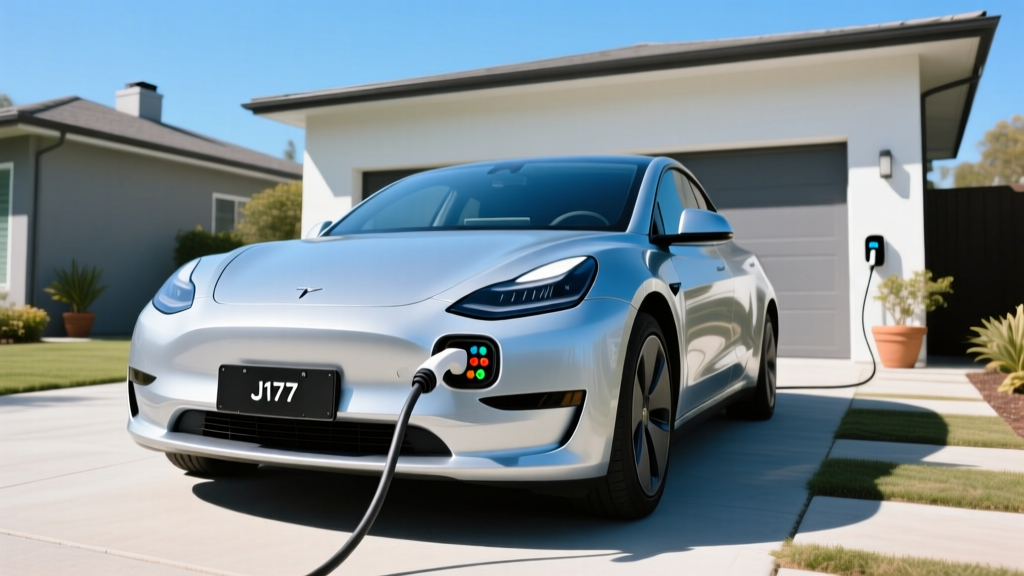
A Level 2 charger for the BYD Atto 1 requires a 240-volt dedicated circuit. Since the Atto 1's onboard charger caps at 7 kW (approximately 32 amps), a 40-amp circuit with a hardwired or NEMA 14-50 outlet installation is the standard recommendation. This allows for continuous draw at 80% of circuit capacity (the National Electrical Code requirement for continuous loads).
- Circuit amperage: 40A (supports up to 32A continuous / 7.7 kW)
- Wire gauge: 6 AWG copper (or 4 AWG aluminum) for runs up to 50 feet
- Outlet type: NEMA 14-50 (if using a plug-in charger) or hardwired (often preferred by electricians for reliability and to avoid GFCI breaker nuisance trips)
- Dedicated circuit: Required — the charger cannot share a breaker with other appliances
Installation Cost Breakdown
| Cost Component | Low Estimate | High Estimate | Notes |
|---|---|---|---|
| Level 2 Charger Unit | $350 | $700 | Smart Wi-Fi chargers, 32–48A rated |
| Electrician Labor | $400 | $1,200 | Depends on run length, wall type, conduit |
| Electrical Materials | $100 | $400 | Wire, conduit, breaker, outlet/wall box |
| Permit & Inspection | $50 | $300 | Varies by municipality |
| Panel Upgrade (if needed) | $1,500 | $3,500 | Required if panel is 100A or maxed out |
| Total (no panel upgrade) | $900 | $2,600 | Typical for newer homes with 200A panel |
| Total (with panel upgrade) | $2,400 | $6,100 | Older homes with 100A or 150A service |
Connector Compatibility: Which Plug Does the BYD Atto 1 Use?
Connector standards vary by market, and BYD's global lineup uses different plugs depending on the region. Here is what you need to know:
| Connector | Region | BYD Atto 1 Compatibility | Adapter Needed? |
|---|---|---|---|
| CCS2 (AC+DC) | Europe, Australia, much of Asia | Native (standard on most export markets) | No |
| GB/T | China (domestic market) | Native (China-spec Yuan Up) | No (in China) |
| NACS (Tesla) | North America | Not native — requires CCS2-to-NACS or GB/T-to-NACS adapter | Yes |
| CCS1 | North America (legacy non-Tesla) | Not native — adapter required | Yes |
| CHAdeMO | Legacy (Nissan, Mitsubishi) | Not compatible — no practical adapter | N/A |
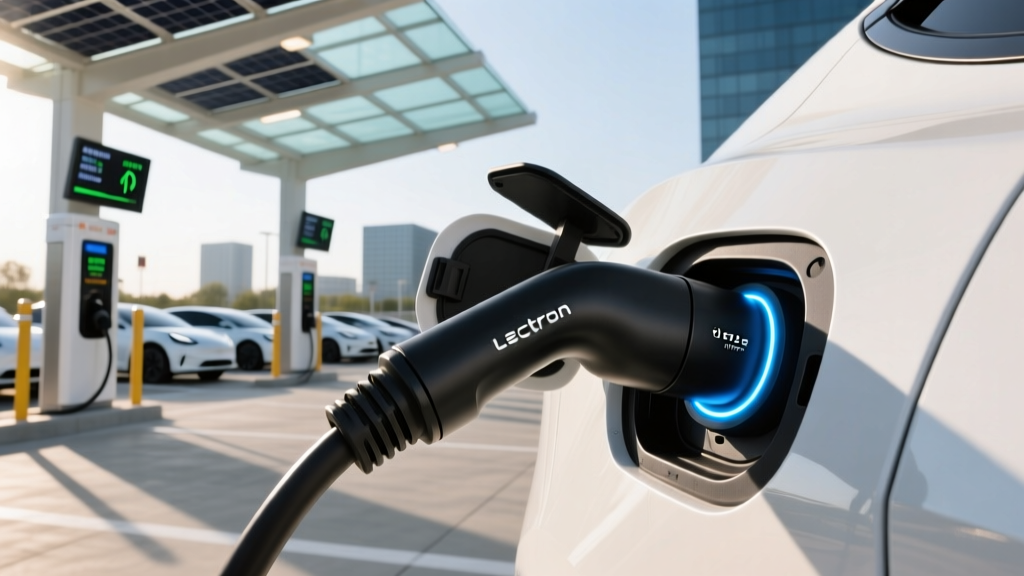
Key takeaway for US buyers: If BYD introduces the Atto 1 to the North American market, it will likely ship with either CCS1 or NACS, as the industry has broadly adopted Tesla's NACS standard for 2025+ models. For current international owners, a CCS2-to-NACS adapter (such as those from Lectron or A2Z) enables access to Tesla Supercharger networks where open access is permitted. Always verify adapter certification and max power rating — cheap adapters can overheat or limit charge speeds.
Charging Cost per Mile: EV vs Gasoline Comparison
One of the strongest arguments for EV ownership is lower fuel cost per mile. Let's compare the BYD Atto 1 against a gasoline equivalent (a similarly sized subcompact crossover averaging 30 MPG combined) across three common charging scenarios:
| Scenario | Rate | Atto 1 Cost/Mile | Gas Car Cost/Mile (30 MPG) | Annual Savings (12,000 mi/yr) |
|---|---|---|---|---|
| Home Charging (off-peak) | $0.12/kWh | $0.030 | $0.117 | $1,044 |
| Home Charging (standard rate) | $0.17/kWh | $0.043 | $0.117 | $888 |
| Public Level 2 | $0.30/kWh | $0.075 | $0.117 | $504 |
| DC Fast Charging | $0.45/kWh | $0.113 | $0.117 | $48 |
How this is calculated: The Atto 1 achieves roughly 4.0 miles per kWh under mixed driving. Divide the electricity rate by 4.0 to get cost per mile. For gasoline: $3.50/gallon ÷ 30 MPG = $0.117/mile. Electricity rates from the U.S. Energy Information Administration average $0.17/kWh nationally in 2026, with off-peak rates often 30–40% lower.
The takeaway: if you charge primarily at home on off-peak rates, the Atto 1 costs roughly one-quarter as much per mile as a gasoline equivalent. Even exclusive DC fast charging nearly matches gas costs — and most owners charge at home 80%+ of the time.
Recommended Level 2 Chargers for the BYD Atto 1
Since the Atto 1's onboard charger maxes at 7 kW (~32A), you do not strictly need a 48A charger. However, installing a higher-capacity unit future-proofs your setup for a second EV or a future vehicle with a larger onboard charger. Here are three proven options:
Emporia Vue Level 2 Smart Charger
- Power Output: 48A / 11.5 kW (240V)
- Connector: J1772 (NACS variant available)
- Cable Length: 24 feet
- Smart Features: Wi-Fi, app scheduling, energy monitoring, solar integration
- Price: ~$399
- Best For: Budget-conscious buyers who want smart scheduling for off-peak rates
ChargePoint Home Flex
- Power Output: Up to 50A / 12 kW (adjustable via DIP switch)
- Connector: J1772 (NACS adapter included in 2025+ models)
- Cable Length: 23 feet
- Smart Features: Wi-Fi, app, Alexa integration, flexible amperage
- Price: ~$549
- Best For: Flexibility — adjust amperage to match your circuit without buying a new unit
Tesla Wall Connector (Universal)
- Power Output: 48A / 11.5 kW (240V)
- Connector: NACS native + J1772 adapter included
- Cable Length: 24 feet
- Smart Features: Wi-Fi, OTA updates, power sharing (for multi-charger setups)
- Price: ~$450
- Best For: Households with both Tesla and non-Tesla EVs
For the Atto 1 specifically, any of these chargers will deliver the car's maximum 7 kW AC rate. The extra capacity simply means your electrical infrastructure is ready for whatever EV you buy next.
Safety and Code Considerations
EV charging involves sustained high-current draw — more like running an electric furnace than plugging in a lamp. Proper installation protects your home and ensures reliable charging:
- Dedicated circuit: NEC requires EV chargers to have their own breaker. Sharing a circuit with a dryer or water heater is a code violation and a fire risk.
- GFCI protection: Outdoor installations require GFCI (Ground Fault Circuit Interrupter) protection per NEC 2023 and later. Many electricians now recommend hardwiring the charger instead of using a NEMA 14-50 outlet to avoid nuisance GFCI trips common with some breaker brands.
- Outdoor rating: If your charger is installed outdoors or in an unconditioned garage, ensure the unit carries a NEMA 4 or IP65 rating for water and dust resistance.
- Permit and inspection: Most jurisdictions require an electrical permit for EV charger installation. Skipping this can void homeowner's insurance coverage for electrical fires and cause issues at resale. Typical permit fees range from $50–$300.
- Load management: If your panel is near capacity but you want to avoid a full upgrade, consider a smart load-management system (such as the Emporia Smart Load Center or Span panel) that dynamically limits charger draw when other appliances are running.
BYD Atto 1 Charging FAQ
How much does it cost to install a home EV charger for the BYD Atto 1?
A typical Level 2 installation with a 40A circuit and no panel upgrade costs between $900 and $2,600 in 2026, including the charger unit, electrician labor, materials, and permit. If your home needs a panel upgrade from 100A to 200A service, add $1,500–$3,500 to that total. Always get a load calculation from a licensed electrician before committing.
How fast will each charging level add range to the Atto 1?
Level 1 (120V) adds about 3–5 miles per hour. Level 2 (240V at 7 kW) adds about 25 miles per hour. DC fast charging at 80 kW peak adds roughly 150+ miles per hour, though the charge curve tapers significantly above 80% State of Charge. A 10–80% DC fast charge takes approximately 30 minutes.
Which connector is compatible with the BYD Atto 1?
In most export markets (Europe, Australia, Southeast Asia), the Atto 1 uses the CCS2 connector natively. In China, it uses GB/T. For North American infrastructure (CCS1 or NACS), an adapter is required. Always check your specific market variant and verify adapter power ratings before purchasing.
How much does charging the Atto 1 cost per mile versus gas?
At a national average home electricity rate of $0.17/kWh, the Atto 1 costs roughly $0.043 per mile — compared to $0.117 per mile for a 30 MPG gasoline crossover at $3.50/gallon. With off-peak home charging at $0.12/kWh, cost drops to about $0.030 per mile. Over 12,000 miles annually, home charging saves $888–$1,044 versus gasoline.
What electrical upgrades might I need for a Level 2 charger?
Homes with 200A panels and available breaker slots typically need no upgrades — just a dedicated 40A circuit. Homes with 100A or 150A panels, or panels already near their load capacity, may require a panel upgrade to 200A service. This costs $1,500–$3,500 and is determined by a NEC Article 220 load calculation performed by your electrician. Older homes (pre-1990) are the most likely candidates for this upgrade.
Can I charge the Atto 1 at Tesla Superchargers?
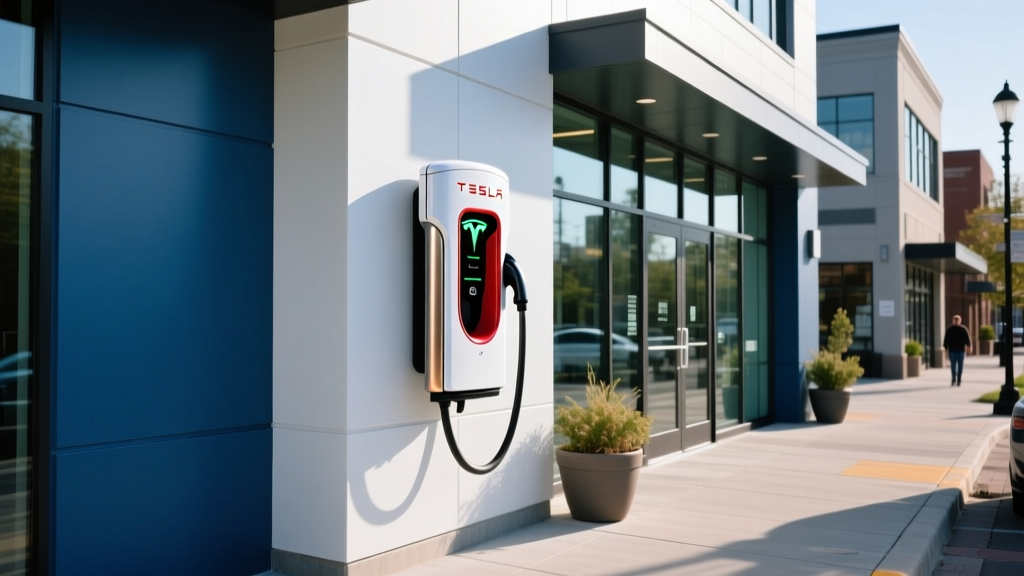
Not directly. The Atto 1 uses CCS2 (or GB/T in China), while Tesla Superchargers use NACS. However, Tesla has opened portions of its Supercharger network to non-Tesla EVs in select markets via the Tesla app and built-in CCS2 adapters at the stall. In markets where this is available, the Atto 1 can use those specific stalls without a personal adapter. Check Tesla's Supercharger open access page for your region.
Does the LFP Blade Battery require special charging habits?
LFP batteries like BYD's Blade differ from NMC in one important way: they benefit from periodic 100% charges to calibrate the Battery Management System (BMS). While NMC owners are often advised to cap daily charging at 80%, BYD recommends charging LFP packs to 100% at least once per week for accurate State of Charge readings. LFP also tolerates high SoC storage better than NMC, reducing long-term degradation concerns. According to BYD's published data, the Blade Battery is rated for 5,000+ charge cycles before reaching 80% capacity retention — equivalent to over 800,000 miles of driving at the Atto 1's range.