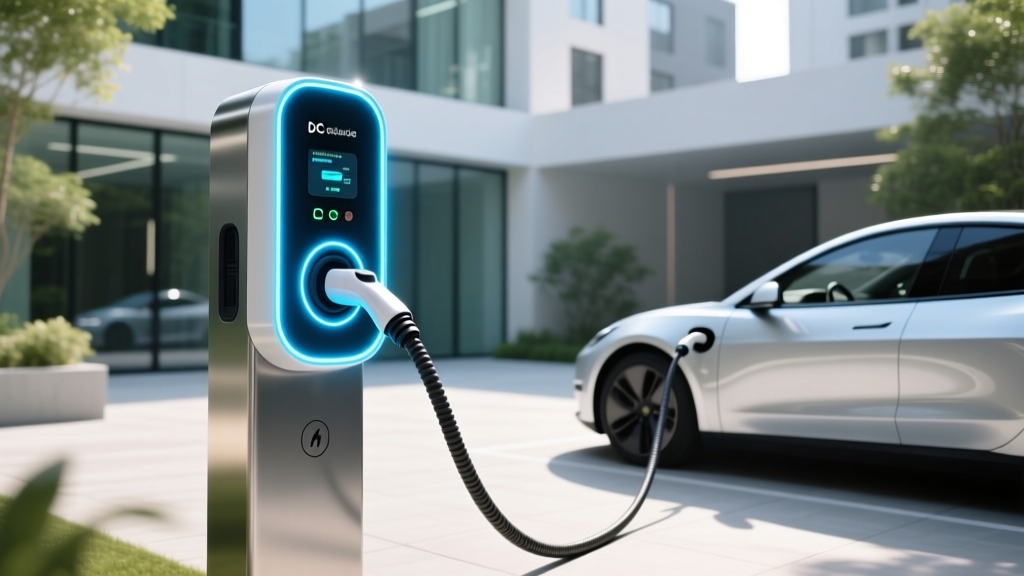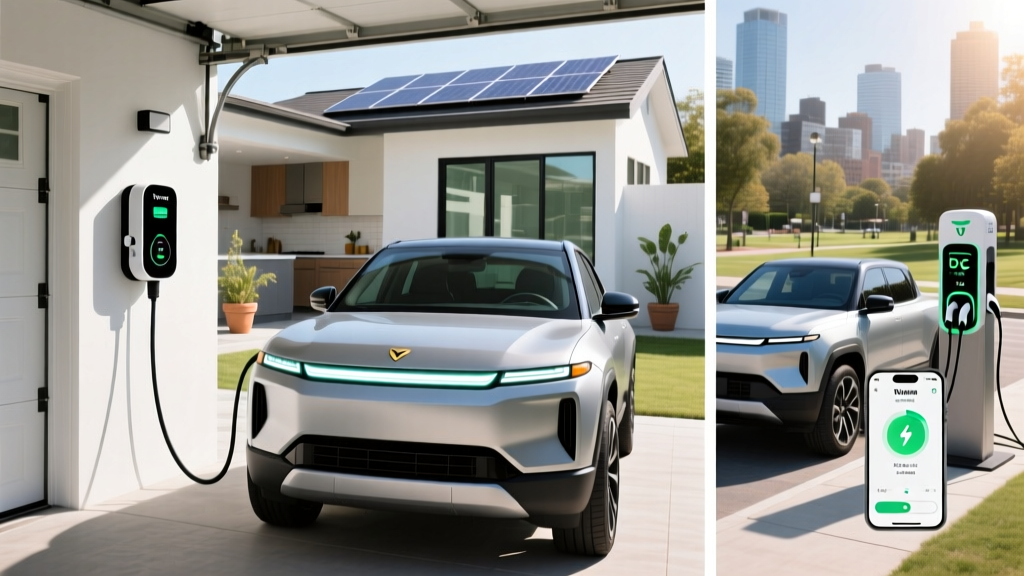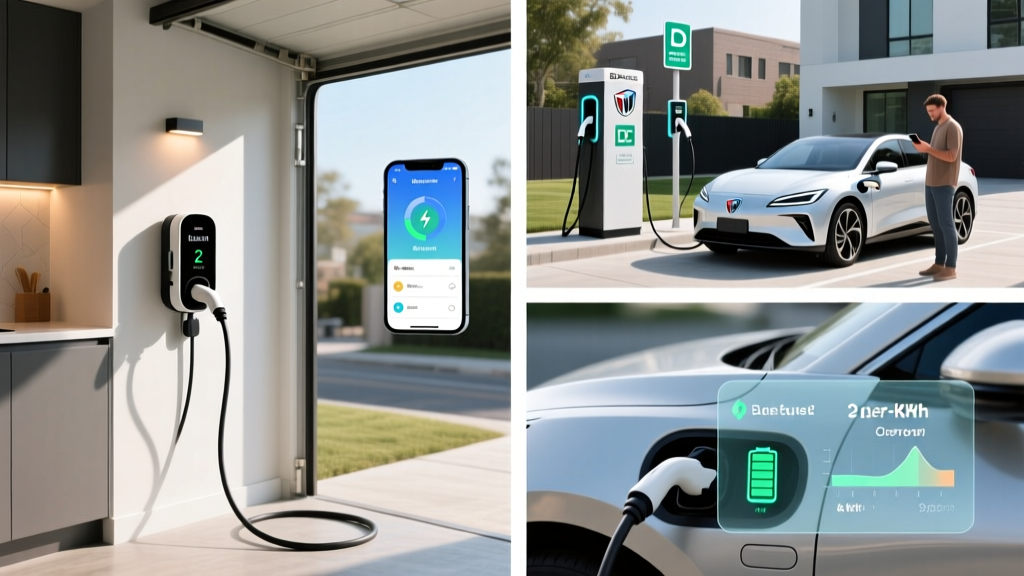
If you've searched for "Buick supercharged" recently, you've likely stumbled into a collision of two very different automotive worlds. Buick's legacy of supercharged gasoline engines — from the beloved 3800 Series II/III V6 in the Regal GS and LaCrosse to the earlier 3.8L blowers — represents an era of internal-combustion performance. But Buick's 2026 lineup is fully electric under the Ultium platform, with models like the Electra E5 and the upcoming Electra E4. The real question for modern buyers is this: how do you charge a new Buick EV, and what does the transition from a supercharged gas engine to an electric powertrain actually look like at the plug?
This guide covers everything you need to charge a current-generation Buick EV at home and on the road, with exact numbers for power, cost, and installation — no marketing fluff, just the data you need to plan your setup.
From Supercharged V6 to Ultium: What Changed Under the Hood
The last Buick to wear a "Supercharged" badge in spirit was the Regal GS with its 2.0L turbo (and earlier models with the 3.8L supercharged V6 producing 240 hp). Those engines delivered thrilling mid-range torque but required premium fuel, regular oil changes, and supercharger belt maintenance. Today's Buick Electra E5, built on GM's Ultium platform, replaces all of that with a 79 kWh usable lithium-ion battery (NMC chemistry) and a single or dual-motor setup producing up to 343 hp in AWD trim.
The performance translation is notable: the Electra E5 AWD hits 0-60 mph in approximately 5.5 seconds — comparable to the old supercharged Regal GS — but with zero tailpipe emissions, no supercharger whine, and a dramatically lower cost per mile. The trade-off? You need a charging strategy instead of a gas station habit. Let's break down exactly what that means.
Charging Levels Explained: kW, Miles Per Hour, and Real-World Speeds
Before we get to equipment and costs, you need to understand the three charging levels and how they differ in power delivery. Power is measured in kilowatts (kW) — the rate of energy flow. Energy stored in the battery is measured in kilowatt-hours (kWh). Think of kW as the width of the hose and kWh as the size of the bucket.
| Level | Voltage | Max Power (kW) | Miles of Range Added Per Hour | 10–80% Charge Time |
|---|---|---|---|---|
| Level 1 (Standard Outlet) | 120V / 12A | 1.4 kW | ~3–4 mi/hr | ~45+ hours (impractical) |
| Level 2 (Home / Public AC) | 240V / 32–48A | 7.7–11.5 kW | ~25–37 mi/hr | ~7–9 hours (full charge) |
| DC Fast Charging | 400V+ DC | Up to 150 kW (peak) | ~180–250 mi/hr (peak rate) | ~28–32 min (10–80%) |
Home Level 2 Charger Installation: Requirements, Costs, and Panel Gotchas
Most Buick EV owners will do 85–95% of their charging at home on a Level 2 charger. This is the single most important investment in your EV ownership experience. Here's what a proper installation requires:
Electrical Requirements
- Circuit: Dedicated 240V circuit, typically 40A or 50A (breaker rated at 125% of continuous load, so a 40A charger needs a 50A breaker)
- Wire gauge: 6 AWG copper for 50A circuits; 8 AWG for 40A
- Outlet vs. hardwired: NEMA 14-50 outlet offers portability; hardwired is cleaner and avoids GFCI nuisance trips common with some 14-50 receptacles
- Panel capacity: Your main service panel must have room for the additional load. A typical home with 100A service may need a load calculation or a panel upgrade to 200A
Installation Cost Breakdown
| Item | Low Estimate | High Estimate | Notes |
|---|---|---|---|
| Level 2 Charger (Equipment) | $350 | $700 | 32A–48A smart charger, NACS or J1772/NACS combo |
| Electrician Labor | $500 | $1,500 | Depends on run length from panel to garage/driveway |
| Permit & Inspection | $50 | $250 | Varies by municipality; some jurisdictions waive for EV installs |
| Panel Upgrade (if needed) | $1,500 | $3,500 | 100A→200A service upgrade; not always required |
| Total (no panel upgrade) | $900 | $2,450 | Most common scenario for modern homes |
| Total (with panel upgrade) | $2,400 | $5,950 | Common in homes built before 1990 |
Panel upgrade reality check: If your home has a 100A main panel that's already near capacity (electric range, dryer, HVAC), adding a 40A continuous EV load will likely trigger a panel upgrade. Get a licensed electrician to perform a NEC Article 220 load calculation before committing to equipment. The federal Residential Clean Energy Credit (IRC §25D) does not cover EV chargers for most taxpayers post-2022, though the Alternative Fuel Vehicle Refueling Property Credit (§30C) may apply in eligible census tracts — check irs.gov for current-year eligibility.
Connector Compatibility: NACS, CCS, and What Buick Uses in 2026
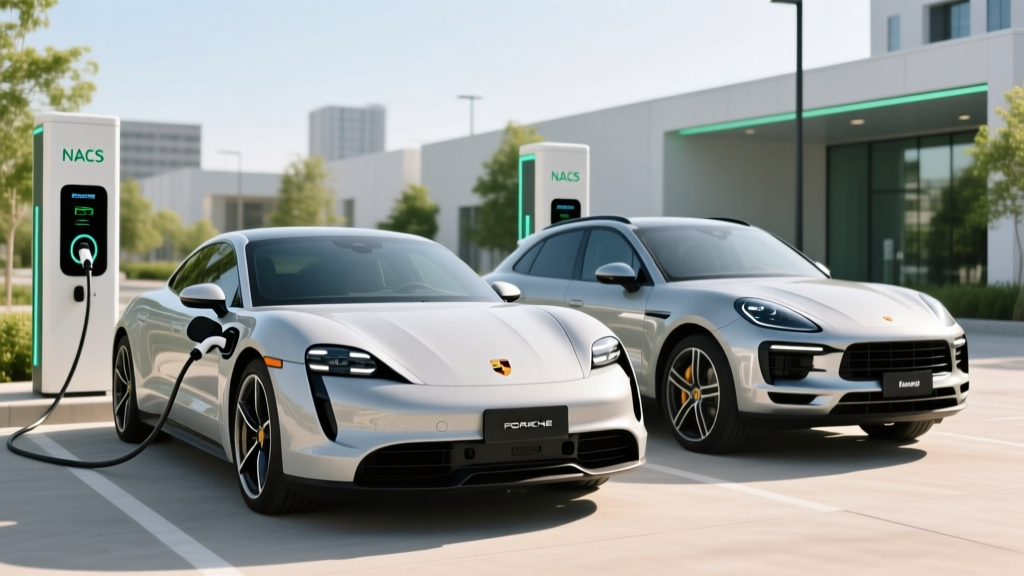
GM was one of the first legacy automakers to commit to the North American Charging Standard (NACS), originally developed by Tesla. For 2026, all new Buick EVs ship with a NACS charge port natively — no adapter needed for Tesla Superchargers or the growing network of NACS-equipped public stations.
| Connector Type | Compatibility | Notes |
|---|---|---|
| NACS (Tesla-style) | Native — no adapter | Standard on all 2025+ Buick Ultium vehicles; AC and DC |
| CCS1 (Combo) | Adapter required | NACS-to-CCS adapters available (~$150–$200); needed for older Electrify America stations |
| CHAdeMO | Not supported | Effectively deprecated in North America; avoid CHAdeMO-only stations |
| J1772 (Level 2 AC) | Adapter included or built-in | Most public Level 2 stations use J1772; NACS ports accept J1772 via adapter |
Practical tip: When buying a home Level 2 charger, choose one with a NACS connector natively if your Buick is a 2025 or newer model. This eliminates the need for a J1772-to-NACS adapter for every home charging session. Chargers like the Tesla Wall Connector (which is NACS-native and works with all NACS-equipped vehicles) or the Emporia Level 2 with NACS plug are strong choices.
Charging Cost Per Mile: Buick EV vs. Supercharged Gas Engine
This is where the economics shift dramatically. Let's compare the cost to "fuel" a 2026 Buick Electra E5 against the spirit of its predecessor — say, a 2011 Buick Regal GS with the 2.0L turbo (the spiritual successor to the supercharged V6), which averaged about 22 MPG combined.
| Scenario | Cost Per Unit | Efficiency | Cost Per Mile |
|---|---|---|---|
| Home Charging (off-peak, avg US) | $0.13/kWh | 3.0 mi/kWh (100 MPGe) | $0.043 |
| Home Charging (TOU peak rate) | $0.28/kWh | 3.0 mi/kWh | $0.093 |
| Public Level 2 (e.g., ChargePoint) | $0.25–$0.39/kWh | 3.0 mi/kWh | $0.083–$0.130 |
| DC Fast Charging (Electrify America, EA Pass) | $0.36–$0.52/kWh | 3.0 mi/kWh | $0.120–$0.173 |
| Gas (2011 Regal GS, 22 MPG, $3.40/gal) | $3.40/gallon | 22 MPG | $0.155 |
| Gas (2026 avg compact SUV, 28 MPG, $3.40/gal) | $3.40/gallon | 28 MPG | $0.121 |
The takeaway: Home off-peak charging makes the Buick Electra E5 roughly 3.5x cheaper per mile than the supercharged Buicks of the past. Even public DC fast charging is cost-competitive with gasoline. The savings widen further when you factor in the elimination of oil changes, spark plugs, timing chains, and supercharger belt replacements. According to fueleconomy.gov, EVs typically save owners $4,700–$9,200 in fuel costs over the first 7 years of ownership compared to a comparable gasoline vehicle.
Recommended Level 2 Chargers for Buick EV Owners
Here are three chargers that pair well with the Buick Electra E5's 11.5 kW onboard charger capability (48A max AC acceptance). All recommendations include exact specs — no vague "fast home charging" claims.
1. Tesla Wall Connector (NACS) — Best Overall for NACS-Equipped Buicks
- Power output: Up to 11.5 kW (48A on 60A circuit)
- Connector: NACS native — plug directly into your Buick
- Cable length: 24 feet
- Smart features: Wi-Fi, OTA updates, power sharing between two units, access control
- Price: ~$420 (charger only; installation extra)
- Best for: Garage installations where you want maximum speed and a clean NACS connection
2. Emporia Vue Level 2 Charger (NACS) — Best Value Smart Charger
- Power output: Up to 11.5 kW (48A) configurable down to 32A
- Connector: Available in NACS or J1772
- Cable length: 24 feet
- Smart features: Energy monitoring, solar integration, scheduled charging, utility TOU optimization, load management
- Price: ~$370
- Best for: Budget-conscious buyers who want smart scheduling and energy tracking
3. ChargePoint Home Flex (NACS or J1772) — Most Flexible Amperage
- Power output: Adjustable from 16A to 50A (3.8–12 kW)
- Connector: NACS or J1772 options available
- Cable length: 23 feet
- Smart features: App scheduling, Alexa integration, flexible amperage to match your circuit
- Price: ~$550–$650
- Best for: Homes with limited panel capacity where you need to dial down amperage
Key selection rule: Match the charger's amperage to your available circuit. A 48A charger requires a 60A breaker and 6 AWG wire. If your panel can only spare a 40A breaker, choose a 32A charger. Never exceed 80% of the breaker's rated capacity for continuous loads — this is a National Electrical Code (NEC) requirement, not a suggestion.
DC Fast Charging on the Road: Buick Ultium Charge Curve Reality
The Buick Electra E5 supports DC fast charging at a peak rate of approximately 150 kW on a 400V architecture. However, peak rate is not sustained rate — this is one of the most misunderstood aspects of EV charging.
Here's what actually happens during a DC fast charge session:
- 10–30% SoC: The battery accepts close to peak power (~130–150 kW), adding range rapidly
- 30–60% SoC: Power tapers to approximately 90–120 kW as the battery management system protects cell health
- 60–80% SoC: Further taper to 50–80 kW
- Above 80% SoC: Charging slows dramatically to 20–30 kW — this is why you rarely see EV drivers charging past 80% on road trips
For a 10–80% session on a 150 kW-capable charger, expect approximately 28–32 minutes. Plan road-trip stops around this window: arrive at 10–15% SoC, charge to 80%, and move on. Charging from 80–100% on DC can take nearly as long as the 10–80% session.
The Buick EV routing system (via the infotainment navigation) will precondition the battery when you navigate to a charger — warming or cooling the pack to optimal temperature for maximum charge acceptance. Always use the built-in nav routing for DC stops; arriving at a fast charger without preconditioning can add 5–10 minutes to your session, especially in cold weather.
Safety, Code, and Installation Best Practices
EV charging involves sustained high-current draw — far more demanding than a dryer or oven cycle. Cutting corners here is a fire risk. Follow these non-negotiables:
- Dedicated circuit: Your Level 2 charger must have its own dedicated breaker — never share a circuit with other appliances
- GFCI considerations: NEC 2020+ requires GFCI protection for outdoor receptacles. However, GFCI breakers can nuisance-trip with some EV chargers. Hardwiring your charger (no receptacle) eliminates this issue entirely
- Outdoor rating: If your charger is installed outdoors (driveway, exterior wall), ensure it carries a NEMA 4 or IP65 rating for weather resistance
- Permit and inspection: Always pull an electrical permit. The inspection verifies wire gauge, breaker sizing, grounding, and bonding — it protects you and is typically required for insurance coverage of electrical fires
- Cable management: Use a wall-mounted cable organizer or retractor to prevent tripping hazards and protect the cable from driveway wear
- Utility notification: Some utilities offer EV-specific time-of-use (TOU) rate plans that dramatically reduce charging costs. Call your utility before installation to ask about EV rate programs and whether they offer rebates for smart charger installations
Frequently Asked Questions
How much does it cost to install a home EV charger for a Buick?
Expect $900–$2,450 for a standard installation (equipment + electrician + permit) if your electrical panel has adequate capacity. If your home needs a panel upgrade from 100A to 200A service, total costs can reach $2,400–$5,950. Always get a load calculation from a licensed electrician first.
How fast will each charging level add range to my Buick EV?
Level 1 (120V) adds about 3–4 miles per hour — only practical as emergency trickle charging. Level 2 (240V, 48A) adds roughly 30–37 miles per hour, fully recharging a 79 kWh battery overnight in 7–9 hours. DC fast charging adds up to 180–250 miles per hour at peak rate, with a 10–80% session taking approximately 28–32 minutes.
Which connector is compatible with my 2025–2026 Buick EV?
All 2025 and newer Buick EVs on the Ultium platform use a native NACS (North American Charging Standard) port. This means you can plug directly into Tesla Superchargers and any NACS-equipped public station without an adapter. For older CCS1 stations, you'll need a NACS-to-CCS adapter (~$150–$200).
How much does charging cost per mile compared to gas?
Home charging at the US average off-peak rate of $0.13/kWh costs approximately $0.043 per mile in a Buick Electra E5 — roughly 3.5x cheaper than the $0.155/mile cost of a 22 MPG supercharged-era Buick at $3.40/gallon gas. Even public DC fast charging at $0.48/kWh ($0.16/mile) is cost-competitive with gasoline.
What electrical upgrades might I need for a home charger?
The most common upgrade is a panel capacity increase from 100A to 200A service, which costs $1,500–$3,500. You may also need a new dedicated 240V circuit run from the panel to your garage or driveway (6 AWG copper wire for 50A circuits). Homes built after 2000 with 200A service rarely need a panel upgrade. A licensed electrician can perform a NEC Article 220 load calculation to determine your specific needs.
Can I use a Tesla Supercharger with my Buick EV?
Yes. Since Buick's Ultium-platform EVs use native NACS ports, you can charge at any Tesla Supercharger that has been opened to non-Tesla vehicles (the majority of the network as of 2025–2026). Use the Tesla app or your Buick's built-in navigation to locate compatible stalls. No adapter is required.
The transition from Buick's supercharged past to its electric present isn't just a powertrain swap — it's a fundamental shift in how you "refuel." With a properly installed Level 2 home charger, the Buick Electra E5 starts every morning with a full battery at roughly 4 cents per mile. That's a kind of performance no supercharger belt could ever deliver.