Understanding Blink Charging: Network Overview and Hardware
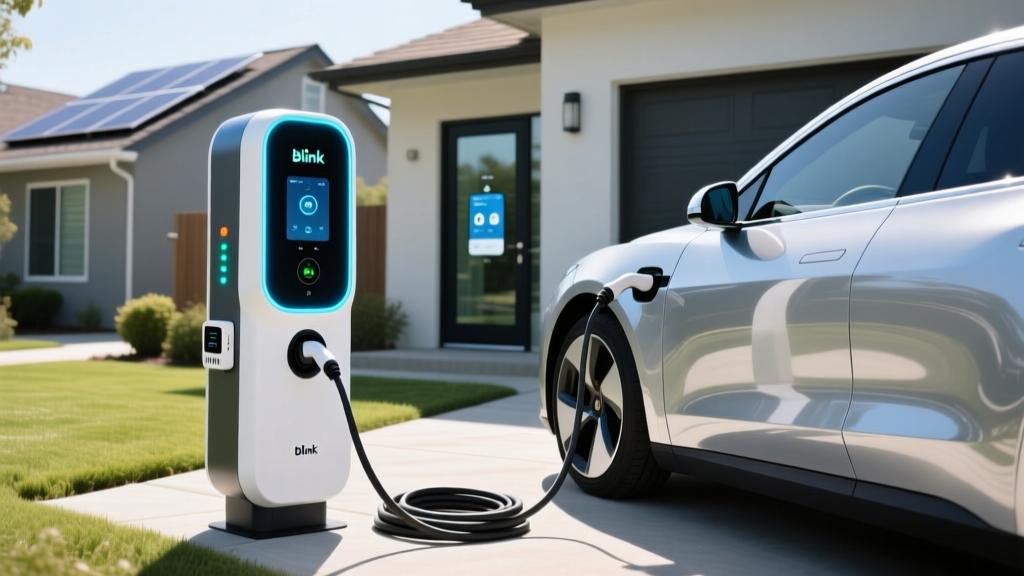
If you've driven past a grocery store, parking garage, or workplace in the last few years, you've likely seen the distinct blue-and-white Blink charging station. But what exactly is a Blink charging station, and how does the Blink network fit into the broader EV charging ecosystem in 2026?
Blink Charging (NASDAQ: BLNK) is both a charging network operator and a hardware manufacturer. Unlike Tesla's closed Supercharger network or Electrify America's highway-focused DC fast corridors, Blink primarily targets destination and workplace charging—the Level 2 chargers you use while shopping, working, or dining. They also manufacture residential Level 2 units for home installation and have been expanding their DC fast-charging footprint along travel corridors.
As of early 2026, Blink operates over 60,000 charging ports across North America and Europe, making it one of the larger publicly accessible networks. However, network size alone doesn't tell the full story. Reliability, connector availability, charging speed, and pricing all matter when evaluating whether Blink deserves a spot in your regular charging rotation.
Blink's Hardware Lineup: Level 2 and DC Fast Chargers
Blink manufactures several charger models spanning residential, commercial, and DC fast-charging applications. Here's what you'll encounter:
Blink HQ 200 (Residential Level 2)
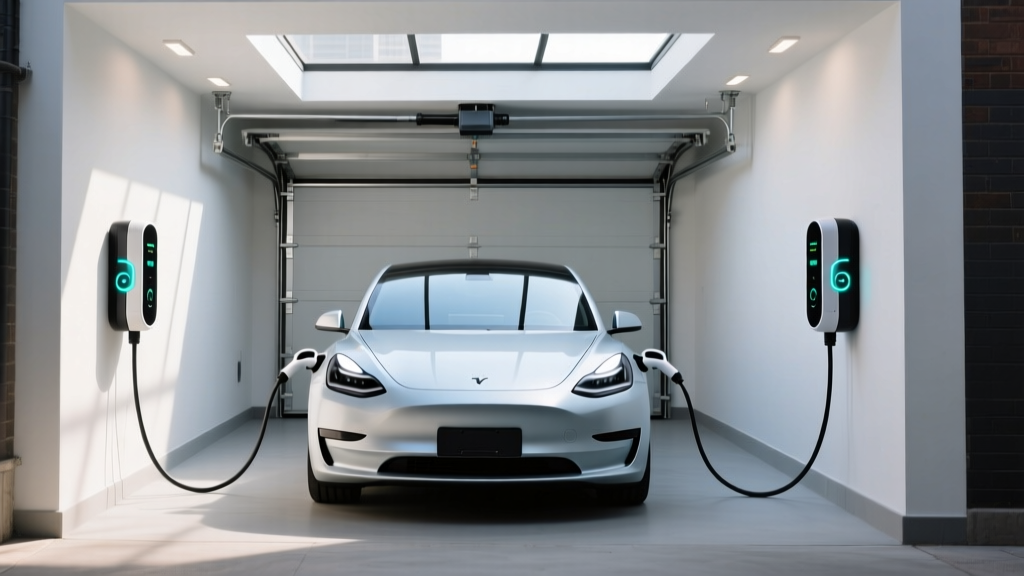
The HQ 200 is Blink's flagship home charger for the 2026 model year. It delivers up to 11.5 kW (48 amps) on a 240V circuit, adding roughly 35–44 miles of range per hour depending on your vehicle's efficiency. It comes in both hardwired and NEMA 14-50 plug-in configurations, includes a 25-foot cable, Wi-Fi connectivity with the Blink app for scheduling and energy monitoring, and carries a NEMA 4 outdoor rating.
Blink Series 8 (Commercial Level 2)
This is the pedestal-style dual-port charger you see in parking lots. Each port delivers up to 19.2 kW (80 amps) when hardwired to 240V/100A circuits, though many installations run at 7.2 kW or 11.5 kW per port depending on the site's electrical capacity. It features an 8-inch LCD screen, RFID authentication, and credit-card payment processing.
Blink Series 9 (DC Fast Charger)
Blink's DC fast-charger lineup ranges from 60 kW to 360 kW peak output. The most common deployment is the 120 kW unit, which can charge a typical 75 kWh battery from 10–80% in approximately 30–35 minutes under ideal conditions. Higher-power 180 kW and 360 kW units are being deployed along major highway corridors. The Series 9 supports both CCS1 and NACS connectors on newer installations, with CHAdeMO available on legacy units.
| Model | Type | Max Power (kW) | Connector | Cable Length | Use Case |
|---|---|---|---|---|---|
| HQ 200 | Level 2 (Home) | 11.5 kW (48A) | NACS / J1772 | 25 ft | Residential garage |
| Series 8 | Level 2 (Commercial) | 19.2 kW (80A) | J1772 / NACS | 18–25 ft | Workplace, retail, fleet |
| Series 9 (120 kW) | DC Fast | 120 kW | CCS1 / NACS | Attached | Highway, fleet depot |
| Series 9 (360 kW) | DC Fast | 360 kW | CCS1 / NACS | Attached | Highway corridor |
Charging Speeds by Level: How Fast Will You Gain Range?
Understanding charging levels is essential whether you're plugging into a Blink HQ 200 at home or a Series 9 DC fast charger on a road trip. Here's how each level translates to real-world range recovery:
| Charging Level | Voltage | Power (kW) | Miles of Range Per Hour | 10–80% Time (75 kWh Battery) | Typical Use |
|---|---|---|---|---|---|
| Level 1 | 120V | 1.2–1.9 kW | 3–5 mi/hr | ~40–50 hours | Emergency / overnight trickle |
| Level 2 (Home) | 240V | 7.2–11.5 kW | 22–44 mi/hr | ~5.5–8 hours | Daily home / workplace |
| Level 2 (Commercial) | 240V | 11.5–19.2 kW | 35–70 mi/hr | ~3.5–5.5 hours | Destination / workplace |
| DC Fast | 400–800V | 50–360 kW | 150–800+ mi/hr | ~15–45 min | Road trips / highway |
Connector Compatibility: Will a Blink Station Fit Your EV?
The North American charging connector landscape has consolidated significantly since 2024, when Ford, GM, Rivian, and most other automakers adopted the North American Charging Standard (NACS)—the Tesla-designed connector now formalized as SAE J3400. Here's where Blink fits:
| Connector | EV Brands (2026 Models) | Blink Availability | Adapter Needed? |
|---|---|---|---|
| NACS (J3400) | Tesla, Ford, GM, Rivian, Hyundai, Kia, BMW, Mercedes, Volvo | Newer Blink stations; HQ 200 available with NACS | No (native on most 2025+ EVs) |
| CCS1 | Legacy models (pre-2025 VW ID.4, older Bolt EUV, etc.) | Blink DC fast stations | NACS-to-CCS adapter for newer EVs |
| CHAdeMO | Nissan Leaf (discontinued 2025), Mitsubishi Outlander PHEV (legacy) | Limited legacy Blink units | No native adapter widely available |
| J1772 | All EVs (Level 2 AC standard) | Blink Series 8, HQ 200 (J1772 variant) | J1772-to-NACS adapter for NACS-equipped EVs |
If you own a 2025 or newer EV with a native NACS port (which now includes nearly every major brand), you can use Blink's NACS-equipped stations directly. For Level 2 Blink stations still fitted with J1772 connectors, you'll need a J1772-to-NACS adapter (approximately $40–$60 from brands like Lectron or Tesla's official adapter). Most Blink DC fast chargers now offer both NACS and CCS1 cables on the same pedestal.
Home Installation: Electrical Requirements and Costs
Installing a Blink HQ 200 at home requires a dedicated 240V circuit. Here's exactly what's involved electrically and what it costs:
Electrical Specifications
- Circuit requirement: 60-amp dedicated breaker (for the 48A/11.5 kW HQ 200; the National Electrical Code requires a breaker rated at 125% of continuous load)
- Wire gauge: 6 AWG copper (THHN in conduit) or 4 AWG aluminum
- Connection type: Hardwired (recommended for 48A) or NEMA 14-50 receptacle (limits to 40A/9.6 kW continuous)
- GFCI protection: Required for outdoor receptacle installations per NEC 2023/2026; hardwired installations typically do not require GFCI at the breaker
- Panel capacity: Your home's main electrical panel must have sufficient spare capacity—typically 200A service is adequate, but older homes with 100A panels may need an upgrade
Installation Cost Breakdown
| Cost Component | Simple Install (panel nearby) | Complex Install (long run / panel upgrade) |
|---|---|---|
| Blink HQ 200 unit | $550–$650 | $550–$650 |
| Electrician labor (2–4 hrs simple / 6–12 hrs complex) | $400–$800 | $1,200–$3,000 |
| Electrical materials (wire, conduit, breaker) | $100–$250 | $300–$800 |
| Permit and inspection | $50–$150 | $50–$200 |
| Electrical panel upgrade (if needed: 100A → 200A) | Not required | $1,500–$3,500 |
| Total Estimated Cost | $1,100–$1,850 | $3,600–$8,150 |
Always hire a licensed electrician familiar with NEC Article 625 (Electric Vehicle Charging System Equipment). Permits are required in most jurisdictions and ensure the work meets safety codes. The Blink HQ 200 qualifies for the federal Residential Clean Energy Credit (IRS §25C), which covers 30% of equipment and installation costs up to $1,000 through 2032—consult a tax professional to confirm eligibility.
Cost to Charge: Blink Pricing vs Home vs Gas
Charging costs vary dramatically depending on where and when you plug in. Here's a realistic breakdown for 2026:
| Charging Scenario | Cost per kWh | Cost for 75 kWh Fill (10–80% ≈ 52.5 kWh usable) | Cost per Mile (3.5 mi/kWh vehicle) |
|---|---|---|---|
| Home (national avg residential rate) | $0.16/kWh | $8.40 | $0.046/mi |
| Home (off-peak utility rate) | $0.08–$0.10/kWh | $4.20–$5.25 | $0.023–$0.029/mi |
| Blink Level 2 (public) | $0.39–$0.59/kWh (varies by site) | $20.48–$30.98 | $0.111–$0.169/mi |
| Blink DC Fast | $0.49–$0.69/kWh | $25.73–$36.23 | $0.140–$0.197/mi |
| Gasoline ($3.50/gal, 28 MPG combined) | — | — | $0.125/mi |
Home charging remains the clear economic winner. At off-peak utility rates, charging a 75 kWh battery costs roughly $4–$5—equivalent to under $0.03 per mile. That's 75–80% cheaper per mile than gasoline at $3.50/gallon in a 28 MPG vehicle. Public Blink Level 2 and DC fast charging, however, can approach or exceed gasoline costs per mile. Use public charging for convenience and road trips, not as your primary fueling strategy if cost savings are a priority.
Blink's public pricing varies by site owner (Blink sets pricing for company-owned stations, but host-owned stations set their own rates). The Blink app shows real-time pricing before you plug in—always check before initiating a session.
Equipment Recommendations: Home Chargers Compared
While the Blink HQ 200 is a capable home charger, it competes in a crowded market. Here's how it stacks up against the top alternatives for 2026:
Blink HQ 200
- Power: 11.5 kW (48A)
- Connector: NACS or J1772
- Cable: 25 ft
- Smart features: Wi-Fi, app scheduling, energy monitoring
- Outdoor rating: NEMA 4
- Price: ~$550–$650
Tesla Wall Connector
- Power: 11.5 kW (48A)
- Connector: NACS (native); J1772 adapter included
- Cable: 24 ft
- Smart features: Wi-Fi, OTA updates, power sharing (multiple units)
- Outdoor rating: NEMA 4
- Price: ~$475
ChargePoint Home Flex
- Power: Up to 12 kW (50A) adjustable
- Connector: NACS or J1772
- Cable: 24 ft
- Smart features: Wi-Fi, app, Alexa integration, amperage adjustment
- Outdoor rating: NEMA 4
- Price: ~$600–$700
Emporia Level 2 EV Charger
- Power: 11.5 kW (48A)
- Connector: NACS or J1772
- Cable: 24 ft
- Smart features: Wi-Fi, solar integration, energy dashboard, load management
- Outdoor rating: NEMA 4
- Price: ~$400–$500
For most buyers, the Tesla Wall Connector offers the best value at $475 with identical 11.5 kW output and seamless NACS integration. The Emporia is the budget pick with excellent solar-integration features. The Blink HQ 200 is a solid mid-tier option if you prefer the Blink ecosystem or if your workplace/fleet already uses Blink's management platform.
Safety, Code, and Best Practices
EV charging involves sustained high-current draw—essentially running your dryer for 8 hours straight. Safety compliance isn't optional:
- Dedicated circuit: Your EV charger must have its own dedicated breaker. Never share a circuit with other high-draw appliances.
- Hardwired vs. plug-in: Hardwired installations (no receptacle) are preferred for 48A+ chargers. They eliminate the NEMA 14-50 receptacle as a potential failure point and avoid the NEC 2023/2026 GFCI breaker requirement for receptacles (which can cause nuisance tripping with some chargers).
- Outdoor installations: Ensure the charger carries at minimum a NEMA 4 rating (splash-resistant). NEMA 4X adds corrosion resistance for coastal environments.
- Cable management: Use a wall-mounted cable organizer to prevent the cord from lying on the garage floor where it can be damaged or become a tripping hazard.
- Utility notification: Some utilities require you to notify them when installing an EV charger, especially if you want access to time-of-use (TOU) rate plans that can cut your charging costs by 40–50%.
Frequently Asked Questions
How much does it cost to install a home EV charger?
A straightforward Blink HQ 200 installation with a nearby 200A panel typically costs $1,100–$1,850 including the charger, electrician labor, materials, and permit. Complex installations requiring long wire runs, conduit, or a panel upgrade from 100A to 200A can reach $3,600–$8,150. The federal §25C credit covers 30% of equipment and installation up to $1,000.
How fast will each charging level add range?
Level 1 (120V) adds 3–5 miles per hour—adequate only for PHEVs or very low daily mileage. Level 2 at 11.5 kW (like the Blink HQ 200) adds 35–44 miles per hour, fully replenishing a 75 kWh battery overnight. DC fast charging at 120 kW adds 150+ miles in 15–20 minutes, though speed tapers significantly above 80% SoC.
Which connector/charger is compatible with my EV?
Nearly all 2025+ EVs use the NACS connector natively. If you own an older EV with CCS1, you can use Blink DC fast chargers directly. For J1772-equipped Blink Level 2 stations, NACS-vehicle owners need a J1772-to-NACS adapter ($40–$60). CHAdeMO is effectively obsolete in North America as of 2026.
How much does charging cost per mile vs gas?
Home charging at the national average rate costs approximately $0.046 per mile, or $0.023–$0.029 per mile on off-peak utility rates. A comparable 28 MPG gas vehicle at $3.50/gallon costs $0.125 per mile. Public Blink DC fast charging at $0.49–$0.69/kWh costs $0.14–$0.20 per mile—comparable to or exceeding gasoline.
What electrical upgrades might I need?
If your home has a 100-amp main panel with existing high-draw appliances (electric range, dryer, central A/C), you'll likely need a panel upgrade to 200A—costing $1,500–$3,500. Homes with 200A service usually have sufficient capacity. Some electricians offer automated load-management devices (like the Emporia Smart Load Management) that dynamically reduce charger amperage when other appliances are running, potentially avoiding a panel upgrade altogether.
Is Blink reliable compared to other public charging networks?
Blink's Level 2 network reliability has historically been mixed, with uptime reports averaging 85–92% across various third-party surveys—below the 95%+ target most EV owners expect. Blink has invested in hardware refreshes and remote diagnostics through 2025–2026, but experiences vary significantly by location. For road trips, prioritize networks with higher uptime records and use the Blink app to verify station status before driving to a location.