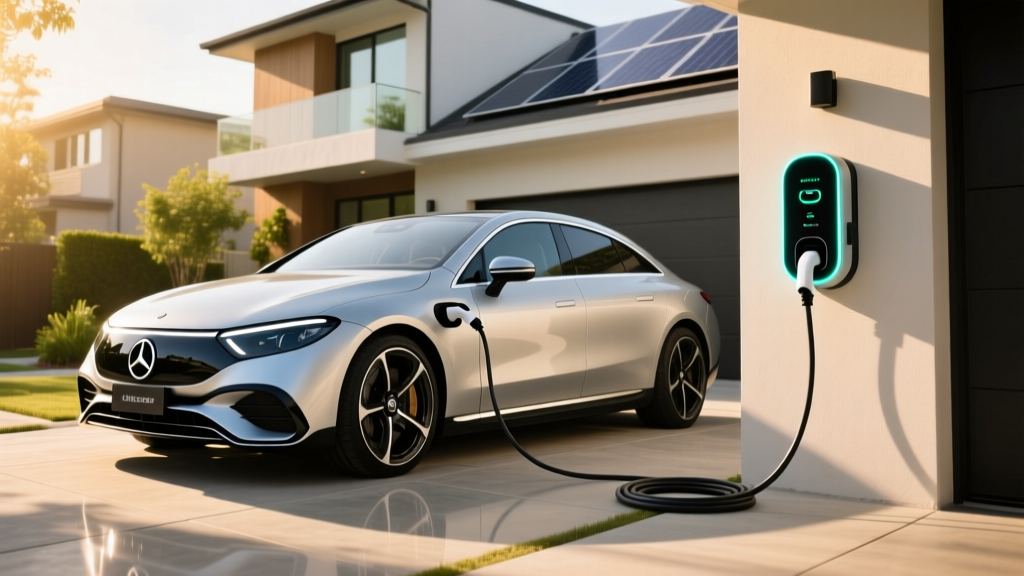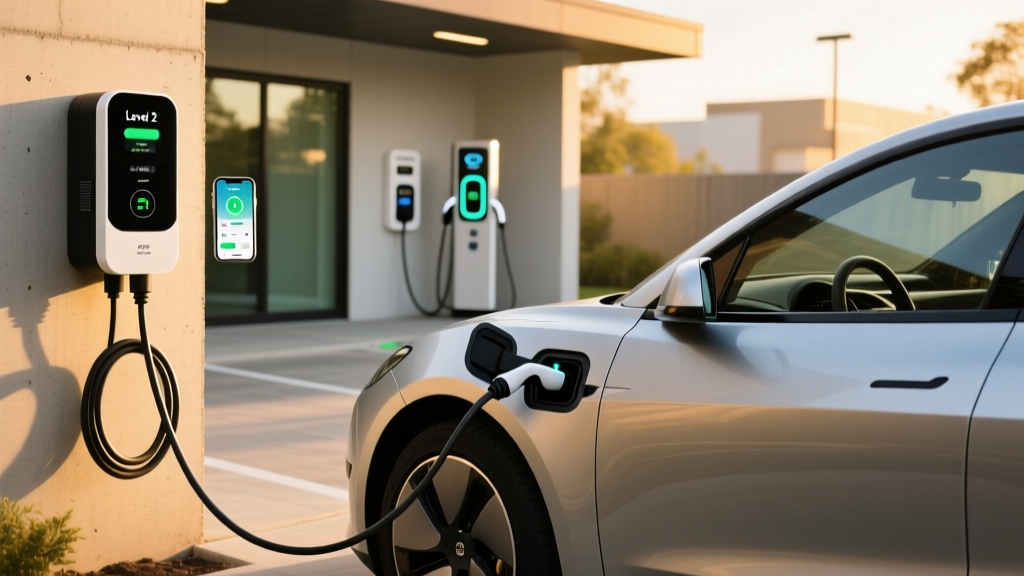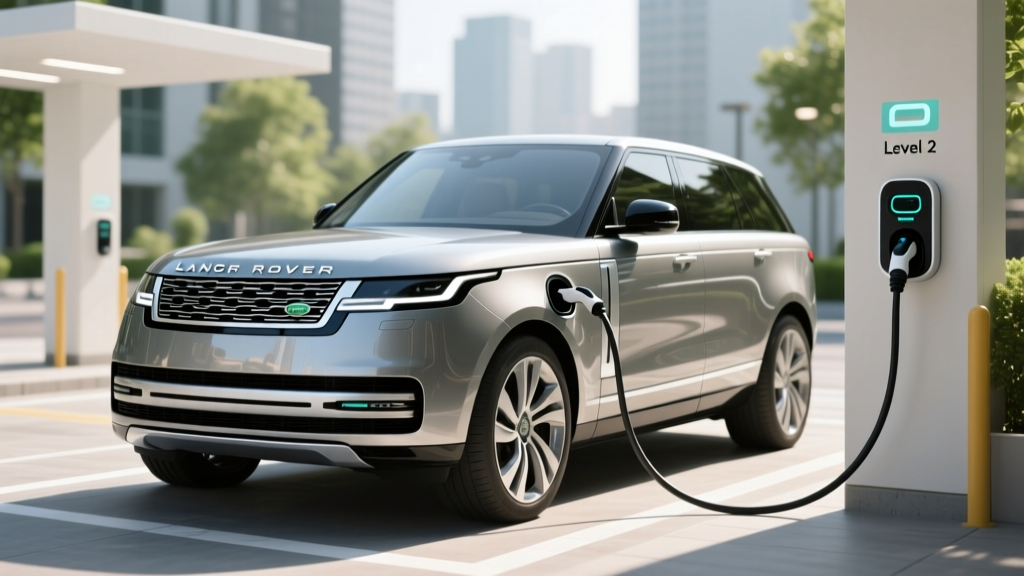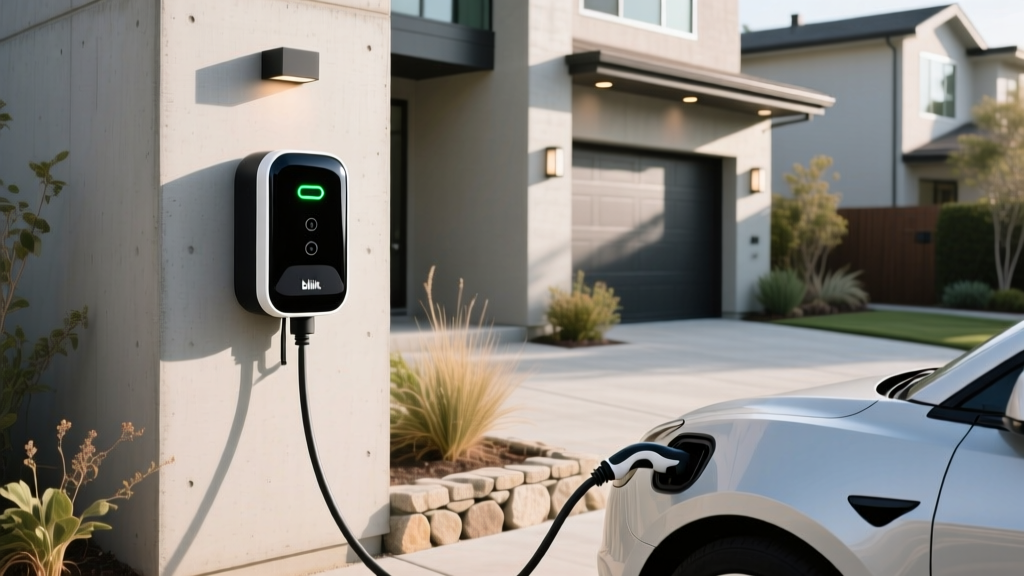
If you've searched for Blink charging station photos to see what these units actually look like before committing to a purchase or public-session charge, you're not alone. Blink (NASDAQ: BLNK) is one of the most visible Level 2 and DC fast-charging networks in the U.S., with hardware deployed in parking garages, workplaces, apartment complexes, and residential driveways. But photos only tell part of the story — what matters is whether a Blink unit delivers the right power output, connector type, and reliability for your specific EV.
This guide breaks down Blink's current hardware lineup with the specs, installation realities, and cost data you need to decide if a Blink charger belongs on your wall — or whether a competitor like ChargePoint, Emporia, or Tesla's Universal Wall Connector makes more sense for your setup.
Blink Charging Hardware: What the Photos Don't Show You
Blink's product line spans three categories: portable Level 2 units, hardwired residential Level 2 chargers, and commercial DC fast chargers. Here's what each looks like and what it delivers under the hood.
- Blink HQ 200: Residential Level 2, up to 19.2 kW (80A) / 12 kW (50A) variants, NACS or J1772 connector
- Blink HQ 100: Commercial pedestal Level 2, dual-port, 7.7 kW per port (32A), J1772 with NACS adapter support
- Blink Series 30 DC Fast Charger: CCS1 + NACS + CHAdeMO, 30–180 kW modular, for commercial sites
The Blink HQ 200 is the unit most residential buyers consider. Its enclosure is a compact, wall-mounted rectangle (roughly 12" × 8" × 4") in matte black with a front-facing LED status ring — a clean, utilitarian design that photographs well but prioritizes weather resistance (NEMA 4 outdoor rating) over aesthetics. The integrated cable holster keeps a 25-foot cable managed when not in use.
Charging Levels Explained: kW, Speeds, and Real-World Range Added
Before evaluating any Blink model, you need to understand the three charging tiers and what they mean for your daily routine. The critical distinction: kW (kilowatts) measures power — the rate of energy delivery, while kWh (kilowatt-hours) measures energy — the total capacity of your battery. Think of kW as the width of a pipe and kWh as the size of the tank you're filling.
| Level | Voltage / Amperage | Max Power (kW) | Miles of Range Added per Hour | Best For |
|---|---|---|---|---|
| Level 1 | 120V / 12A | 1.4 kW | 3–5 mi/hr | Overnight top-up, PHEVs, low-mileage drivers |
| Level 2 | 240V / 32A–80A | 7.7–19.2 kW | 25–60 mi/hr | Daily home charging, most EV owners |
| DC Fast (Level 3) | 400V–800V DC | 50–350 kW | 150–800+ mi/hr (peak) | Road trips, rapid top-ups, commercial fleets |
Real-world context: A Blink HQ 200 at 48A (11.5 kW) will add roughly 38–42 miles of range per hour to a mid-efficiency EV like the Tesla Model Y or Hyundai Ioniq 5 (averaging ~3.5 mi/kWh). Charging a 75 kWh battery from 10–80% takes approximately 4.5–5 hours at this rate. If your home's electrical panel supports an 80A circuit, the HQ 200's 19.2 kW variant cuts that to roughly 2.5–3 hours — a meaningful difference for larger batteries like the Ford F-150 Lightning's 131 kWh Extended Range pack.
Home Installation: Electrical Requirements, Panel Upgrades, and Real Costs
The biggest variable in home charging isn't the charger itself — it's your home's electrical infrastructure. Here's what a licensed electrician will evaluate before installing a Blink HQ 200 or any Level 2 unit.
Electrical Requirements by Circuit Size
- 40A circuit (32A continuous): Requires 8 AWG copper wire, 240V dedicated breaker. Supports up to 7.7 kW. Most common for older panels.
- 60A circuit (48A continuous): Requires 6 AWG copper wire, 240V. Supports up to 11.5 kW. The sweet spot for most modern EVs.
- 100A circuit (80A continuous): Requires 3 AWG copper wire, 240V. Supports 19.2 kW. Demands a 200A+ main panel with adequate spare capacity.
Panel Upgrade Reality Check
Many homes built before 2000 have 100A or 150A main panels with limited spare slots. Adding a 60A EV circuit may require a panel upgrade to 200A — a $1,500–$3,000 job on its own. In some cases, a "load management" device (like the Emporia Smart Load Manager) can avoid a full panel upgrade by dynamically reducing charger draw when other high-load appliances (dryer, oven, HVAC) are active. Your electrician will determine if this is code-compliant in your jurisdiction.
Installation Cost Breakdown
| Component | Low Estimate | High Estimate | Notes |
|---|---|---|---|
| Blink HQ 200 (48A unit) | $599 | $699 | Retail; sometimes bundled with install |
| Electrician labor (simple install, <30ft run) | $400 | $800 | Varies by region; conduit/wall penetration adds cost |
| Permit & inspection | $50 | $250 | Required in most jurisdictions for new 240V circuits |
| Electrical panel upgrade (if needed) | $1,500 | $3,000 | 100A → 200A service upgrade |
| Total (no panel upgrade) | $1,049 | $1,749 | Typical scenario for modern homes |
| Total (with panel upgrade) | $2,549 | $4,749 | Older homes, high-load panels |
Pro tip: The federal Residential Clean Energy Credit does not cover EV chargers for most taxpayers after 2022. However, the Alternative Fuel Vehicle Refueling Property Credit (IRS §30C) was revived under the Inflation Reduction Act and covers up to 30% of charger + installation costs (capped at $1,000 for residential). Eligibility depends on whether you live in a qualifying census tract. Consult a tax professional — rules are specific and location-dependent.
Connector Compatibility: NACS, CCS1, CHAdeMO, and What Blink Supports
Connector standards shifted dramatically in 2024–2025 when most major automakers adopted Tesla's NACS (North American Charging Standard) for new vehicles. Here's where Blink fits into the current landscape:
| Connector | Vehicles Using It (2025–2026) | Blink Support | Adapter Needed? |
|---|---|---|---|
| NACS (Tesla connector) | Tesla (all), Ford, GM, Rivian, Hyundai, Kia, BMW, and most 2025+ EVs | Yes — HQ 200 available with native NACS cable | No (if ordered with NACS) |
| J1772 (legacy Level 2) | Older EVs, PHEVs (2023 and earlier non-Tesla) | Yes — HQ 200 available with J1772 cable | NACS vehicles need J1772→NACS adapter (~$100–$200) |
| CCS1 (DC Fast) | Most non-Tesla EVs through 2024; some 2025 carry-overs | Yes — Blink Series 30 DCFC includes CCS1 | N/A (charger-side connector) |
| CHAdeMO | Nissan Leaf (legacy), Mitsubishi Outlander PHEV (older) | Limited — available on select Series 30 DCFC units | No adapters exist; native port required |
Key takeaway: If you're buying a 2025 or 2026 model-year EV, order the Blink HQ 200 with a native NACS connector. For older J1772 vehicles, the J1772 variant works — and you can always use a J1772-to-NACS adapter when you upgrade your car later.
Charging Cost: Home vs. Public vs. Gas — The Real $/Mile Math
Charging economics depend heavily on where and when you plug in. Here's a realistic breakdown using national averages and Blink-specific pricing:
| Scenario | Price per kWh | Cost per Mile (at 3.5 mi/kWh) | Annual Cost (12,000 mi) |
|---|---|---|---|
| Home off-peak (utility TOU rate) | $0.08–$0.12 | $0.023–$0.034 | $275–$410 |
| Home standard rate | $0.15–$0.18 | $0.043–$0.051 | $515–$615 |
| Blink public Level 2 | $0.39–$0.59 | $0.111–$0.169 | $1,335–$2,025 |
| Blink DC Fast (where available) | $0.48–$0.69 | $0.137–$0.197 | $1,645–$2,365 |
| Gasoline (25 MPG avg, $3.40/gal) | — | $0.136 | $1,632 |
The bottom line: Home charging on an off-peak rate saves $1,200–$1,600/year versus gasoline. But relying exclusively on public Blink Level 2 or DC fast chargers can exceed the cost of gas. This is why home Level 2 installation is the single highest-impact decision for EV ownership economics.
Equipment Recommendations: Blink vs. Competitors
The Blink HQ 200 is a capable charger, but it's not the only option. Here's how it stacks up against top alternatives for residential use:
Blink HQ 200 (48A)
- Power: 11.5 kW (48A / 240V)
- Connector: NACS or J1772
- Cable length: 25 ft
- Smart features: Blink app, scheduling, energy tracking, OTA updates
- Wi-Fi: Yes (2.4 GHz)
- Outdoor rating: NEMA 4
- Price: ~$599–$699
- Warranty: 3 years
ChargePoint Home Flex (48A)
- Power: 11.5 kW (48A / 240V)
- Connector: NACS or J1772
- Cable length: 23 ft
- Smart features: ChargePoint app, Alexa, scheduling, detailed session data
- Wi-Fi: Yes (2.4/5 GHz)
- Outdoor rating: NEMA 4
- Price: ~$599–$649
- Warranty: 3 years
Emporia Vue + EV Charger (48A)
- Power: 11.5 kW (48A / 240V)
- Connector: J1772 (NACS adapter included)
- Cable length: 24 ft
- Smart features: Whole-home energy monitoring, solar integration, load management
- Wi-Fi: Yes
- Outdoor rating: NEMA 4
- Price: ~$549–$599
- Warranty: 3 years
Tesla Universal Wall Connector (48A)
- Power: 11.5 kW (48A / 240V)
- Connector: NACS with integrated J1772 adapter
- Cable length: 24 ft
- Smart features: Tesla app, Powerwall integration, OTA updates
- Wi-Fi: Yes
- Outdoor rating: NEMA 4
- Price: ~$599
- Warranty: 4 years
Who should choose Blink? If you already use the Blink network for public charging and want a unified app experience, or if you're outfitting a commercial/multi-unit-dwelling property where Blink's fleet management tools add value. For pure residential use, the ChargePoint Home Flex and Tesla Universal Wall Connector offer slightly more mature app ecosystems and broader smart-home integration.
Safety, Code, and Installation Best Practices
Any Level 2 charger installation must comply with the National Electrical Code (NEC) Article 625 and your local jurisdiction's amendments. Key requirements:
- Dedicated circuit: Your EV charger must have its own breaker — no sharing with other outlets or appliances.
- GFCI protection: NEC 2020 and later require GFCI (Ground Fault Circuit Interrupter) protection for all EVSE outlets. Hardwired units like the HQ 200 may have this built in; plug-in units require a GFCI breaker.
- NEMA 4 rating: For outdoor installations, the charger must be rated for weather resistance. The Blink HQ 200's NEMA 4 rating handles rain, snow, and hose-directed water.
- Cable management: NEC requires that charging cables not create a trip hazard. Wall-mounted holsters (included with the HQ 200) satisfy this requirement.
- Permit and inspection: Most municipalities require an electrical permit and post-installation inspection. Skipping this can void homeowner's insurance coverage for electrical fires.
Frequently Asked Questions
How much does it cost to install a home EV charger?
For a Blink HQ 200 or comparable Level 2 charger, expect $1,049–$1,749 total (equipment + electrician + permit) if your panel has sufficient capacity. If a panel upgrade from 100A to 200A is needed, add $1,500–$3,000. Get at least three quotes from licensed electricians — prices vary significantly by region and job complexity.
How fast will each charging level add range?
Level 1 (120V) adds 3–5 miles per hour. Level 2 (240V, 48A) adds 35–42 miles per hour depending on your EV's efficiency. DC Fast Charging (150+ kW) can add 150–300+ miles in 15–20 minutes, though charge speed tapers significantly above 80% State of Charge to protect battery health. Source: fueleconomy.gov.
Which connector/charger is compatible with my EV?
For 2025–2026 model-year EVs from Tesla, Ford, GM, Hyundai, Kia, Rivian, and most others, NACS is the standard. Order your Blink HQ 200 with a native NACS cable. If you drive an older EV with a J1772 port, choose the J1772 variant. For DC fast charging, CCS1 is being phased out in favor of NACS, but Blink's Series 30 DCFC units support both. CHAdeMO is essentially legacy (Nissan Leaf only).
How much does charging cost per mile vs gas?
Home charging on off-peak rates costs roughly $0.025–$0.035 per mile — about 75% cheaper than gasoline at $3.40/gal and 25 MPG. Public Blink Level 2 charging at $0.49/kWh runs about $0.14/mile, which is comparable to gas. The economics strongly favor home charging; see the cost table above for detailed scenarios.
What electrical upgrades might I need?
The three most common upgrades are: (1) a new 240V circuit with appropriate-gauge wiring and breaker ($400–$800 for simple runs), (2) a panel upgrade from 100A to 200A service ($1,500–$3,000) if your existing panel lacks capacity, and (3) a smart load-management device ($200–$400) that avoids a panel upgrade by dynamically capping charger draw. A licensed electrician's load calculation is the only way to know for certain.
Does Blink work with non-Tesla EVs on the Tesla Supercharger network?
Blink's home chargers operate independently of the Supercharger network. However, if you buy a Blink HQ 200 with NACS, you can use that same connector at Tesla Superchargers (now open to Ford, GM, Rivian, and other NACS-equipped EVs via the Tesla Supercharger network). Blink's public chargers use their own network and app.
Is the Blink HQ 200 reliable for daily home use?
Blink's residential hardware is UL-listed and carries a 3-year warranty. In owner forums and reviews, the HQ 200 performs comparably to ChargePoint and Emporia units. The main differentiator is the Blink app ecosystem — if you already use Blink for public charging, the unified experience is convenient. If not, the ChargePoint Home Flex or Tesla Universal Wall Connector may offer a more polished app experience for the same price.