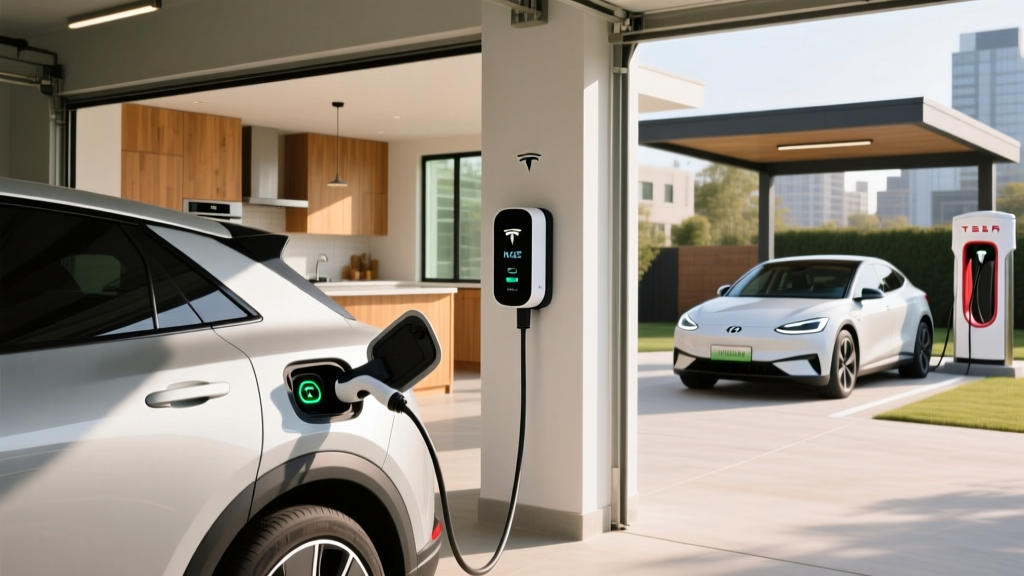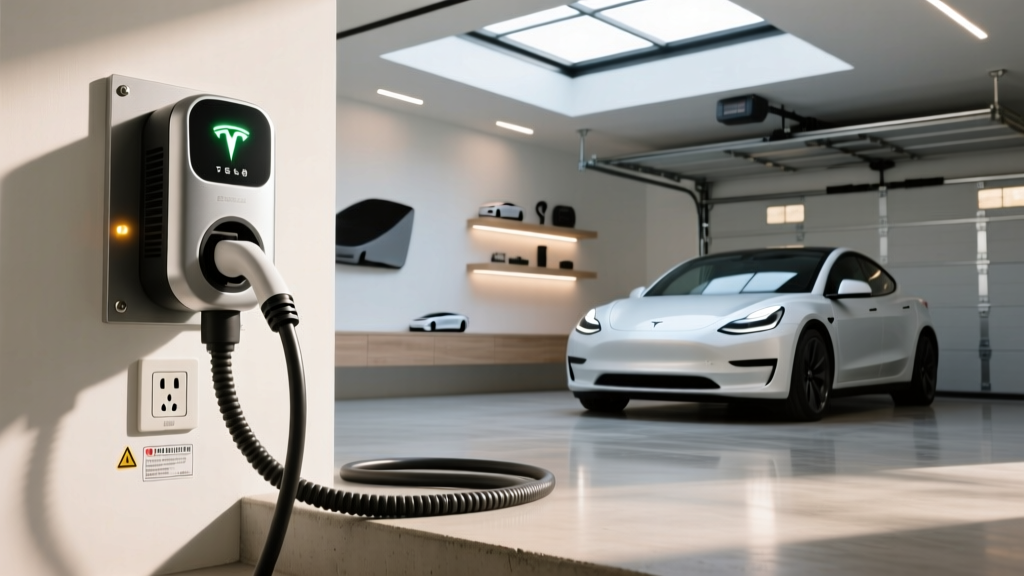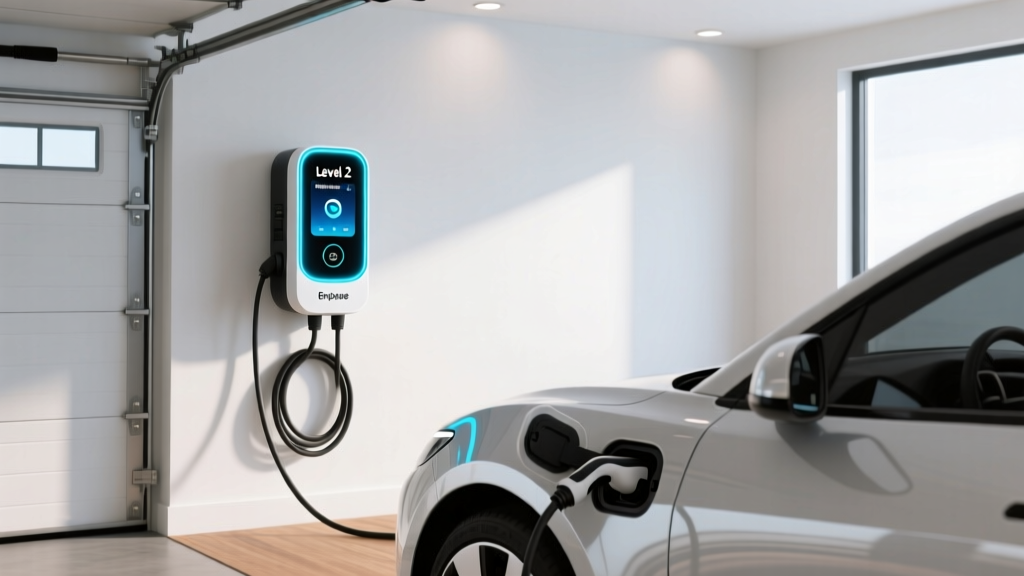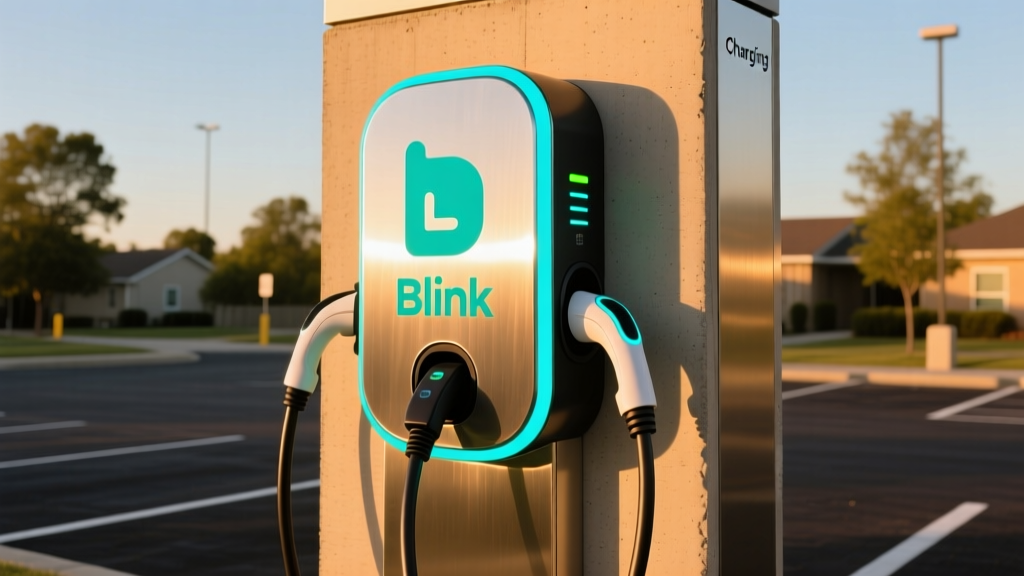
If you have ever pulled into a parking garage and spotted a station marked by the distinctive Blink Charging logo colors blue green, you are looking at one of the largest public EV charging networks in North America. But what do those colors actually mean? Are they just branding, or do they signal something about the charger's capabilities? And more importantly, should you rely on Blink for your daily charging or road-trip needs?
This guide decodes the Blink network, explains the hardware behind the blue and green branding, and gives you the exact numbers — kW speeds, install costs, $/kWh rates, and per-mile economics — you need to decide whether Blink fits into your EV ownership strategy in 2026.
What the Blink Charging Logo Colors Blue and Green Actually Signal
Blink uses a two-tone visual identity across its hardware and app. The blue in the Blink logo and station housing is the company's primary brand color, applied across its entire product line — from Level 2 destination chargers to DC fast chargers. The green accent is used to denote active, available, or "ready-to-charge" status on station screens and LED indicators.
In practical terms at a Blink station:
- Green LED / green screen border: The charger is available and ready for use.
- Blue LED / blue screen border: The charger is actively delivering power to a connected vehicle.
- Red indicator: The station is faulted, offline, or out of service.
This color-coding is consistent whether you are looking at a Blink HQ 100 Level 2 pedestal or a Blink IQ 200 DC fast charger. It is a quick visual check you can do from your car before walking over.
Blink's Charger Lineup: Level 2 and DC Fast Hardware
Blink manufactures and deploys two primary categories of chargers. Understanding the difference between them — and the critical distinction between kW (power, or the rate of energy flow) and kWh (energy, or the total capacity of your battery) — is essential for planning your charging.
| Model | Type | Max Power Output | Connector | Typical Use Case |
|---|---|---|---|---|
| Blink HQ 100 | Level 2 (AC) | 7.2 kW (32A) or 19.2 kW (80A) | J1772 (NACS adapter required for Tesla) | Workplace, retail, parking garage |
| Blink HQ 200 | Level 2 (AC) | 7.2 kW – 19.2 kW | J1772 | Fleet depots, multi-family housing |
| Blink IQ 200 | DC Fast Charge | Up to 120 kW | CCS1 + CHAdeMO (NACS on newer units) | Highway corridor, retail fast-charge |
| Blink Series 9 (home) | Level 2 (AC, residential) | 9.6 kW (40A) or 11.5 kW (48A) | J1772 (NACS adapter for Tesla) | Home garage installation |
A key reality check: a 120 kW DC fast charger does not deliver 120 kW for the entire session. EV batteries follow a charge curve — peak power is typically sustained only between roughly 10% and 40% State of Charge (SoC), then tapers significantly above 80%. A 120 kW Blink IQ 200 might average 60–75 kW across a full 10–80% session depending on the vehicle's battery management system.
Charging Levels Explained: Speeds in kW and Miles Per Hour
Whether you are using a Blink station or any other network, the three charging levels determine how quickly you add range. Here is the breakdown with real-world context:
| Level | Voltage / Amperage | Power (kW) | Miles of Range Added Per Hour | 10–80% Time (75 kWh battery) |
|---|---|---|---|---|
| Level 1 | 120V / 12A | ~1.4 kW | 3–5 mi/hr | ~37 hours (not practical) |
| Level 2 | 240V / 32A–48A | 7.2–11.5 kW | 22–40 mi/hr | ~5.5–8 hours |
| Level 2 (high-power) | 240V / 80A | 19.2 kW | 55–70 mi/hr | ~3.5–4 hours |
| DC Fast Charge | 400V–800V DC | 50–350 kW | 150–1,000+ mi/hr (peak) | ~18–45 min (varies by vehicle) |
How Much Does It Cost to Install a Home EV Charger?
If you are considering a Blink Series 9 or any Level 2 home charger, the total cost depends on your home's electrical infrastructure. Here is a realistic breakdown based on 2026 electrician rates and equipment pricing:
| Component | Low-End Estimate | High-End Estimate | Notes |
|---|---|---|---|
| Level 2 charger (equipment) | $350 | $700 | Blink Series 9, ChargePoint Home Flex, Emporia Vue, etc. |
| Electrician labor (new 240V circuit) | $500 | $1,500 | Depends on run length from panel to garage |
| Electrical permit | $50 | $200 | Required in most jurisdictions; varies by city/county |
| Panel upgrade (if needed) | $1,500 | $4,000 | Required if your panel is 100A and cannot support a new 40–50A circuit |
| Total (no panel upgrade) | $900 | $2,400 | Most common scenario for newer homes |
| Total (with panel upgrade) | $2,400 | $6,400 | Common in homes built before 2000 |
Panel upgrade gotcha: A Level 2 charger drawing 40A requires a dedicated 50A circuit (NEC continuous-load rule requires the circuit breaker to be rated 125% of the continuous draw). If your home has a 100A main panel that is already near capacity — running an electric dryer, range, and HVAC — you may need a panel upgrade to 200A. This is the single biggest variable in home charging cost, and many buyers discover it only after an electrician's site visit.
Electrical requirements for a typical 40A Level 2 install:
- 240V dedicated circuit
- 50A double-pole breaker
- 6 AWG copper wire (or 4 AWG aluminum) for runs up to ~50 feet
- NEMA 14-50 outlet or hardwired connection (hardwired avoids GFCI nuisance trips)
- GFCI protection required if using a receptacle (NEC 2020+); many EV owners prefer hardwired to avoid this
Always hire a licensed electrician and pull a permit. Unpermitted work can void your homeowner's insurance and create fire risk. For final specifications, defer to your electrician's assessment of your specific panel and wiring.
Connector Compatibility: NACS, CCS1, and CHAdeMO
The connector landscape shifted significantly in 2024–2025 when most major automakers adopted Tesla's North American Charging Standard (NACS) for new vehicles. Here is where things stand in 2026 and how Blink stations fit in:
| Connector | Compatible Brands | Blink Station Support | Adapter Needed? |
|---|---|---|---|
| NACS (Tesla plug) | Tesla (all), Ford, GM, Rivian, Hyundai, Kia, Volvo, Polestar (2025+ models) | Newer Blink IQ 200 DC units; older units via adapter | CCS-to-NACS adapter for older DC stations; J1772-to-NACS for Level 2 |
| CCS1 | VW, BMW, Mercedes, Stellantis, older Ford/GM/Hyundai/Kia (pre-2025) | All Blink DC fast chargers | None for CCS-equipped Blink stations |
| CHAdeMO | Nissan Leaf (legacy), Mitsubishi Outlander PHEV | Some Blink IQ 200 units (dual-cable) | None — but CHAdeMO stations are declining |
| J1772 | All non-Tesla EVs (Level 2 AC charging) | All Blink Level 2 stations | Tesla owners need J1772-to-NACS adapter (included with Tesla) |
Practical tip: If you drive a 2025+ NACS-equipped vehicle, you can use Tesla Superchargers natively and will need a CCS1-to-NACS adapter (such as the Lectron or A2Z adapter, ~$150–$200) to use non-Tesla DC fast chargers like older Blink IQ 200 stations. Keep this adapter in your frunk.
Charging Cost Per Mile: Blink Public Rates vs. Home vs. Gas
The economics of EV charging vary dramatically depending on where you charge. Here is a realistic cost comparison using 2026 pricing data:
| Scenario | Rate | Cost Per Mile (at 3.5 mi/kWh) | Annual Cost (12,000 mi) |
|---|---|---|---|
| Home Level 2 (off-peak utility rate) | $0.08–$0.14/kWh | $0.023–$0.040 | $275–$480 |
| Home Level 2 (standard utility rate) | $0.15–$0.22/kWh | $0.043–$0.063 | $515–$755 |
| Blink Level 2 public | $0.39–$0.59/kWh (varies by location) | $0.11–$0.17 | $1,330–$2,030 |
| Blink DC fast charge | $0.39–$0.69/kWh (varies by location) | $0.11–$0.20 | $1,330–$2,380 |
| Gasoline vehicle (28 MPG combined, $3.40/gal) | $3.40/gallon | $0.121 | $1,457 |
Blink pricing varies by station owner — Blink provides the hardware and network platform, but individual site hosts (retailers, parking operators, municipalities) set the per-kWh rate. Always check the Blink app or the station screen for the exact rate before plugging in. Some locations also add idle fees if your car remains connected after reaching its charge limit.
For the latest on utility rates and EV energy costs by state, fueleconomy.gov provides EPA-rated kWh/100mi figures for every EV model, letting you calculate precise per-mile costs for your specific vehicle.
Home Charger Equipment Picks: What to Buy in 2026
If you want to install a Level 2 charger at home — whether a Blink Series 9 or a competitor — here are top options with exact specifications:
Blink Series 9
- Power: 9.6 kW (40A) or 11.5 kW (48A)
- Connector: J1772
- Cable length: 25 ft
- Smart features: Wi-Fi, Blink app scheduling, energy tracking
- Price: ~$499–$599
- Best for: Blink network loyalists who want app integration
ChargePoint Home Flex
- Power: Up to 12 kW (50A) — adjustable via dip switch
- Connector: J1772 or NACS
- Cable length: 23 ft
- Smart features: Wi-Fi, Alexa, ChargePoint app, flexible amperage
- Price: ~$549–$649
- Best for: Adjustable amperage for older panels
Emporia Vue Level 2
- Power: 11.5 kW (48A)
- Connector: J1772
- Cable length: 24 ft
- Smart features: Wi-Fi, energy monitoring, solar integration
- Price: ~$399–$449
- Best for: Budget-conscious buyers with solar panels
All three units require a 240V dedicated circuit and professional installation. The ChargePoint Home Flex stands out for its adjustable amperage — if your panel can only spare 30A, you can set the charger to 24A (7.2 kW) without buying a different unit. This flexibility can save you a panel upgrade.
Safety, Electrical Code, and Outdoor Installation
EV charging involves sustained high-current draw — often for 6–10 hours at a time. This is fundamentally different from intermittent loads like a dryer or oven. Safety considerations are non-negotiable:
- Dedicated circuit: Your Level 2 charger must be on its own circuit — never shared with other appliances. NEC Article 625 governs EV charging equipment.
- GFCI protection: Since NEC 2020, receptacle-based (NEMA 14-50) EV chargers require GFCI breakers. However, GFCI nuisance tripping is a known issue with some EV/charger combinations. Many electricians recommend hardwired installs to eliminate this problem.
- Outdoor rating: If your charger is installed outdoors, ensure it carries a NEMA 4 or IP65 rating. The Blink Series 9 and ChargePoint Home Flex are both rated for outdoor use.
- Wire gauge: Undersized wire causes heat buildup and fire risk. For a 50A circuit, use 6 AWG copper (THHN in conduit) for runs up to 50 feet. Longer runs may require 4 AWG to minimize voltage drop.
- Permit and inspection: Every jurisdiction requires a permit for new 240V circuits. The inspection ensures your wiring, breaker, and grounding meet code. Do not skip this step.
For detailed NEC requirements and local amendments, consult your local building department and a licensed electrician familiar with NEC Article 625.
Frequently Asked Questions
How fast will a Blink DC fast charger charge my EV?
The Blink IQ 200 delivers up to 120 kW peak. On a vehicle like the Hyundai Ioniq 5 (84 kWh battery, 400V architecture), expect a 10–80% session in approximately 25–35 minutes, with the charge rate tapering above 50% SoC. On an 800V vehicle like the Kia EV6, the same station may not reach its full potential because the IQ 200 is a 400V-class charger — you would see faster speeds on a 350 kW Electrify America or Tesla V4 station.
Can I use a Blink station with my Tesla?
Yes, with an adapter. Blink Level 2 stations use J1772 connectors — Tesla vehicles include a J1772-to-NACS adapter in the glovebox. For Blink DC fast chargers with CCS1 cables, you will need a CCS1-to-NACS adapter (sold separately, ~$150–$200). Newer Blink IQ 200 installations are beginning to include native NACS cables, but availability varies by location.
Is the Blink membership worth it?
Blink offers a Blink Member rate that is typically $0.10–$0.15/kWh cheaper than the guest rate at most stations. If you charge on Blink more than 2–3 times per month, the free membership pays for itself. You can also set charging schedules and receive session notifications through the Blink app.
How does Blink compare to Electrify America or Tesla Superchargers?
Blink's DC fast charging network is smaller than Electrify America (~5,000+ stalls) and Tesla Superchargers (~30,000+ stalls in North America). Blink's strength is its Level 2 destination charging footprint — over 50,000 Level 2 ports across workplaces, retail locations, and parking facilities. For road trips, Tesla Superchargers and Electrify America offer faster chargers (150–350 kW) and broader highway coverage. For daily top-ups while shopping or at work, Blink Level 2 stations are convenient and widely available.
What electrical upgrades might I need for a home charger?
The most common upgrade is a panel capacity increase from 100A to 200A, costing $1,500–$4,000. You may also need a new circuit run (conduit, wire, breaker), which adds $500–$1,500 depending on the distance from your panel to the charging location. Homes built after 2010 with 200A panels typically need no upgrade — just the new circuit and permit. Always get an electrician's load calculation before committing to a charger amperage.
For current federal tax incentives related to home charger installation, the IRS residential clean energy credit (IRC §25C) may cover up to 30% of charger equipment and installation costs, capped at $1,000. Eligibility rules and caps are subject to change — consult a tax professional for your specific situation.