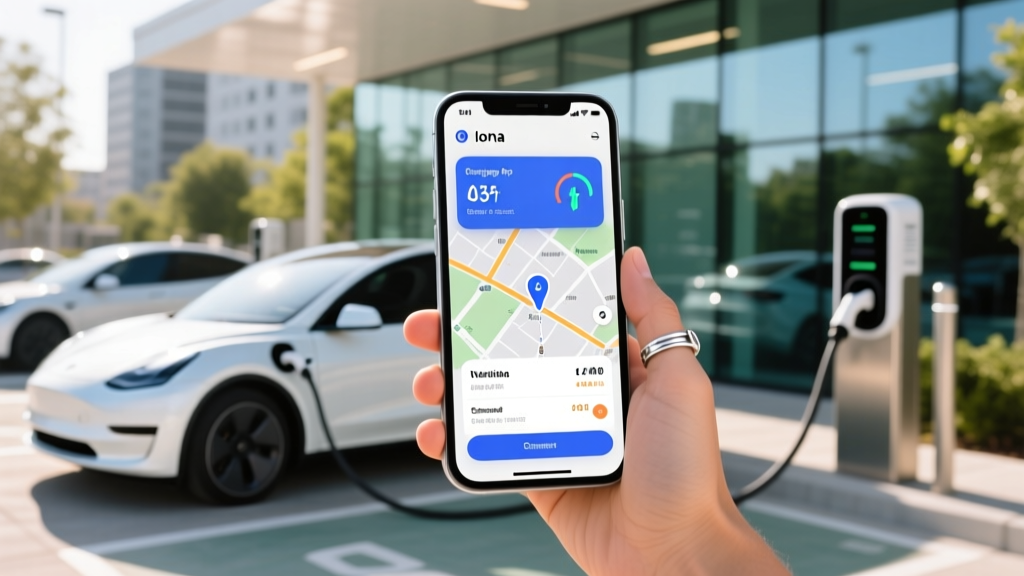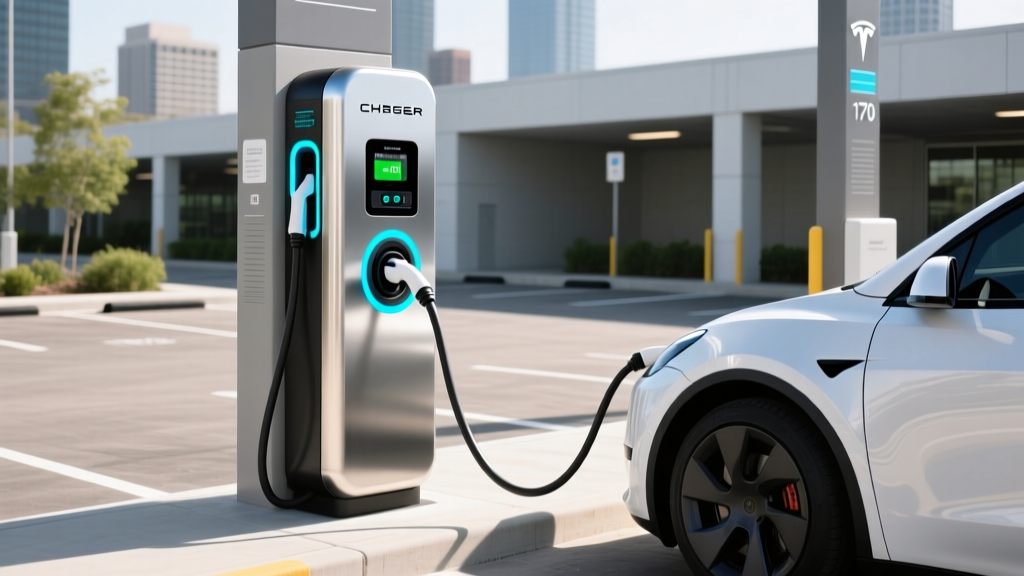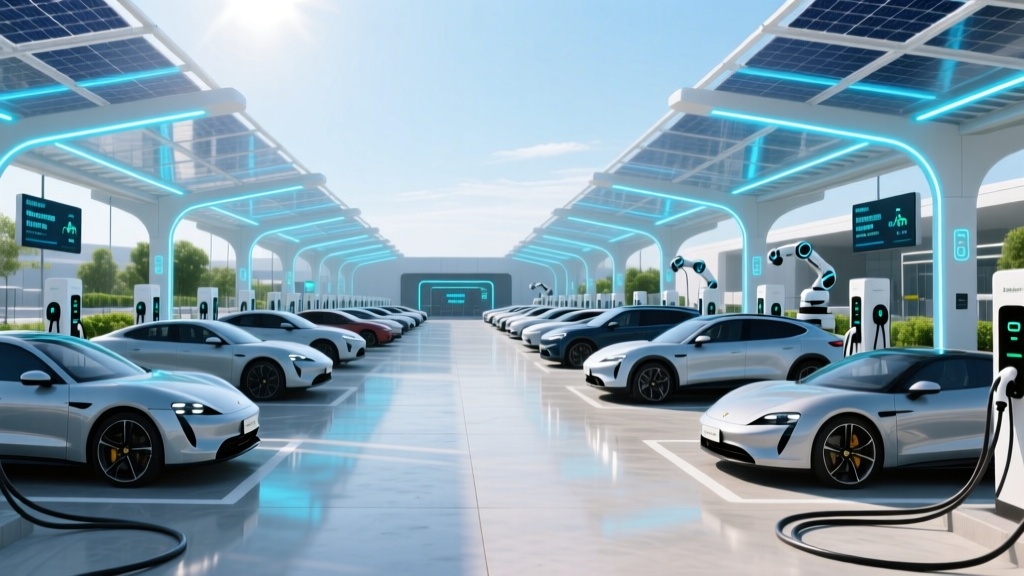
When EV owners search for the "biggest Supercharger" station, they're usually asking one of two things: which Tesla Supercharger location has the most stalls, or where the largest public DC fast-charging hubs are for non-Tesla vehicles. Both questions matter — a mega-station means shorter queues on holiday weekends, and higher-power chargers mean less time plugged in. This guide covers the largest Supercharger sites, the biggest third-party fast-charging hubs, and the practical charging knowledge you need to actually use them effectively.
What Makes a Supercharger Station the 'Biggest'?
A charging station's size can be measured three ways: stall count (how many vehicles can charge simultaneously), power output per stall (peak kW), and total site power capacity (megawatts available to the whole station). A 50-stall V2 Supercharger (150 kW each) is physically larger than a 12-stall V4 site (350 kW each), but the V4 site may deliver faster individual charges. Here's how Tesla's charger generations compare:
| Generation | Peak kW per Stall | Connector | Typical Stall Count | Notes |
|---|---|---|---|---|
| V2 | 150 kW | CCS/NACS (varies) | 8–20 | Shares power between paired stalls (A/B) |
| V3 | 250 kW | NACS (native), CCS via adapter | 12–40 | No power sharing; dedicated per stall |
| V4 | Up to 350 kW (cabinet supports 600 kW) | NACS + CCS (integrated cable) | 8–20+ (modular) | External power cabinet; supports non-Tesla natively |
By stall count alone, several sites in the U.S. and China compete for the "biggest Supercharger" title. The Harris Ranch Supercharger in California historically held the record at 98 stalls (a mix of V2 and V3), though Tesla has been consolidating and upgrading older sites. In China, Tesla operates several stations exceeding 100 stalls at highway service areas. For non-Tesla networks, Electrify America's largest stations typically max out at 8–12 stalls, while BP Pulse and Mercedes-Benz High Power Charging are building flagship sites with 20–40 chargers in the 350–400 kW range.
Biggest Supercharger Stations by Stall Count and Power
Here are some of the largest Supercharger and public DC fast-charging hubs in North America as of 2026, combining Tesla and competitor networks:
| Location | Network | Stalls | Peak kW | Connector(s) |
|---|---|---|---|---|
| Harris Ranch, CA (I-5) | Tesla Supercharger | ~98 (mixed V2/V3) | 150–250 kW | NACS / CCS |
| Kettleman City, CA (I-5) | Tesla Supercharger | ~48 | 250 kW | NACS |
| Orlando, FL (Disney-area) | Tesla Supercharger | ~40+ | 250 kW | NACS |
| Various highway corridors | Electrify America | 8–12 typical | 150–350 kW | CCS / NACS (newer) |
| Flagship metro hubs | Mercedes-Benz HPC | 10–30 | Up to 400 kW | CCS / NACS |
For Tesla drivers with the NACS connector, the Supercharger network's advantage isn't just stall count — it's reliability. Tesla reports over 99.9% uptime across its global network, a metric third-party networks have historically struggled to match. Non-Tesla EVs can now access many Supercharger stations via Tesla's open network program, though stall count available to non-Tesla vehicles varies by site and may be limited to specific marked stalls.
Charging Speeds Explained: Level 1, Level 2, and DC Fast Charging
Whether you're at the biggest Supercharger on the interstate or plugging in at home, charging falls into three tiers. Understanding the difference between kW (power — the rate energy flows) and kWh (energy — what's stored in your battery) is essential. Think of kW as the width of a pipe and kWh as the size of the tank you're filling.
| Level | Voltage | Power (kW) | Miles of Range per Hour | Typical Use Case |
|---|---|---|---|---|
| Level 1 | 120V AC | 1.2–1.9 kW | 3–5 miles | Overnight top-up, PHEV charging |
| Level 2 | 240V AC | 7.2–19.2 kW | 20–60 miles | Home/workplace daily charging |
| DC Fast (Level 3) | 200–900V DC | 50–400 kW | 150–1,200+ miles (theoretical) | Road trips, rapid top-ups |
Real-world charging times for common battery sizes (10–80% SoC):
- 60 kWh battery (e.g., base Tesla Model Y RWD): ~18 min at 250 kW V3 Supercharger; ~25 min at 150 kW; ~6.5 hours at 9.6 kW Level 2
- 80 kWh battery (e.g., Hyundai Ioniq 5 Long Range): ~18 min at 350 kW (800V architecture); ~22 min at 250 kW; ~8.5 hours at 9.6 kW Level 2
- 100 kWh battery (e.g., Ford F-150 Lightning Extended Range): ~25 min at 250 kW; ~35 min at 150 kW; ~10.5 hours at 9.6 kW Level 2
Charge curve reality check: No EV sustains peak kW for the entire session. A vehicle rated for 250 kW peak might only hold that rate from roughly 10–30% SoC, then taper to 150 kW, then 75 kW above 60%, and below 50 kW past 80%. This is why 10–80% time is the standard metric — charging from 80–100% can take as long as 10–80%. At the biggest Supercharger stations with V3 or V4 stalls, you'll see these peak rates; at older V2 sites, 150 kW is the ceiling and paired stalls may split that if both are occupied.
Connector Compatibility: NACS, CCS, and CHAdeMO
The connector landscape has shifted dramatically. Tesla's North American Charging Standard (NACS) is now the dominant connector in North America, with Ford, GM, Rivian, Volvo, Hyundai, and most other automakers adopting it for new vehicles starting in the 2025–2026 model years. Here's what fits where:
| Connector | Used By | DC Fast-Charge Access | Adapter Needed? |
|---|---|---|---|
| NACS (Tesla) | Tesla (all years); Ford, GM, Rivian, Hyundai, Volvo, and others (2025+ models) | Tesla Superchargers + NACS-equipped third-party stations | CCS vehicles need a NACS adapter (many OEMs provide one) |
| CCS1 | Older Ford, GM, VW, Hyundai, Kia, BMW models (pre-NACS switch) | Electrify America, EVgo, ChargePoint, Mercedes HPC | NACS vehicles need CCS adapter for legacy stations |
| CHAdeMO | Nissan Leaf (legacy); largely discontinued on new models | Limited and shrinking network | No adapter widely available; CHAdeMO stations declining |
If you drive a pre-2025 non-Tesla EV with CCS, you can access many Supercharger stations using a Tesla CCS adapter (approximately $150–$250) at Supercharger sites that have been opened to non-Tesla vehicles via the Tesla app. Conversely, if you drive a newer NACS-equipped vehicle, you'll need a CCS-to-NACS adapter to use older Electrify America or EVgo stations that haven't retrofitted NACS cables.
Home Charging Setup: Installation Costs and Electrical Requirements
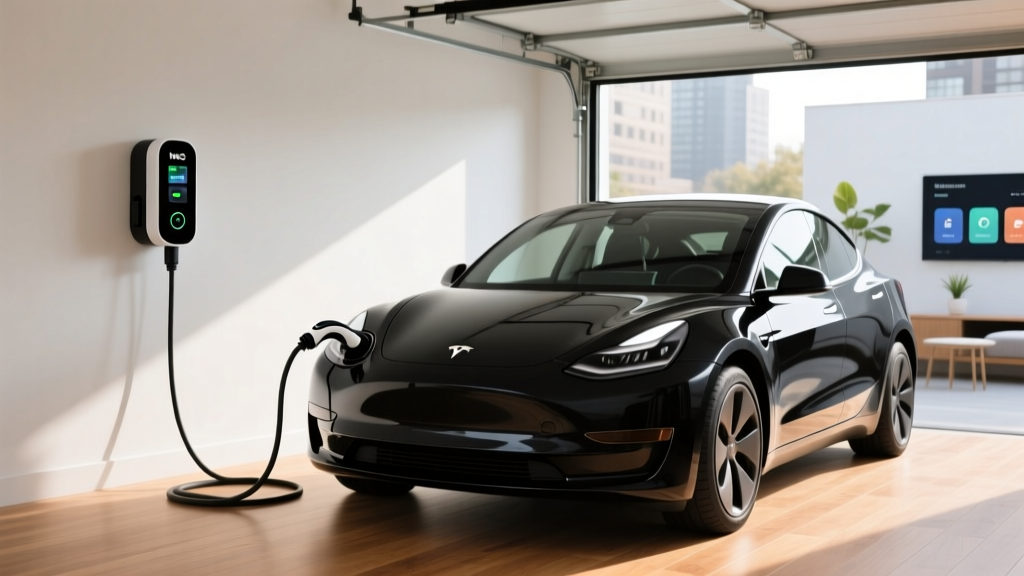
The biggest Supercharger in the world doesn't matter if you can't charge at home — home Level 2 charging is where 80%+ of all EV charging happens. Here's what a proper home installation requires.
Electrical requirements for a typical Level 2 home charger:
- Voltage: 240V (same as a dryer or oven circuit)
- Amperage: 40A circuit for a 32A charger (NEC requires circuits rated 125% above continuous load); 60A circuit for a 48A charger
- Dedicated circuit: Required — you cannot share the circuit with other appliances
- GFCI protection: Required by NEC 2020+ for EV charging outlets; hardwired units may have built-in GFCI
- Outdoor rating: NEMA 4 or NEMA 4X enclosure if installed outdoors
| Component | Simple Install (Panel Nearby) | Complex Install (Panel Upgrade / Long Run) |
|---|---|---|
| Level 2 Charger (equipment) | $400–$700 | $400–$700 |
| Electrician labor (2–4 hrs simple; 6–12+ hrs complex) | $600–$1,500 | $1,500–$4,000 |
| Electrical panel upgrade (100A → 200A, if needed) | $0 | $1,500–$3,500 |
| Permit and inspection | $50–$200 | $100–$300 |
| Conduit, wiring, hardware | $100–$300 | $300–$800 |
| Total estimated cost | $1,150–$2,700 | $3,800–$9,300 |
Panel upgrade reality: Homes built before the 1990s often have 100-amp electrical panels. Adding a 40A or 60A dedicated EV circuit may push total load beyond the panel's capacity, requiring an upgrade to 200A. This is the single largest cost variable in home charger installation. Always get a load calculation from a licensed electrician before assuming your panel has headroom.
Some utilities offer rebates of $250–$1,000 for home charger installation, and certain states provide additional incentives. Check your local utility's EV program page before scheduling work.
Recommended Home Level 2 Chargers
These are proven, well-reviewed Level 2 chargers with the specs that matter — power output, connector type, cable length, and smart features.
Tesla Wall Connector (Gen 3)
- Power output: Up to 11.5 kW (48A on a 60A circuit)
- Connector: NACS (native); CCS vehicles need adapter
- Cable length: 24 feet
- Smart features: Wi-Fi, OTA updates, power sharing between multiple units, load management
- Price: ~$475
- Best for: Tesla owners and NACS-equipped EVs; cleanest integration
ChargePoint Home Flex
- Power output: Up to 12 kW (50A on a 60A circuit); configurable down to 16A
- Connector: NACS or J1772 (select at purchase); CCS adapter included in some bundles
- Cable length: 23 feet
- Smart features: Wi-Fi, app scheduling, utility demand-response programs, Alexa integration
- Price: ~$550–$650
- Best for: Non-Tesla EVs; flexible amperage for homes with limited panel capacity
Emporia Level 2 EV Charger
- Power output: Up to 11.5 kW (48A)
- Connector: NACS or J1772
- Cable length: 24 feet
- Smart features: Wi-Fi, solar integration (pairs with Emporia Vue energy monitor), off-peak scheduling
- Price: ~$350–$400
- Best for: Budget-conscious buyers; solar homes wanting EV + energy management
Cost to Charge: Home vs. Public vs. Gas
Charging economics vary enormously depending on where and when you plug in. Here's a realistic comparison using 2026 average rates:
| Scenario | Typical $/kWh | Cost per 100 miles (at 3.5 mi/kWh efficiency) | Equivalent gas cost (at 28 MPG) |
|---|---|---|---|
| Home — off-peak utility rate | $0.08–$0.14 | $2.30–$4.00 | Gas at $3.50/gal: $12.50 |
| Home — standard residential rate | $0.14–$0.20 | $4.00–$5.70 | Gas at $3.50/gal: $12.50 |
| Public Level 2 (workplace/retail) | $0.20–$0.35 | $5.70–$10.00 | Gas at $3.50/gal: $12.50 |
| DC Fast Charging (Electrify America, EVgo) | $0.35–$0.55 | $10.00–$15.70 | Gas at $3.50/gal: $12.50 |
| Tesla Supercharger (varies by site/time) | $0.25–$0.45 | $7.10–$12.85 | Gas at $3.50/gal: $12.50 |
Key takeaway: Home charging at off-peak rates is 3–5x cheaper per mile than gasoline. But exclusive reliance on DC fast charging — especially non-Tesla networks at peak pricing — can actually cost more per mile than a fuel-efficient gas car. The economics of EV ownership depend heavily on reliable home or workplace Level 2 access.
Tesla Supercharger pricing varies by station and time of day. Many sites now feature time-of-use pricing, with off-peak rates (overnight, mid-morning) 20–40% cheaper than peak evening hours. Check the Tesla app for real-time pricing at any station before your trip.
Planning Road Trips Around Big Charging Hubs
When route-planning, prioritize stations with high stall counts and high kW ratings. A 40-stall V3 Supercharger at 250 kW will almost never have a queue, even on Thanksgiving weekend, while an 8-stall Electrify America site may have a 20–40 minute wait during peak travel. Here's how to strategize:
- Precondition your battery: Navigate to the charging station in your EV's built-in nav (or use preconditioning in the Tesla app) to warm the battery. A preconditioned battery can accept peak kW immediately; a cold battery may charge at 50% of peak rate for the first 5–10 minutes, especially in winter.
- Arrive at 10–15% SoC, not 2%: Charging curves are fastest at low SoC, but arriving with too little buffer risks being stranded if chargers are offline. A 10–15% arrival target balances speed with safety.
- Leave at 80%, not 100%: Charging from 80–100% can take as long as 10–80% due to taper. Unless you need maximum range for the next leg, leave at 80% and drive.
- Check real-time stall availability: The Tesla app shows live stall counts for Superchargers. For Electrify America and EVgo, their apps show operational status — always verify before committing to a remote station.
Frequently Asked Questions
Where is the biggest Supercharger station in the U.S.?
By stall count, the Harris Ranch Supercharger in Coalinga, California, has historically been the largest with approximately 98 stalls (a combination of V2 and V3 chargers). However, Tesla frequently modifies stall counts as it upgrades sites. Several locations in China exceed 100 stalls. For the most current information, the Tesla app and community resources like supercharge.info track station details.
Can non-Tesla EVs use the biggest Supercharger stations?
Yes, but with caveats. Tesla has opened select Supercharger stations to non-Tesla EVs through its "Charge Your Non-Tesla" program. Availability varies by site and region, and non-Tesla vehicles typically need a CCS-to-NACS adapter. Use the Tesla app to find open stations and initiate sessions. Not all stalls at a given location may be available to non-Tesla vehicles.
How much does it cost to use a Supercharger?
Tesla Supercharger pricing typically ranges from $0.25 to $0.45 per kWh depending on location and time of day. Some stations have time-of-use pricing with lower off-peak rates. A full charge from 10–80% on a 75 kWh battery costs approximately $15–$25 at most U.S. stations. Idle fees of $0.50–$1.00 per minute apply if your vehicle remains plugged in after reaching its charge limit.
Is it faster to use a V3 or V4 Supercharger?
V4 Superchargers offer higher peak power (up to 350 kW per stall currently, with cabinet architecture supporting future increases to 600 kW), but your vehicle's maximum charge acceptance rate determines actual speed. A Tesla Model 3 Highland, for example, peaks around 250 kW — so V3 and V4 will charge it at similar rates. Vehicles with 800V architectures (Hyundai Ioniq 5, Kia EV6, Porsche Taycan) can benefit more from higher-power chargers.
What electrical upgrades might I need for a home Level 2 charger?
The most common upgrade is a panel capacity increase. If your home has a 100-amp panel with existing high-draw appliances (electric oven, dryer, HVAC), adding a 40A–60A EV circuit may exceed your panel's capacity, requiring an upgrade to 200A ($1,500–$3,500). Other potential upgrades include running new conduit over long distances (garage far from the panel), adding a sub-panel, or upgrading the utility service drop. A licensed electrician should perform a load calculation before any work begins.
How fast will each charging level add range to my EV?
Level 1 (120V) adds roughly 3–5 miles per hour — adequate for PHEVs with small batteries but impractical for full BEVs. Level 2 (240V, 32–48A) adds 20–60 miles per hour, easily replenishing a day's driving overnight. DC fast charging adds 150+ miles in 15–25 minutes at a 150–350 kW station, depending on your vehicle's battery size and charge acceptance rate.
Whether you're hunting for the biggest Supercharger on your next road trip or setting up a Level 2 charger at home, the numbers tell the story: high-stall, high-kW stations minimize wait times and charge times, while a properly installed home charger minimizes cost. Plan around the data, not the marketing, and your EV ownership experience will be dramatically smoother.