What Bidirectional Charging Actually Means for EV Owners
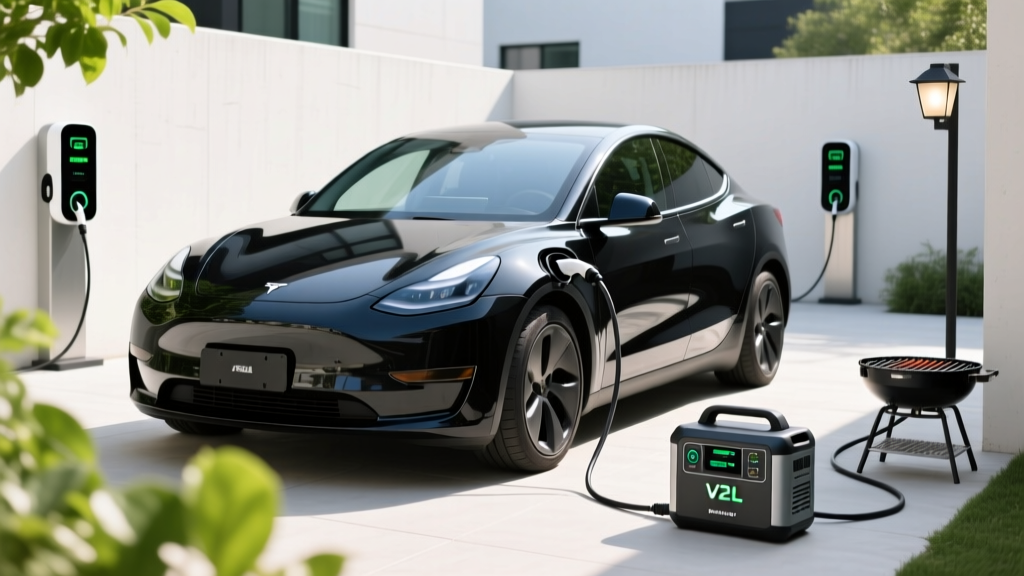
Bidirectional charging lets an EV's battery push energy back out — to a device, a home, or the grid. That capability splits into three distinct modes, and confusing them is the single biggest mistake buyers make when shopping for electric vehicles with bidirectional charging.
- V2L (Vehicle-to-Load): Powers appliances and tools via a 120V or 240V outlet. No special home equipment required. Common on Hyundai/Kia E-GMP models and the Ford F-150 Lightning.
- V2H (Vehicle-to-Home): Backs up an entire house during an outage through a hardwired bidirectional charger and transfer switch. Requires a compatible wallbox and electrical panel integration.
- V2G (Vehicle-to-Grid): Sends power back to the utility for demand-response or rate arbitrage. Still limited to select utility pilot programs in 2026.
Before we get into which EVs support each mode, you need to understand the baseline charging ecosystem they all share — because bidirectional hardware sits on top of standard Level 2 and DC fast infrastructure.
Charging Levels: The Baseline Every Bidirectional EV Uses
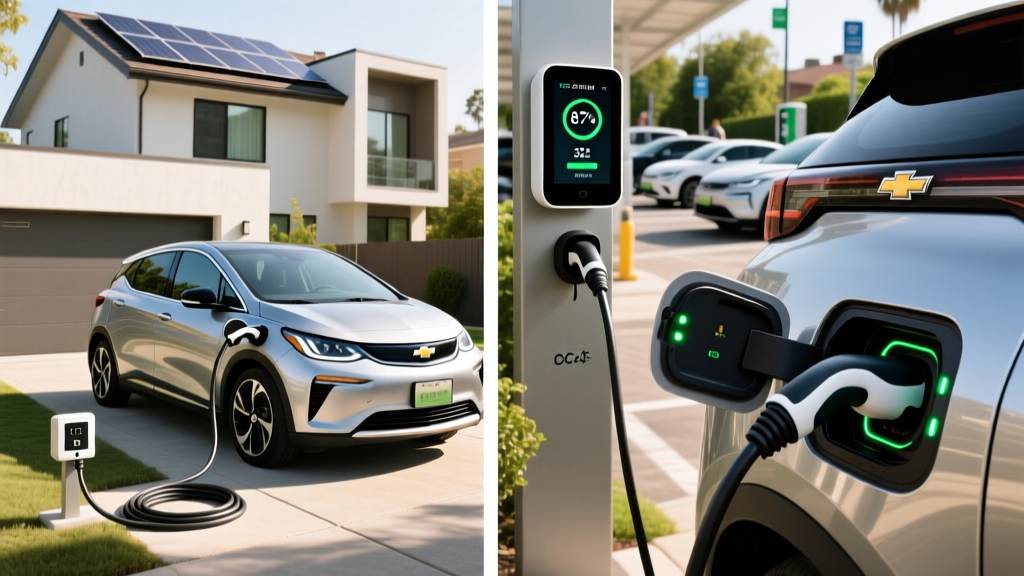
Whether your EV can send power back or only receive it, it charges through one of three levels. Note: kW (kilowatts) measures power — how fast energy flows. kWh (kilowatt-hours) measures energy — the battery's total capacity. A 77 kWh battery charged at 11.5 kW takes roughly 6.7 hours from empty to full.
| Level | Voltage / Amps | Power (kW) | Miles of Range Added per Hour | Typical Use |
|---|---|---|---|---|
| Level 1 | 120V / 12A | 1.4 kW | 3–5 mi/hr | Emergency / overnight trickle |
| Level 2 | 240V / 32–48A | 7.7–11.5 kW | 25–44 mi/hr | Home daily charging, bidirectional V2H |
| DC Fast | 400–800V DC | 50–350 kW | 150–1,200+ mi/hr (peak) | Road trips; 10–80% in 18–45 min |
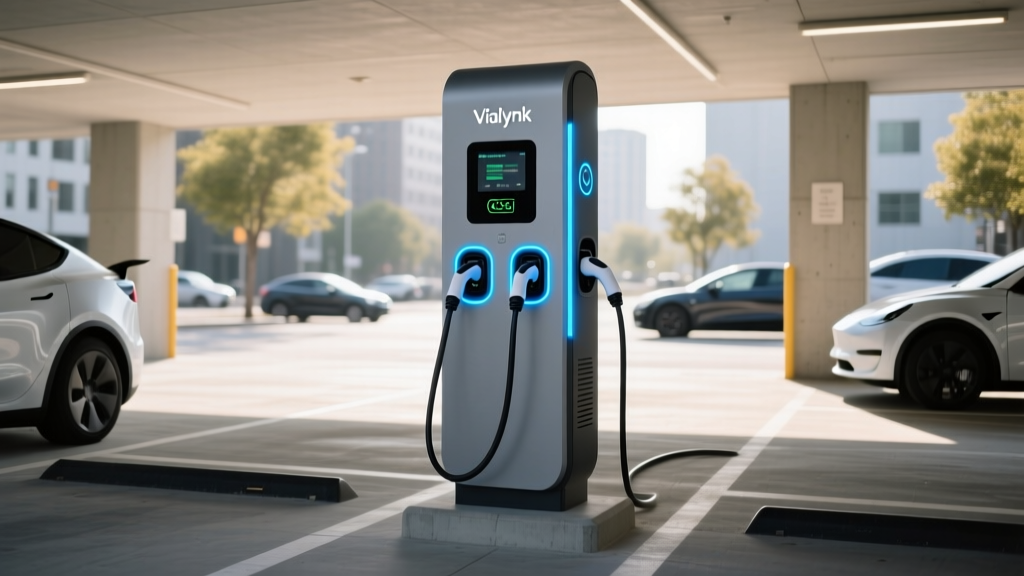
For bidirectional V2H, you'll use a specialized Level 2 wallbox that handles both directions. V2L bypasses the charger entirely — it runs off an inverter built into the vehicle.
Which Electric Vehicles with Bidirectional Charging Are Available in 2026?
Not every EV supports every bidirectional mode. Here's the current landscape by model, including battery specs and what each vehicle can actually output.
| Model | Battery (kWh) | V2L Output | V2H Capable | V2G Status | Starting MSRP |
|---|---|---|---|---|---|
| Ford F-150 Lightning | 98 (Std) / 131 (Ext) | 2.4 kW (120V) / 9.6 kW (240V) | Yes (with Charge Station Pro + Home Integration System) | Utility pilots only | ~$55,000 |
| Hyundai Ioniq 5 | 63.0 / 84.0 | 3.6 kW (via V2L adapter) | Announced (requires upcoming Wallbox Quasar 2) | Not available | ~$42,500 |
| Kia EV9 | 76.1 / 100.0 | 3.6 kW (V2L) | Expected with firmware + compatible charger | Not available | ~$55,000 |
| Hyundai Ioniq 9 (announced) | ~110.3 (estimated) | 3.6 kW (V2L) | Planned | TBD | TBD |
| GMC Sierra EV | ~200 (Max Range) | Up to 10.2 kW (V2L/V2H) | Yes (with Energy Transfer Pro) | Not available | ~$80,000 |
| VW ID.4 (2026 update) | 82.0 | Limited markets | Not in US | EU pilots | ~$41,000 |
Home Charger Installation: Electrical Requirements and Costs
If you're buying a bidirectional-capable EV for V2H, you need more than a standard Level 2 charger. Bidirectional wallboxes like the Ford Charge Station Pro (19.2 kW) or the Wallbox Quasar 2 (11.5 kW) require dedicated circuits, a transfer switch or backup gateway, and often a panel upgrade.
| Item | Details | Estimated Cost Range |
|---|---|---|
| Bidirectional Wallbox | Ford Charge Station Pro 80A / Wallbox Quasar 2 | $1,300 – $3,500 |
| Electrical Panel Upgrade | Upgrade from 100A to 200A service (if needed) | $1,500 – $4,000 |
| Dedicated Circuit Wiring | 60A–100A circuit, 240V, copper run from panel | $500 – $2,500 |
| Backup Gateway / Transfer Switch | Span panel, Generac PWRcell gateway, or manual transfer | $500 – $3,000 |
| Permits & Inspection | Local electrical permit, utility interconnection (for V2G) | $150 – $600 |
| Electrician Labor | Licensed electrician, 4–12 hours depending on complexity | $800 – $3,000 |
| Total Range | Simple install (panel OK, short run) to complex (panel upgrade + gateway) | $3,000 – $16,000+ |
Homes built before 2000 often have 100-amp electrical panels that can't support an 80A EV circuit plus existing loads. A panel upgrade to 200A is the most common surprise cost. If you're considering the Span smart panel (which integrates solar, battery, and EV load management), expect to add $5,000–$9,000 to the total.
Connector Compatibility: NACS, CCS1, and Adapter Realities
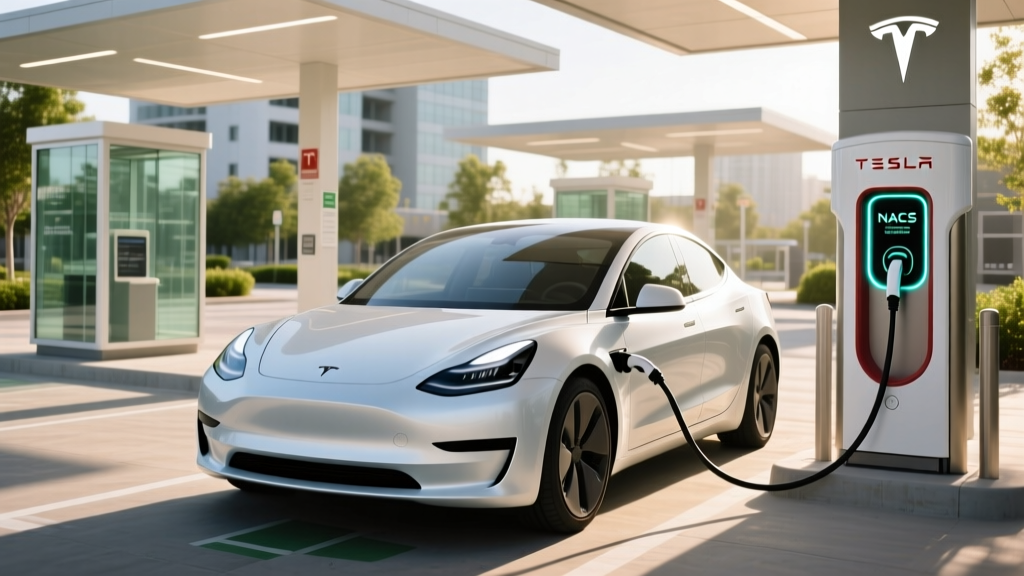
The connector on your EV determines which chargers and bidirectional wallboxes you can use. As of 2026, North America has largely consolidated around NACS (Tesla's connector, now adopted by Ford, GM, Hyundai, Kia, and others), but CCS1 vehicles remain on the road.
| Connector | Brands Using It (2026) | Bidirectional Charger Availability | Adapter Notes |
|---|---|---|---|
| NACS (J3400) | Tesla, Ford, GM, Hyundai, Kia, Rivian, Volvo, Polestar | Ford Charge Station Pro (NACS version), Wallbox Quasar 2 (NACS) | CCS-to-NACS adapters available; verify bidirectional passthrough |
| CCS1 | Legacy VW ID.4, older Bolt, some 2024–2025 models | Wallbox Quasar 2 (CCS version) | NACS-to-CCS adapters exist but may not support bidirectional |
| CHAdeMO | Discontinued (Nissan Leaf end-of-life) | None for bidirectional | No bidirectional adapters available |
Critical detail: not all adapters support bidirectional power flow. A CCS-to-NACS adapter may let you charge the car at a NACS Supercharger, but it likely won't pass power back from the car to a CCS-equipped wallbox. Always confirm bidirectional compatibility with the adapter manufacturer before relying on it for V2H.
Charging Costs: Home, Public, and Per-Mile vs Gas
One of the strongest arguments for any EV — bidirectional or not — is lower per-mile fuel cost. But the gap depends heavily on where and when you charge.
| Scenario | Rate ($/kWh) | Cost to Add 200 Miles* | Equivalent Gas Cost (28 MPG avg @ $3.40/gal) |
|---|---|---|---|
| Home Off-Peak (utility TOU) | $0.08–$0.12 | $4.80–$7.20 | $24.29 |
| Home Standard Rate | $0.14–$0.18 | $8.40–$10.80 | $24.29 |
| Public Level 2 (ChargePoint, EVgo L2) | $0.25–$0.40 | $15.00–$24.00 | $24.29 |
| DC Fast (Electrify America, Tesla Supercharger) | $0.32–$0.56 | $19.20–$33.60 | $24.29 |
*Based on an EV averaging 3.0 mi/kWh (roughly 100 MPGe combined). See fueleconomy.gov for your specific model's efficiency.
Home off-peak charging is where EVs deliver massive savings — roughly 70% cheaper per mile than gas. DC fast charging, by contrast, can match or exceed gas costs. Bidirectional owners who pair V2H with rooftop solar and a time-of-use rate can effectively reduce their home energy cost during outages to zero (after equipment payback).
Charging Time Examples: What to Expect by Battery Size
Charging time depends on battery capacity (kWh) and the charger's power output (kW). Here are realistic 10–80% times for common bidirectional EVs. Note that charging slows above 80% — the charge curve tapers to protect battery chemistry, so the final 20% can take as long as the first 80%.
| Model | Battery (kWh usable) | Level 2 at 11.5 kW | DC Fast (peak kW) | DC 10–80% Time |
|---|---|---|---|---|
| Ford F-150 Lightning Ext Range | 131 | ~7.5 hours | 150 kW peak | ~41 min |
| Hyundai Ioniq 5 Long Range | 84.0 | ~5.0 hours | 240 kW peak (800V) | ~18 min |
| Kia EV9 Long Range AWD | 100.0 | ~6.0 hours | 210 kW peak (800V) | ~24 min |
| GMC Sierra EV Max Range | ~200 | ~12 hours | 350 kW peak (800V) | ~32 min |
The Hyundai/Kia 800V architecture stands out: peak 240 kW sustained to roughly 55% SoC before tapering. Ford's 400V Lightning, while bidirectional-capable, charges more slowly on DC — an important tradeoff if road-trip speed matters as much as home backup.
Equipment Recommendations: Bidirectional Chargers and Smart Wallboxes
Here are the wallboxes most relevant to bidirectional EV owners in 2026, along with capable Level 2 chargers for those who want fast charging without V2H.
Ford Charge Station Pro (NACS)
Power: 19.2 kW (80A, 240V)
Connector: NACS
Bidirectional: Yes — V2H with Home Integration System
Cable: 25 ft
Smart Features: FordPass app scheduling, TOU optimization
Price: ~$1,300 (unit only)
Best For: F-150 Lightning owners wanting whole-home backup
Wallbox Quasar 2
Power: 11.5 kW (48A, 240V)
Connector: NACS or CCS1
Bidirectional: Yes — V2H and limited V2G
Cable: 20 ft
Smart Features: myWallbox app, solar integration, HEMS compatible
Price: ~$2,500–$3,500
Best For: Hyundai/Kia E-GMP owners wanting bidirectional capability
ChargePoint Home Flex
Power: Up to 12 kW (50A, 240V)
Connector: NACS (2026 model) or J1772
Bidirectional: No (charge only)
Cable: 23 ft
Smart Features: Alexa, scheduling, flexible amperage 16–50A
Price: ~$550–$650
Best For: Non-bidirectional EVs needing a reliable, adjustable Level 2
Federal Incentives and Bidirectional Equipment Credits
The IRS §30C Alternative Fuel Vehicle Refueling Property Credit covers up to 30% of home charger installation costs (max $1,000) for equipment placed in service in eligible census tracts. This applies to bidirectional wallboxes like the Charge Station Pro and Quasar 2 when installed at a primary residence. Eligibility depends on whether your home is in a qualifying low-income or non-urban census tract — check the IRS eligibility tool before committing to a purchase.
For the vehicle itself, the §30D Clean Vehicle Credit may provide up to $7,500 depending on MSRP caps, buyer income limits, and battery sourcing requirements. The F-150 Lightning and certain trim levels of the Ioniq 5 have qualified in prior years, but critical-mineral and battery-component sourcing rules tighten annually. Always verify current-year eligibility on IRS.gov or consult a tax professional.
Frequently Asked Questions
How much does it cost to install a home bidirectional EV charger?
A complete bidirectional V2H installation — wallbox, wiring, transfer switch, permits, and electrician labor — ranges from roughly $3,000 for a simple setup with an adequate panel to $16,000+ if you need a 200A panel upgrade, a Span smart panel, or a long conduit run. The wallbox itself costs $1,300–$3,500; most of the variability is in electrical work.
How fast will each charging level add range?
Level 1 (120V, 1.4 kW) adds 3–5 miles per hour. Level 2 (240V, 7.7–11.5 kW) adds 25–44 miles per hour depending on vehicle efficiency. DC fast charging adds 150–1,200+ miles per hour at peak, but the charge curve tapers significantly above 80% SoC, so sustained average rates are lower than the peak kW figure.
Which connector and charger are compatible with my EV?
Check your vehicle's charge port. Most 2025–2026 EVs from Ford, GM, Hyundai, Kia, Rivian, and Tesla use NACS. Older VW ID.4 and some 2024 models still use CCS1. For bidirectional charging, the Ford Charge Station Pro works with NACS Ford vehicles, while the Wallbox Quasar 2 supports both NACS and CCS1. CHAdeMO has no bidirectional charger options.
How much does EV charging cost per mile compared to gas?
At home off-peak rates ($0.08–$0.12/kWh), an EV averaging 3.0 mi/kWh costs $0.024–$0.04 per mile — about 80% less than a 28 MPG gas car at $3.40/gallon ($0.12/mi). At DC fast charging rates ($0.32–$0.56/kWh), the cost rises to $0.11–$0.19/mi, which can match or exceed gas. Home charging is where the economics work best.
What electrical upgrades might I need for bidirectional charging?
Bidirectional wallboxes draw 48–80A on a dedicated 240V circuit. If your home has a 100A panel (common in pre-2000 construction), you'll likely need a 200A upgrade ($1,500–$4,000). You'll also need a backup gateway or transfer switch to isolate your home from the grid during V2H operation (anti-islanding protection). Some utilities require an interconnection agreement even for V2H-only systems. A licensed electrician can assess your panel, calculate available amperage, and determine if a load-management device (like an Emporia or Span panel) can avoid a full upgrade.
Can bidirectional charging degrade my EV battery faster?
Every charge-discharge cycle contributes to battery wear, but V2H usage is typically shallow — you're rarely cycling the full pack. Ford estimates that powering a home for 3 days during an outage uses roughly 90–100 kWh from the Lightning's 131 kWh pack, equivalent to about 0.7 full cycles. Occasional outage backup has negligible long-term impact on State of Health (SoH). Daily V2G cycling for utility demand response would accumulate more wear, which is why most manufacturers limit V2G to pilot programs with battery-warranty protections.