Choosing the right Level 2 home charger is the single most impactful decision an EV owner makes. It determines how quickly your car is ready each morning, how much you spend on electricity versus gasoline, and whether your electrical panel can handle the load without an expensive upgrade. With dozens of charger models on the market in 2026 — ranging from basic $250 units to $700 smart chargers with load-balancing — the selection process requires more than a quick Amazon search.
This guide breaks down the charger models worth considering, the real costs of home installation (including the panel-upgrade scenario nobody warns you about), connector compatibility across the shifting NACS/CCS landscape, and exactly what each charging level delivers in miles per hour. All figures reflect current 2026 equipment pricing and electrical code requirements.
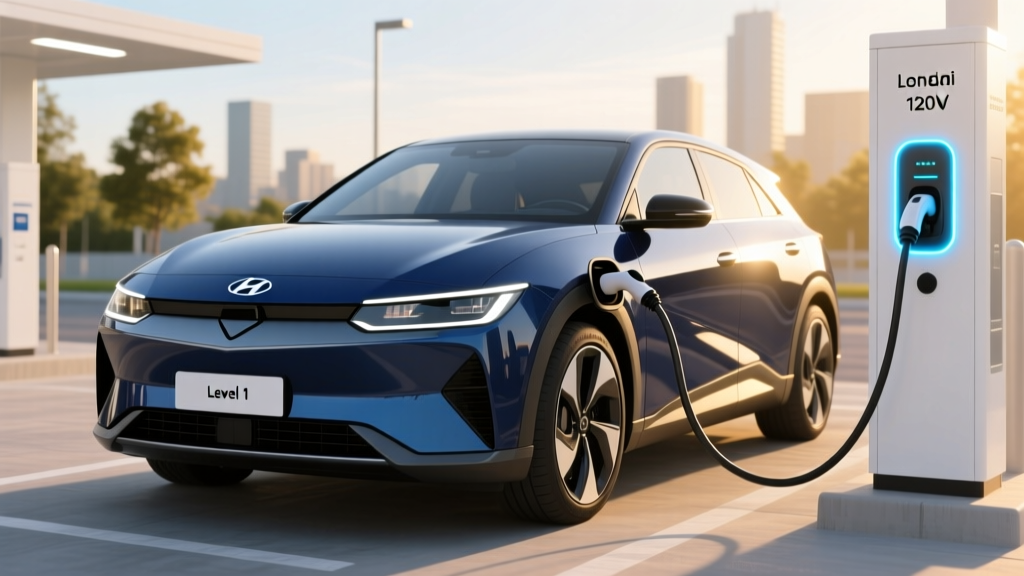
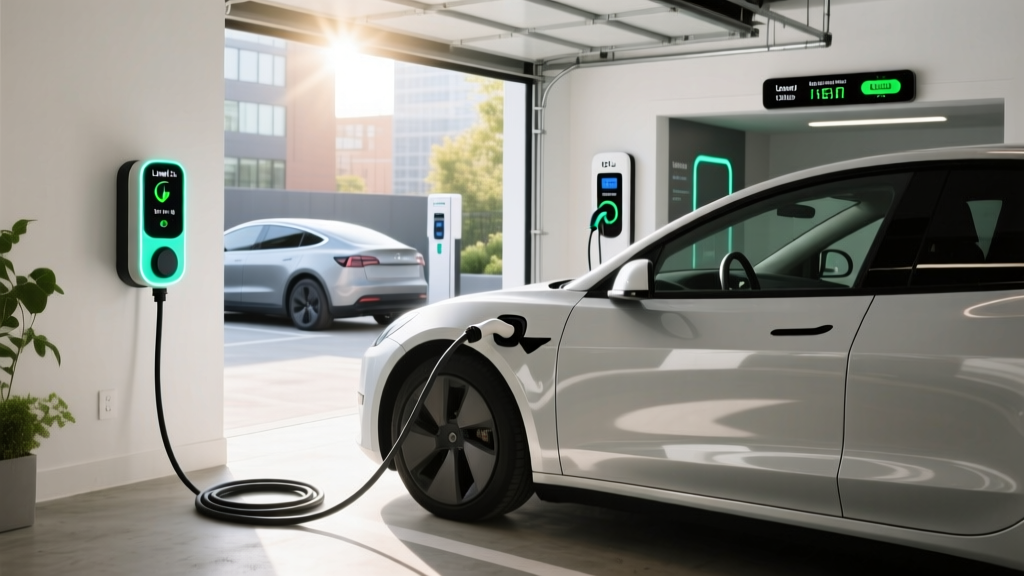
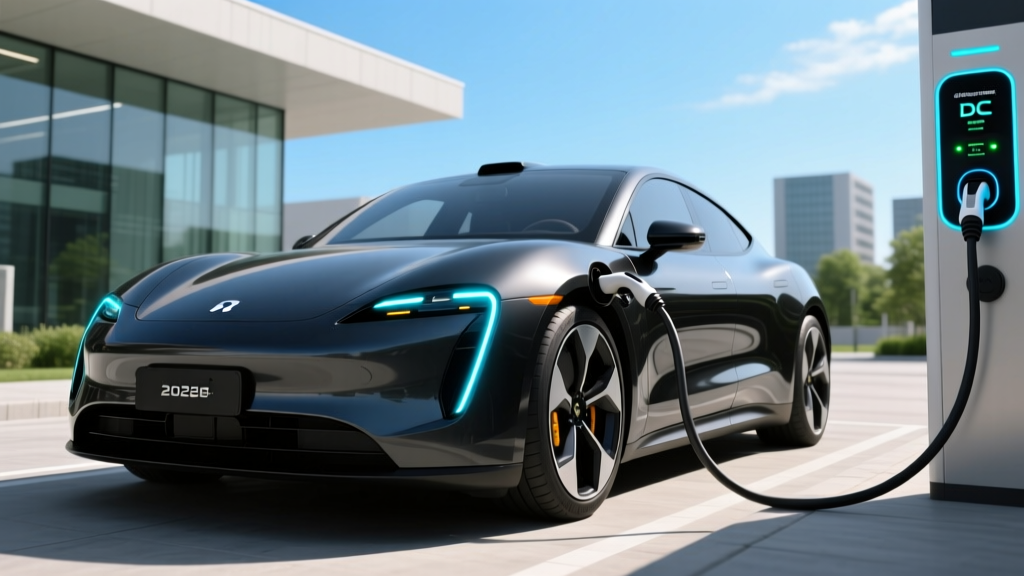
Charging Levels Explained: Speed, Power, and What You Actually Get
The most common mistake new EV buyers make is confusing kW (kilowatts — the rate of power delivery, like water pressure from a hose) with kWh (kilowatt-hours — the total energy stored in your battery, like the size of the bucket). A 48-amp Level 2 charger delivering 11.5 kW will fill a 75 kWh battery in roughly 6.5 hours from empty. A 350 kW DC fast charger can push that same battery from 10–80% in about 18 minutes, though the charge curve tapers significantly above 80% to protect battery chemistry.
| Level | Voltage | Power (kW) | Miles of Range Added Per Hour | Typical Use Case |
|---|---|---|---|---|
| Level 1 | 120V AC | 1.0–1.4 kW | 3–5 mi/hr | Overnight top-up; PHEVs; emergency backup |
| Level 2 (Home) | 240V AC | 3.3–19.2 kW | 12–75 mi/hr | Daily home charging; workplace charging |
| DC Fast Charging | 400–800V DC | 50–350+ kW | 150–1,000+ mi/hr (peak) | Road trips; highway corridors; 10–80% top-ups |
For most EV owners with a 250–350 mile EPA range, a Level 2 home charger delivering 7.7–11.5 kW (32–48 amps) replenishes a full day's driving in 1–3 hours. That means you plug in at night and wake up with a full battery every morning — no detours, no waiting.
- Tesla Model Y (75 kWh usable, NMC): ~6.5 hrs at 11.5 kW (48A Level 2); ~18 min at a 250 kW Supercharger (peak, tapering above 50%)
- Hyundai Ioniq 5 (77.4 kWh usable, NMC): ~7 hrs at 11.5 kW; ~18 min at 350 kW DCFC (800V architecture sustains higher power longer)
- Ford F-150 Lightning Extended Range (131 kWh usable, NMC): ~11.5 hrs at 11.5 kW; ~40 min at 150 kW DCFC
- Chevrolet Equinox EV (85 kWh usable, NMC): ~7.5 hrs at 11.5 kW; ~25 min at 150 kW DCFC
Which Connector and Charger Models Fit Your EV?
The connector landscape shifted dramatically between 2023 and 2026. Tesla's North American Charging Standard (NACS) has been adopted by Ford, GM, Rivian, Hyundai, Kia, and most major automakers for new models. Legacy CCS1 vehicles still populate the roads, and Nissan Leaf owners remain on CHAdeMO. Here's how compatibility breaks down by brand for 2026 model-year vehicles:
| Connector | Brands Using It (2026 MY) | Adapter Needed? |
|---|---|---|
| NACS (Tesla) | Tesla, Ford, GM, Rivian, Hyundai, Kia, Volvo, Polestar, Fisker | None for new models; CCS vehicles need CCS-to-NACS adapter (~$200–$250) |
| CCS1 | VW ID.4, BMW i4/iX (legacy), older Hyundai/Kia models, Stellantis | NACS-to-CCS adapter available for Tesla Supercharger access |
| CHAdeMO | Nissan Leaf (discontinued after 2025 MY but common used) | No practical adapter to NACS/CCS; limited future DCFC access |
If you're buying a charger model for home use in 2026, NACS-native hardware is the safest long-term bet for new EV purchases. If you currently own a CCS vehicle but plan to switch to a NACS model within a few years, look for charger models with swappable connector heads or invest in a quality adapter.
Home Installation: Electrical Requirements, Panel Upgrades, and Real Costs
The sticker price of a charger is only part of the equation. Installation costs vary wildly depending on your home's electrical panel capacity, the distance from the panel to your garage or driveway, and local permitting requirements. Here's the honest breakdown.
Electrical Requirements for Level 2 Charging
A typical 48-amp Level 2 charger requires a dedicated 240V/60A circuit (the National Electrical Code requires circuits be rated at 125% of the continuous load, so 48A × 1.25 = 60A). A 32-amp unit needs a 240V/40A circuit. Hardwired installations are preferred for 48A+ units; plug-in units use a NEMA 14-50 outlet on a 50A breaker.
Your home's electrical panel must have enough spare capacity to handle the new circuit. Most modern 200A panels can accommodate a 60A EV circuit without issue. Older homes with 100A service — common in houses built before 1990 — will almost certainly need a panel upgrade to 200A, which is the single biggest cost variable in EV charger installation.
| Component | Simple Install (Panel Adjacent) | Complex Install (Long Run / Panel Upgrade) |
|---|---|---|
| Level 2 Charger (Equipment) | $250–$700 | $250–$700 |
| Electrician Labor (2–4 hrs standard) | $400–$1,200 | $1,500–$4,000 |
| Electrical Permit | $50–$200 | $50–$350 |
| Panel Upgrade (100A → 200A, if needed) | N/A | $1,500–$3,500 |
| Conduit, Wire, Mounting Hardware | $50–$200 | $300–$800 |
| Total Estimated Cost | $750–$2,300 | $3,600–$9,350 |
According to data compiled by the U.S. Department of Energy's Alternative Fuels Data Center, the national median for a straightforward Level 2 home installation (no panel upgrade, short wire run) falls between $1,000 and $2,500 all-in. Homes requiring a panel upgrade should budget $3,500–$6,000 total, with the high end reflecting older homes with long conduit runs through finished walls.
Smart Load Management: Avoiding the Panel Upgrade
Several 2026 charger models offer dynamic load management — a feature that monitors your home's total electrical draw in real time and reduces charging power when other appliances are running. The Emporia Level 2 Smart Charger and the Tesla Universal Wall Connector both support this via a CT clamp installed on your main service line. This can allow a 48A charger to run safely on a panel that would otherwise need an upgrade, potentially saving $2,000–$3,500.
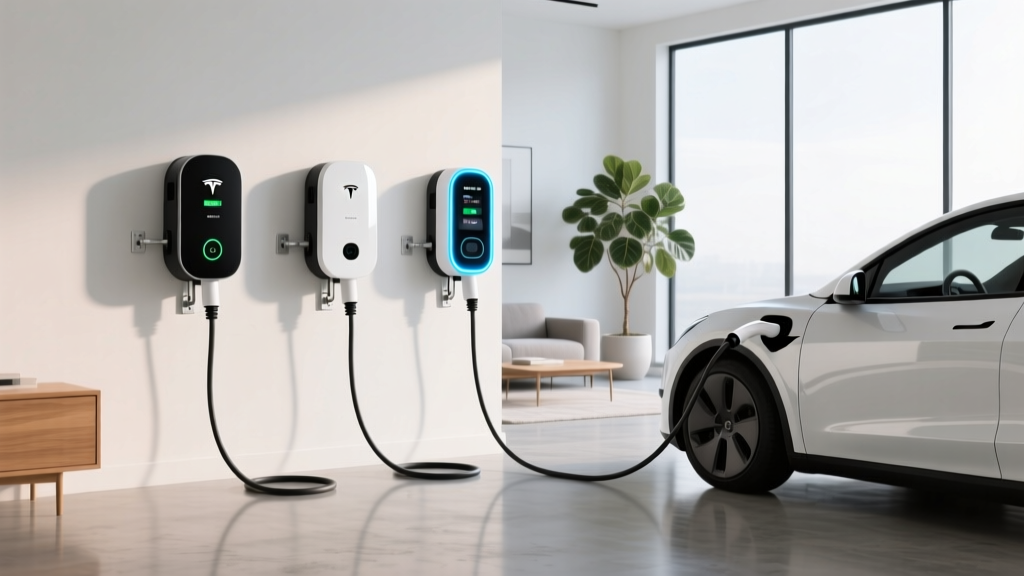
Top Charger Models for 2026: Specs, Features, and Pricing
Below are the Level 2 charger models we recommend based on power output, build quality, smart features, connector options, and real-world reliability. Prices reflect MSRP as of early 2026.
Emporia Level 2 Smart Charger
- Power: 48A / 11.5 kW (240V hardwired)
- Connector: NACS (J3400) native; J1772 adapter included
- Cable Length: 24 ft
- Smart Features: Real-time energy monitoring, solar integration, load management, scheduling via app
- Outdoor Rating: NEMA 4 (rain/splash resistant)
- Price: ~$399
- Best For: Budget-conscious buyers wanting full smart features and load balancing
ChargePoint Home Flex (2nd Gen)
- Power: Configurable 16–50A / up to 12 kW (240V)
- Connector: NACS or J1772 (configurable at purchase)
- Cable Length: 23 ft
- Smart Features: Alexa integration, charge scheduling, usage reports, utility demand-response programs
- Outdoor Rating: NEMA 4
- Price: ~$549–$649
- Best For: Buyers wanting flexible amperage and utility program compatibility
Tesla Universal Wall Connector
- Power: 48A / 11.5 kW (240V hardwired)
- Connector: NACS with integrated J1772 adapter (Magic Dock style)
- Cable Length: 24 ft
- Smart Features: Wi-Fi updates, load sharing between multiple units, power adjustment for panel capacity
- Outdoor Rating: NEMA 4
- Price: ~$599
- Best For: Multi-EV households with both Tesla and non-Tesla vehicles
Grizzl-E Smart (United Chargers)
- Power: 40A / 9.6 kW (240V, hardwired or NEMA 14-50)
- Connector: J1772 (NACS adapter sold separately)
- Cable Length: 24 ft
- Smart Features: OCPP-compatible, adjustable amperage (16–40A), extreme cold rated to -40°F
- Outdoor Rating: NEMA 4X (full weatherproof)
- Price: ~$499
- Best For: Cold-climate owners and outdoor/driveway installations
For most buyers, the Emporia Level 2 Smart Charger offers the best value at $399 with full smart features and load management. If you need the flexibility to adjust amperage to match your panel capacity, the ChargePoint Home Flex is the most configurable option. Tesla owners (and households with mixed fleets) should consider the Universal Wall Connector for its integrated adapter design.
Charging Cost Per Mile: Home Electricity vs. Public Charging vs. Gasoline
The economic case for home charging is overwhelming — but public DC fast charging narrows the gap considerably. Here's how costs compare across scenarios for a typical mid-size EV consuming 30 kWh per 100 miles (roughly the efficiency of a Tesla Model Y or Hyundai Ioniq 5):
| Scenario | Rate | Cost per kWh | Cost per Mile (at 30 kWh/100mi) |
|---|---|---|---|
| Home Off-Peak (utility TOU rate) | $0.08–$0.14/kWh | $0.11 avg | $0.033 |
| Home Standard Rate | $0.12–$0.20/kWh | $0.16 avg | $0.048 |
| Public Level 2 (ChargePoint, EVgo) | $0.25–$0.49/kWh | $0.37 avg | $0.111 |
| DC Fast Charging (EA, Tesla, EVgo) | $0.35–$0.65/kWh | $0.48 avg | $0.144 |
| Gasoline (28 MPG combined, $3.40/gal) | — | — | $0.121 |
At home off-peak rates, an EV costs roughly $0.03–$0.05 per mile to fuel — about one-quarter the cost of gasoline. Even at standard residential rates, you're paying less than half what a 28 MPG gas car costs per mile. The savings compound: a driver covering 12,000 miles annually saves $1,000–$1,400 per year by charging at home versus buying gasoline, according to fueleconomy.gov comparisons.
However, if you rely exclusively on public DC fast charging at $0.48/kWh, your cost per mile actually exceeds gasoline. This is why home charging access is the make-or-break factor in EV ownership economics. Apartment dwellers without charging access should seriously consider a PHEV instead.
Safety, Electrical Code, and Installation Best Practices
EV charging places a sustained, high-amperage load on your home's electrical system for hours at a time — unlike a dryer or oven that cycles on and off. This makes proper installation critical for fire safety.
- Dedicated circuit: Your Level 2 charger must have its own dedicated circuit with no other outlets or appliances sharing it. This is a National Electrical Code (NEC Article 625) requirement.
- GFCI protection: The 2023 NEC update requires GFCI (ground-fault circuit interrupter) protection for all EV charging outlets. Hardwired installations are exempt in many jurisdictions, which is one reason electricians often recommend hardwiring over plug-in setups.
- Outdoor rating: If your charger is installed outdoors or in an unsealed garage, it must carry at minimum a NEMA 4 rating (splash and rain resistant). NEMA 4X adds corrosion resistance for coastal or high-humidity environments.
- Wire gauge: A 60A circuit requires 6 AWG copper wire (or 4 AWG aluminum). Undersized wire creates a fire hazard under sustained load. Your electrician will size this correctly — but verify it on the permit paperwork.
- Permit and inspection: Every jurisdiction requires an electrical permit for a new 240V circuit. The inspection ensures the breaker, wire gauge, and grounding meet code. Skipping the permit voids homeowner's insurance coverage for any related electrical fire.
Always hire a licensed electrician — not a general handyman — for EV charger installation. The National Fire Protection Association maintains the NEC standards that govern these installations, and local inspectors will verify compliance.
Frequently Asked Questions
How much does it cost to install a home EV charger?
A straightforward Level 2 installation (200A panel, short wire run, no upgrades) typically costs $750–$2,300 total, including the charger unit, electrician labor, wire, and permit. If your home needs a panel upgrade from 100A to 200A service, total costs rise to $3,600–$9,350. Get at least two quotes from licensed electricians before committing.
How fast will each charging level add range?
Level 1 (120V) adds 3–5 miles of range per hour — adequate for PHEVs with small batteries but impractical for a full BEV. Level 2 (240V, 48A) adds 30–45 miles per hour depending on vehicle efficiency, easily replenishing a full day's driving overnight. DC fast charging adds 150–1,000+ miles per hour at peak power, though the charge curve tapers significantly above 80% State of Charge.
Which connector and charger is compatible with my EV?
For 2026 model-year vehicles, most new EVs from Tesla, Ford, GM, Hyundai, Kia, and Rivian use the NACS (J3400) connector. Older CCS1 vehicles (VW ID.4, some BMWs) can use NACS chargers with a $200–$250 adapter. Nissan Leaf owners are on CHAdeMO, which has no practical adapter path. When buying a home charger model, match the connector to your current vehicle — or buy NACS-native if you plan to switch brands soon.
How much does charging cost per mile versus gas?
Home off-peak charging costs roughly $0.03–$0.05 per mile, compared to $0.12 per mile for a 28 MPG gasoline car at $3.40/gallon. That's a savings of $1,000–$1,400 per year for a driver covering 12,000 miles. Public DC fast charging at $0.35–$0.65/kWh costs roughly $0.14 per mile — slightly more than gasoline — which is why home charging access is essential for EV economics.
What electrical upgrades might I need?
Homes with a 200A electrical panel and available breaker slots typically need no upgrades beyond the dedicated 240V circuit. Homes with 100A service (common in pre-1990 construction) will likely need a panel upgrade to 200A, costing $1,500–$3,500. An alternative is a smart charger with dynamic load management, which throttles charging power when household demand is high, potentially avoiding the panel upgrade entirely. Your electrician will perform a load calculation to determine what your panel can support.
Can I use a dryer outlet (NEMA 14-50) for EV charging?
Yes, but with caveats. A NEMA 14-50 outlet on a 50A breaker supports up to 40A continuous charging (9.6 kW). However, older dryer outlets may have degraded connections, shared neutrals, or inadequate grounding. Have your electrician inspect and, ideally, replace the receptacle with an EV-rated industrial-grade unit (such as a Hubbell or Bryant 9450) designed for daily plug/unplug cycles. Never use an extension cord or splitter with a NEMA 14-50 outlet.