The average range for electric cars sold in the U.S. for the 2025–2026 model years sits between 250 and 330 miles on the EPA combined cycle, with efficiency leaders like the Lucid Air Grand Touring reaching 516 miles and affordable entries like the Nissan Leaf S checking in at 149 miles. But range is only half the ownership equation. What matters just as much is how quickly and cheaply you can put those miles back into the battery.
This guide breaks down the three charging levels, real-world installation costs, connector compatibility across brands, and the per-mile economics of charging versus gasoline — so you can plan not just how far you can drive, but how you'll recharge.
What Is the Average Range for Electric Cars in 2025–2026?
Based on EPA data at fueleconomy.gov, the median EPA-estimated range for new battery-electric vehicles is approximately 275 miles. However, that sticker number rarely reflects real-world driving. Here's what to expect:
- EPA combined: ~275 mi (median new BEV)
- Highway (70–80 mph): expect 15–25% reduction (~210–235 mi)
- Cold weather (below 30°F): expect 20–40% reduction (~165–220 mi)
- Mixed real-world: plan trips around ~80% of EPA to stay safe
Vehicles with heat pumps (Tesla Model Y, Hyundai Ioniq 5, BMW iX) lose less range in cold weather than those relying on resistive cabin heaters. Battery chemistry also matters: LFP (lithium iron phosphate) packs, used in the Tesla Model 3 RWD and some Ford Mustang Mach-E trims, tolerate frequent 100% charging better than NMC chemistries, which benefit from daily limits around 80%.
Charging Levels Explained: Speeds, kW, and Miles Per Hour
A critical distinction every EV owner must learn: kW (kilowatts) measures power — how fast energy flows into the car. kWh (kilowatt-hours) measures energy — how much the battery holds. A 75 kWh battery charged at 7 kW takes roughly 10+ hours from empty. The same battery at 150 kW DC fast charging can reach 80% in about 25–30 minutes.
| Level | Voltage / Amps | Power (kW) | Miles Added per Hour | Best For |
|---|---|---|---|---|
| Level 1 | 120V / 12A | ~1.4 kW | 3–5 mi/hr | Overnight top-offs, PHEVs |
| Level 2 (home) | 240V / 32–48A | 7.7–11.5 kW | 25–44 mi/hr | Daily home charging |
| Level 2 (public) | 208–240V / up to 80A | up to 19.2 kW | 44–60 mi/hr | Workplace, destination |
| DC Fast Charge | 400–800V DC | 50–350 kW | 150–1,000+ mi/hr* | Road trips, quick stops |
*Miles per hour at DC fast charging is highly variable; peak rates apply only between ~10–50% State of Charge before the charge curve tapers significantly above 80%.
Real-World Charging Time Examples (10–80% SoC)
| Vehicle | Battery (kWh) | Peak DC kW | 10–80% Time | Level 2 (11.5 kW) 0–100% |
|---|---|---|---|---|
| Tesla Model Y Long Range | ~75 kWh (NMC) | 250 kW | ~25 min | ~7.5 hours |
| Hyundai Ioniq 5 (800V) | 77.4 kWh (NMC) | 233 kW | ~18 min | ~7.8 hours |
| Ford F-150 Lightning Ext. | 131 kWh (NMC) | 150 kW | ~42 min | ~12.5 hours |
| Chevrolet Equinox EV | ~85 kWh (NMC) | 150 kW | ~30 min | ~8.5 hours |
| Tesla Model 3 RWD (LFP) | ~60 kWh (LFP) | 170 kW | ~25 min | ~6 hours |
Remember: manufacturers advertise peak kW, but the sustained average is lower. A vehicle peaking at 250 kW may average 130–150 kW across the full 10–80% session. That's why the Hyundai Ioniq 5's 800-volt architecture, which sustains higher power longer, often beats vehicles with higher peak numbers on paper.
Home Charger Installation: Costs, Electrical Requirements, and Panel Upgrades
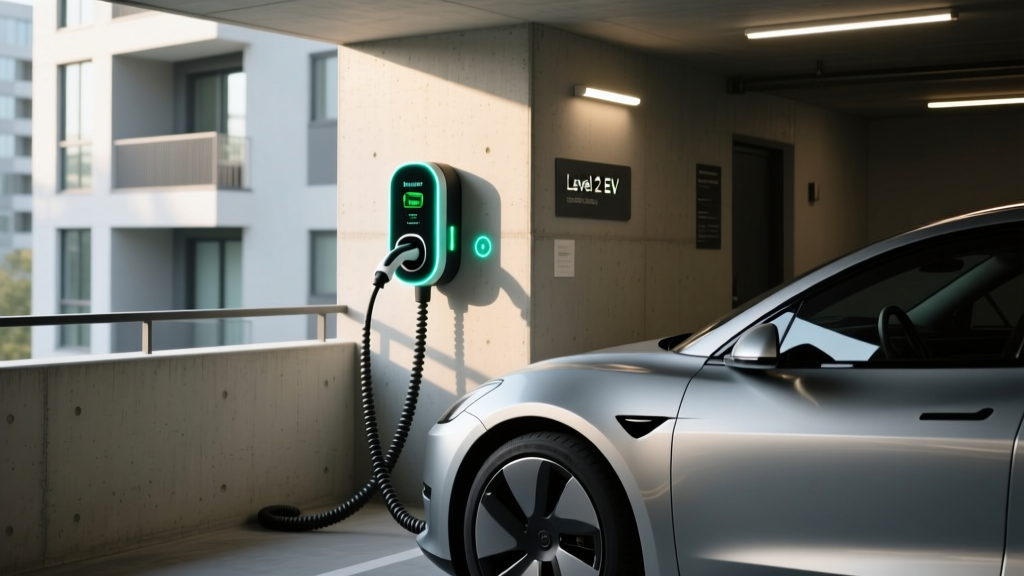
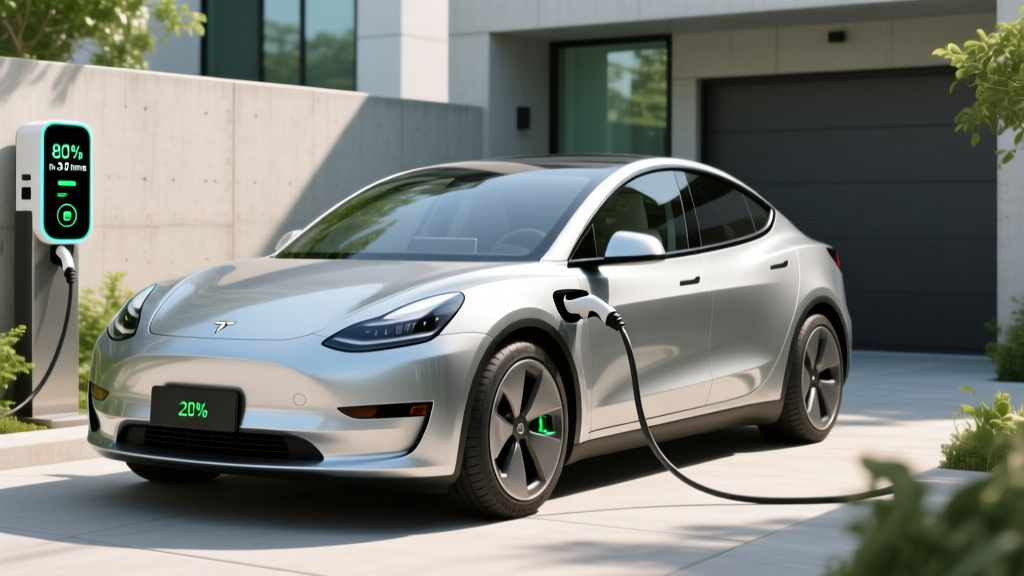
Installing a Level 2 home charger is the single biggest ownership upgrade most EV buyers make. Expect to run a dedicated 240V circuit, typically 40A or 60A, to a NEMA 14-50 outlet or a hardwired wall unit.
Electrical Requirements
- Circuit: dedicated 40A or 60A breaker (240V)
- Wire gauge: 6 AWG copper for 40A; 4 AWG for 60A (THHN in conduit)
- Continuous load rule: NEC requires the circuit to be rated 125% of the charger's max draw — so a 48A charger needs a 60A breaker
- GFCI: NEC 2020+ requires GFCI protection for NEMA 14-50 outlets; hardwired chargers are exempt
- Outdoor rating: NEMA 4 enclosure required for outdoor installations
Installation Cost Breakdown
| Component | Typical Cost Range | Notes |
|---|---|---|
| Level 2 charger (hardware) | $400–$800 | Smart WiFi units cost more |
| Electrician labor | $600–$2,500 | Depends on run length from panel |
| Permit & inspection | $50–$300 | Required in most jurisdictions |
| Panel upgrade (if needed) | $1,500–$4,000 | Common for 100A service homes |
| Total (no panel upgrade) | $1,050–$3,600 | Most typical installs |
| Total (with 200A panel upgrade) | $2,550–$7,600 | Older homes, high-draw setups |
Connector Compatibility: NACS, CCS1, CHAdeMO, and Adapters
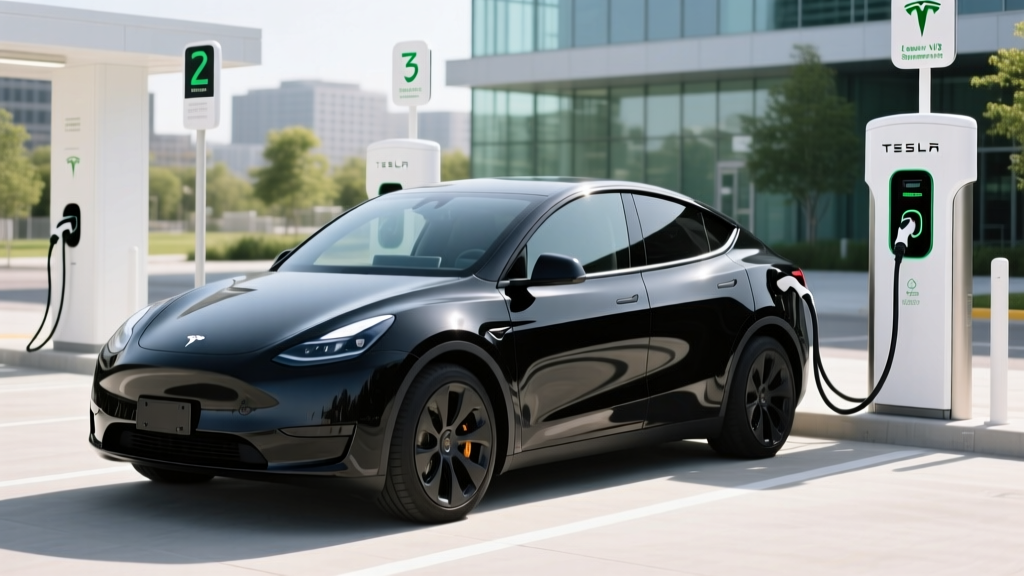
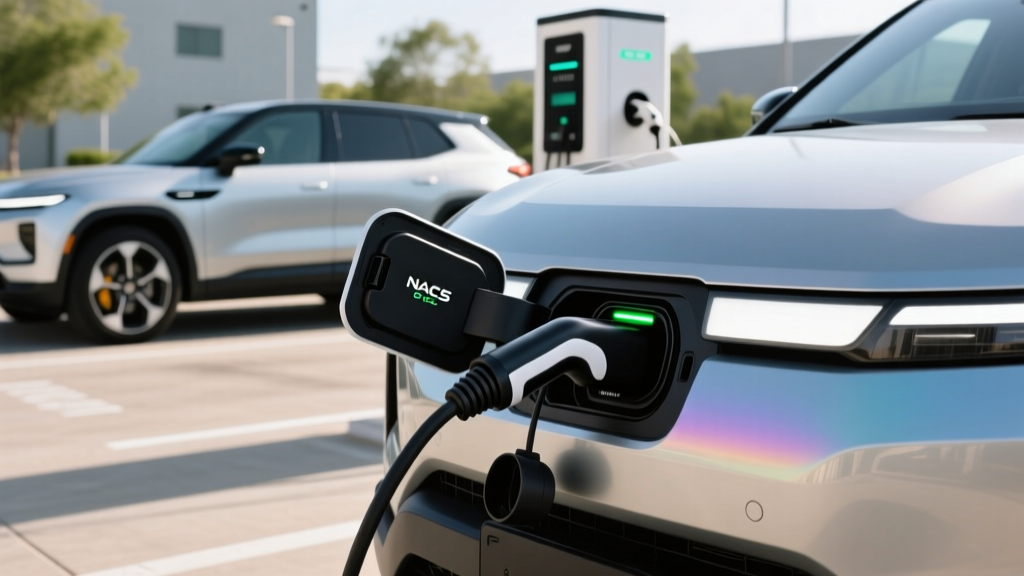
The North American Charging Standard (NACS), originally developed by Tesla, has become the dominant connector for new EVs starting with the 2025 model year. Ford, GM, Rivian, Volvo, Polestar, Mercedes-Benz, BMW, Hyundai, Kia, and others now ship with NACS ports or include CCS1-to-NACS adapters.
| Connector | Brands Using It (2025–2026) | DC Fast Network Access | Adapter Needed? |
|---|---|---|---|
| NACS (Tesla) | Tesla, Ford, GM, Rivian, Volvo, Polestar, Hyundai/Kia (2025+) | Tesla Supercharger, Electrify America (NACS stalls), EVgo | CCS1→NACS adapter (~$200–$300) for legacy CCS vehicles |
| CCS1 | VW ID.4 (older), legacy BMW i4/iX, older Hyundai/Kia | Electrify America, EVgo, ChargePoint | NACS→CCS1 adapter for Supercharger access |
| CHAdeMO | Nissan Leaf (discontinued 2025), Mitsubishi Outlander PHEV | Limited; mostly legacy stations | CHAdeMO→NACS adapters rare and expensive |
For home Level 2 charging, all EVs use the J1772 connector (or a Tesla Mobile Connector with J1772 adapter). Most modern Level 2 home chargers ship with either a J1772 plug (for non-Tesla EVs) or NACS, and adapters are widely available.
Cost to Charge: Per-Mile Economics vs. Gasoline
The economics of EV charging depend heavily on where and when you plug in. Here's a realistic breakdown using an average EV efficiency of 3.5 miles per kWh (roughly 28.5 kWh/100mi, typical of a Model Y or Ioniq 5):
| Scenario | $/kWh | Cost per Mile | Cost to "Fill" 275 mi Range |
|---|---|---|---|
| Home off-peak (utility TOU rate) | $0.08–$0.14 | $0.023–$0.04 | $6.20–$11.00 |
| Home standard rate | $0.16–$0.22 | $0.046–$0.063 | $12.65–$17.30 |
| Public Level 2 (workplace/retail) | $0.20–$0.40 | $0.057–$0.114 | $15.70–$31.35 |
| DC Fast Charging (EA, EVgo) | $0.35–$0.55 | $0.10–$0.157 | $27.50–$43.20 |
| Tesla Supercharger (avg.) | $0.28–$0.40 | $0.08–$0.114 | $22.00–$31.35 |
Gas comparison: A comparable gas SUV averaging 25 MPG at $3.50/gallon costs $0.14 per mile, or $38.50 to cover 275 miles. Home-charged EVs typically cost one-third to one-half as much per mile. Even exclusive DC fast charging is cost-competitive with gasoline at current prices.
Maximize savings by enrolling in your utility's time-of-use (TOU) plan and scheduling charging between 10 PM and 6 AM when rates are lowest. Some utilities offer EV-specific rates below $0.08/kWh overnight.
Equipment Recommendations: Best Home Level 2 Chargers
Based on real-world testing, reliability, and smart features, these are the top home Level 2 chargers for 2025–2026:
Tesla Wall Connector (Gen 4)
- Power: up to 11.5 kW (48A on 60A circuit)
- Connector: NACS native; J1772 adapter included
- Cable length: 24 ft
- Smart features: WiFi, OTA updates, load sharing between multiple units, Tesla app scheduling
- Price: ~$475
- Best for: Tesla owners and NACS-equipped Ford/GM/Rivian vehicles
ChargePoint Home Flex (2nd Gen)
- Power: adjustable 16A–50A (up to 12 kW on 60A circuit)
- Connector: J1772 (NACS adapter available)
- Cable length: 23 ft
- Smart features: WiFi, Alexa, detailed app with energy tracking, flexible amperage to match circuit
- Price: ~$550–$700
- Best for: Non-Tesla EVs, homes with limited circuit capacity (adjustable amperage)
Emporia Level 2 EV Charger
- Power: up to 11.5 kW (48A)
- Connector: J1772
- Cable length: 24 ft
- Smart features: WiFi, solar integration, real-time energy monitoring, load management with Emporia Vue panel monitor
- Price: ~$400
- Best for: Budget-conscious buyers, solar homes, panel-load monitoring
Grizzl-E Smart (United Chargers)
- Power: up to 10 kW (40A)
- Connector: J1772
- Cable length: 24 ft
- Smart features: OCPP-compatible, works with third-party apps, robust aluminum enclosure
- Price: ~$500
- Best for: Cold-climate durability, outdoor installs (NEMA 4 rated)
Safety, Permits, and Code Considerations
EV charging is a high-draw, continuous electrical load. Cutting corners risks fire, voided insurance, and failed home inspections. Follow these non-negotiable rules:
- Dedicated circuit: your EV charger must have its own breaker — never share with a dryer, oven, or HVAC
- Permit required: most jurisdictions require an electrical permit and inspection for new 240V circuits; skipping this can void home insurance
- Hardwired vs. outlet: hardwired chargers avoid the NEC GFCI nuisance-trip problem common with NEMA 14-50 outlets
- Outdoor rating: if mounted outside, both the charger and any outlet must carry a NEMA 4 (weatherproof) rating
- Load management: if your panel is near capacity, consider a smart load-management device (e.g., Emporia Vue + charger integration) that throttles charging when other appliances draw power
- Use a licensed electrician: DIY 240V work is dangerous and often violates code. Always hire a licensed professional and pull a permit
Frequently Asked Questions
How much does it cost to install a home EV charger?
A typical Level 2 home charger installation costs $1,050–$3,600 including hardware ($400–$800), electrician labor ($600–$2,500), and permits ($50–$300). If your home needs a 200A panel upgrade, add $1,500–$4,000. Always get multiple quotes from licensed electricians.
How fast will each charging level add range?
Level 1 (120V) adds 3–5 miles per hour. Level 2 (240V, 48A) adds 30–44 miles per hour, fully replenishing the average EV range overnight. DC fast charging at 150–250 kW can add 150–250 miles in 15–30 minutes, though charge speed tapers significantly above 80% State of Charge.
Which connector or charger is compatible with my EV?
For 2025–2026 models: Tesla, Ford, GM, Rivian, Volvo, and Polestar use NACS. Older VW, BMW, and Hyundai/Kia models use CCS1. The Nissan Leaf used CHAdeMO (discontinued). For home Level 2, all non-Tesla EVs use J1772; Tesla provides a J1772 adapter. Check your vehicle's charge port or owner's manual before buying a charger.
How much does charging cost per mile compared to gas?
Home charging at off-peak rates costs $0.02–$0.04 per mile — roughly one-quarter to one-third the cost of gasoline at $3.50/gallon and 25 MPG ($0.14/mile). Even DC fast charging at $0.35–$0.55/kWh costs $0.10–$0.16 per mile, which is competitive with gasoline.
What electrical upgrades might I need?
Homes with 100A or 150A electrical service may need a panel upgrade to 200A to safely support a 48A or 60A EV circuit alongside existing appliances. Older homes with aluminum wiring, insufficient grounding, or panels near capacity are the most common candidates. A licensed electrician can perform a load calculation to determine whether an upgrade is necessary.
Does the federal tax credit cover home charger installation?
The IRS Residential Clean Energy Credit covers 30% of home EV charger equipment and installation costs, up to $1,000. This is separate from the §30D new-vehicle tax credit. Eligibility depends on your tax liability and whether the charger is installed at your primary residence. Consult a tax professional for your specific situation.
Understanding the average range for electric cars is only useful if you know how to replenish it. Most EV owners quickly learn that a well-installed Level 2 home charger eliminates daily range concerns entirely — you wake up every morning with a full battery at a fraction of the cost of gas. For road trips, a DC fast charging network using NACS or CCS1 will restore 200+ miles in the time it takes to grab lunch. Plan your charging infrastructure around your driving habits, and range becomes a solved problem.