Understanding the Audi A7 Electrified Lineup: What You Can Actually Plug In
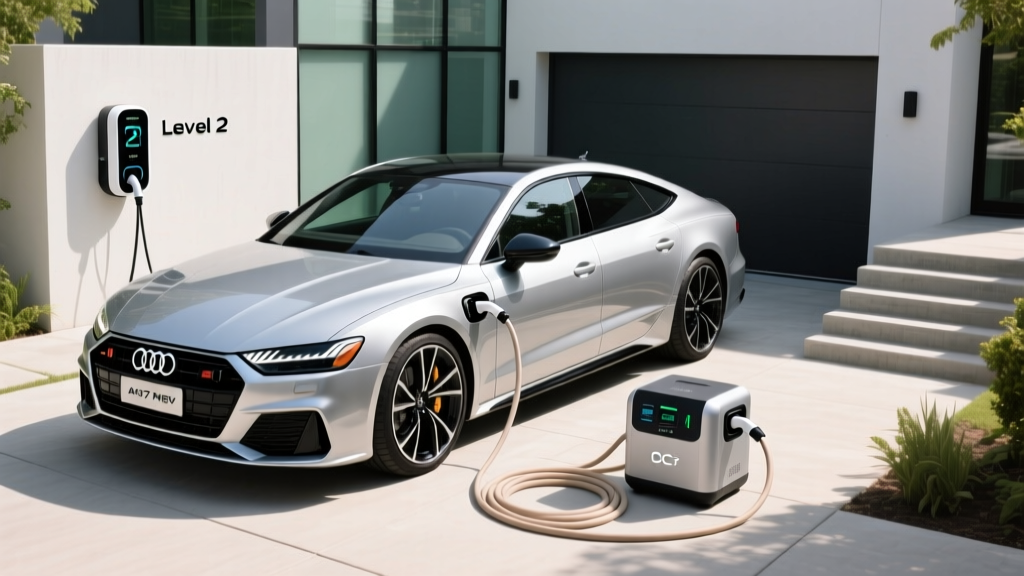
If you've been searching for information on an a7 supercharged audi and how to charge it, you're likely looking at one of two vehicles: the Audi A7 55 TFSI e plug-in hybrid (PHEV), which pairs a turbocharged 2.0L four-cylinder with an electric motor and a usable battery, or you may be thinking of the older supercharged 3.0T V6 A7s (2012–2018 model years), which are mild hybrids at best and cannot be plugged in at all. This guide focuses on the A7 TFSI e PHEV — the only A7 variant that actually charges from a wall outlet — while clarifying what supercharged A7 owners need to know about their conventional powertrains.
The current-generation Audi A7 55 TFSI e quattro (2024–2026 model years sold in global markets, with US availability varying by year) carries a 17.9 kWh battery pack (total capacity; approximately 14.4 kWh usable) and a 141-hp electric motor integrated into the 7-speed S tronic transmission. Combined system output is 362 hp and 369 lb-ft of torque, with an EPA-estimated all-electric range of approximately 37 miles for the most recent US-spec model years. Real-world electric-only range on the highway or in cold weather drops to roughly 28–32 miles.
Audi A7 55 TFSI e — Key Charging Specs
| Battery (usable) | 14.4 kWh |
| Max AC Charge Rate | 7.2 kW (Level 2) |
| DC Fast Charging | Not supported |
| Connector Type | J1772 (Level 1/2) |
| Level 1 (120V) 0–100% | ~10–12 hours |
| Level 2 (240V) 0–100% | ~2.5 hours at 7.2 kW |
| EPA Electric Range | ~37 miles (real-world ~28–32 mi highway/cold) |
| Combined MPG (hybrid mode) | ~29 MPG combined (gas+electric blended) |
| Battery Warranty | 8 years / 100,000 miles (hybrid components) |
Critical note for supercharged A7 owners (3.0T V6, 2012–2018): These vehicles use a belt-driven alternator-starter and a small 48V or 12V system for start-stop functionality. They cannot be plugged in to charge. The "supercharged" designation refers to the Eaton TVS supercharger on the 3.0L V6, not an electric charging system. All charging guidance below applies only to the TFSI e plug-in hybrid.
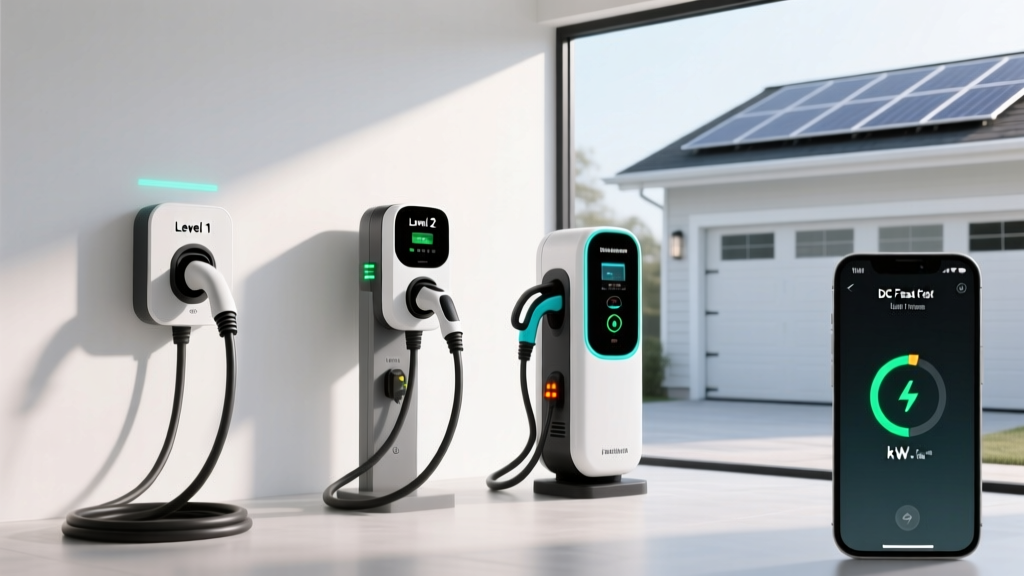
Charging Levels Explained: Speeds in kW and Miles Added Per Hour
The single most important distinction in EV and PHEV charging is kW (kilowatts) = power (the rate of charging) versus kWh (kilowatt-hours) = energy (the battery capacity). Think of kW as the width of a hose and kWh as the size of the bucket. The A7 TFSI e's bucket is 14.4 kWh usable, and the widest hose it can accept is 7.2 kW on Level 2 AC power.
| Level | Voltage | Max Power (kW) | Miles of Range Added/Hour | A7 TFSI e Full Charge Time |
|---|---|---|---|---|
| Level 1 (Standard outlet) | 120V | 1.4–1.9 kW | ~3–5 miles/hr | ~10–12 hours (0–100%) |
| Level 2 (Home/Public AC) | 240V | Up to 7.2 kW (A7 max) | ~18–22 miles/hr | ~2.5 hours (0–100%) |
| DC Fast Charging | 400V+ | 50–350 kW | 150–500+ miles/hr | Not supported on A7 PHEV |
Because the A7 TFSI e is a PHEV with a relatively small battery, DC fast charging was never part of the design. Audi reserved DC fast-charging capability (CCS1 connectors accepting 50–150 kW) for its full BEV lineup: the Q4 e-tron, Q8 e-tron, and e-tron GT. For the A7 PHEV, Level 2 home charging is the primary refueling method, and a 2.5-hour top-up is fast enough to fully recharge overnight or during a work day.
Home Charger Installation: Electrical Requirements, Costs, and Panel Upgrades
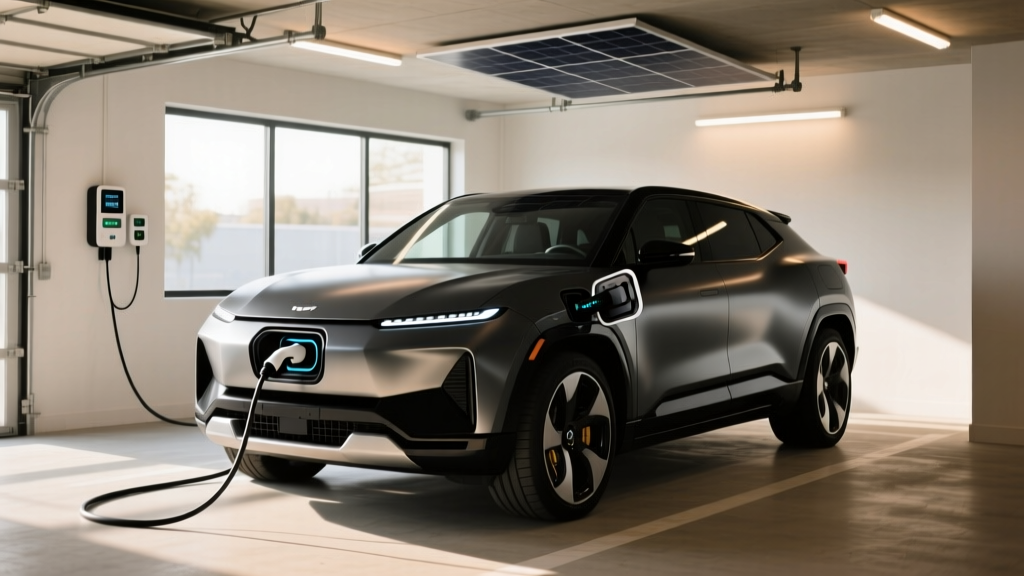
Installing a Level 2 home charger for your A7 TFSI e is one of the highest-ROI upgrades you can make as a PHEV owner. Because the A7 maxes out at 7.2 kW, you do not need the most powerful (or expensive) charger on the market — a 32-amp or 40-amp circuit delivering 7.7 to 9.6 kW is more than sufficient and provides headroom for future vehicles.
Electrical Requirements
- Circuit: Dedicated 40-amp, 240V circuit (NEMA 14-50 outlet or hardwired)
- Wire gauge: 6 AWG copper for a 50-amp breaker; 8 AWG for 40-amp
- Breaker: 50-amp double-pole breaker (for NEMA 14-50) or 40-amp (hardwired 32A charger)
- GFCI protection: Required by NEC 2020+ for EV outlets in garages; most hardwired chargers have built-in GFCI
- Outdoor rating: If mounting outside, the charger must carry a NEMA 4 or IP65 weather rating
Installation Cost Breakdown
| Component | Low-End Estimate | High-End Estimate | Notes |
|---|---|---|---|
| Level 2 Charger (hardware) | $350 | $750 | 32A–48A smart charger |
| Electrician labor (standard install) | $500 | $1,500 | Short run from panel to garage |
| Permit & inspection | $50 | $250 | Varies by municipality |
| Electrical panel upgrade (if needed) | $1,500 | $4,000 | 100A → 200A service upgrade |
| Total (no panel upgrade) | $900 | $2,500 | Most common scenario |
| Total (with panel upgrade) | $2,400 | $6,500 | Older homes with 100A service |
The panel upgrade question matters. If your home has a 100-amp main panel (common in homes built before 1990), adding a 40–50 amp dedicated EV circuit may push total load past safe capacity. A licensed electrician will perform a load calculation per NEC Article 220. If you're over the threshold, you'll need a panel upgrade to 200A service — or consider a smart panel-level load manager like the SPAN smart panel or an Emporia VUE with automatic load shedding, which can avoid the upgrade entirely in some jurisdictions.
The IRS offers a 30% tax credit on home EV charging equipment and installation (up to $1,000) under the Alternative Fuel Vehicle Refueling Property Credit (§30C), subject to income and census-tract eligibility. Check with a tax professional for your specific situation.
Connector Compatibility: J1772, NACS, CCS1, and What the A7 PHEV Uses
The Audi A7 55 TFSI e uses the J1772 connector for all AC charging (Level 1 and Level 2). This is the universal standard for non-Tesla plug-in vehicles in North America. Because the A7 PHEV does not support DC fast charging, it has no CCS1 or CHAdeMO inlet.
| Connector | Type | A7 TFSI e Compatible? | Adapter Needed? |
|---|---|---|---|
| J1772 | AC (Level 1/2) | ✅ Yes — native inlet | None |
| NACS (Tesla) | AC/DC | ⚠️ AC only, with adapter | Tesla J1772-to-NACS adapter (~$100–$250) |
| CCS1 | DC Fast | ❌ No — A7 PHEV has no DC inlet | N/A |
| CHAdeMO | DC Fast | ❌ No | N/A |
| Tesla Destination (J1772) | AC Level 2 | ✅ Yes — many use J1772 | None if J1772; adapter if NACS-only |
What this means practically: You can use any public Level 2 charger with a J1772 connector (ChargePoint, Blink, EVgo Level 2 stations, hotel and workplace chargers). If you encounter a Tesla Wall Connector with a NACS plug, you'll need a J1772-to-NACS adapter (available from Tesla, Lectron, or A2Z for $100–$250) to charge your A7. Since the A7 can only accept 7.2 kW anyway, there's no benefit to seeking out higher-power chargers.
Cost to Charge the A7 TFSI e: Home vs. Public vs. Gas Comparison
One of the strongest arguments for the A7 PHEV is the cost advantage of charging at home versus filling up with premium gasoline. Let's break it down with real numbers.
| Scenario | Rate | Cost for Full Charge (14.4 kWh) | Cost Per Electric Mile (~37 mi) | Cost Per Mile (equivalent) |
|---|---|---|---|---|
| Home (off-peak utility rate) | $0.10/kWh | $1.44 | $0.039/mi | Equivalent to ~$1.10/gal gas |
| Home (national avg rate) | $0.16/kWh | $2.30 | $0.062/mi | Equivalent to ~$1.75/gal gas |
| Public Level 2 (ChargePoint, etc.) | $0.25–$0.49/kWh | $3.60–$7.06 | $0.10–$0.19/mi | Equivalent to ~$2.80–$5.35/gal |
| A7 on premium gasoline (hybrid mode) | $4.50/gal, 29 MPG | N/A | $0.155/mi | Baseline |
The takeaway: Charging at home on an off-peak rate makes the A7 TFSI e's electric miles roughly 75% cheaper per mile than running on premium gasoline. Even at the national average electricity rate, you're saving about 60%. Public Level 2 charging erases the advantage at higher rates — which is why home charging is essential for PHEV economics to work. If you can't charge at home, a PHEV becomes little more than a slightly more efficient gas car.
For a driver who commutes 30 miles round-trip and charges nightly at home, the A7 TFSI e could run nearly all weekday miles on electricity, using the gas engine only for weekend road trips — a scenario where the PHEV shines over a full BEV with range concerns.
Recommended Level 2 Chargers for the Audi A7 TFSI e
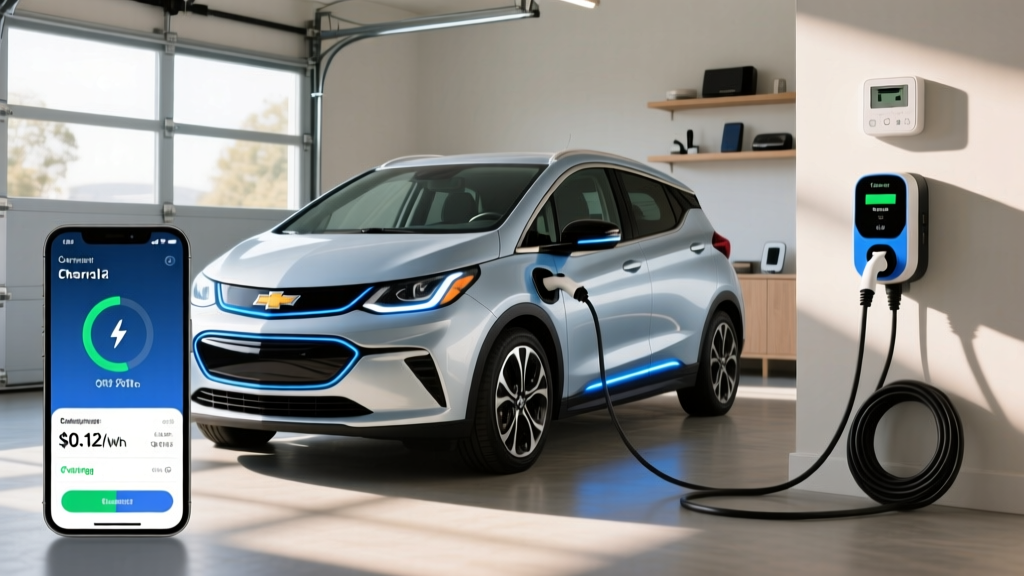
Since the A7 PHEV tops out at 7.2 kW (32 amps), you don't need a 48-amp charger — but buying a 40A or 48A unit gives you future-proofing for a potential BEV upgrade. Here are three proven options:
Best Overall: ChargePoint Home Flex
- Power Output: Up to 12 kW (50A) — adjustable via DIP switches
- Connector: J1772 (native for A7 TFSI e)
- Cable Length: 23 feet
- Smart Features: Wi-Fi, app scheduling, Alexa integration, energy tracking
- Price: ~$549 (frequently on sale for $449)
- Why for the A7: Set it to 32A/7.7 kW to match the A7's onboard charger. Excellent app for scheduling off-peak charges to minimize electricity costs.
Best Value: Emporia Level 2 EV Charger
- Power Output: Up to 11.5 kW (48A)
- Connector: J1772
- Cable Length: 24 feet
- Smart Features: Wi-Fi, app with real-time energy monitoring, load management when paired with Emporia VUE panel monitor
- Price: ~$399
- Why for the A7: Lowest-cost smart charger with full energy analytics. Load-management feature can avoid a costly panel upgrade.
Best for Tesla Households: Tesla Universal Wall Connector
- Power Output: Up to 11.5 kW (48A)
- Connector: Built-in J1772 + NACS (Magic Dock style) — charges both Teslas and non-Teslas without an adapter
- Cable Length: 24 feet
- Smart Features: Wi-Fi, OTA updates, Power Sharing (link two units on one circuit)
- Price: ~$599
- Why for the A7: If your household has both a Tesla and the A7 PHEV, this one unit charges both natively. The J1772 plug fits the A7 directly.
Charging Times for Common PHEV and EV Battery Sizes
To put the A7 TFSI e's charging speed in context, here's how Level 2 charging times compare across common battery sizes. The A7's small PHEV battery charges dramatically faster than a full BEV — a key advantage for daily top-ups.
| Vehicle Type | Usable Battery | Max AC kW | Level 2 Time (0–100%) |
|---|---|---|---|
| Audi A7 55 TFSI e (PHEV) | 14.4 kWh | 7.2 kW | ~2.5 hours |
| Toyota RAV4 Prime (PHEV) | 14.9 kWh | 6.6 kW | ~2.5 hours |
| BMW X5 xDrive50e (PHEV) | 25.7 kWh | 7.4 kW | ~4 hours |
| Tesla Model Y Long Range (BEV) | 75 kWh | 11.5 kW | ~7.5 hours |
| Hyundai Ioniq 5 (BEV) | 77.4 kWh | 10.9 kW | ~7.5 hours |
The A7 PHEV's 2.5-hour Level 2 charge means you can easily fully recharge during a work shift, an afternoon at home, or overnight on a simple timer to capture off-peak electricity rates. There's no "charging anxiety" with a PHEV battery this size.
Safety, Code Compliance, and Installation Best Practices
EV charger installation is electrical work governed by the National Electrical Code (NEC) and local amendments. Key requirements for a safe, code-compliant A7 home charging setup:
- Dedicated circuit: Your Level 2 charger must be on its own dedicated breaker — never share a circuit with other appliances. A 50A breaker with a NEMA 14-50 receptacle or a 40A breaker for a hardwired 32A unit.
- GFCI protection: NEC 2020 (Article 625.54) requires GFCI protection for EV receptacles. Hardwired chargers typically include internal GFCI, avoiding the nuisance-tripping issues that some GFCI breakers cause with EVSEs.
- Outlet height: Install the NEMA 14-50 outlet at 18–48 inches from the floor (ADA-compliant range) for easy plug access.
- Outdoor installations: Use a charger rated NEMA 4 (weatherproof) or higher. The enclosure and connector must withstand rain, snow, and UV exposure. All outdoor receptacles require weatherproof "in-use" covers.
- Permit and inspection: Most jurisdictions require an electrical permit for a new 240V circuit. The inspection ensures proper wire gauge, breaker sizing, grounding, and torque on connections. Skipping the permit risks insurance denial in the event of an electrical fire.
- Load calculation: Per NEC Article 220, your electrician must verify your panel has sufficient capacity. The formula considers your existing loads (HVAC, electric range, dryer, water heater) plus the new EV circuit. If you're close to capacity, options include a panel upgrade, a smart load manager, or reducing the charger's amperage setting.
Frequently Asked Questions
How much does it cost to install a home EV charger for the Audi A7 PHEV?
Expect $900–$2,500 for a standard installation (Level 2 charger, electrician labor, and permit) if your electrical panel has sufficient capacity. If your home needs a 100A-to-200A panel upgrade, add $1,500–$4,000. The 30% federal §30C tax credit (up to $1,000) may offset some of this cost if you meet income and location requirements — consult a tax professional and check IRS guidelines.
How fast will each charging level add range to the A7 TFSI e?
Level 1 (120V standard outlet) adds roughly 3–5 miles of electric range per hour. Level 2 (240V at 7.2 kW) adds approximately 18–22 miles per hour. A full 0–100% charge takes about 10–12 hours on Level 1 and roughly 2.5 hours on Level 2. The A7 PHEV does not support DC fast charging.
Which connector and charger is compatible with my Audi A7 TFSI e?
The A7 TFSI e uses the J1772 connector for all AC charging. Any Level 1 or Level 2 charger with a J1772 plug is directly compatible. If you want to use a Tesla Wall Connector or a NACS-equipped public charger, you'll need a J1772-to-NACS adapter ($100–$250). The A7 PHEV has no DC fast-charge inlet, so CCS1 and CHAdeMO connectors are irrelevant.
How much does charging the A7 PHEV cost per mile compared to gas?
At a national average home electricity rate of $0.16/kWh, charging the A7 TFSI e costs about $0.062 per electric mile. With premium gasoline at $4.50/gallon and 29 MPG combined, gas costs about $0.155 per mile. Home charging is roughly 60% cheaper per mile. Off-peak utility rates ($0.10/kWh) push savings to 75%.
What electrical upgrades might I need before installing a Level 2 charger?
The most common upgrade is a panel capacity increase from 100A to 200A, needed in older homes where existing loads (electric HVAC, range, dryer) already consume most of the panel's capacity. Alternatives include installing a smart load manager (e.g., Emporia VUE with auto-shedding) that throttles the charger when other appliances draw heavy current, or simply setting the charger to a lower amperage (24A instead of 40A). Your electrician's NEC Article 220 load calculation will determine what's required.
Can I charge the older supercharged Audi A7 3.0T (2012–2018)?
No. The supercharged 3.0T V6 A7 is a conventional gasoline vehicle with a belt-driven alternator. It has no plug-in capability, no traction battery large enough to charge externally, and no charging port. The "supercharged" badge refers to the engine's forced induction system. Only the A7 55 TFSI e plug-in hybrid can be connected to an EV charger.
Does the A7 TFSI e qualify for the federal EV tax credit?
PHEV eligibility for the §30D Clean Vehicle Credit depends on the model year, battery capacity (must be ≥7 kWh — the A7 qualifies), MSRP caps ($80,000 for sedans), buyer income limits ($150K single / $300K joint), and battery critical-mineral and component sourcing requirements. The A7 TFSI e's eligibility has varied by model year as sourcing rules tightened. Verify current eligibility on the IRS qualified vehicles list before purchasing, and consult a tax professional — rules change frequently.
Sources: EPA fuel economy data via fueleconomy.gov, Audi USA specifications, IRS §30C and §30D guidance at irs.gov. All pricing and availability current as of 2026 model year. Verify local electrical codes with a licensed electrician before installation.