Understanding the Audi A6 e-tron Range and Battery Specs
Before selecting home charging equipment, it is essential to understand the energy storage capabilities of your vehicle. The 2025/2026 Audi A6 e-tron is built on the Premium Platform Electric (PPE) architecture, featuring a large battery pack that enables significant distance between charges.
- Battery Capacity: ~100 kWh (usable)
- EPA Range: Up to 400 miles (estimated for long-range variants)
- Real-World Range: Expect ~340–360 miles at highway speeds (70+ mph) or in colder climates.
- Max DC Charging: 270 kW (peak)
- Onboard Charger (AC): 11 kW (standard) or 22 kW (optional)
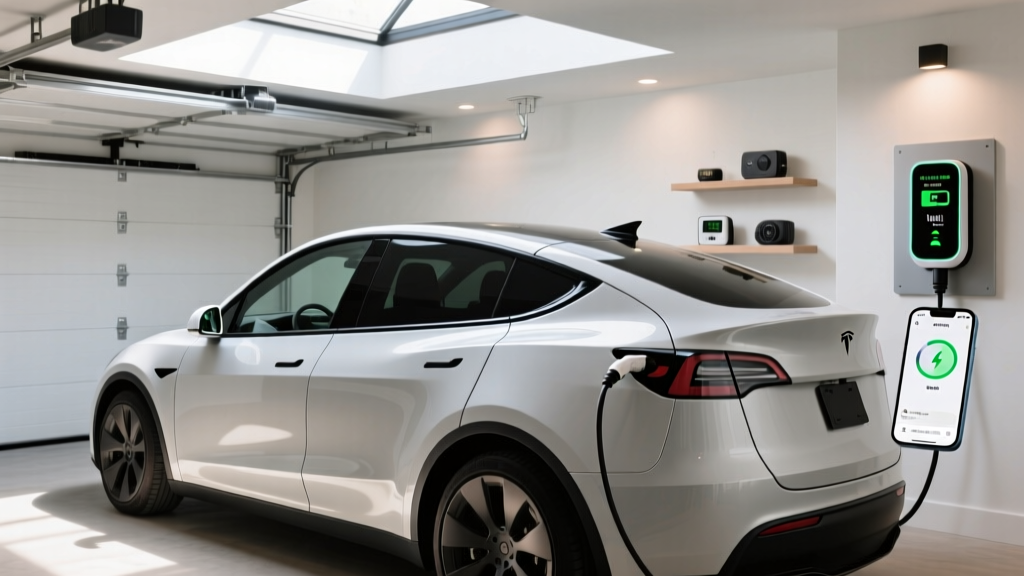
Because the A6 e-tron has such a large battery, relying on a standard 120V household outlet (Level 1) is impractical for daily replenishment. A dedicated Level 2 home charging station is the only way to ensure the vehicle is ready for daily use.
Charging Levels: Speed and Range Replenishment
To maintain the Audi A6 e-tron's range, you must choose a charging level that matches your driving habits. The following table breaks down the speed of each level in terms of power (kW) and miles of range added per hour.
| Charging Level | Power Output (kW) | Miles of Range Added per Hour | Best For |
|---|---|---|---|
| Level 1 (120V) | 1.4 – 1.9 kW | 4 – 6 miles | Emergency/Trickle charging |
| Level 2 (240V) | 7.2 – 19.2 kW | 25 – 65 miles | Daily home charging (Recommended) |
| DC Fast Charging | 50 – 270 kW | 250 – 1,000+ miles | Road trips and rapid top-ups |
Note: kW (kilowatt) refers to the speed of the charge, while kWh (kilowatt-hour) refers to the total energy stored in the battery.
Home Charger Installation Costs and Electrical Requirements
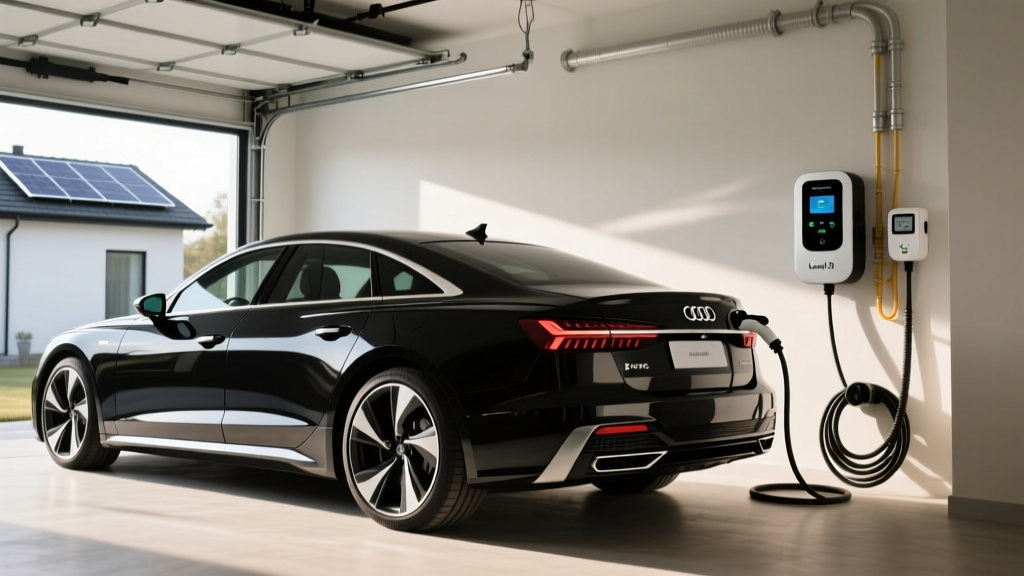
Installing a Level 2 charger for a high-capacity vehicle like the A6 e-tron requires a 240V circuit, similar to a heavy-duty appliance. The cost varies based on the distance from your electrical panel and the amperage required.
| Component | Estimated Cost Range | Notes |
|---|---|---|
| Level 2 Charging Equipment | $400 – $800 | Smart Wi-Fi enabled stations |
| Electrician Labor (240V/50A) | $600 – $1,800 | Depends on conduit and wire run length |
| Permits and Inspections | $100 – $300 | Required by local code |
| Electrical Panel Upgrade | $1,500 – $4,000 | Needed if current panel lacks capacity |
For a 48-amp Level 2 charger, you will need a dedicated 60-amp circuit. Many modern homes have 200-amp service that can accommodate this, but older homes with 100-amp service may require a panel upgrade to handle the additional load safely.
Connector Compatibility: NACS vs. CCS
The Audi A6 e-tron was initially introduced with the CCS1 connector standard in North America. However, as the industry shifts toward the North American Charging Standard (NACS/Tesla), Audi has announced that future models and model years will transition to NACS.
| Connector Type | Audi A6 e-tron Status | Adapter Needed? |
|---|---|---|
| CCS1 (Combined Charging System) | Native (Initial Model Years) | None for public CCS networks |
| NACS (Tesla Supercharger) | Requires Adapter (or future native) | Yes, CCS-to-NACS adapter required for Tesla network |
| CHAdeMO | Not Compatible | N/A |
When purchasing a home charger, ensure it matches your vehicle's native port or that you have a high-quality, certified adapter if you plan to use a different standard.
Cost to Charge: Electricity vs. Gasoline
One of the primary benefits of the A6 e-tron is the reduction in operating costs. Below is a comparison of the cost per mile based on national averages.
| Energy Source | Price per Unit | Cost per Mile (A6 e-tron) |
|---|---|---|
| Home Electricity (Off-Peak) | $0.14 / kWh | $0.04 |
| Public Level 2 | $0.28 / kWh | $0.08 |
| DC Fast Charging | $0.48 / kWh | $0.14 |
| Premium Gasoline (30 MPG) | $3.90 / Gallon | $0.13 |
Home charging provides the most significant savings, often paying for the installation cost within the first 2–3 years of ownership.
Recommended Home Charging Equipment
To maximize the 11kW or 22kW onboard charging capability of the A6 e-tron, we recommend the following Level 2 stations:
- ChargePoint Home Flex: Up to 50 amps (12 kW), 23-foot cable, NEMA 14-50 or hardwired. Excellent app integration.
- Emporia Vue EV Charger: Up to 48 amps (11.5 kW), budget-friendly, includes energy monitoring.
- Ford/Tesla Wall Connector (with adapter): High power output (up to 48 amps), robust build quality.
Frequently Asked Questions
How long does it take to charge the Audi A6 e-tron from 10-80%?
At a 270 kW DC fast charger, the A6 e-tron can reach 80% in approximately 21 minutes. At home on a 11 kW Level 2 charger, a full 0-100% charge takes roughly 10-11 hours.
Do I need a permit to install a home charger?
Yes, most jurisdictions require an electrical permit for a 240V circuit installation to ensure it meets safety and building codes.
Is there a tax credit for installing a home charger?
The IRS §30C Alternative Fuel Vehicle Refueling Property Credit offers up to $1,000 for home charging equipment, subject to income and census tract eligibility requirements.