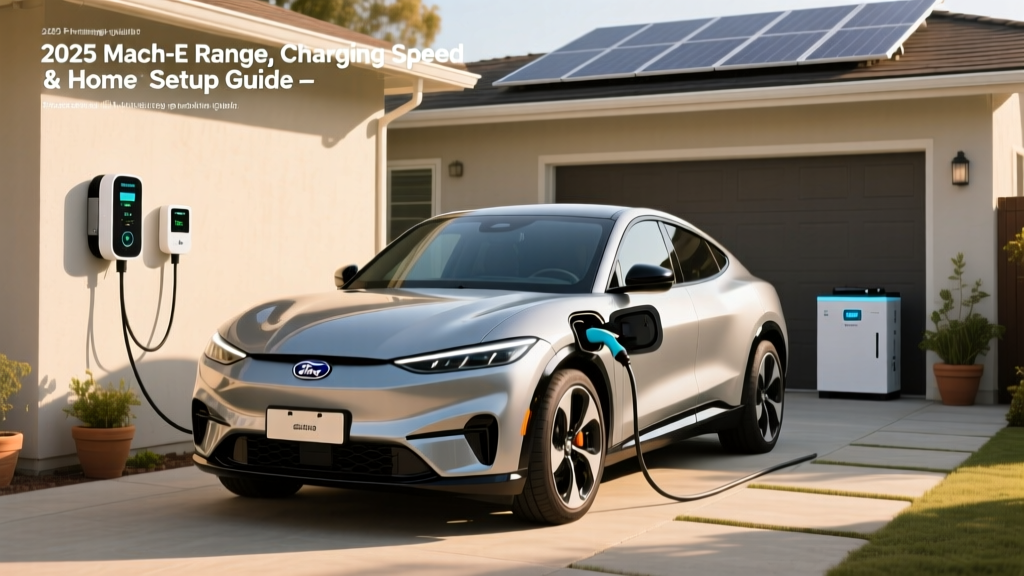
The Audi A6 e-tron arrives with a massive battery and an EPA-estimated range approaching 400 miles, but unlocking that efficiency requires more than just plugging in. To truly optimize your ownership experience, you must understand the relationship between the vehicle's 800-volt architecture and your home's electrical capacity.
Understanding the Audi A6 e-tron Battery and Range
The 2025/2026 Audi A6 e-tron is built on the PPE (Premium Platform Electric) architecture. It features a net usable battery capacity of approximately 94.9 kWh (often rounded to 100 kWh gross). While the official EPA range varies by trim and wheel size—typically between 320 and 403 miles—real-world efficiency depends heavily on how you manage the battery's thermal state.
Charging Levels: Speed and Efficiency
To maintain the A6 e-tron's battery health and meet your daily needs, you must choose the right charging level. We measure speed in kilowatts (kW), which is power, and capacity in kilowatt-hours (kWh), which is energy.
| Charging Level | Power Output (kW) | Miles of Range Added Per Hour | Best Use Case |
|---|---|---|---|
| Level 1 (120V) | 1.2 kW – 1.4 kW | 3 – 5 miles | Emergency/Overnight (low mileage) |
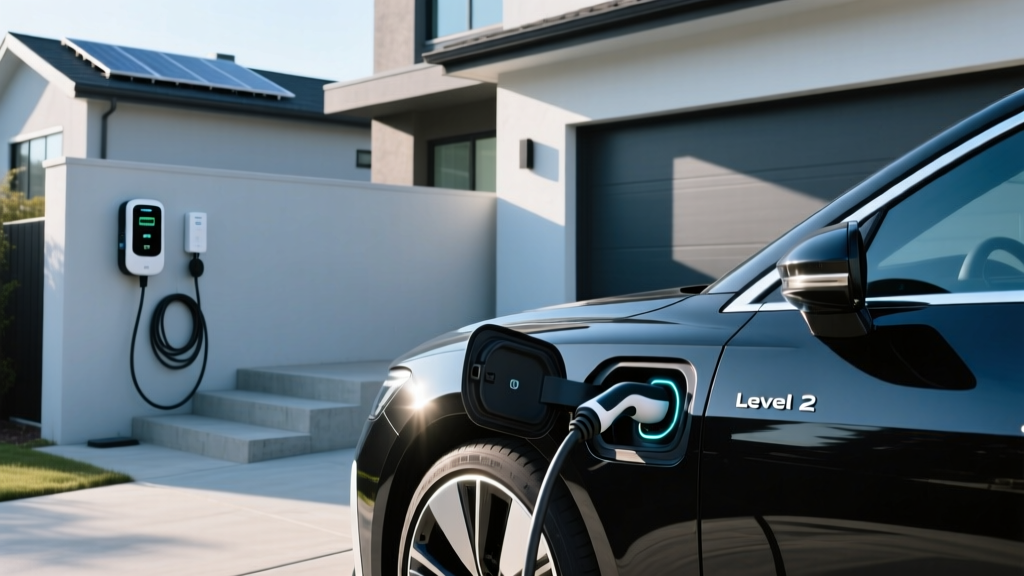
| Level 2 (240V) | 7.2 kW – 11.5 kW | 25 – 45 miles | Daily Home Charging |
| DC Fast Charging | Up to 270 kW | 200+ miles in 10 mins | Road Trips (10-80% in ~21 mins) |
Home Charger Installation and Electrical Requirements
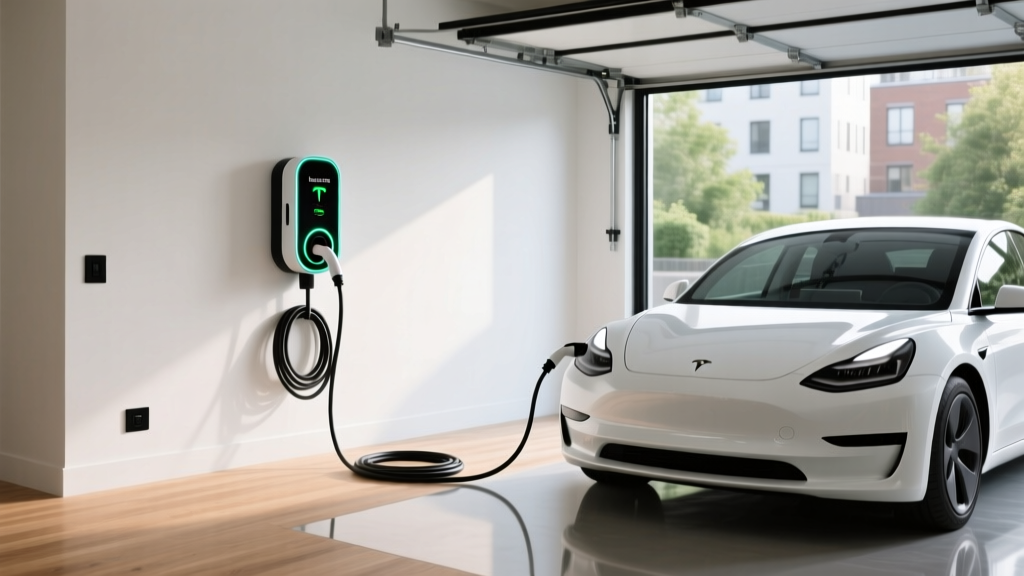
Because the A6 e-tron has a large ~95 kWh battery, a standard Level 1 outlet would take over 60 hours for a full charge. A Level 2 home station is essential. The A6 e-tron's onboard charger can accept up to 11.5 kW (48 Amps) on Level 2.
Panel and Circuit Requirements
For a 48-Amp continuous charge, electrical code requires a circuit rated for at least 60 Amps. If your home has an older 100-Amp service panel, you may need a panel upgrade to 200 Amps to support the EV charger alongside other major appliances.
| Component | Estimated Cost Range |
|---|---|
| Level 2 Hardware (Smart Charger) | $400 – $750 |
| Electrician Labor & Materials (50ft run) | $600 – $1,500 |
| Permit & Inspection Fees | $100 – $300 |
| Electrical Panel Upgrade (if needed) | $1,500 – $3,500 |
| Total Typical Range | $1,100 – $6,050 |
Connector Compatibility: NACS vs. CCS
Audi has committed to transitioning to the North American Charging Standard (NACS) for its North American models. Depending on the production month of your A6 e-tron, it will either feature a native NACS port or a CCS1 port with a provided adapter.
| Connector Type | Network Compatibility | Adapter Requirement |
|---|---|---|
| NACS (Tesla Standard) | Tesla Superchargers, Electrify America, ChargePoint | None (if native); CCS-to-NACS adapter for older CCS stations |
| CCS1 (Legacy) | Most public non-Tesla networks | NACS-to-CCS adapter required for Tesla Superchargers |
Charging Costs: Home vs. Public
Charging a ~95 kWh battery from 10% to 80% requires roughly 66 kWh of energy. Here is how the costs compare based on national averages.
| Scenario | Price per kWh | Cost for 200 miles |
|---|---|---|
| Home (Off-Peak Utility Rate) | $0.14 | $7.40 |
| Public Level 2 (Commercial) | $0.35 | $18.50 |
| DC Fast Charging (Highway) | $0.55 | $29.00 |
| Gasoline Vehicle (25 MPG @ $3.50/gal) | N/A | $28.00 |
Equipment Recommendations for the A6 e-tron
To get the most out of your vehicle's 11.5 kW onboard charger, we recommend a 48-Amp or higher smart station.
Top Pick: ChargePoint Home Flex
- Power: Up to 12 kW (50 Amps)
- Connector: NACS or CCS available
- Features: Wi-Fi enabled, scheduling, detailed energy reporting
- Price:~$650
Budget Alternative: Emporia Vue
- Power: Up to 11.5 kW (48 Amps)
- Connector: Universal J1772 (with adapter)
- Features: Integrates with home energy management
- Price:~$400
Frequently Asked Questions
How much does it cost to install a home EV charger?
Most homeowners spend between $1,100 and $2,500 for a standard installation. However, if your home requires an electrical panel upgrade to support a 60-Amp circuit, costs can rise to $5,000 or more.
How fast will each charging level add range?
Level 1 adds about 4 miles per hour. Level 2 (11.5 kW) adds approximately 40 miles per hour. DC Fast Charging can add 180 miles of range in about 10 minutes if the battery is preconditioned.
Which connector/charger is compatible with my EV?
Check your specific A6 e-tron's charge port. If it is the newer NACS style, you can use Tesla Superchargers natively. If it is CCS, you will need an adapter for the Tesla network.
How much does charging cost per mile vs gas?
At home, the A6 e-tron costs roughly $0.04 per mile to fuel. A comparable gas vehicle at 25 MPG costs approximately $0.14 per mile.
What electrical upgrades might I need?
You will likely need a dedicated 240V circuit. If your home was built before 1980, a licensed electrician should perform a load calculation to determine if a 200-Amp service upgrade is necessary.