The 2026 Chevrolet Equinox EV remains one of the most compelling entries in the affordable electric crossover segment, offering an EPA-estimated range of up to 319 miles on the 3RS trim with the larger 85 kWh (usable) Ultium battery pack. But sticker range is only half the ownership equation. How quickly you replenish that battery, what you pay per mile, and whether your home electrical panel can support a Level 2 charger are the practical realities that determine whether EV ownership feels effortless or frustrating.
This guide breaks down every charging scenario for the 2026 Equinox EV — from a standard 120V wall outlet to 150 kW DC fast chargers — with exact speeds, real costs, equipment picks, and the electrical upgrades your home might need.
2026 Equinox EV Range: EPA Sticker vs. Real-World Expectations
Before sizing your charger, it helps to know exactly how much energy you're moving. The 2026 Equinox EV is offered in LT and RS trims with two battery configurations:
| Trim / Config | Battery (usable kWh) | Chemistry | EPA Range | MPGe (combined) | Drivetrain |
|---|---|---|---|---|---|
| LT FWD (Standard) | ~72 kWh | NMC (Ultium) | ~285 mi | ~95 MPGe | FWD |
| RS / 3RS FWD (Extended) | ~85 kWh | NMC (Ultium) | 319 mi | ~97 MPGe | FWD |
| RS AWD (Extended) | ~85 kWh | NMC (Ultium) | ~297 mi | ~92 MPGe | AWD |
Charging Levels Explained: How Fast Will Each Level Add Range?
Understanding the three charging tiers is essential. The key distinction every EV owner must internalize: kW (kilowatts) measures power — the rate at which energy flows into your battery. kWh (kilowatt-hours) measures energy — the total capacity of your battery. Think of kW as how fast water flows from a hose, and kWh as the size of the bucket you're filling.
| Level | Voltage / Amperage | Power (kW) | Miles of Range Added per Hour | 10–80% Time (85 kWh pack) | Best Use Case |
|---|---|---|---|---|---|
| Level 1 (120V) | 120V / 12A | ~1.4 kW | ~4–5 mi/hr | ~40+ hours | Emergency top-ups, PHEV overnight |
| Level 2 (240V) | 240V / 32–48A | 7.7–11.5 kW | ~25–37 mi/hr | ~7–9 hours | Daily home charging (overnight) |
| DC Fast Charging | 400V+ DC | Up to 150 kW (peak) | ~200+ mi in 20 min | ~28–35 min (peak curve) | Road trips, quick replenishment |
The 2026 Equinox EV's onboard charger accepts up to 11.5 kW on Level 2 AC, which means a 48-amp, 240V circuit can fully exploit its capability. On DC fast charging, the Ultium architecture supports a peak rate of approximately 150 kW. However, as with all EVs, peak rate is not sustained rate. The charging curve tapers significantly above 80% state of charge (SoC) to protect battery longevity. You'll see the fastest charging between roughly 10% and 50% SoC, with speeds stepping down progressively past 65%.
Home Charger Installation: Electrical Requirements, Costs, and Panel Upgrades
The single biggest variable in home charging cost isn't the charger itself — it's your home's electrical panel. Here's a realistic breakdown of what you'll face installing a Level 2 charger for the Equinox EV.
Electrical Requirements
A Level 2 charger delivering the Equinox EV's maximum 11.5 kW requires a 240V / 60-amp dedicated circuit (NEC code requires the circuit breaker to be rated at 125% of the continuous load, so a 48A charger needs a 60A breaker). If you opt for a 32A charger (7.7 kW), a 40A breaker on a 240V circuit is sufficient.
Most homes built after 1990 have a 200-amp main panel, which typically has enough headroom to add a 60A EV circuit. Older homes with 100-amp or 150-amp panels may require a panel upgrade to 200A — a significant added cost.
| Item | Typical Cost Range | Notes |
|---|---|---|
| Level 2 Charger (hardware) | $350–$700 | Smart Wi-Fi chargers with NACS connector |
| Electrician labor (standard install) | $500–$1,500 | Varies by run length from panel to garage |
| Permit & inspection | $100–$300 | Required by most jurisdictions |
| Electrical panel upgrade (if needed) | $1,500–$3,500 | 100A → 200A; older homes may need this |
| Total (no panel upgrade) | $950–$2,500 | Most common scenario for newer homes |
| Total (with panel upgrade) | $2,450–$6,000 | Older homes or high-load panels |
Connector Compatibility: NACS, CCS1, and What the Equinox EV Uses
The 2026 Chevrolet Equinox EV comes equipped with the NACS (North American Charging Standard) connector, also known as the Tesla connector. This was a significant shift from GM's earlier CCS1 adoption, and it gives Equinox EV owners native access to the Tesla Supercharger network — the largest and most reliable DC fast-charging network in North America.
| Connector | Used By | DC Fast Charge Networks | Adapter Needed for Equinox EV? |
|---|---|---|---|
| NACS (Tesla) | Tesla, GM (2025+), Ford (2025+), Rivian, many 2026 models | Tesla Supercharger, Electrify America (select), EVgo, many new deployments | No — native port |
| CCS1 | Hyundai, Kia, VW, BMW, legacy GM (pre-2025) | Electrify America, EVgo, ChargePoint (legacy stations) | Yes — NACS-to-CCS adapter (~$200–$250) |
| CHAdeMO | Nissan Leaf (legacy), Mitsubishi | Declining; some older Electrify America stations | Not practical; avoid |
Because the Equinox EV uses NACS natively, you can charge at Tesla Superchargers without an adapter. For the shrinking number of CCS-only public stations (mostly older Electrify America locations), you would need a NACS-to-CCS adapter. GM has indicated it will provide or offer adapters for affected owners — check with your dealer at purchase. For home Level 2 charging, the NACS connector is the default, and most new home chargers now ship with NACS plugs.
Cost to Charge: Home vs. Public vs. Gas — The Per-Mile Breakdown
Charging economics are where the Equinox EV makes its strongest case against a comparably priced gas crossover. Here's what you'll actually pay per mile in different scenarios, based on the Equinox EV's efficiency of approximately 3.0 miles per kWh (derived from its ~97 MPGe combined rating).
| Scenario | Rate | Cost per kWh | Cost per Mile (Equinox EV) | Cost per Mile (Gas Crossover at 28 MPG, $3.40/gal) |
|---|---|---|---|---|
| Home (off-peak utility rate) | $0.09–$0.13/kWh | $0.11 avg | $0.037 | $0.121 |
| Home (standard rate, no TOU plan) | $0.14–$0.18/kWh | $0.16 avg | $0.053 | $0.121 |
| Public Level 2 (workplace, shopping) | $0.20–$0.35/kWh | $0.28 avg | $0.093 | $0.121 |
| DC Fast Charging (road trip) | $0.35–$0.55/kWh | $0.45 avg | $0.150 | $0.121 |
The takeaway is clear: home charging is dramatically cheaper than gas, saving roughly $0.08–$0.09 per mile. Over 15,000 annual miles, that's $1,200–$1,350 in annual fuel savings. However, exclusive reliance on DC fast charging — which can cost $0.45–$0.55/kWh at peak times on networks like Tesla Superchargers or Electrify America — can actually exceed gas costs per mile. The economics work best when 80%+ of your charging happens at home on off-peak rates.
Many utilities offer time-of-use (TOU) plans that drop rates to $0.06–$0.09/kWh overnight. If your utility offers one, enroll immediately — it's the single easiest way to minimize EV operating costs. According to the U.S. Department of Energy's fueleconomy.gov, EV owners who charge primarily at home save an average of $800–$1,200 annually versus gas vehicles.
Recommended Home Chargers for the 2026 Equinox EV
With the Equinox EV's NACS port and 11.5 kW onboard charger, you want a charger that matches that capability. Here are three proven options across budget tiers:
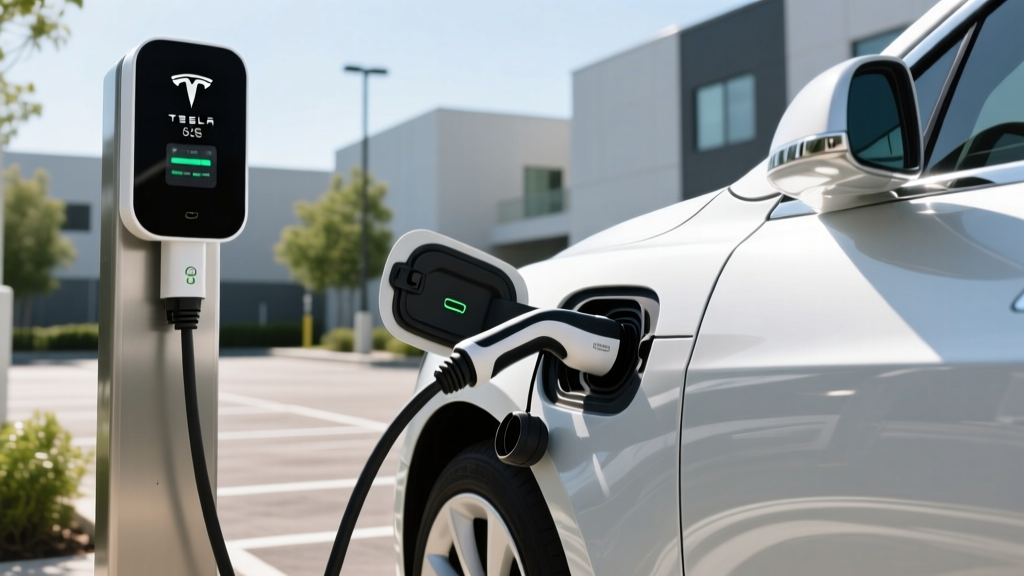
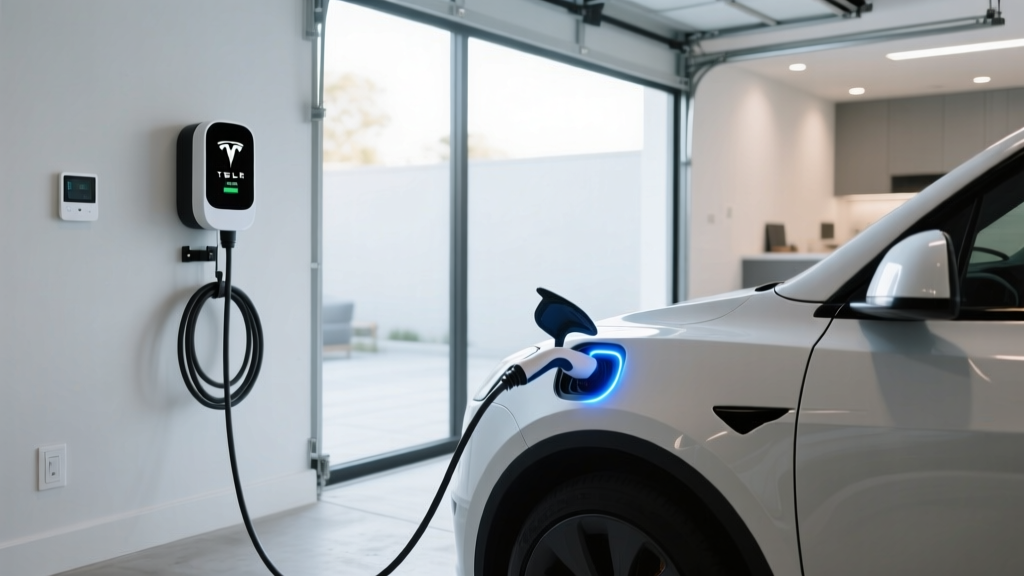
Tesla Wall Connector (Gen 4)
- Power Output: Up to 11.5 kW (48A / 240V)
- Connector: NACS native
- Cable Length: 24 ft
- Smart Features: Wi-Fi, OTA updates, load sharing, power metering
- Price: ~$475
- Verdict: Best value for NACS-vehicles; matches Equinox EV's max AC rate perfectly
ChargePoint Home Flex (NACS)
- Power Output: Up to 12 kW (50A / 240V)
- Connector: NACS (2025+ model)
- Cable Length: 23 ft
- Smart Features: Wi-Fi, app scheduling, Alexa, energy reports
- Price: ~$599
- Verdict: Excellent app ecosystem; adjustable amperage lets you match your circuit
Emporia Vue Level 2 (NACS)
- Power Output: Up to 11.5 kW (48A / 240V)
- Connector: NACS
- Cable Length: 24 ft
- Smart Features: Wi-Fi, solar integration, energy monitoring, TOU scheduling
- Price: ~$399
- Verdict: Budget pick with robust energy monitoring; pairs well with solar panels
All three chargers deliver the full 11.5 kW the Equinox EV can accept. The Tesla Wall Connector is the most cost-effective for NACS-native vehicles, while the ChargePoint Home Flex offers the most flexible amperage adjustment — useful if your electrician recommends a 40A circuit instead of 60A to avoid a panel upgrade.
Safety, Code Compliance, and Installation Best Practices
EV charging is a high-draw, continuous electrical load that runs for hours at a time. Cutting corners here is a fire risk. Here's what proper installation requires:
- Dedicated circuit: Your Level 2 charger must be on its own dedicated breaker — it cannot share a circuit with other appliances. NEC Article 625 governs EV charging installations.
- GFCI protection: Outdoor installations require a GFCI (Ground Fault Circuit Interrupter) breaker. Many jurisdictions now require GFCI for indoor garage installations as well. Note: some chargers have built-in GFCI, which may satisfy code — confirm with your electrician.
- Outdoor rating: If your charger is mounted outside (driveway or carport), it must carry a NEMA 4 or IP65 weather rating. All three chargers recommended above are rated for outdoor use.
- Wire gauge: A 60A circuit requires 6 AWG copper wire (or 4 AWG aluminum). A 40A circuit requires 8 AWG copper. Your electrician will size this correctly based on run length and local code.
- Permit and inspection: Most jurisdictions require an electrical permit and a post-installation inspection. Budget $100–$300 for this. Skipping the permit risks insurance denial in the event of an electrical fire.
- Hardwired vs. plug: Hardwired installations (no plug) are preferred for 48A+ chargers and are required by code for circuits above 50A in many jurisdictions. A NEMA 14-50 receptacle is acceptable for 40A circuits and allows charger portability.
Federal Tax Credits and Incentives for Home Charging Equipment
The federal Alternative Fuel Vehicle Refueling Property Credit (IRS §30C) was revived under the Inflation Reduction Act and provides a 30% credit, up to $1,000, for the cost of home EV charging equipment and installation. This credit applies to both the charger hardware and electrician labor.
Key restrictions apply: the credit is subject to income limitations, and the equipment must be placed in service at your primary residence in a qualifying census tract (generally non-urban or low-income areas). The IRS §30C guidance provides the specific census tract lookup tool. Many states and utilities also offer additional rebates — often $250–$750 — for Level 2 charger installation. Check your utility's website before purchasing.
For the Equinox EV itself, federal tax credit eligibility under IRS §30D varies based on the buyer's adjusted gross income, the vehicle's MSRP (must be under $80,000 for SUVs), and battery component/critical mineral sourcing requirements that tighten annually. Always verify current-year eligibility with a tax professional before relying on the credit in your purchase decision. The credit can now be transferred to the dealer as a point-of-sale discount.
Frequently Asked Questions
How much does it cost to install a home EV charger for the 2026 Equinox EV?
For most homes with a 200-amp electrical panel, expect to pay $950–$2,500 total (charger hardware, electrician labor, and permit). If your home needs a panel upgrade from 100A to 200A, total costs can range from $2,450 to $6,000. Always get a load calculation from a licensed electrician before purchasing equipment.
How fast will each charging level add range to the Equinox EV?
Level 1 (120V) adds roughly 4–5 miles per hour — adequate only for emergencies. Level 2 (240V at 48A) adds approximately 35–37 miles per hour, fully replenishing the 85 kWh pack overnight in 7–9 hours. DC fast charging at 150 kW peak can add roughly 170–200 miles of range in about 20 minutes during the optimal 10–50% SoC window.
Which connector does the 2026 Equinox EV use?
The 2026 Equinox EV uses the NACS (North American Charging Standard / Tesla) connector natively. This means direct access to Tesla Superchargers without an adapter. For the small number of remaining CCS-only public stations, a NACS-to-CCS adapter is needed.
How much does charging the Equinox EV cost per mile vs. a gas car?
At home on off-peak utility rates (~$0.11/kWh), the Equinox EV costs about $0.037 per mile — roughly one-third the cost of a 28 MPG gas crossover at $3.40/gallon ($0.121/mile). Public DC fast charging at $0.45/kWh pushes cost to ~$0.15/mile, which can exceed gas. Home charging is where the economics work best.
What electrical upgrades might my home need for a Level 2 charger?
Homes with a 200-amp panel typically need no upgrades — just a new 60A (or 40A) breaker and wiring run. Homes with 100-amp or 150-amp panels, or panels already near capacity from other large loads (electric range, HVAC, dryer), may need a panel upgrade to 200A, costing $1,500–$3,500. A licensed electrician's load calculation will determine this.
Can I use a portable Level 2 charger instead of a wall-mounted unit?
Yes. Several manufacturers offer portable Level 2 chargers with NACS connectors that plug into a NEMA 14-50 (240V / 50A) outlet. This is a good option if you rent or want flexibility. However, portable units are generally limited to 32A (7.7 kW) on a 14-50 plug, which means slightly slower charging than a hardwired 48A wall unit. Ensure your electrician installs a properly rated 14-50 receptacle on a 50A breaker.