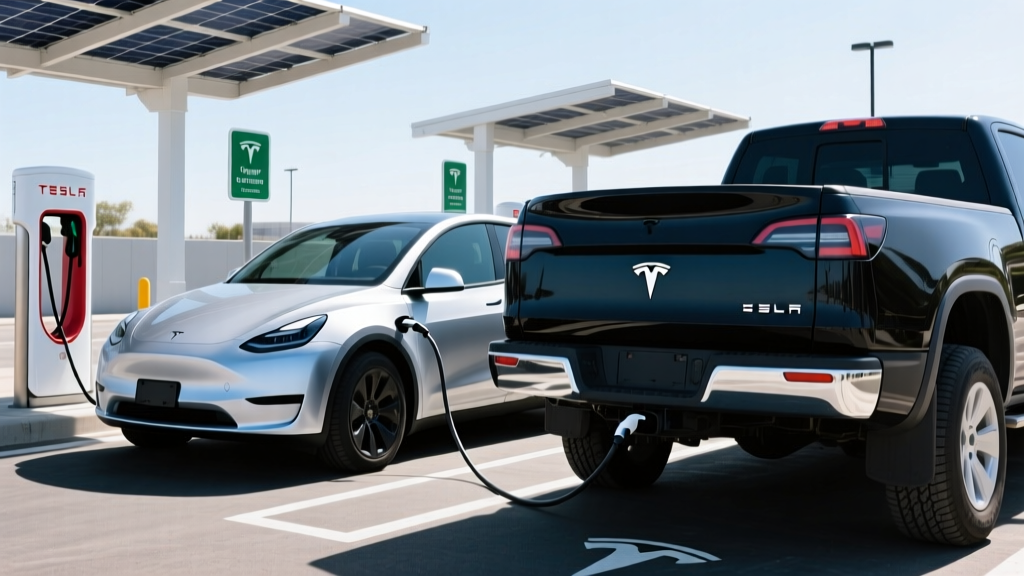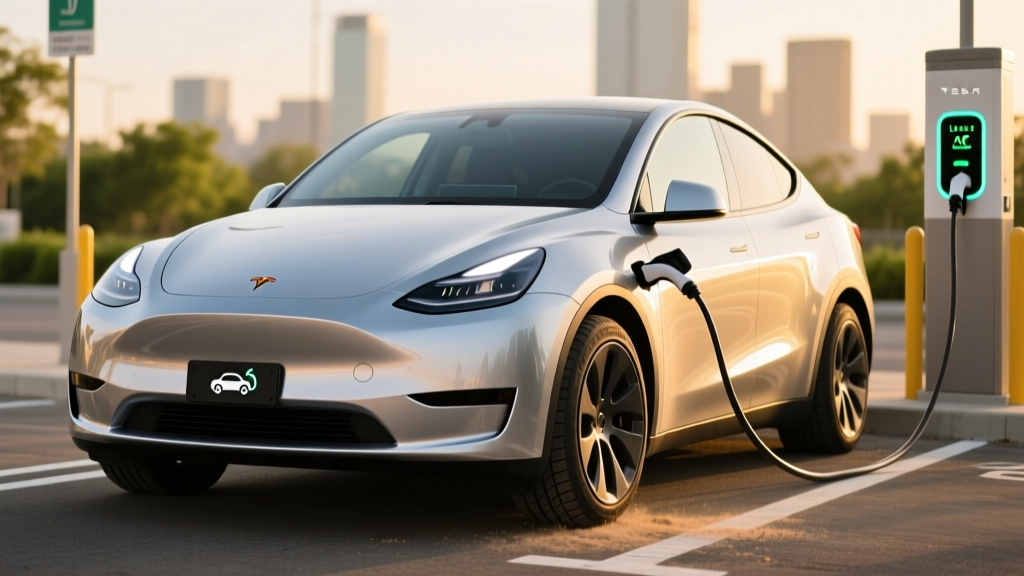
If you own or are considering a used 2023 Tesla Model Y Performance, understanding its real-world range and charging behavior is the single most important factor in daily satisfaction. The EPA stickers the Model Y Performance at 303 miles of range from its 82 kWh (usable ~75 kWh) NMC lithium-ion pack, but highway driving, cold weather, and charging-curve physics all reshape that number in practice. This guide breaks down exactly how far you'll go, how fast you'll charge at each level, what home installation really costs, and how the Model Y's per-mile energy cost compares to gas.
EPA Range: 303 mi | Battery: 82 kWh (NMC) | Peak DC Charge: 250 kW
10–80% DC Fast Charge: ~20 min | Level 2 Rate: 11.5 kW (48A)
0–60 mph: 3.5 sec | HP: 456 | Base MSRP (2023): ~$52,990
Real-World Range vs. the EPA Sticker
The EPA rates the 2023 Model Y Performance at 303 miles with an efficiency of 122 MPGe combined (29 kWh/100 mi). That figure assumes a mix of city and highway driving at moderate temperatures. In practice, expect the following:
• Mixed city/highway (65–75°F): ~270–290 mi
• Sustained 75 mph highway: ~245–265 mi
• Cold weather (below 32°F) highway: ~210–240 mi
• City-only, mild weather with regen: ~295–310 mi
Cold weather reduces range because the battery must heat itself and cabin heating draws significant power. Tesla's heat pump helps mitigate this compared to resistive heaters, but 15–25% range loss in freezing conditions is typical for any EV. Highway speeds above 70 mph increase aerodynamic drag exponentially — every 5 mph over 65 costs roughly 10–15 miles of range on the Model Y.
Charging Levels Explained: kW, Speed, and Time
Before diving into speeds, a critical distinction: kW (kilowatts) measures power — the rate of energy flow, like water pressure from a hose. kWh (kilowatt-hours) measures energy — the total amount stored, like the size of a bucket. Your Model Y's battery holds ~75 kWh of usable energy; the charger's kW rating determines how fast that bucket fills.
| Level | Power (kW) | Miles Added/Hour | 10–80% Time | Best Use Case |
|---|---|---|---|---|
| Level 1 (120V) | 1.2–1.4 kW | 3–5 mi/hr | ~55+ hours | Emergency / overnight trickle |
| Level 2 (240V, 48A) | 11.5 kW | ~37 mi/hr | ~6–7 hours | Daily home charging |
| DC Fast (V3 Supercharger) | Up to 250 kW | ~1,000+ mi/hr (peak) | ~20 min | Road trips, rapid top-ups |
Understanding the DC Fast-Charge Curve
The Model Y Performance peaks at 250 kW on a V3 Supercharger — but only between roughly 10–30% state of charge (SoC). Above 50%, the rate tapers to ~120 kW; above 80%, it drops further to ~50–70 kW. This is why manufacturers quote 10–80% times rather than 0–100%. Charging from 80–100% on DC fast can take as long as the entire 10–80% session. For battery longevity, Tesla recommends daily charging to 80–90% on NMC packs and only charging to 100% before long trips.
Home Charger Installation: Costs, Electrical Requirements, and Gotchas
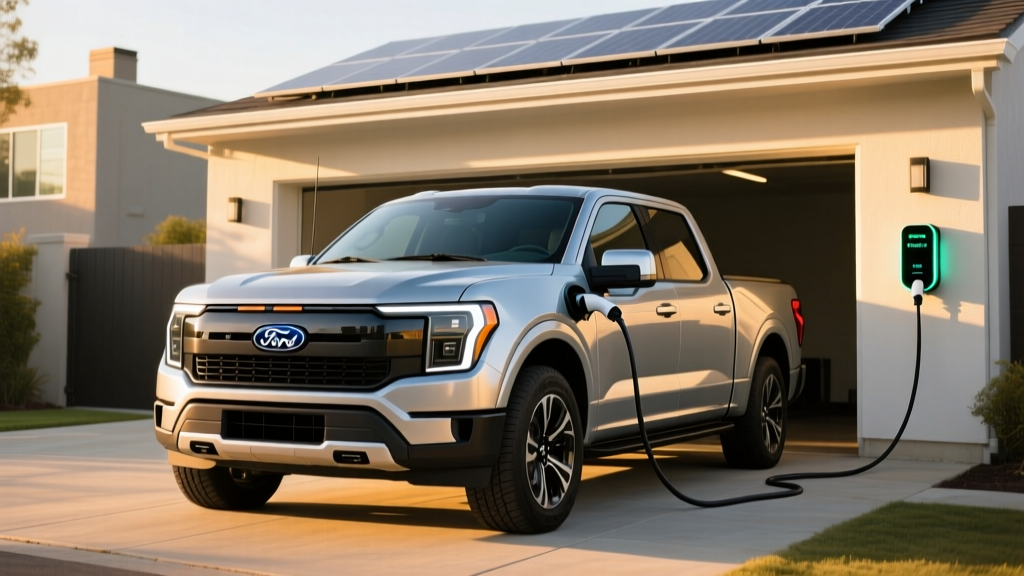
Home Level 2 charging is where most Model Y owners do 85–95% of their charging. The Tesla Wall Connector is the natural choice, but third-party J1772 chargers with a J1772-to-Tesla adapter (or the newer NACS-standard units) also work. Here's what's involved electrically.
Electrical Requirements for Level 2 Charging
To achieve the Model Y's maximum 11.5 kW AC charge rate, you need a 240V / 60A dedicated circuit (the charger draws 48A continuous; electrical code requires circuits rated at 125% of continuous load). If your electrical panel has spare capacity and a 240V run is short, installation is straightforward. Older homes with 100A service panels often need a panel upgrade to 200A, which is the single biggest cost variable.
| Component | Simple Install | Complex Install | Notes |
|---|---|---|---|
| EVSE Equipment (charger) | $400–$500 | $400–$700 | Tesla Wall Connector ~$475 |
| Electrician labor | $400–$800 | $1,200–$3,000 | Varies by run length, conduit |
| Permit & inspection | $50–$150 | $100–$300 | Required in most jurisdictions |
| Panel upgrade (if needed) | $0 | $1,500–$3,500 | 100A→200A service upgrade |
| TOTAL | $850–$1,450 | $3,200–$7,500 | Get 2–3 electrician quotes |
Always hire a licensed electrician and pull a permit. Unpermitted EV charger installs can void homeowner's insurance claims and cause issues at sale time. The circuit must be GFCI-protected if installed outdoors per NEC 2020 requirements, and outdoor-rated (NEMA 4) enclosures are essential in wet climates.
Connector Compatibility: NACS, CCS, and Adapters
The 2023 Model Y Performance uses Tesla's proprietary connector (now formally designated NACS — North American Charging Standard). This is a significant advantage in 2026: Tesla's Supercharger network remains the largest and most reliable DC fast-charging network in the US, with over 6,000 V3/V4 stalls.
| Connector | Native Support? | Adapter Needed? | Network Access |
|---|---|---|---|
| NACS (Tesla) | ✅ Yes | None | Tesla Superchargers, Destination Chargers |
| CCS1 | ❌ No | CCS-to-NACS adapter (~$175–$250) | Electrify America, EVgo, ChargePoint DC |
| CHAdeMO | ❌ No | Not readily available | Declining network; not recommended |
| J1772 (Level 2) | ❌ No | J1772-to-NACS (included with car) | Public Level 2 stations, non-Tesla home chargers |
With most non-Tesla automakers switching to NACS for 2025+ models and networks like Electrify America adding NACS cables, the Tesla connector ecosystem is only getting stronger. For a 2023 Model Y owner, a CCS adapter is worth carrying for redundancy on road trips through areas with sparse Supercharger coverage.
Cost to Charge: Per-Mile Economics vs. Gasoline
The Model Y Performance averages 29 kWh per 100 miles (EPA combined). Your actual cost per mile depends entirely on your electricity rate, which varies dramatically between home and public charging.
| Scenario | Rate ($/kWh) | Cost per 100 mi | Cost per Mile |
|---|---|---|---|
| Home (off-peak utility rate) | $0.10 | $2.90 | $0.029 |
| Home (national avg. ~$0.16) | $0.16 | $4.64 | $0.046 |
| Public Level 2 (ChargePoint, etc.) | $0.25–$0.35 | $7.25–$10.15 | $0.073–$0.102 |
| Tesla Supercharger (avg. ~$0.30) | $0.30 | $8.70 | $0.087 |
| DC Fast (Electrify America peak) | $0.48 | $13.92 | $0.139 |
| Gas equivalent (25 MPG, $3.40/gal) | — | $13.60 | $0.136 |
At home off-peak rates, the Model Y costs roughly one-fifth to one-quarter what a comparable 25 MPG gas SUV costs per mile. Even at Supercharger rates, you're paying less than gas. The savings case weakens only if you rely exclusively on premium-priced public DC fast chargers — which is why home charging access remains the most important factor in EV ownership economics.
Over 15,000 miles/year, a home-charged Model Y at $0.13/kWh (national average including fees) saves roughly $1,350/year vs. a 25 MPG gas vehicle at $3.40/gallon. Over five years, that's $6,750 in fuel savings — enough to offset a meaningful portion of the purchase price or home charger installation.
Recommended Home Charging Equipment
Here are proven Level 2 chargers that pair well with the Model Y Performance, with specific power outputs, features, and pricing as of 2026:
• Power: 11.5 kW (48A) at 240V
• Connector: NACS native
• Cable: 24 ft
• Smart features: Wi-Fi, OTA updates, load sharing
• Price: ~$475
• Best for: Tesla-only households; seamless integration
• Power: Up to 12 kW (50A) at 240V
• Connector: J1772 (NACS adapter needed) or NACS version
• Cable: 23 ft
• Smart features: App scheduling, Alexa, energy tracking
• Price: ~$550–$650
• Best for: Multi-EV households (mixed brands)
• Power: Up to 11.5 kW (48A) at 240V
• Connector: J1772 or NACS
• Cable: 24 ft
• Smart features: Solar integration, energy monitoring, V2H-ready
• Price: ~$400–$500
• Best for: Solar-panel owners wanting charge-from-sun optimization
All three support hardwired installation (preferred for 48A+ circuits) or NEMA 14-50 plug connection. Hardwired avoids the ~$50–$100 cost of a 14-50 receptacle and eliminates a potential failure point. For the Model Y's 11.5 kW onboard charger limit, any 48A+ unit delivers maximum AC speed.
Charging Best Practices for Battery Longevity
The 2023 Model Y Performance uses an NMC (nickel manganese cobalt) battery chemistry, which benefits from specific care habits:
- Daily charge limit: Set to 80–90% for routine use. Only charge to 100% immediately before long trips.
- Avoid prolonged low SoC: Don't let the car sit below 10% for days. If storing, leave it at ~50%.
- Use Scheduled Departure: The Model Y can precondition its battery before you leave, warming it for efficient driving and optimal regen — especially important in cold weather.
- Minimize DC fast charging as daily routine: Occasional Supercharging is fine, but daily DC fast charging accelerates degradation slightly. Tesla's battery management system is excellent, but heat from sustained high-power charging is the primary degradation driver.
- Monitor State of Health (SoH): The Tesla app shows estimated range at 100%. Compare this to the original 303-mile figure periodically. Tesla's battery warranty covers degradation below 70% capacity for 8 years / 120,000 miles.
Charging Time Examples for the 82 kWh Pack
Here's how long common charging sessions take with the Model Y Performance's 82 kWh battery (~75 kWh usable):
- Level 1 (120V, 12A): Adds ~4 mi/hr. A full overnight (10 hours) gives ~40 miles — enough for short commutes but impractical as a primary strategy.
- Level 2 (240V, 48A, 11.5 kW): Adds ~37 mi/hr. A full overnight (8 hours) restores ~296 miles — essentially a complete recharge for any daily use.
- DC Fast (250 kW V3 Supercharger): 10–80% in ~20 minutes, adding ~210 miles. Plan road-trip stops around 20–25 minute breaks.
- DC Fast (150 kW V2 Supercharger): 10–80% in ~30 minutes. Still common on older Supercharger routes.
For road-trip planning, Tesla's built-in navigation automatically routes through Superchargers and preconditions the battery before arrival — warming it to optimize charge speed. This preconditioning can shave 5–10 minutes off a charging stop in cold weather, which is a meaningful advantage over non-Tesla EVs that lack integrated navigation-to-charger preconditioning.
Frequently Asked Questions
How much does it cost to install a home EV charger for the Model Y?
A straightforward installation (panel near garage, short wire run, 200A panel with spare capacity) costs $850–$1,450 including the Tesla Wall Connector, electrician labor, and permit. Complex installs requiring long conduit runs or a panel upgrade from 100A to 200A can reach $3,200–$7,500. Always get multiple quotes from licensed electricians.
How fast will each charging level add range to my Model Y Performance?
Level 1 (120V) adds 3–5 miles per hour. Level 2 (240V, 48A) adds ~37 miles per hour. DC fast charging at a V3 Supercharger peaks at over 1,000 miles per hour but tapers significantly — expect ~210 miles added in a 20-minute session (10–80%).
Which connector is compatible with the 2023 Model Y Performance?
The Model Y uses the NACS (Tesla) connector natively. It works directly with all Tesla Superchargers and Destination Chargers. For CCS-based public chargers (Electrify America, EVgo), you'll need a CCS-to-NACS adapter (~$175–$250). A J1772-to-NACS adapter is included with the car for public Level 2 stations.
How much does charging cost per mile vs. gas?
At home on the national average electricity rate (~$0.16/kWh), the Model Y Performance costs about $0.046 per mile. A comparable 25 MPG gas SUV at $3.40/gallon costs $0.136 per mile — nearly 3× more. Public DC fast charging narrows the gap to roughly parity with gas, which is why home charging access is critical for maximizing savings.
What electrical upgrades might I need for a Level 2 charger?
You need a dedicated 240V / 60A circuit. Homes with 200A service panels and spare breaker slots typically need no upgrade. Homes with 100A panels, full breaker boxes, or panels at end-of-life may require a panel upgrade ($1,500–$3,500). An electrician's load calculation will determine this. Some utilities offer rebates of $200–$500 for panel upgrades tied to EV adoption — check with your local provider.
Does the 2023 Model Y Performance qualify for the federal EV tax credit?
The 2023 Model Y Performance was eligible for the §30D federal tax credit (up to $7,500) when purchased new, subject to income caps ($300K joint / $150K single), MSRP caps ($80K for SUVs), and battery sourcing requirements. As a used purchase in 2026, the used EV credit (up to $4,000) may apply if the sale price is under $25,000 and buyer income is under $150K joint / $75K single. Consult a tax professional for eligibility specifics.