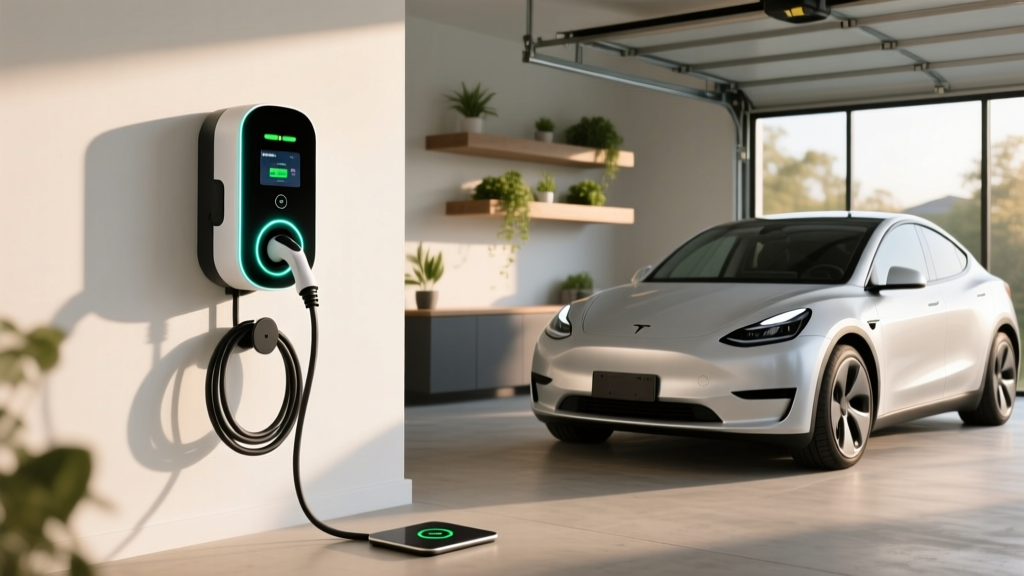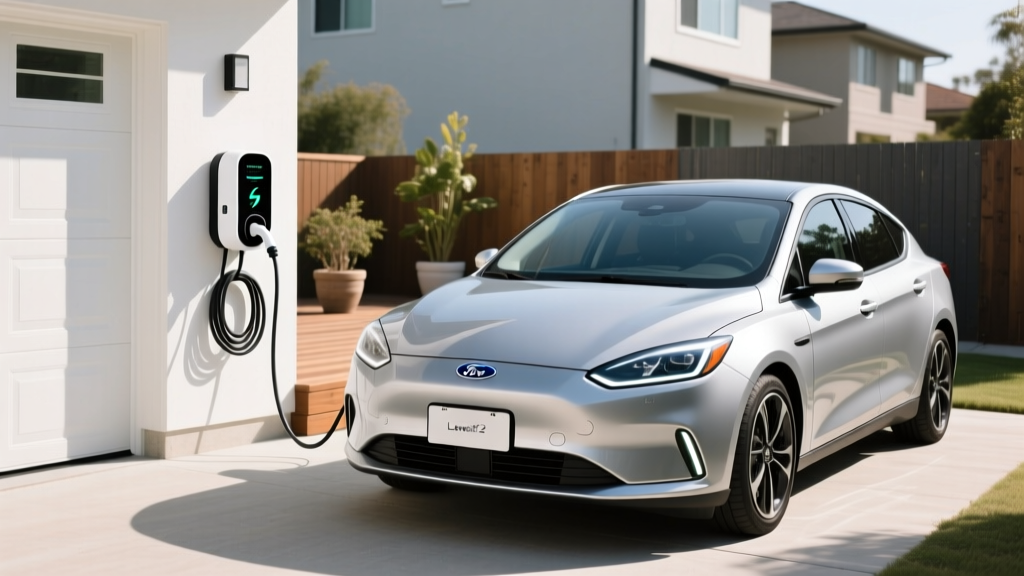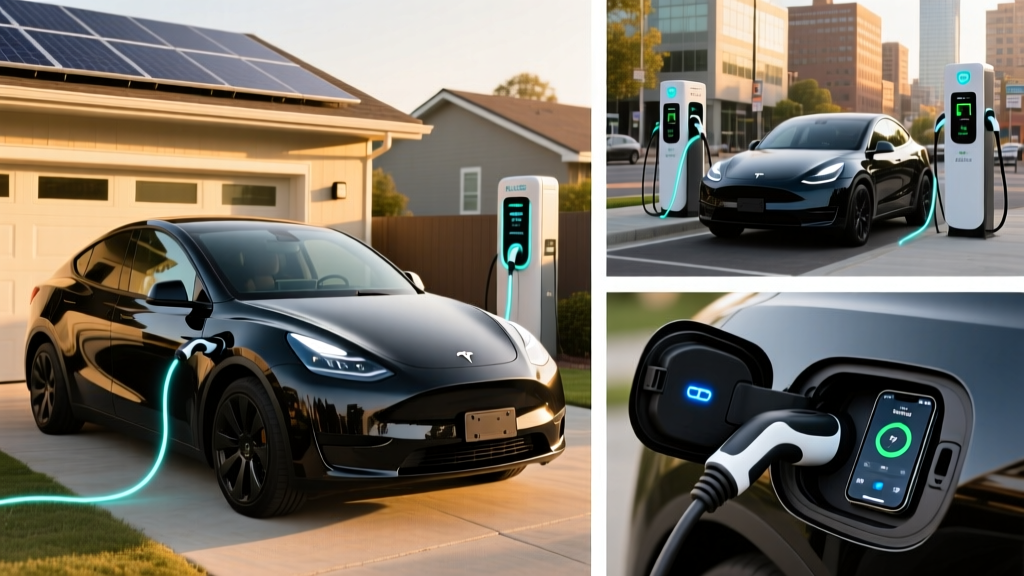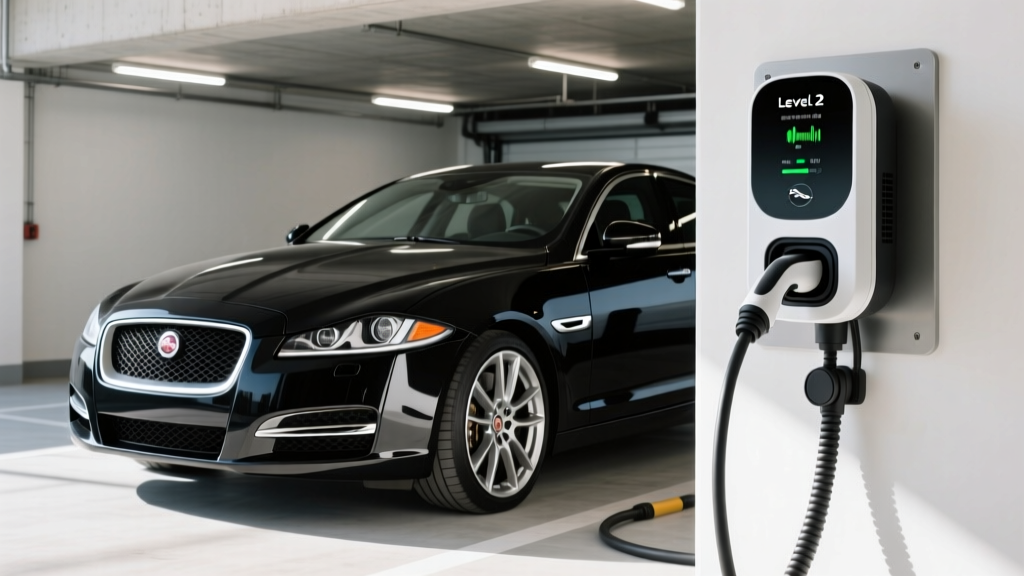
Quick Answer: Does the 2010 Jaguar XF Supercharged Have an LSD?
If you landed here searching "2010 jaguar xf supercharged have lsd", the short answer is yes — but with an important nuance. The 2010 Jaguar XF Supercharged (the 5.0L AJ-V8 Gen III, 470 hp model) came equipped with an electronic limited-slip differential (eLSD), not a traditional mechanical clutch-type LSD. Jaguar's eLSD uses brake-based torque vectoring and selective rear-wheel braking to mimic the traction benefits of a mechanical unit. It was a key differentiator over the naturally aspirated XF 5.0L and part of why the Supercharged variant earned its reputation as one of the best-handling sport sedans of its era.
The XF R (introduced for the 2010 model year in some markets and as a 2011 in the U.S.) went further, pairing the eLSD with an active electronic differential and stiffer suspension tuning. If you're evaluating a used 2010 XF Supercharged today, check the build sheet or VIN decoder — cars without the optional Dynamic Pack may have a standard open differential.
Now, if you're a Jaguar owner (XF, I-PACE, or the upcoming electric Jaguars) exploring the EV world — whether you own an electrified vehicle or you're planning your first — this guide covers everything you need to know about charging at home and on the road in 2026.
Charging Levels Explained: kW, Speed, and Miles Per Hour
Before anything else, let's clear up the single biggest EV confusion: kW (kilowatts) measures power — how fast energy flows. kWh (kilowatt-hours) measures energy — how much the battery holds. Think of kW as the width of a hose and kWh as the size of the bucket. A bigger hose (higher kW) fills the bucket (kWh battery) faster.
| Level | Voltage | Power (kW) | Miles of Range Added Per Hour | Typical Use |
|---|---|---|---|---|
| Level 1 | 120V AC | 1.0–1.9 kW | 3–5 mi/hr | Emergency / overnight trickle |
| Level 2 | 240V AC | 3.3–19.2 kW | 12–75 mi/hr | Home daily, workplace, destination |
| DC Fast (Level 3) | 400–800V DC | 50–350+ kW | 150–1,000+ mi/hr (peak) | Road trips, highway corridors |
Real-world example: A 2026 Hyundai Ioniq 5 (84 kWh usable battery, EPA 310 mi range) charging at 11.5 kW Level 2 adds roughly 42 miles per hour — a full overnight session from 20% to 100% takes about 6.5 hours. On a 350 kW DC fast charger, that same Ioniq 5 peaks at 240 kW and charges 10–80% in approximately 18 minutes, though the curve tapers sharply above 80% (more on that below).
Home Charger Installation: Electrical Requirements, Panel Upgrades, and Costs
A Level 2 home charger is where 80–90% of real EV charging happens. But installation isn't plug-and-play — it depends on your home's electrical panel, the circuit available, and local code.
Electrical Requirements
- Voltage: 240V (same as a dryer or oven outlet)
- Amperage: Most home chargers draw 32A, 40A, or 48A. The circuit must be rated at 125% of continuous load — so a 40A charger needs a 50A breaker, a 48A charger needs a 60A breaker.
- Wire gauge: Typically 6 AWG copper for 50A circuits, 4 AWG for 60A.
- Dedicated circuit: Required by NEC (National Electrical Code) — you cannot share the circuit with other major appliances.
Panel Upgrade Reality
Most modern homes with a 200A service panel can accommodate a 50–60A EV circuit. But if your home has a 100A panel (common in pre-1980 construction), or if your panel is already near capacity with HVAC, electric range, dryer, and water heater, you may need a panel upgrade to 200A — which adds $1,500–$3,500 to the project. A licensed electrician will perform a load calculation per NEC Article 220 to determine this.
| Component | Low End | High End | Notes |
|---|---|---|---|
| Level 2 Charger (Equipment) | $350 | $750 | 32A–48A smart chargers; hardwired vs. NEMA 14-50 plug |
| Electrician Labor | $400 | $1,500 | Depends on run length, wall type, conduit needs |
| Permit & Inspection | $50 | $300 | Varies by municipality; some jurisdictions waive for EV |
| Panel Upgrade (if needed) | $1,500 | $3,500 | 100A→200A service upgrade; not always required |
| Total (no panel upgrade) | $800 | $2,550 | Most homeowners fall in $1,200–$1,800 range |
| Total (with panel upgrade) | $2,300 | $6,050 | Older homes, high-load panels |
Federal incentive note: The IRS §30C Alternative Fuel Vehicle Refueling Property Credit offers up to 30% of equipment and installation costs (capped at $1,000 for residential) for home charger installs placed in service. Eligibility depends on census-tract requirements. Always consult a tax professional — incentive rules and qualifying areas change annually.
Connector Compatibility: NACS, CCS1, and CHAdeMO in 2026
The connector landscape has consolidated significantly. As of 2026, the North American Charging Standard (NACS) — originally Tesla's proprietary connector, now standardized as SAE J3400 — is the dominant plug for new EVs. Ford, GM, Rivian, Hyundai/Kia, Volvo/Polestar, BMW, and others now ship with native NACS ports. CCS1 remains on models from Stellantis, some Volkswagen Group vehicles, and older EVs. CHAdeMO is effectively legacy — only the Nissan Leaf (discontinued after 2025) used it as a primary standard.
| Connector | Brands Using It (New Vehicles) | Adapter Needed? |
|---|---|---|
| NACS (J3400) | Tesla, Ford, GM, Rivian, Hyundai, Kia, Volvo, Polestar, BMW, Mercedes, Toyota, Subaru | CCS→NACS adapter for older public CCS stations (~$150–$200) |
| CCS1 | VW (some), Audi (some), Porsche, Stellantis, Honda (Prologue uses NACS starting 2026) | NACS→CCS adapter if accessing Tesla Superchargers |
| CHAdeMO | Legacy only (Nissan Leaf pre-2026) | No mainstream adapter; CHAdeMO stations declining |
Home charger connectors: Nearly all Level 2 home chargers ship with a J1772 connector (the AC standard). NACS-equipped vehicles include a J1772-to-NACS adapter in the box. If you buy a Tesla Wall Connector, it ships with NACS natively and includes a J1772 adapter for non-Tesla vehicles.
Cost to Charge: $/kWh Scenarios and Cost Per Mile vs. Gas
Charging cost varies enormously depending on where and when you plug in. Here's the math using real 2026 rates (per EIA electricity data and network pricing):
| Scenario | Rate ($/kWh) | Vehicle Efficiency | Cost Per Mile |
|---|---|---|---|
| Home, off-peak (utility TOU rate) | $0.08–$0.12 | 3.0 mi/kWh (typical sedan) | $0.03–$0.04 |
| Home, standard residential rate | $0.14–$0.18 | 3.0 mi/kWh | $0.05–$0.06 |
| Public Level 2 (ChargePoint, EVgo L2) | $0.25–$0.40 | 3.0 mi/kWh | $0.08–$0.13 |
| DC Fast (Electrify America, Tesla) | $0.35–$0.55 | 3.0 mi/kWh | $0.12–$0.18 |
| Gas car (25 MPG combined, $3.40/gal) | — | 25 MPG | $0.14 |
The takeaway: Home charging on an off-peak rate is 3–4× cheaper per mile than gasoline. Even DC fast charging on the road is roughly cost-competitive with gas for efficient EVs. But if you rely exclusively on public DC fast charging at $0.50+/kWh, your per-mile cost can exceed a 30 MPG hybrid. Home charging access is the single biggest economic factor in EV ownership.
Charging Time Examples: 10–80% for Common Battery Sizes
EV batteries charge fastest between 10–80% State of Charge (SoC). Above 80%, the charge curve tapers dramatically to protect cell health — this is physics, not a flaw. Here's what to expect with common 2026 EVs:
- Tesla Model Y Long Range (75 kWh usable, NMC): Peaks at 250 kW on V3 Supercharger; 10–80% in ~25 min. Tapers to ~30 kW above 85%.
- Hyundai Ioniq 5 (84 kWh, NMC): 800V architecture peaks at 240 kW; 10–80% in ~18 min. One of the fastest-charging EVs available.
- Ford F-150 Lightning Extended Range (131 kWh, NMC): Peaks at 150 kW; 10–80% in ~41 min. Larger battery = longer charge time even at decent kW.
- Chevrolet Equinox EV (85 kWh, NMC): Peaks at 150 kW; 10–80% in ~30 min.
- BMW i4 eDrive40 (81.5 kWh, NMC): Peaks at 200 kW; 10–80% in ~31 min.
Level 2 home charging (overnight): At 11.5 kW (48A), a 84 kWh battery charges from 10–100% in roughly 7 hours. This is more than enough for daily use — most drivers use 20–40% of their battery per day and top up overnight.
Equipment Recommendations: Top Level 2 Home Chargers for 2026
Tesla Wall Connector (Gen 4)
- Power: Up to 11.5 kW (48A at 240V)
- Connector: Native NACS; J1772 adapter included
- Cable length: 24 ft
- Smart features: Wi-Fi, OTA updates, power-sharing between two units, access control
- Price: ~$475
- Best for: Tesla owners and NACS-equipped EVs; cleanest install aesthetic
ChargePoint Home Flex (NACS Version)
- Power: Up to 12 kW (50A at 240V) — adjustable via DIP switches
- Connector: Available in NACS or J1772
- Cable length: 23 ft
- Smart features: Wi-Fi, app scheduling, Alexa integration, energy dashboard
- Price: ~$550–$650
- Best for: Multi-EV households; flexible amperage for older panels
Emporia Vue Level 2 Charger
- Power: Up to 11.5 kW (48A)
- Connector: J1772 (NACS adapter available)
- Cable length: 24 ft
- Smart features: Integrates with Emporia Vue energy monitor, solar-aware charging, TOU scheduling
- Price: ~$400
- Best for: Budget-conscious buyers with solar panels or energy monitoring
Grizzl-E Smart (United Chargers)
- Power: Up to 10 kW (40A)
- Connector: J1772 (NACS adapter included)
- Cable length: 24 ft
- Smart features: OCPP-compatible, works with multiple apps, adjustable amperage
- Price: ~$450
- Best for: Cold climates (-40°C rated); outdoor installs in harsh weather
Safety, Code, and Installation Best Practices
EV charging is a high-draw, continuous-load application. Cutting corners here is a fire risk and an insurance liability. Follow these non-negotiable guidelines:
- Dedicated circuit: NEC 625.40 requires a dedicated branch circuit for EV supply equipment. No sharing with laundry, kitchen, or HVAC.
- GFCI protection: NEC 2020 and later requires GFCI (Ground Fault Circuit Interrupter) protection for all 240V EV outlets. Hardwired chargers with integrated GFCI may satisfy this — check with your inspector.
- Outdoor rating: If installing outside, the charger must be NEMA 4 rated (weatherproof). Most quality units (Tesla Wall Connector, ChargePoint Home Flex, Grizzl-E) carry this rating.
- Permit and inspection: Most jurisdictions require an electrical permit for a new 240V circuit. The inspection ensures wire gauge, breaker sizing, and grounding meet code. Skipping this can void homeowner's insurance claims.
- NEMA 14-50 vs. hardwired: A NEMA 14-50 outlet gives you portability (take the charger when you move). Hardwired connections allow higher amperage (48A vs. 40A max on a plug) and eliminate one failure point. Both are code-compliant when done correctly.
Always hire a licensed electrician — per NFPA NEC guidelines — and request a load calculation before committing to a specific amperage. A qualified electrician will tell you honestly whether your panel can handle the load or needs an upgrade.
Frequently Asked Questions
How much does it cost to install a home EV charger?
Expect $1,200–$1,800 for a typical installation (equipment + electrician + permit) if your panel has capacity. If a panel upgrade from 100A to 200A is needed, total costs rise to $2,300–$6,050. The federal §30C credit may offset up to $1,000 (30% of costs) if your census tract qualifies.
How fast will each charging level add range?
Level 1 (120V): 3–5 miles per hour. Level 2 (240V, 48A): 30–45 miles per hour for most EVs. DC Fast Charging: 150–1,000+ miles per hour at peak, but only sustained for the 10–80% window — expect a 20–40 minute stop for road trips.
Which connector/charger is compatible with my EV?
Check your vehicle's charge port. If you drive a 2025+ Tesla, Ford, GM, Hyundai, Kia, Rivian, or BMW, you almost certainly have NACS. Older CCS1 vehicles (2024 and earlier VW, some Stellantis) need a NACS adapter to access Tesla Superchargers. For home Level 2, all EVs accept J1772 (NACS vehicles include an adapter).
How much does charging cost per mile vs gas?
Home off-peak charging: $0.03–$0.04/mile. Home standard rate: $0.05–$0.06/mile. Public DC fast: $0.12–$0.18/mile. A 25 MPG gas car at $3.40/gallon: $0.14/mile. Home charging is dramatically cheaper; exclusive DC fast charging is roughly cost-parity with gas.
What electrical upgrades might I need?
A licensed electrician will perform a load calculation. If your panel is 100A or already heavily loaded, you may need a 200A upgrade ($1,500–$3,500). Alternatives include a lower-amperage charger (32A/24A draws less), a smart panel like Span that manages circuit-level loads, or a load-management device that throttles the charger when other appliances draw power.
Does the 2010 Jaguar XF Supercharged have a mechanical LSD?
No — it uses an electronic limited-slip differential (eLSD) with brake-based torque vectoring. It's effective for traction and cornering but operates differently from a traditional clutch-type mechanical LSD found in dedicated sports cars.
Sources: U.S. Energy Information Administration (EIA) for electricity pricing; IRS §30C Refueling Property Credit for charger incentives; EPA Fuel Economy for EV efficiency data; manufacturer specification sheets for charging and battery figures.