The Global Race for Battery Cell Dominance
The electric vehicle (EV) industry is no longer just about who can build the most compelling cars; it is fundamentally a war of manufacturing scale, supply chain resilience, and battery cell capacity. As we move through 2024 and look toward 2025, the global landscape of battery manufacturing is undergoing a seismic shift. The era of severe battery shortages that plagued automakers in the early 2020s is rapidly giving way to a new paradigm: massive, localized capacity expansions designed to secure regional dominance and insulate markets from geopolitical shocks.
For consumers, fleet managers, and industry stakeholders, understanding where these new battery cell factories are being built, what chemistries they will produce, and how they will impact vehicle pricing is critical. The announcements of new gigafactories are not just corporate press releases; they are the leading indicators of future EV affordability, availability, and technological capability. In this comprehensive outlook, we analyze the most significant new battery cell factory announcements, the regional policies driving them, and what this massive capacity expansion means for the future of electric mobility.
Major Factory Announcements and Capacity Expansions
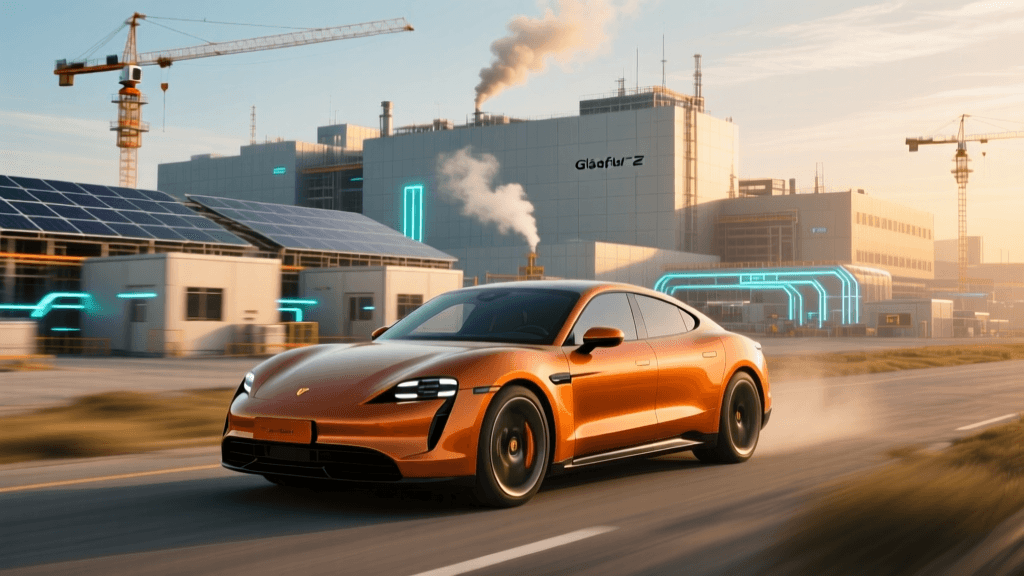
To understand the sheer scale of the current capacity expansion, one must look at the gigafactories currently under construction or in the ramp-up phase across North America, Europe, and Asia. Automakers and battery suppliers are investing hundreds of billions of dollars to localize production. The focus has shifted from merely securing raw materials to mastering the complex art of high-yield, localized cell manufacturing.
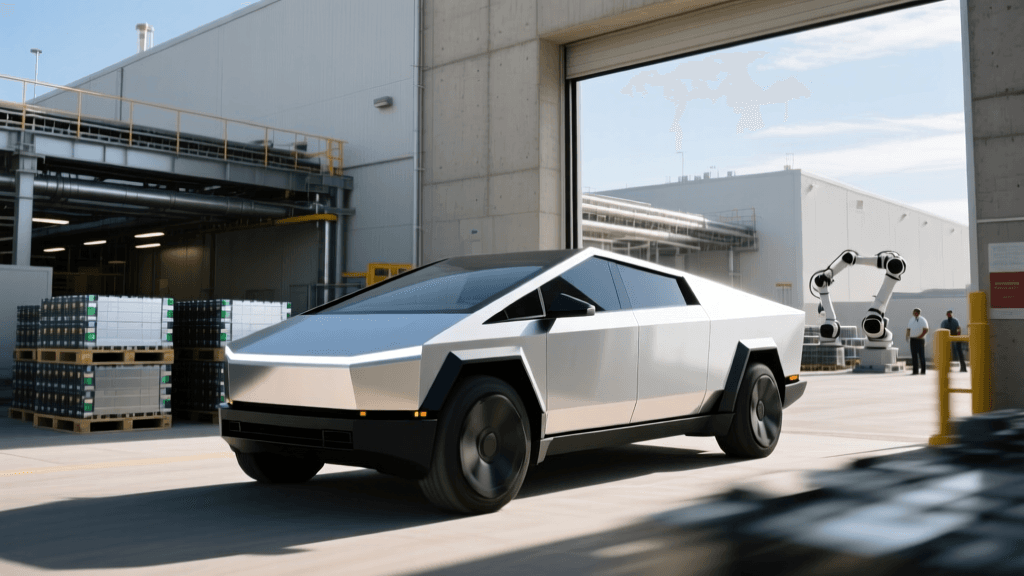
In the United States, the joint venture model has become the standard for rapid capacity deployment. General Motors and LG Energy Solution have aggressively expanded their Ultium Cells footprint, with massive facilities in Ohio, Tennessee, and Michigan coming online. Similarly, Ford and SK On are scaling up their BlueOval SK campuses, aiming to produce next-generation pouch and prismatic cells. Meanwhile, Panasonic is executing a highly anticipated expansion in De Soto, Kansas, dedicated to manufacturing Tesla’s proprietary 4680 cylindrical cells, a format that promises higher energy density and lower manufacturing costs per kilowatt-hour.
Across the Atlantic, European capacity is being bolstered by both homegrown champions and Asian giants. Northvolt continues to expand its footprint in Sweden and Germany, despite facing localized production ramp-up hurdles. Concurrently, Chinese behemoths like CATL and BYD are establishing massive European hubs. CATL’s facility in Debrecen, Hungary, and BYD’s plant in Szeged represent a strategic move to bypass potential tariffs and serve European automakers directly on the continent.
| Manufacturer / JV | Primary New Facility Location | Target Capacity (GWh) | Dominant Chemistry & Format |
|---|---|---|---|
| Panasonic / Tesla | De Soto, Kansas (USA) | 21 GWh | NMC (4680 Cylindrical) |
| Ultium Cells (GM/LG) | Lansing, Michigan (USA) | 50 GWh | NCMA (Prismatic/Pouch) |
| BlueOval SK (Ford/SK) | Glendale, Kentucky (USA) | 86 GWh (Combined) | NMC (Pouch) |
| CATL | Debrecen, Hungary | 100 GWh | LFP / NMC (Prismatic) |
| BYD | Szeged, Hungary | 30 GWh | Blade Cell (LFP) |
Regional Shifts: Policy Driving the Gigafactory Boom
The geographic distribution of these new factories is not accidental; it is heavily dictated by aggressive industrial policies. In the United States, the Inflation Reduction Act (IRA) has fundamentally rewritten the rules of battery manufacturing. By offering substantial tax credits for domestically produced cells and modules (up to $45 per kWh under Section 45X), the IRA has catalyzed a construction boom across the American South and Midwest. Automakers are now incentivized not just to assemble cars in the US, but to source the very heart of the vehicle from American soil.
According to the International Energy Agency's Global EV Outlook, these policy-driven investments are successfully diversifying the global supply chain, which was previously overwhelmingly concentrated in China. However, the IEA also notes that while announced capacity is vast, the actual realization of this capacity depends heavily on the speed of permitting, local workforce training, and the stabilization of critical mineral supply chains.
In Europe, the Critical Raw Materials Act and the Net-Zero Industry Act aim to replicate this localized boom, though high energy costs and stricter environmental permitting processes have slowed the pace of construction compared to North America. Consequently, European automakers are increasingly relying on the localized expansions of Asian battery giants to meet their near-term electrification targets.
LFP vs. NMC: Chemistry Shifts in New Facilities
One of the most vital trends in new factory announcements is the dramatic pivot toward Lithium Iron Phosphate (LFP) chemistry. Historically, LFP was viewed as a budget alternative with lower energy density, primarily manufactured in China. However, improvements in cell-to-pack (CTP) structural integration and a desire to eliminate reliance on expensive nickel and cobalt have made LFP the chemistry of choice for standard-range and high-volume vehicles.
New gigafactories announced for 2025 and beyond are increasingly dedicating significant portions of their production lines to LFP. Ford, for example, has pivoted its Michigan battery strategy to focus on LFP production using CATL’s licensed technology. Tesla continues to utilize LFP for its standard-range Model 3 and Model Y vehicles globally. As Argonne National Laboratory's battery supply chain research highlights, the shift toward LFP not only reduces manufacturing costs but also mitigates the ethical and environmental concerns associated with cobalt mining, making the entire EV lifecycle more sustainable.
Conversely, Nickel Manganese Cobalt (NMC) and its variants (like NCMA) remain the focus for high-performance, long-range, and heavy-duty applications. The new Panasonic and Ultium Cells facilities are heavily optimized for these high-nickel chemistries, ensuring that premium EVs and electric pickup trucks can achieve the 300+ mile ranges demanded by North American consumers.
Actionable Advice for EV Buyers and Fleet Managers
How does this massive influx of battery cell capacity translate to real-world decisions for consumers and commercial operators? Here is actionable advice based on the current factory expansion timeline:
- Time Your Purchases for LFP Integration: If you are a consumer looking for a standard-range commuter EV or a fleet manager electrifying a last-mile delivery van, consider delaying major purchases until late 2025 or 2026. By this time, the newly announced US and European LFP factories will be fully ramped up. The influx of localized LFP cells is projected to drive down the base MSRP of standard-range EVs by 10% to 15%, making them significantly more affordable.
- Secure NMC Contracts Early for Heavy-Duty Needs: If your fleet requires long-range electric semi-trucks or heavy-duty work trucks, you need the high energy density of NMC cells. Because new factory capacity for NMC is being rapidly absorbed by premium passenger vehicles and defense applications, commercial fleet operators should lock in vehicle allocation and battery supply contracts now, rather than waiting for the 2026 production cycles.
- Monitor Localized Content for Tax Incentives: For US-based buyers, the expansion of domestic gigafactories means a growing list of vehicles will qualify for the full $7,500 federal EV tax credit. Before purchasing, verify that the specific battery cell and module sourcing aligns with the latest IRS guidelines, as newly opened plants in Michigan, Tennessee, and Georgia are actively pushing more models over the qualification threshold.
- Anticipate the End of Range Anxiety via Cost Reductions: The sheer volume of announced capacity (exceeding 2.5 Terawatt-hours globally by 2028) suggests that battery cell prices will continue their downward trajectory, potentially stabilizing below $80 per kWh at the pack level. Buyers should expect that future vehicle generations will offer larger battery packs at the same price point, rather than just cheaper vehicles with smaller packs.
Future Outlook: Solid-State and Sodium-Ion Pilot Lines
While lithium-ion in its various chemical forms dominates current factory announcements, the gigafactories of tomorrow are already being planned. Leading manufacturers are integrating pilot lines for solid-state batteries (SSBs) and sodium-ion (Na-ion) cells into their new mega-campuses. Toyota, Nissan, and Samsung SDI have all announced timelines between 2027 and 2029 for the commercialization of solid-state cells, which promise vastly superior energy density and faster charging times.
Simultaneously, sodium-ion technology is moving from the laboratory to the factory floor. CATL and BYD are pioneering Na-ion production lines designed for entry-level micro-EVs and grid-scale energy storage, offering a crucial alternative that relies on abundant, inexpensive sodium rather than constrained lithium reserves. The U.S. Department of Energy's Vehicle Technologies Office notes that diversifying beyond traditional lithium-ion chemistries is a critical pillar of long-term energy security and grid resilience.
Ultimately, the wave of new battery cell factory announcements and capacity expansions represents a maturing industry. We are transitioning from an era of constrained supply and frantic stockpiling to an era of optimized, localized, and diversified manufacturing. For the EV market, this means the foundation is finally being laid for truly mass-market electric mobility, characterized by lower prices, resilient supply chains, and a broader array of battery technologies tailored to specific use cases.