The Looming Lithium Supply Crunch and the DLE Solution
As the global transition to electric vehicles (EVs) accelerates, the demand for lithium-ion batteries is outpacing the traditional mining sector's ability to supply raw materials. According to the International Energy Agency (IEA), lithium demand could grow by more than fivefold by 2030 under current policy frameworks. Historically, the industry has relied on two primary methods: hard rock mining (spodumene) in Australia and solar evaporation ponds in South America's "Lithium Triangle." However, both methods present severe environmental and temporal bottlenecks. Enter Direct Lithium Extraction (DLE)—a suite of advanced chemical engineering technologies poised to revolutionize the EV battery supply chain by 2025 and beyond.
How Direct Lithium Extraction (DLE) Technology Works
Unlike traditional evaporation ponds, which rely on the sun and wind to concentrate brine over 18 to 24 months, DLE technologies extract lithium directly from liquid brine sources in a matter of hours or days. The process typically involves pumping lithium-rich brine from underground aquifers, geothermal reservoirs, or even oilfield wastewater to the surface.
The Core Mechanisms of DLE
- Ion Exchange (IX) & Adsorption: Brine is passed through columns containing specialized ceramic beads, titanium-based sorbents, or manganese oxide filters. These materials are engineered to selectively "grab" lithium ions while ignoring other salts like magnesium, calcium, and sodium.
- Membrane Separation: Using nanofiltration or reverse osmosis, membranes apply pressure to separate lithium from the brine solution based on ionic size and charge.
- Electrochemical Intercalation: An emerging method that uses battery-like electrodes to pull lithium ions out of the brine via electrical currents, offering extremely high purity levels.
Once the lithium is captured, a mild acid or water wash (elution) strips the lithium from the sorbent, creating a highly concentrated lithium chloride solution. This is then refined into battery-grade lithium carbonate or lithium hydroxide. Crucially, the depleted brine is re-injected into the underground aquifer, preserving the water table.
Environmental Impact: DLE vs. Traditional Mining
From an environmental, social, and governance (ESG) perspective, DLE represents a massive leap forward. Traditional evaporation ponds in arid regions like Chile's Atacama Desert evaporate millions of liters of water per ton of lithium produced, severely impacting local ecosystems and indigenous agriculture. Hard rock mining requires extensive land clearing, crushing, and roasting at temperatures exceeding 1,000°C, resulting in a heavy carbon footprint.
Below is a comparative analysis of the environmental and operational metrics across the three primary lithium extraction methods:
| Metric | Evaporation Ponds (Brine) | Hard Rock (Spodumene) | Direct Lithium Extraction (DLE) |
|---|---|---|---|
| Processing Time | 18 - 24 Months | 1 - 3 Months (Post-Mining) | 24 - 72 Hours |
| Lithium Recovery Rate | 40% - 50% | 60% - 70% | 80% - 95% |
| Water Consumption | High (Evaporative Loss) | Moderate (Processing & Dust) | Low (95%+ Brine Re-injection) |
| Land Footprint | Massive (Hundreds of Acres) | Large (Open Pit Mines) | Small (Modular Industrial Sites) |
| Carbon Intensity | Moderate | High (Roasting/Refining) | Low to Moderate (Grid Dependent) |
By returning the spent brine to its source, DLE maintains aquifer pressure and prevents the subsidence and water scarcity issues that have plagued legacy brine operations. The United States Geological Survey (USGS) continually highlights the necessity of developing these sustainable extraction methodologies to secure domestic supply chains without compromising local water resources.
Commercialization Timelines and Global Hotspots
The transition from pilot plants to commercial-scale DLE facilities is the defining narrative of the 2024-2026 battery metals outlook. Several key geographic hotspots are leading the charge:
1. The Salton Sea, California (Geothermal Brines)
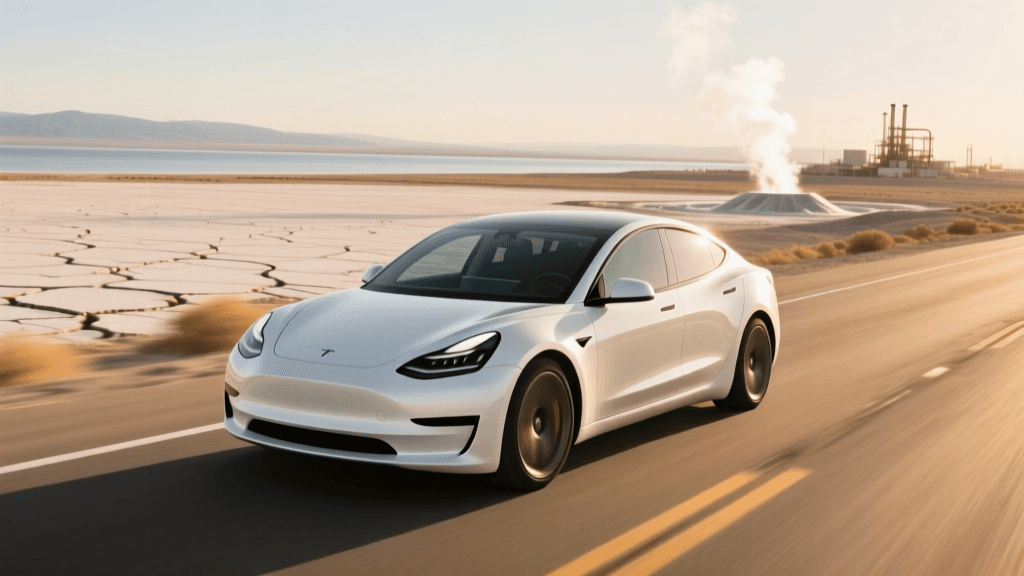
Often dubbed "Lithium Valley," the Salton Sea holds vast reserves of lithium dissolved in high-temperature geothermal brine. Companies like Controlled Thermal Resources (CTR) and EnergySource Minerals are integrating DLE with existing geothermal power plants. This synergy allows facilities to use renewable baseload power to run the DLE process, driving the carbon footprint of the resulting lithium near zero. Commercial-scale production targets are set for late 2025 and 2026, with automakers like General Motors already securing off-take agreements.
2. The Smackover Formation, Arkansas (Oilfield Brines)
The Permian Basin and the Smackover Formation contain massive amounts of lithium-rich wastewater produced as a byproduct of oil and gas extraction. Companies such as Standard Lithium and ExxonMobil are deploying DLE to turn this hazardous waste into a high-value battery material. ExxonMobil recently announced plans to produce up to 10,000 metric tons of lithium annually by 2026 using DLE, signaling a major crossover of legacy energy capital into the EV supply chain.
3. The Upper Rhine Valley, Europe
Europe is aggressively pursuing domestic lithium to reduce reliance on Asian refining. Startups like Vulcan Energy are utilizing geothermal brines in the Upper Rhine Valley to produce "Zero Carbon Lithium." By co-locating DLE facilities with geothermal district heating networks, these projects offer a dual revenue stream and unparalleled ESG credentials for European automakers.
Actionable Advice for Supply Chain Managers and Investors
For industry stakeholders looking to navigate the DLE landscape, practical due diligence is required. The technology is not a monolith; different brine chemistries require vastly different DLE sorbents. When evaluating DLE projects or startups, focus on these critical metrics:
- Re-injection Viability: Extracting lithium is only half the battle. Ensure the project has secured permits and proven the geological viability of re-injecting spent brine without clogging the aquifer with precipitated salts.
- Elution Chemistry: Pay close attention to the acid or wash used to strip lithium from the sorbent. Processes requiring high concentrations of hydrochloric acid (HCl) introduce severe supply chain and environmental liabilities. Next-gen startups using pure water or mild electrochemical elution are better long-term bets.
- Pilot-to-Commercial Scaling: Be wary of companies that have only achieved high recovery rates in benchtop labs. Look for continuous-flow pilot plants processing thousands of liters per day in actual field conditions, as brine chemistry fluctuates seasonally and spatially.
- Secure Off-Take Agreements Early: For automakers and battery cell manufacturers, DLE capacity coming online between 2026 and 2028 will be heavily subscribed. Engaging in joint ventures or providing upfront CapEx in exchange for guaranteed, traceable, low-carbon lithium is a highly recommended strategy to hedge against future spot-market volatility.
Impact on Battery Chemistries: LFP and NMC
The purity of the lithium produced via DLE is a game-changer for battery manufacturing. Because DLE selectively filters out impurities like magnesium and boron at the extraction stage, the resulting lithium carbonate or hydroxide requires less intensive downstream refining. This high-purity output is particularly beneficial for the production of Lithium Iron Phosphate (LFP) cathodes, which demand strict impurity controls to prevent battery degradation and thermal runaway. As the U.S. Department of Energy's Critical Minerals Strategy outlines, securing high-purity, domestically processed battery-grade lithium is essential for onshoring the entire EV battery manufacturing ecosystem.
Future Outlook: Reaching Cost Parity
Historically, the primary criticism of DLE has been its high Capital Expenditure (CapEx) and operational energy costs compared to the "free" energy of solar evaporation. However, as legacy evaporation ponds face stricter environmental regulations, water taxes, and extended permitting delays, the levelized cost of traditional lithium is rising. Conversely, DLE costs are plummeting due to modular manufacturing, improved sorbent lifespans (now exceeding 2,000 cycles), and economies of scale. By 2027, industry analysts project that DLE will reach cost parity with traditional brine operations, effectively making it the dominant method for new lithium projects globally. For the EV industry, this means a more stable, geographically diverse, and environmentally sustainable battery supply chain is finally on the horizon.