The Dawn of Direct Lithium Extraction (DLE)
The global transition to electric vehicles (EVs) has triggered an unprecedented demand for lithium, the foundational element for modern high-energy-density battery cells. According to data from the U.S. Geological Survey, global lithium consumption has skyrocketed over the past decade, driven primarily by the EV and energy storage sectors. However, the traditional methods of sourcing this critical mineral—namely, hard-rock spodumene mining in Australia and solar evaporation ponds in the Lithium Triangle of South America—are struggling to scale at the pace required by the automotive industry. Furthermore, these legacy methods carry heavy environmental penalties, including massive land disruption, high carbon footprints, and severe local water depletion.
Enter Direct Lithium Extraction (DLE). This suite of advanced chemical and physical separation technologies promises to fundamentally disrupt the lithium supply chain. By extracting lithium directly from underground brine deposits without the need for massive, multi-year evaporation ponds, DLE offers a faster, more efficient, and potentially far more sustainable pathway to secure the battery-grade lithium carbonate and lithium hydroxide required for next-generation EV batteries. As we look toward the 2030 horizon, DLE is transitioning from a laboratory curiosity to a commercial imperative.
Decoding DLE Technology: How It Works
Unlike traditional evaporation, which relies on the sun and wind to concentrate brine over 18 to 24 months, DLE technologies operate in closed-loop, industrial-scale facilities. The process typically involves pumping lithium-rich geothermal brine to the surface and passing it through a specialized extraction medium. There are three primary DLE techniques currently vying for commercial dominance:
- Adsorption and Ion Exchange (IX): This is the most mature DLE method. The brine is passed through columns containing proprietary ceramic beads or resin materials that selectively 'grab' lithium ions while allowing other minerals (like magnesium, calcium, and sodium) to pass through. The lithium is then washed off the beads using fresh water or a mild acid, and the depleted brine is reinjected into the aquifer.
- Solvent Extraction (SX): This method uses specialized organic solvents that bind to lithium ions in the brine. The lithium-rich solvent is then separated and treated to recover the lithium. While highly selective, managing the chemical solvents at an industrial scale presents engineering challenges.
- Membrane Filtration (Nanofiltration/Reverse Osmosis): Leveraging advanced polymer or ceramic membranes, this technique applies pressure to force brine through microscopic pores that allow lithium ions to pass while blocking larger or differently charged divalent ions. It is highly energy-intensive but boasts a very small physical footprint.
The most striking advantage of DLE is its speed. While evaporation ponds take up to two years to yield a product, DLE facilities can process brine and produce battery-grade lithium precursors in a matter of 24 to 48 hours. Additionally, DLE boasts a vastly superior recovery rate. Traditional evaporation ponds typically recover only 40% to 50% of the lithium in the brine, whereas DLE technologies target recovery rates of 80% to 95%.
Environmental Impact: DLE vs. Traditional Mining
From an environmental, social, and governance (ESG) perspective, automakers and battery manufacturers are under immense pressure to clean up their supply chains. The International Energy Agency's Global EV Outlook frequently highlights the necessity of sustainable critical mineral sourcing to ensure the net-zero benefits of EVs are not negated by their manufacturing footprint. DLE offers a compelling environmental narrative, particularly when co-located with geothermal energy plants.
Below is a structured comparison of the environmental and operational metrics between DLE, Hard Rock Mining, and Evaporation Ponds:
| Metric | DLE (Brine) | Evaporation Ponds (Brine) | Hard Rock (Spodumene) |
|---|---|---|---|
| Extraction Timeline | 24 - 48 Hours | 18 - 24 Months | Continuous (Mining) |
| Lithium Recovery Rate | 80% - 95% | 40% - 50% | 60% - 70% (Post-Roasting) |
| Land Footprint per Ton LCE | Very Low (Industrial plant) | Extremely High (Massive ponds) | High (Open-pit mines) |
| Water Usage & Impact | Moderate (Brine reinjected) | Severe (High evaporation loss) | High (Processing & dust control) |
| Carbon Footprint | Low (Especially with geothermal) | Moderate (Pumping & transport) | Very High (Diesel & roasting) |
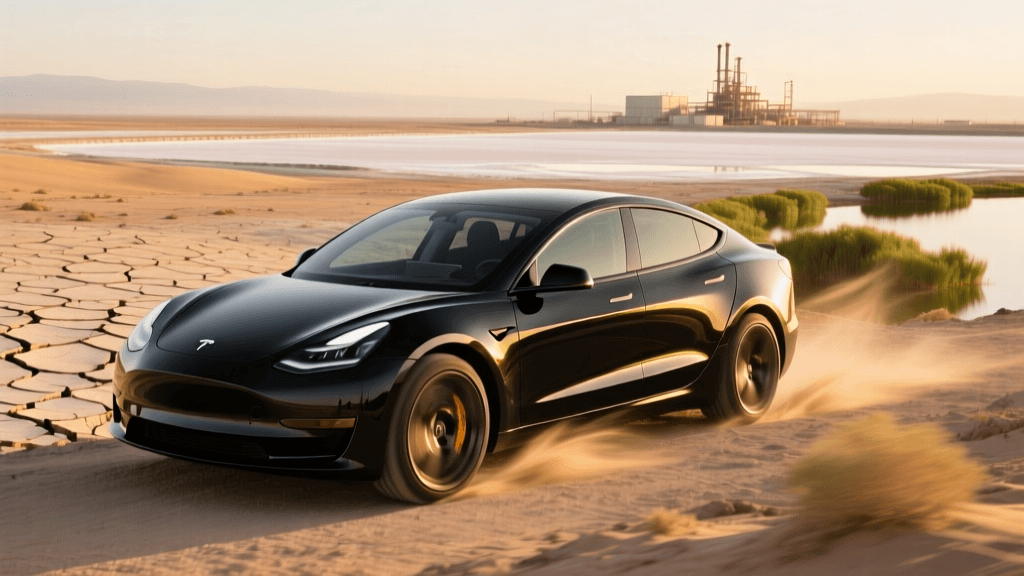
By reinjecting the depleted brine back into the geothermal reservoir, DLE maintains aquifer pressure and minimizes surface water depletion—a critical factor for projects located in arid regions. Furthermore, when powered by the very geothermal heat that brings the brine to the surface, DLE facilities can operate on 100% renewable, baseload energy, drastically reducing the carbon intensity of the resulting lithium.
Commercial Progress and the Salton Sea Frontier
The epicenter of the North American DLE revolution is the Salton Sea in California's Imperial Valley. The Salton Sea Known Geothermal Resource Area (KGRA) contains an estimated 4 million tons of lithium, with brine temperatures reaching up to 300°F (149°C) and lithium concentrations ranging from 200 to 300 mg/L. Several high-profile companies are currently scaling their pilot plants into commercial demonstration facilities here.
EnergySource Minerals (formerly Controlled Thermal Resources) is advancing its 'Hell's Kitchen Lithium and Power' project. By integrating DLE directly with a geothermal power plant, they aim to produce zero-emission lithium. Their first phase targets 40,000 metric tons of Lithium Carbonate Equivalent (LCE) annually. Similarly, Berkshire Hathaway Energy Renewables is testing advanced DLE sorbents at their existing geothermal facilities, aiming to retrofit current plants to add lithium extraction capabilities.
Beyond California, companies like Standard Lithium are targeting the Smackover Formation in Arkansas, utilizing DLE to extract lithium from the brine produced as a byproduct of the region's massive bromine industry. This 'brownfield' approach leverages existing infrastructure and drilling, significantly reducing initial capital expenditure (CAPEX) and permitting timelines.
Economic Hurdles: CAPEX, OPEX, and Scaling
Despite the immense promise, DLE is not without significant commercialization hurdles. The primary barrier to widespread adoption is capital intensity. Building a commercial-scale DLE facility requires massive upfront investment in specialized chemical plants, corrosion-resistant piping (due to the highly saline and acidic nature of hot brine), and water treatment infrastructure. Current industry estimates place DLE CAPEX between $15,000 and $25,000 per annual ton of LCE capacity, compared to lower initial costs for expanding existing evaporation ponds.
Operational expenditure (OPEX) also presents challenges. The specialized resins and membranes used in adsorption and filtration degrade over time when exposed to harsh brine chemistries, high temperatures, and abrasive particulates. Replacing these consumables represents a significant ongoing cost. For DLE to achieve true cost parity with legacy brine operations (which boast OPEX as low as $3,500 to $5,000 per ton), technology providers must engineer more durable, long-lasting extraction media and optimize water recycling loops to reduce freshwater and reagent consumption.
Future Trends & Industry Outlook (2025–2030)
As we move through the latter half of this decade, the DLE landscape will be defined by a shift from pilot testing to bankable commercial production. We anticipate several key trends to dominate the sector:
- Consolidation of Tech Providers: The market is currently flooded with dozens of DLE startup technologies. By 2028, we expect the industry to consolidate around three or four proven, bankable technology providers (e.g., Lilac Solutions, EnergySource, LANXESS) who can offer performance guarantees to EPC contractors.
- Integration with Geothermal Power: The synergy between geothermal electricity generation and DLE will become the standard business model in regions like the Salton Sea and the Upper Rhine Graben in Europe, effectively subsidizing the energy costs of the extraction process.
- Stricter ESG Mandates: Upcoming battery passport regulations in the European Union will mandate strict carbon footprint and water usage disclosures. This regulatory pressure will inherently favor DLE over hard-rock mining, allowing DLE-produced lithium to command a 'green premium' in the market.
Actionable Takeaways for the EV and Battery Industry
For automakers, battery cell manufacturers, and supply chain strategists, the rise of DLE requires immediate, proactive positioning. Relying solely on traditional mining conglomerates leaves companies exposed to geopolitical bottlenecks and ESG-related supply shocks. Here is actionable advice for industry stakeholders:
- Secure Early Off-Take Agreements: Automakers should bypass traditional brokers and establish direct joint ventures or off-take agreements with DLE developers currently in the demonstration phase. Providing equity or debt guarantees in exchange for guaranteed LCE volumes from 2027 onward is a proven strategy to secure domestic supply.
- Target 'Brownfield' DLE Projects: When evaluating investments, prioritize DLE projects that utilize existing brine infrastructure (such as oilfield brines in Texas or bromine operations in Arkansas). These projects bypass the multi-year permitting and drilling phases, offering a much faster path to commercial production and lower initial CAPEX.
- Demand Battery-Grade Refining Integration: Raw DLE output is often a lithium chloride or lithium sulfate intermediate. Battery makers should prioritize partnerships with DLE developers who are co-locating their extraction facilities with on-site chemical conversion plants capable of refining the intermediate directly into battery-grade lithium hydroxide monohydrate (LiOH·H2O), the preferred cathode material for high-nickel NMC and NMCA EV batteries.
Ultimately, Direct Lithium Extraction is not just a technological novelty; it is the critical bridge to a sustainable, scalable, and geopolitically secure EV battery supply chain. The companies that recognize and invest in this paradigm shift today will dictate the pace of the electric mobility revolution tomorrow.