What Are Ultium Batteries and Why Do They Matter?
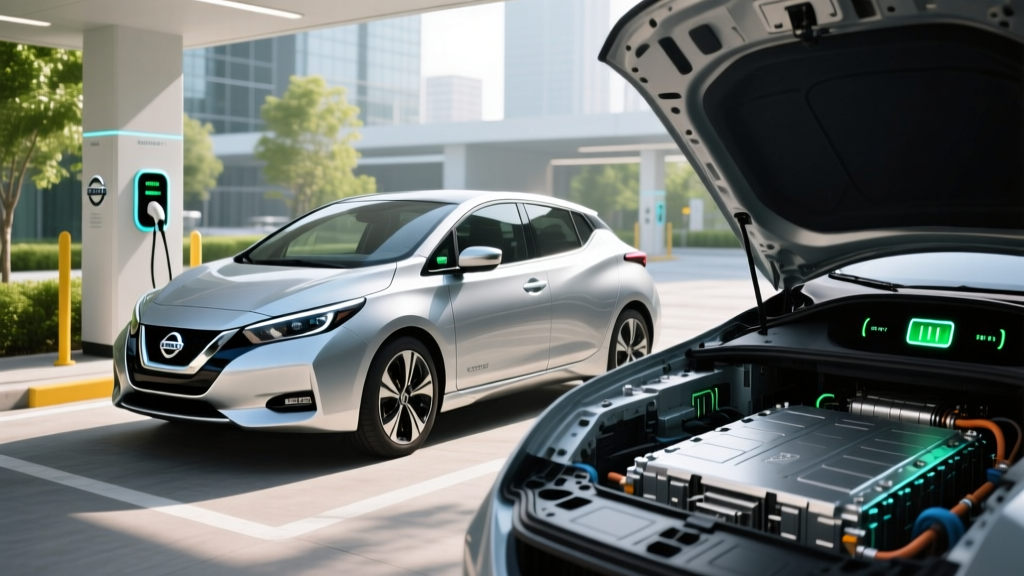
GM's Ultium platform is the backbone of nearly every electric vehicle the automaker sells in 2026 — from the Chevrolet Equinox EV and Blazer EV to the Cadillac Lyriq, GMC Sierra EV, and Hummer EV Pickup. But "Ultium" is more than a marketing label. It refers to a specific battery architecture built around large-format pouch cells, a wireless battery management system (wBMS), and an NCMA (nickel-cobalt-manganese-aluminum) cathode chemistry that GM co-developed with LG Energy Solution.
Understanding what's inside an Ultium pack — and how it degrades, how it's warranted, and what it costs to replace — is essential if you're shopping for any GM electric vehicle or comparing one against a competitor using LFP or conventional NMC cells. This guide breaks down the technical details with real numbers, not marketing copy.
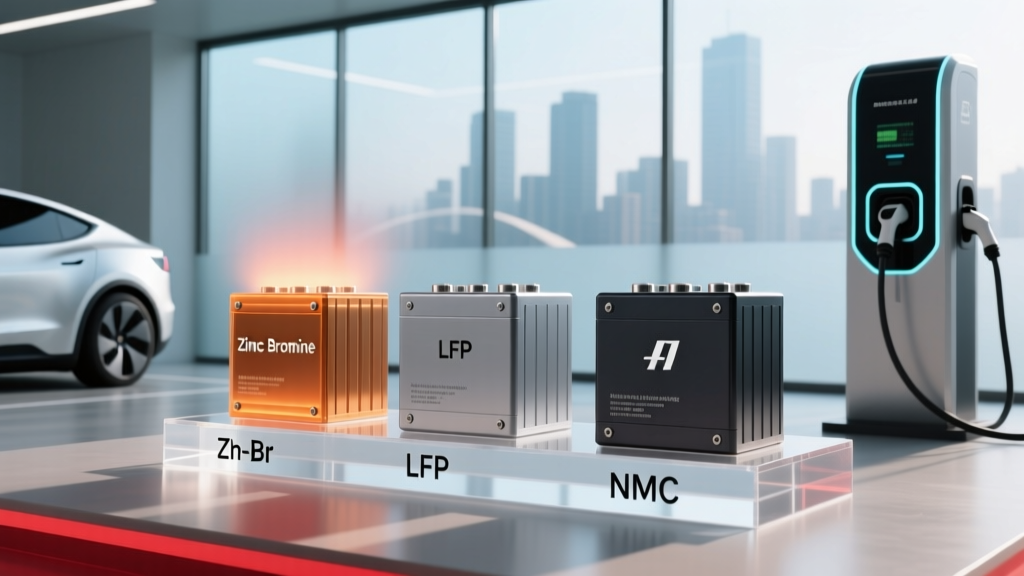
Ultium Chemistry: NCMA vs LFP vs Conventional NMC
Ultium cells use an NCMA cathode — a variant of NMC (nickel-manganese-cobalt) that adds aluminum to the mix. The aluminum improves thermal stability and cycle life while allowing GM to reduce cobalt content by roughly 70% compared to earlier-generation NMC cells. The anode uses a silicon-enhanced graphite blend, which increases energy density at the cell level.
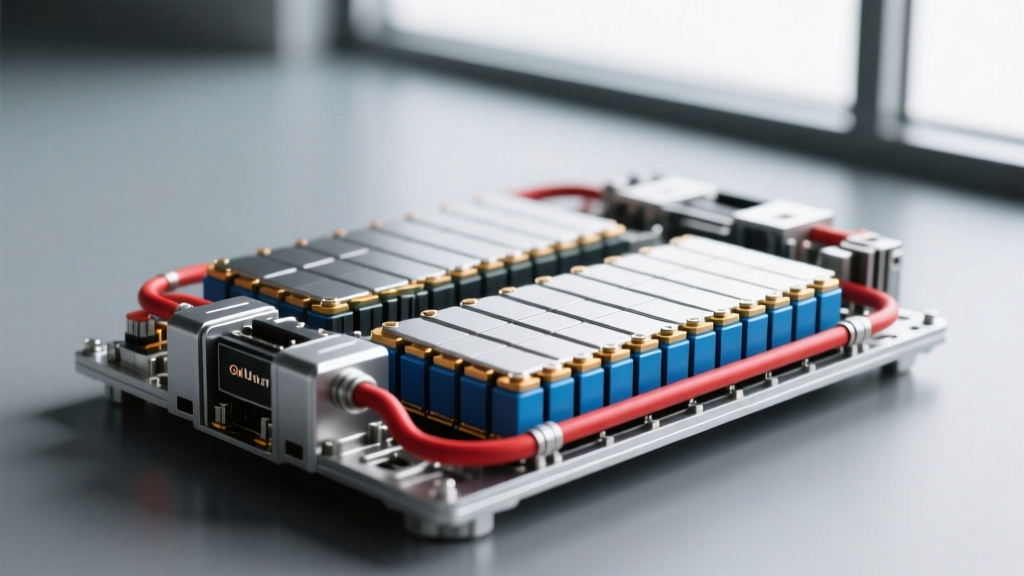
Each Ultium pouch cell measures roughly 584 mm × 102 mm × 12 mm and stores approximately 0.37 kWh. Packs range from about 85 kWh usable (Equinox EV) to 200+ kWh (Hummer EV) by stacking these pouches in modules of 24 cells each, wired in series and parallel configurations.
Here's how NCMA Ultium compares to the two other dominant chemistries in the 2026 EV market:
| Attribute | GM Ultium (NCMA) | LFP (LiFePO4) | Conventional NMC 811 |
|---|---|---|---|
| Energy density (cell-level) | ~270 Wh/kg | ~170–190 Wh/kg | ~250–280 Wh/kg |
| Typical cycle life | 1,000–1,500 cycles | 3,000–5,000+ cycles | 800–1,200 cycles |
| Cold-weather performance | Good (heat pump standard on most GM EVs) | Moderate — slower charge acceptance below 32°F | Good |
| Cobalt content | Low (aluminum substitution) | Zero | Higher (~10% cathode by weight) |
| Cost per kWh (pack-level, est.) | ~$120–$135 | ~$85–$100 | ~$125–$145 |
| Max DC fast-charge rate | Up to 350 kW (Sierra EV) | Typically 150–180 kW peak | Up to 250–350 kW |
| Best suited for | Long-range, high-performance vehicles | Standard-range, cost-sensitive models | Premium long-range packs |
The trade-off is clear: NCMA Ultium packs deliver higher energy density than LFP, meaning more range in the same physical space. That's why the Cadillac Lyriq fits 102 kWh usable into a midsize crossover footprint and achieves an EPA-estimated 314 miles of range. But LFP wins on longevity and cost — which is why Tesla, Ford, and others reserve LFP for base trims while saving NMC/NCMA for long-range variants.
Ultium Battery Degradation: What the Data Shows
Battery degradation — the gradual loss of usable capacity over time — is the single biggest concern for EV buyers. For Ultium packs, we now have enough real-world data from vehicles on the road since 2022 (Lyriq, Hummer EV) and 2024 (Equinox EV, Blazer EV, Silverado EV) to draw meaningful conclusions.
- Year 1 / ~15,000 miles: 1–2% capacity loss (initial formation settling)
- Year 2 / ~30,000 miles: 3–4% cumulative loss
- Year 4 / ~60,000 miles: 5–7% cumulative loss
- Year 6 / ~90,000 miles: 7–9% cumulative loss
- Year 8 / ~100,000 miles: 8–11% cumulative loss
This trajectory is consistent with independent testing by Recurrent Auto, which tracks degradation across thousands of EVs. NCMA chemistry shows a slightly steeper initial drop than LFP in the first 12 months but stabilizes into a comparable linear decline afterward.
A critical factor in Ultium's favor is GM's active thermal management system. The pack uses a liquid-cooled cold plate beneath each module, which keeps cell temperatures in the optimal 68–95°F (20–35°C) range during both driving and charging. Vehicles that garage overnight and precondition before DC fast charging consistently show degradation at the lower end of these ranges.
Ultium Battery Warranty: What GM Covers
GM provides one of the more straightforward battery warranties in the industry. Per federal mandate, all EV battery packs must carry at least an 8-year/100,000-mile warranty. GM matches this baseline across its Ultium-powered lineup.
| Term | Detail |
|---|---|
| Duration | 8 years / 100,000 miles (whichever comes first) |
| Capacity retention threshold | 70% of original usable capacity |
| What triggers a claim | State of Health (SoH) drops below 70% under normal use |
| What's covered | Cell modules, BMS, thermal management components, wiring harnesses within the pack |
| What's NOT covered | Damage from accidents, flooding, unauthorized modifications, or use outside vehicle specifications |
| Transferable to second owner? | Yes — warranty follows the VIN, not the original buyer |
The 70% threshold is industry-standard — Tesla, Ford, Hyundai, and most others use the same floor. In practical terms, a Lyriq with 102 kWh usable when new would need to fall below roughly 71.4 kWh before GM is obligated to repair or replace modules under warranty. Based on the degradation data above, the vast majority of Ultium packs will remain well above this threshold at the 8-year mark.
One important nuance: the warranty covers capacity, not range directly. If your range drops because of increased rolling resistance, tire wear, or accessory load, that's not a battery warranty claim. Use your vehicle's SoH readout (detailed below) to track actual pack capacity.
Ultium Battery Replacement Cost: When and How Much
Full pack replacement is rare — most EV batteries outlive the vehicles they're installed in. According to data from fueleconomy.gov and warranty claim rates published by major automakers, fewer than 1–2% of EV batteries require full replacement under warranty. When individual modules fail, technicians can swap out single modules rather than the entire pack.
| Vehicle | Pack Size (Usable) | Full Pack Replacement (Parts + Labor) | Single Module Repair (Est.) |
|---|---|---|---|
| Chevrolet Equinox EV | 85 kWh | $12,000–$16,000 | $1,500–$2,500 |
| Cadillac Lyriq | 102 kWh | $15,000–$20,000 | $1,800–$3,000 |
| Chevrolet Silverado EV | 175–200 kWh | $25,000–$35,000 | $2,000–$4,000 |
| GMC Hummer EV | 212+ kWh (Dual-layer) | $30,000–$42,000 | $2,500–$4,500 |
These figures include the battery pack, labor at a GM-certified EV service center, coolant refill, and BMS recalibration. Costs have declined roughly 8–12% per year as Ultium cell production scales at the Ultium Cells plants in Ohio, Tennessee, and Michigan. By 2028–2030, expect replacement costs to fall further as refurbished Ultium modules enter the aftermarket.
When is replacement actually needed? Most commonly, it's not gradual degradation that forces a swap — it's a manufacturing defect that triggers an early failure, typically within the first 2–3 years. These are covered under warranty. Outside-warranty replacements at 10+ years are uncommon but will become more relevant as early Hummer EVs and Lyriqs age past 2030.
Factors That Accelerate Ultium Battery Degradation
Not all miles are created equal when it comes to battery wear. Based on fleet data and owner reports, the following habits measurably impact how quickly an Ultium pack loses capacity:
- Minimize daily DC fast charging. Frequent 150–350 kW sessions generate sustained heat. Data shows vehicles that DC fast-charge more than 3× per week degrade 1–3% faster over 4 years than those that primarily use Level 2. Reserve DCFC for road trips.
- Set a daily charge limit of 80–90%. NCMA chemistry stresses less at partial state of charge. Use the vehicle's charge-limit setting in the MyChevrolet or myCadillac app. Charge to 100% only when you need full range for a long trip.
- Precondition before DC fast charging. Ultium packs charge fastest and with least stress when the cells are pre-warmed. Enable "DC Fast Charging preconditioning" in navigation — the car will heat or cool the pack as you approach the charger.
- Avoid prolonged storage at 100% SoC. If leaving the vehicle for more than a week, set charge level to 50–60%. High SoC + high ambient temperature accelerates electrolyte decomposition.
- Don't baby it in cold weather — precondition instead. Charging a cold NCMA pack forces lithium plating risk. Always precondition. The slight energy cost is far cheaper than long-term capacity loss.
- Keep firmware updated. GM periodically refines BMS algorithms via OTA updates. These often include improved charge-curve maps and thermal thresholds that protect the pack.
The single most impactful habit is reducing DC fast-charge frequency. Ultium's 350 kW peak rate (on Sierra EV and Hummer EV) is impressive for road trips, but daily use at that rate will push degradation toward the higher end of the ranges cited above. A home Level 2 charger at 7.7–11.5 kW remains the healthiest daily charging method for any NCMA pack.
How to Check Ultium Battery Health (State of Health)
GM provides several ways to monitor your Ultium pack's State of Health (SoH) — the percentage of original capacity remaining:
In-Vehicle Display
On 2024+ Ultium vehicles, navigate to Settings → EV → Battery Health on the infotainment screen. This displays an SoH percentage and a color-coded status indicator. Note that this readout updates periodically, not in real time — expect it to refresh every 500–1,000 miles or after a full charge cycle.
Mobile App Monitoring
The MyChevrolet, myCadillac, or GMC app (depending on your brand) includes a "Battery Health" tile under the EV section. This mirrors the in-vehicle readout and logs historical SoH data so you can track the trend over months.
OBD-II Diagnostic Tools
For more granular data — including individual module voltages, internal resistance, and cell balancing status — third-party tools like LeafSpy Pro (adapted for GM protocols) or dealer-level GDS2 scan tools can pull detailed BMS logs. Independent EV shops can also run a full pack health report for $50–$100.
Range-Based Estimation
If your Lyriq originally delivered 300 real-world highway miles at 100% SoC and now delivers 275 under the same conditions, that's roughly an 8% capacity loss. This isn't as precise as a BMS readout but provides a useful sanity check.
Emerging Battery Tech: What Comes After Ultium?
GM has publicly committed to two next-generation battery technologies, though neither is in production vehicles as of 2026:
Silicon-dominant anode cells: GM and its battery joint venture (Ultium Cells LLC) are testing cells with higher silicon content in the anode, which could boost energy density by 15–20% over current Ultium pouches. Expected timeline: limited production in 2028–2029 models, likely debuting in a Cadillac or performance Chevrolet variant.
Solid-state batteries: GM has a research partnership with Solid Power and has demonstrated prototype cells in lab settings. Solid-state technology promises higher energy density, faster charging, and improved safety by replacing the liquid electrolyte with a solid ceramic or sulfide conductor. However, manufacturing scale-up remains the primary bottleneck. Realistic timeline for a production GM vehicle: 2030 or later. Do not delay a 2026 EV purchase waiting for solid-state — it is still years from dealer lots.
Both technologies are forward-looking and subject to change. Current Ultium NCMA packs represent GM's production-ready chemistry for the foreseeable future and are well-suited to the vehicles they power today.
Ultium Battery FAQ
How long do Ultium batteries last in real-world use?
Based on degradation data from 2022–2026 model-year vehicles, Ultium packs retain approximately 89–92% of original capacity at the 8-year / 100,000-mile mark. At this rate, most packs will remain functional (above 70% SoH) well past 200,000 miles and 15+ years. Full pack failure before 100,000 miles is statistically rare (under 2%) and typically covered under warranty.
How much does it cost to replace an Ultium battery?
Full pack replacement ranges from approximately $12,000 (Equinox EV, 85 kWh) to $42,000 (Hummer EV, 212+ kWh), including parts and labor at a certified service center. However, most warranty claims involve single-module repairs at $1,500–$4,500, and full replacements are uncommon. If the failure occurs within the 8-year/100,000-mile warranty period, GM covers the cost.
What does the Ultium battery warranty actually cover?
GM's battery warranty guarantees that the pack will retain at least 70% of its original usable capacity for 8 years or 100,000 miles. Coverage includes cells, modules, the battery management system, and thermal management hardware. It does not cover accident damage, flood damage, or modifications. The warranty is fully transferable to subsequent owners.
Is LFP better than Ultium's NCMA chemistry?
Neither is universally better — they optimize for different priorities. LFP wins on cost (~$85–100/kWh vs ~$120–135/kWh), cycle life (3,000–5,000 cycles vs 1,000–1,500), and cobalt-free sourcing. NCMA Ultium wins on energy density (~270 Wh/kg vs ~170–190 Wh/kg), which translates to more range in the same pack volume, and on cold-weather charge acceptance. For a 300+ mile SUV like the Lyriq, NCMA is the right choice. For a cost-optimized commuter, LFP makes more sense.
Can I check my Ultium battery health myself?
Yes. Use the Battery Health screen in your infotainment system (Settings → EV → Battery Health) or the corresponding tile in your GM brand's mobile app. Both display State of Health as a percentage. For deeper diagnostics — individual cell voltages, internal resistance, module balancing — visit a dealer or independent EV shop with GDS2-level scan tools.
Does frequent Supercharger-style DC fast charging hurt my Ultium battery?
Frequent DC fast charging (3+ sessions per week) accelerates degradation by roughly 1–3% over 4 years compared to primarily Level 2 charging. The heat generated at 150–350 kW stresses cell chemistry over time. Mitigate this by always preconditioning the pack before fast charging (use the navigation-based preconditioning feature) and relying on a home Level 2 charger for daily needs. Occasional DCFC on road trips has negligible impact.
Sources: EPA range and efficiency data from fueleconomy.gov; degradation benchmarks from Recurrent Auto; warranty terms per GM official owner's manuals and Chevrolet Warranty Guide.