Tesla's Battery Lineup in 2026: What Buyers Actually Need to Know
When shoppers search for a "Tesla new battery," they're usually asking one of three things: What chemistry is inside the latest models? How long will it last? And what happens when it finally needs replacing? These are the right questions — the traction battery is the single most expensive component in any electric vehicle, and Tesla's approach to battery technology has evolved considerably since the early Model S days.
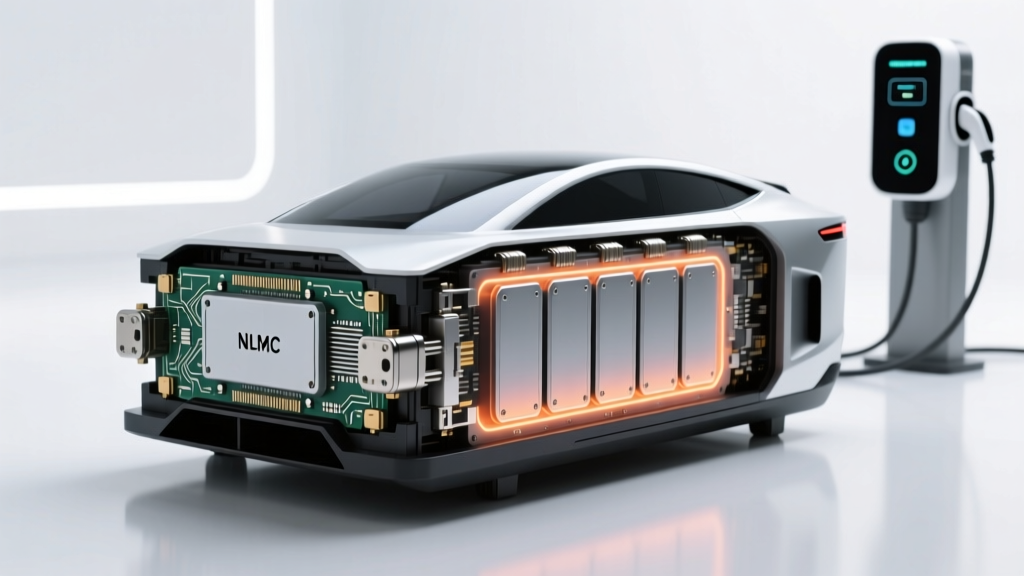
As of the 2026 model year, Tesla deploys two primary battery chemistries across its lineup: lithium iron phosphate (LFP) in standard-range vehicles and nickel-manganese-cobalt (NMC) in long-range and performance trims. Each chemistry carries distinct trade-offs in energy density, charging behavior, cold-weather performance, and longevity. Understanding these differences is essential before you configure your order — because the battery chemistry affects not just range, but how you'll own and charge the car for the next decade.
This guide breaks down Tesla's current battery technologies with exact figures, real-world degradation data, warranty coverage specifics, and replacement cost ranges. No marketing spin, just the numbers that matter.
LFP vs NMC Chemistry: The Trade-Offs Explained
Tesla sources LFP cells primarily from CATL for its Standard Range (now often badged simply as the base trim) Model 3 and Model Y. NMC cells — supplied by Panasonic, LG Energy Solution, and increasingly other partners — power the Long Range and Performance variants. Here's how the two chemistries compare on the metrics that matter to owners:
| Attribute | LFP (Lithium Iron Phosphate) | NMC (Nickel-Manganese-Cobalt) |
|---|---|---|
| Energy Density | Lower (~160 Wh/kg cell-level) | Higher (~250–270 Wh/kg cell-level) |
| Typical Usable Capacity | ~57–60 kWh (Model 3 SR) | ~75–82 kWh (Model 3/Y LR) |
| EPA Range (Model 3, 2026) | ~272 miles | ~341 miles (Long Range) |
| Cycle Life | 3,000–5,000+ cycles to 80% SoH | 1,500–2,500 cycles to 80% SoH |
| Cold-Weather Performance | More range loss in freezing temps (~25–35% reduction) | Better cold performance (~15–25% reduction) |
| Recommended Daily SoC | 100% (Tesla recommends charging to full regularly) | 80–90% for daily use; 100% for trips only |
| DC Fast Charge Peak | ~170 kW (slower peak, flatter curve) | ~250 kW (faster peak, steeper taper above 80%) |
| Cost to Manufacture | Lower (no cobalt or nickel) | Higher (commodity-sensitive metals) |
| Thermal Stability | Superior (less prone to thermal runaway) | Good but requires more active thermal management |
The practical takeaway: LFP is the longevity and value play. You sacrifice roughly 70 miles of EPA range compared to NMC Long Range, but you gain a battery that tolerates daily 100% charging, degrades more slowly over thousands of cycles, and costs less to replace if that ever becomes necessary. NMC delivers the range and fast-charging speed that road-trippers and Performance buyers prioritize.
For Model S and Model X buyers in 2026, Tesla continues to use NMC-based packs (approximately 100 kWh usable), as these flagship vehicles demand maximum range and acceleration. The Cybertruck uses a structural 4680-cell NMC pack with an estimated ~123 kWh usable capacity.
How Long Do Tesla Batteries Actually Last? Real Degradation Data
This is where fear often outpaces facts. Tesla's 2025 Impact Report (the latest published data) indicated that Model 3 and Model Y vehicles retained approximately 85% of their original battery capacity at 200,000 miles. That's a significant data point: most drivers will sell or trade the vehicle before reaching that mileage.
Typical Tesla Battery Degradation Curve (Fleet-Averaged Data):
- Year 1 / 15,000 mi: ~3–5% capacity loss (initial "formation" degradation is steepest in the first year)
- Year 3 / 45,000 mi: ~7–10% total loss
- Year 5 / 75,000 mi: ~10–13% total loss
- Year 8 / 120,000 mi: ~13–17% total loss
- 10+ years / 200,000 mi: ~15–20% total loss (fleet average; LFP packs often perform better)
Sources: Tesla Impact Reports, tesla.com/impact; independent fleet data from Recurrent Auto.
Several factors explain why Tesla batteries outlast early pessimistic projections. First, Tesla's battery management system (BMS) is among the most aggressive in the industry — it maintains a tight thermal envelope via active liquid cooling and heating, preventing the extreme temperatures that accelerate cell degradation. Second, the usable capacity Tesla advertises already excludes a built-in buffer (typically 2–5 kWh) at the top and bottom of the state-of-charge window, which protects cells from the damaging extremes of 0% and true 100%.
LFP packs specifically show remarkably flat degradation curves after the initial break-in period. Because LFP chemistry is inherently more stable, some fleet operators report LFP Model 3 vehicles at 150,000 miles with 90%+ State of Health (SoH). NMC packs degrade somewhat faster but start from a higher capacity baseline, so absolute range remains competitive even after significant use.
Tesla Battery Warranty: What's Covered and What Isn't
Tesla's battery and drive unit warranty is among the strongest in the industry, but the specific terms vary by model and trim. Here's exactly what you get:
| Model / Trim | Warranty Duration | Mileage Limit | Minimum Capacity Retention |
|---|---|---|---|
| Model 3 RWD (LFP) | 8 years | 100,000 miles | 70% |
| Model 3 Long Range / Performance | 8 years | 120,000 miles | 70% |
| Model Y (all trims) | 8 years | 120,000 miles | 70% |
| Model S | 8 years | 150,000 miles | 70% |
| Model X | 8 years | 150,000 miles | 70% |
| Cybertruck | 8 years | 120,000 miles | 70% |
The 70% retention threshold is critical: if your battery's usable capacity drops below 70% of its original kWh rating within the warranty period (whichever limit comes first — years or miles), Tesla will replace or refurbish the pack at no cost. In practice, very few Tesla owners hit this threshold under normal use. The warranty covers defects in materials and workmanship as well as abnormal degradation, but it does not cover damage from accidents, flooding, or unauthorized modifications.
One nuance that catches some owners off guard: the warranty applies to whichever limit you reach first. If you drive 120,000 miles in five years on a Model Y Long Range, your battery warranty expires at that mileage even though you're well within the eight-year time window. High-mileage drivers should factor this into their ownership calculus.
Tesla Battery Replacement Cost: When and How Much
The question of replacement cost generates more anxiety than perhaps any other EV topic. Here's the reality grounded in current pricing and typical ownership timelines:
| Model | Battery Size (Usable kWh) | Chemistry | Estimated Replacement Cost | Typical Replacement Timeline |
|---|---|---|---|---|
| Model 3 RWD | ~57–60 kWh | LFP | $12,000–$14,000 | Rarely needed; 250,000+ mi potential |
| Model 3 LR / Performance | ~75–82 kWh | NMC | $14,000–$17,000 | 200,000+ mi typical lifespan |
| Model Y (all trims) | ~60–82 kWh | LFP or NMC | $13,000–$18,000 | 200,000+ mi typical lifespan |
| Model S | ~100 kWh | NMC | $18,000–$22,000 | 200,000+ mi; early 2013–2016 packs had higher failure rates |
| Model X | ~100 kWh | NMC | $18,000–$22,000 | Similar to Model S |
| Cybertruck | ~123 kWh | NMC (4680) | $20,000–$25,000 (est.) | Too new for long-term data |
These figures include the battery pack itself plus labor at a Tesla Service Center. Third-party EV repair shops are beginning to offer module-level repairs (replacing individual failed modules rather than the entire pack) for $5,000–$10,000, though this is more common on older Model S/X vehicles with removable module designs.
The critical context: according to data from fueleconomy.gov and independent surveys, the average EV battery replacement rate before 150,000 miles is well under 5%. The vast majority of Tesla batteries outlast the vehicle's useful economic life. The median age of vehicles scrapped in the US is approximately 21 years — and current-generation Tesla batteries are engineered to deliver 200,000+ miles before reaching 70–80% capacity, which still provides usable daily range even at the lower end.
Factors That Accelerate (or Preserve) Battery Life
Battery degradation isn't purely a function of time — how you charge, drive, and store your Tesla has a measurable impact on long-term State of Health. Here's what the data shows:
Practices That Preserve Battery Health
- Charge to 80% daily (NMC): Tesla's in-car charge limiter makes this easy. Reserve 100% for road trips. LFP owners can and should charge to 100% regularly — it helps the BMS recalibrate and doesn't harm LFP cells.
- Use Level 2 home charging as your primary method: Slow, overnight AC charging at 7–11 kW generates far less heat than repeated DC fast charging, reducing thermal stress on cells.
- Precondition before Supercharging: Tesla's navigation-based preconditioning warms the battery to optimal temperature before you arrive at a DC fast charger, improving charge speed and reducing lithium plating risk.
- Avoid prolonged storage at extreme SoC: If leaving your Tesla for weeks, set the charge limit to ~50% and plug in. Storing at 100% or near 0% for extended periods accelerates calendar degradation.
- Let the car manage thermals: Keep "Cabin Overheat Protection" enabled in hot climates. Tesla's thermal management system works even when parked to protect the battery.
Practices That Accelerate Degradation
- Frequent DC fast charging to 100%: High-power DC charging generates significant heat. Occasional Supercharging is fine — Tesla's engineering accounts for it — but daily reliance on DCFC combined with charging to full SoC will measurably accelerate capacity loss over 5+ years.
- Repeated deep discharges to 0%: Running the battery to near-empty stresses cells. The low-SoC buffer protects against true zero, but habitually arriving at 2–5% isn't ideal for longevity.
- Prolonged exposure to extreme heat: Parking outdoors in 110°F+ climates for months without thermal management active can increase calendar degradation. Garage parking helps in desert climates.
- Aftermarket modifications to charging or BMS: Unauthorized hardware or software modifications can void warranty coverage and damage cells.
How to Check Your Tesla's Battery Health (State of Health)
Tesla doesn't display a simple "battery health percentage" in the vehicle's touchscreen the way some competitors do, but there are reliable methods to assess your pack's State of Health:
Method 1: The Range Comparison Test. Charge your Tesla to 100% (for LFP) or 90% (for NMC, then extrapolate) and note the displayed rated range. Compare this to the EPA-rated range when new. A 2026 Model 3 Long Range that displayed 341 miles at 100% when new but now shows 305 miles at 100% has approximately 89.5% SoH. Note: displayed range fluctuates with temperature and driving style, so perform this test in moderate weather after a full, uninterrupted charge cycle for the most accurate reading.
Method 2: Third-Party Apps. Tools like Tessie, TeslaFi, or Stats (for iOS) log detailed charge data including energy added vs. SoC change, which can be used to calculate actual usable kWh and derive SoH. TeslaFi's battery health report, for instance, tracks your pack's estimated capacity over time and compares it to fleet averages for your specific model and mileage.
Method 3: Tesla Service Diagnostic. If you suspect abnormal degradation — particularly if approaching the 70% warranty threshold — you can request a battery health check through the Tesla app. Service technicians can pull precise cell-level data including internal resistance, module balance, and total capacity measured in kWh.
For buyers evaluating a used Tesla, always request the current 100% charge range display and cross-reference with the vehicle's odometer reading. A 60,000-mile Model 3 LR showing 310+ miles at 100% is in excellent health; one showing under 280 miles warrants a pre-purchase inspection.
What's Next: Solid-State, 4680 Cells, and Future Tesla Battery Tech
Tesla's 4680 cell format — the larger, tabless cylindrical cells currently used in the Cybertruck and some Model Y vehicles built at Giga Texas — represents the company's most significant manufacturing evolution. These cells offer a path to lower cost per kWh, improved power delivery, and structural integration (the battery pack serves as a stressed chassis member). As of 2026, 4680 production has ramped substantially but still supplements rather than replaces the 2170 cells used in most Model 3 and Model Y vehicles.
Regarding solid-state batteries — the technology often cited as the next revolution — Tesla has not announced a production timeline for solid-state cells. Industry-wide, solid-state batteries remain in pilot and limited-production phases, with Toyota and Samsung SDI targeting 2027–2028 for low-volume deployment. Realistic mass-market availability for solid-state EV batteries is 2029–2032 at the earliest. When they do arrive, expect benefits in energy density (potentially 400+ Wh/kg at the cell level), faster charging, and improved safety — but at a significant initial cost premium.
Silicon-anode technology, which replaces graphite anodes with silicon to increase energy density, is closer to mainstream adoption. Companies like Sila Nanotechnologies and Group14 are already supplying silicon-dominant anode materials to battery manufacturers. Tesla may incorporate enhanced silicon-anode cells in future model years, potentially boosting range by 10–20% without changing pack size. However, any such update will be announced as a running production change, not a retrofit — current owners cannot upgrade to future cell chemistries.
The bottom line on emerging tech: if you're buying a Tesla in 2026, you're getting mature, well-proven battery technology with extensive real-world validation. Waiting for solid-state means waiting at minimum 3–5 years for limited availability at premium pricing.
Frequently Asked Questions
How long do Tesla batteries last in years and miles?
Based on fleet data, most Tesla batteries retain 80–85% capacity at 200,000 miles, which typically corresponds to 13–15 years of average driving (13,500 mi/yr per fueleconomy.gov averages). LFP batteries in Standard Range models may exceed 300,000 miles before reaching 80% SoH given their superior cycle life. Complete failure requiring replacement before 150,000 miles occurs in fewer than 5% of vehicles.
How much does it cost to replace a Tesla battery?
Full pack replacement at a Tesla Service Center ranges from approximately $12,000 for a Model 3 Standard Range (LFP) to $22,000+ for a Model S/X (100 kWh NMC). The Cybertruck's larger 4680 pack is estimated at $20,000–$25,000. However, most Tesla batteries never require replacement during typical ownership. The 8-year warranty covers abnormal degradation below 70% capacity.
What does the Tesla battery warranty cover?
Tesla's battery warranty covers defects in materials and workmanship plus capacity loss below 70% of original capacity within 8 years or 100,000–150,000 miles (depending on model). It does not cover damage from collisions, environmental events (flooding, fire from external sources), or unauthorized modifications. Warranty transfers to subsequent owners if the vehicle is sold within the coverage period.
How do I maximize my Tesla's battery health?
For NMC packs: charge to 80% daily, use Level 2 home charging primarily, precondition before DC fast charging, and avoid prolonged storage at 100% or near 0%. For LFP packs: charge to 100% regularly (it's recommended by Tesla for LFP), and follow the same thermal management best practices. Minimize frequent DC fast charging to 100% and avoid leaving the car unplugged at very low SoC for extended periods.
LFP vs NMC — which Tesla battery is better?
Neither is universally "better" — they serve different use cases. Choose LFP (Standard Range) if you prioritize longevity, lower cost, daily 100% charging convenience, and don't need maximum range. Choose NMC (Long Range/Performance) if you need 300+ miles of EPA range, faster DC charging speeds, better cold-weather range retention, or the acceleration of Performance trims. For most commuters with home charging, LFP offers the best total-cost-of-ownership profile.
Can I upgrade my Tesla to a newer battery after purchase?
No. Tesla does not offer battery upgrade programs for existing vehicles. The battery pack your car is built with is the one it will carry for life. This is why choosing the right chemistry and capacity at purchase is important — you cannot add range later.
Does frequent Supercharging damage the battery?
Occasional Supercharging is well within Tesla's engineering parameters and does not cause abnormal degradation. However, exclusive reliance on DC fast charging — particularly to high SoC levels — will accelerate capacity loss compared to predominantly Level 2 charging. Data from fleet analytics firm Recurrent Auto shows vehicles that DC fast charge 90%+ of the time exhibit 2–3% more degradation at 100,000 miles compared to those primarily using Level 2.