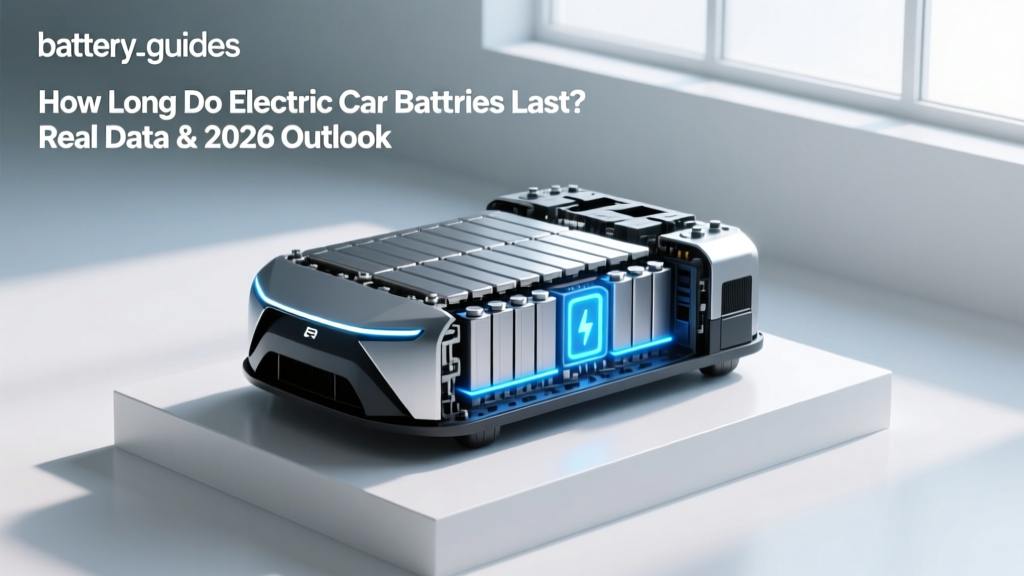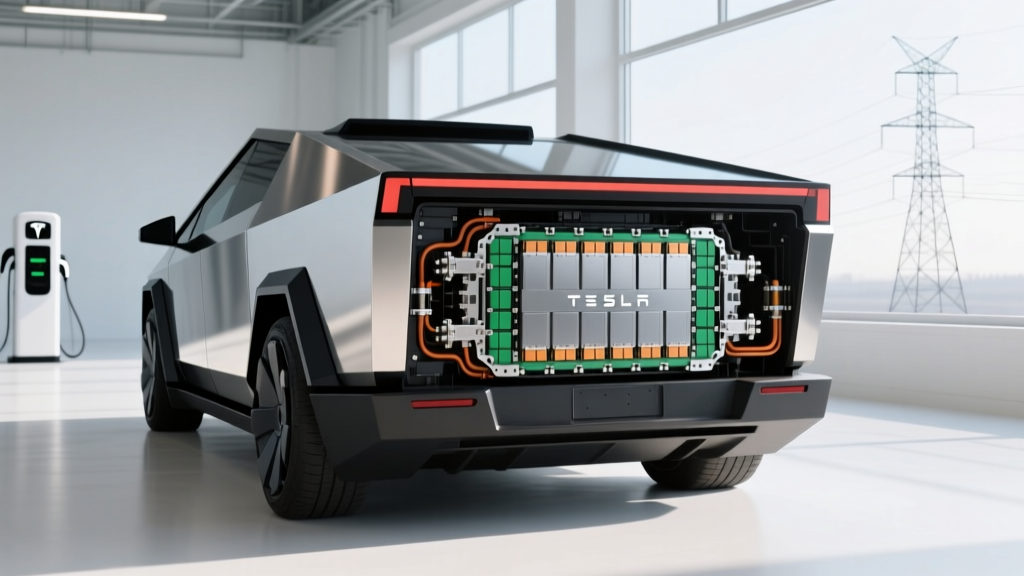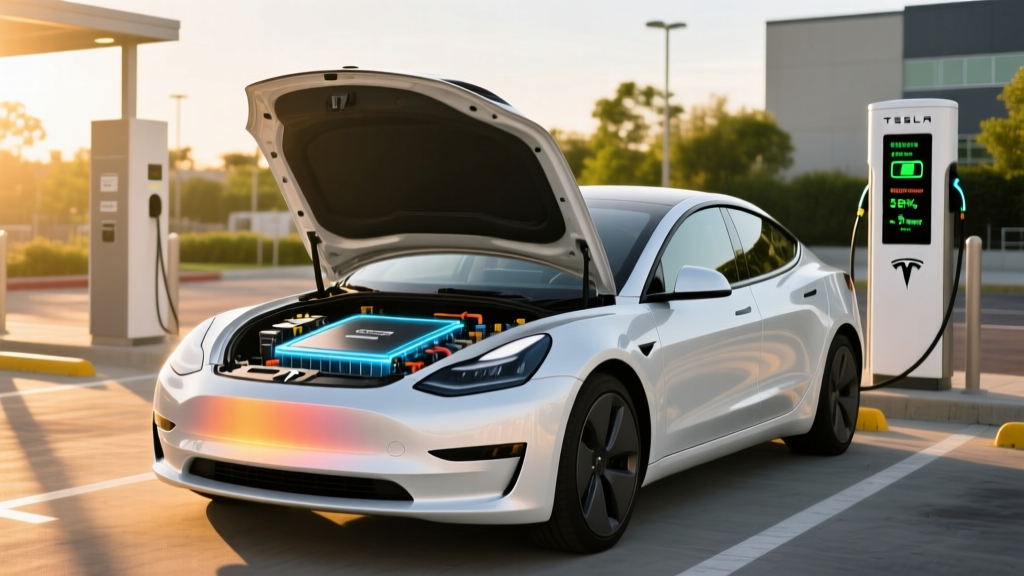
The single biggest question prospective and current Tesla owners ask isn't about Autopilot or 0-60 times — it's whether the high-voltage traction battery will outlast the car. For the Model 3, which has been on US roads since 2017, we now have enough real-world mileage data to answer that question with actual numbers rather than speculation.
This guide breaks down Tesla Model 3 battery life using fleet degradation data, explains the chemistry differences between the Standard Range (LFP) and Long Range (NMC/NCA) variants, details the warranty fine print, and gives you actionable habits to maximize your pack's State of Health (SoH) over a decade or more of ownership.
How Long Do Tesla Model 3 Batteries Actually Last?
The short answer: most Tesla Model 3 batteries will outlast 200,000 miles with 80% or more of their original capacity intact — and many will exceed 300,000 miles before hitting the 70% capacity threshold that Tesla's warranty uses as its failure benchmark.
Tesla's own 2024 Impact Report (the most recent comprehensive dataset published) showed that Model 3/Y battery packs retain approximately 85% of their original capacity after 200,000 miles. That's a 15% loss over roughly 13-15 years of average US driving (14,263 miles/year per FHWA data).
- Year 1 / ~15,000 mi: 3-5% loss (initial formation loss — steepest part of the curve)
- Year 3 / ~45,000 mi: 6-8% total loss
- Year 5 / ~75,000 mi: 8-10% total loss
- Year 8 / ~120,000 mi: 10-13% total loss
- Year 10 / ~150,000 mi: 12-15% total loss
- Year 15 / ~215,000 mi: 15-20% total loss (many packs still above 80%)
The degradation curve flattens significantly after year two. Most capacity loss occurs in the first 20,000-30,000 miles, then slows to roughly 1% per year under normal use.
What does this mean in practice? A Long Range AWD Model 3 with an EPA-estimated 341 miles of range when new would still show roughly 290-305 miles at 100,000 miles — more than enough for daily driving and road trips alike. The Standard Range RWD model (EPA 272 miles) would retain around 235-250 miles at the same milestone.
LFP vs NMC/NCA: Which Chemistry Is in Your Model 3?
Tesla uses two distinct battery chemistries across the Model 3 lineup, and which one you have significantly affects charging habits, longevity expectations, and cold-weather behavior.
| Attribute | LFP (Lithium Iron Phosphate) | NMC/NCA (Nickel Manganese Cobalt / Nickel Cobalt Aluminum) |
|---|---|---|
| Model 3 Trims | RWD (Standard Range) | Long Range RWD, Long Range AWD, Performance |
| Usable Capacity | ~57.5 kWh (2026 RWD) | ~75 kWh (Long Range), ~75 kWh (Performance) |
| Energy Density | Lower — heavier pack for same kWh | Higher — lighter pack, more range per kg |
| Cycle Life | 3,000-5,000+ cycles to 80% SoH | 1,500-2,500 cycles to 80% SoH |
| Calendar Life | Excellent — slower degradation at rest | Good — more sensitive to high SoC storage |
| Cold Performance | Weaker — greater range loss below 32°F, slower cold charging | Better — less range penalty, faster cold-weather charging |
| Charging to 100% | Recommended weekly for BMS calibration | Daily limit of 80-90% advised for longevity |
| Cost | Lower — no cobalt or nickel | Higher — commodity-priced critical minerals |
| Thermal Stability | Superior — less prone to thermal runaway | Good — requires more active thermal management |
The practical takeaway: If you own a Model 3 RWD with LFP, you can (and should) charge to 100% regularly — Tesla explicitly recommends this. The LFP chemistry tolerates full charges far better than NMC, and the battery management system (BMS) needs periodic full charges to accurately estimate range. If you own a Long Range or Performance with NMC/NCA, set your daily charge limit to 80-90% and reserve 100% for road trips. This single habit can add years to your pack's usable life.
Tesla's Battery Warranty: What's Actually Covered
Tesla's battery and drive unit warranty is one of the stronger guarantees in the EV industry, but the details matter — especially the capacity retention threshold.
| Model 3 Trim | Warranty Period | Mileage Limit | Minimum Capacity Retention |
|---|---|---|---|
| RWD (LFP) | 8 years | 100,000 miles | 70% |
| Long Range RWD | 8 years | 120,000 miles | 70% |
| Long Range AWD | 8 years | 120,000 miles | 70% |
| Performance | 8 years | 120,000 miles | 70% |
The warranty covers battery replacement or repair if the pack degrades below 70% of its original usable capacity within the stated time or mileage window (whichever comes first). It also covers manufacturing defects and drive unit failures.
What it doesn't cover: Damage from accidents, flooding, or improper modifications; range loss from normal degradation above the 70% threshold; or cosmetic issues. Tesla determines capacity retention through diagnostic scans, not the range estimate displayed on the touchscreen (which fluctuates with temperature and driving style).
In practice, very few Model 3 owners have needed warranty battery replacements. The fleet data suggests that hitting 70% capacity would typically require 300,000+ miles or extreme abuse patterns (daily 100% charges on NMC, consistent fast-charging in extreme heat without preconditioning, or prolonged storage at 0% SoC).
Battery Replacement Cost: When and How Much
If your Model 3 battery fails outside the warranty window — or sustains physical damage — replacement is possible but expensive. Here's what the market looks like as of 2026.
| Battery Pack | Approximate Capacity | Replacement Cost (Parts + Labor) | Typical Replacement Timeline |
|---|---|---|---|
| Model 3 RWD (LFP) | ~57.5 kWh | $12,000 – $14,000 | Rarely before 250,000+ mi |
| Model 3 Long Range / Performance (NMC/NCA) | ~75 kWh | $14,000 – $18,000 | Rarely before 200,000+ mi |
These figures include the battery pack, labor at a Tesla Service Center, and disposal of the old pack. Independent EV shops may offer refurbished packs at 20-30% lower cost, though availability varies by region.
Context that matters: The average age of a scrapped passenger car in the US is roughly 15-16 years. Given that Model 3 batteries are demonstrably lasting 200,000-300,000+ miles with gradual degradation, most packs will never need replacement during the vehicle's first-owner lifecycle. For comparison, a gas vehicle's engine or transmission rebuild at similar mileage can cost $4,000-$8,000 — and those failures are far more common than catastrophic EV battery failure.
If you're buying a used Model 3, requesting a battery health diagnostic from Tesla (or checking SoH yourself — see below) should be a non-negotiable step in your pre-purchase evaluation.
What Affects Tesla Model 3 Battery Life? Six Key Factors
Not all Model 3 batteries age the same way. These six variables have the most measurable impact on long-term degradation:
1. State of Charge (SoC) Habits
For NMC/NCA packs (Long Range, Performance), consistently charging to 100% and leaving the car sitting at full charge accelerates calendar degradation. The ideal daily window is 20-80%. LFP packs are more tolerant and benefit from regular 100% charges for BMS calibration.
2. DC Fast Charging Frequency
Supercharging at 170-250 kW generates significant heat inside the cells. Occasional road-trip Supercharging is fine — Tesla's thermal management system actively cools the pack. But daily DC fast charging (especially in hot climates without preconditioning) can add 2-4% more degradation over 100,000 miles compared to primarily Level 2 home charging.
3. Temperature Extremes
Batteries degrade faster when exposed to sustained high temperatures (above 95°F / 35°C) at high SoC. Cold weather doesn't cause permanent degradation but temporarily reduces range by 20-30% in sub-freezing conditions. Always precondition your battery before Supercharging in cold weather — the car does this automatically if you navigate to a Supercharger via the built-in navigation.
4. Storage Conditions
Leaving a Model 3 parked at 0% SoC for weeks can cause irreversible cell damage. If storing the car, Tesla recommends setting the charge limit to 50% and leaving it plugged in so the vehicle can maintain the pack. Sentry Mode and cabin overheat protection also draw energy, so factor that into long-term parking.
5. Driving Style and Regen Settings
Aggressive acceleration and hard braking generate more heat in the pack and motor. Using regenerative braking (standard mode) reduces mechanical brake wear and returns energy to the battery, though the degradation impact is modest compared to SoC and temperature factors.
6. Software Updates and BMS Calibration
Tesla periodically pushes over-the-air updates that refine the BMS algorithms. These can occasionally change the displayed range estimate without any physical change to the pack. For LFP owners, a full charge-to-100% cycle every 1-2 weeks helps the BMS maintain accuracy.
How to Check Your Tesla Model 3 Battery Health (SoH)
Tesla doesn't display a single "battery health percentage" on the touchscreen the way some competitors do, but there are several reliable methods to assess your Model 3's State of Health:
- Range Comparison Method: Charge to 100% (or your normal limit) and note the displayed range. Compare it to the EPA-rated range when new. A 2026 Long Range AWD rated at 341 miles showing 310 miles at 100% has roughly 91% SoH. Account for temperature — cold weather will temporarily lower this number.
- Tesla Service Diagnostic: Schedule a service appointment (mobile or in-center) and request a battery health report. Tesla can pull cell-level voltage data and provide an official capacity assessment. This is the gold standard for used-car purchases.
- Third-Party OBD-II Tools: Devices like the OBDLink SX paired with apps such as Scan My Tesla or TeslaFi can read real-time pack data including nominal full-pack kWh, energy remaining, and cell voltage variance. These readings closely correlate with actual capacity.
- TeslaFi or Tessie App: These subscription services log charging sessions and calculate estimated degradation over time by tracking your 100% (or calibrated) range across months. Useful for spotting trends rather than single-point measurements.
What to watch for: If your displayed range at 100% suddenly drops by more than 5-10 miles after a software update, it's usually a BMS recalibration, not actual degradation. Drive the car through a few full charge cycles before worrying. True degradation is gradual and consistent, not sudden.
Maximizing Battery Life: A Practical Ownership Checklist
These habits are drawn from fleet data patterns and Tesla's own published guidance:
- NMC/NCA owners: Set daily charge limit to 80%. Charge to 100% only before road trips and drive off promptly after reaching full charge.
- LFP owners: Charge to 100% at least once per week. Set your scheduled departure time so the car finishes charging right before you leave.
- Use Level 2 home charging as your primary method. A 48-amp (11.5 kW) Wall Connector adds roughly 44 miles per hour of charging — enough to fully replenish overnight.
- Precondition before Supercharging in cold weather. Navigate to the Supercharger using the car's built-in nav to trigger automatic battery warming.
- Avoid prolonged storage below 20% or above 90% SoC. For vacations, set the limit to 50% and leave the car plugged in.
- Keep Sentry Mode off during extended parking to prevent parasitic drain from cycling the pack unnecessarily.
- Install firmware updates promptly — Tesla's BMS refinements often improve efficiency and thermal management logic.
Looking Ahead: Solid-State and Silicon Anode Batteries
The next generation of EV battery technology is advancing, but timelines remain longer than headlines suggest:
Solid-state batteries promise higher energy density (potentially 400+ Wh/kg vs. ~260 Wh/kg for current NMC), faster charging, and improved safety by replacing the liquid electrolyte with a solid material. Toyota, Samsung SDI, and QuantumScape are targeting limited production in 2027-2029, but mass-market availability in vehicles like a future Model 3 is realistically a 2030+ proposition. Cost per kWh remains the primary barrier.
Silicon anode technology is closer to commercialization. Companies like Sila Nanotechnologies and Group14 are already supplying silicon-composite anode materials that boost energy density by 10-20% without requiring entirely new manufacturing infrastructure. Expect incremental adoption in premium EVs starting 2026-2027, with broader rollout by 2028-2029.
For today's Model 3 buyers: Current lithium-ion technology is mature, well-understood, and demonstrably long-lasting. Waiting for solid-state means waiting 4-6+ years for a vehicle you can actually buy at scale. The Model 3 battery you purchase today will very likely serve you well for the entire ownership cycle.
Frequently Asked Questions
How long do Tesla Model 3 batteries last in years and miles?
Based on Tesla's fleet data, Model 3 batteries typically retain 85% of original capacity at 200,000 miles (roughly 14-15 years of average driving). Many packs exceed 300,000 miles before dropping below the 70% warranty threshold. In calendar years, expect 15-20+ years of usable service under normal conditions.
How much does it cost to replace a Tesla Model 3 battery?
Out-of-warranty replacement costs range from approximately $12,000-$14,000 for the RWD (LFP) pack to $14,000-$18,000 for the Long Range/Performance (NMC/NCA) pack, including parts and labor at a Tesla Service Center. However, most Model 3 batteries will never need replacement during the vehicle's useful life.
What does the Tesla Model 3 battery warranty cover?
Tesla covers the battery and drive unit for 8 years / 100,000 miles (RWD) or 8 years / 120,000 miles (Long Range, Performance), guaranteeing a minimum of 70% capacity retention. The warranty covers manufacturing defects and excessive degradation below 70%, but not damage from accidents, modifications, or misuse.
Should I charge my Tesla Model 3 to 100% every day?
It depends on your chemistry. LFP (RWD) owners should charge to 100% at least weekly for BMS accuracy. NMC/NCA (Long Range, Performance) owners should set a daily limit of 80-90% and reserve 100% for road trips to minimize long-term degradation.
Does frequent Supercharging damage the Model 3 battery?
Occasional Supercharging is fine and well-managed by Tesla's thermal system. However, daily DC fast charging — especially in hot climates — can add 2-4% more degradation over 100,000 miles compared to primarily Level 2 home charging. If you rely on public charging, try to use 150 kW or lower chargers when time permits.
LFP vs NMC — which Tesla Model 3 battery is better?
Neither is universally "better." LFP offers longer cycle life (3,000-5,000 cycles), lower cost, better thermal safety, and tolerance for 100% daily charges — but sacrifices energy density and cold-weather performance. NMC/NCA delivers more range per kWh, better cold performance, and faster cold-weather charging — but requires more careful SoC management and has a shorter cycle life. Choose LFP for maximum longevity and simplicity; choose NMC for maximum range and all-season performance.
How do I check my Tesla Model 3 battery health?
Compare your displayed range at 100% charge to the original EPA rating, request a diagnostic report from Tesla Service, or use an OBD-II tool with apps like Scan My Tesla or TeslaFi to read nominal full-pack kWh and cell voltage data.