The Tesla-LG Supply Relationship in 2026
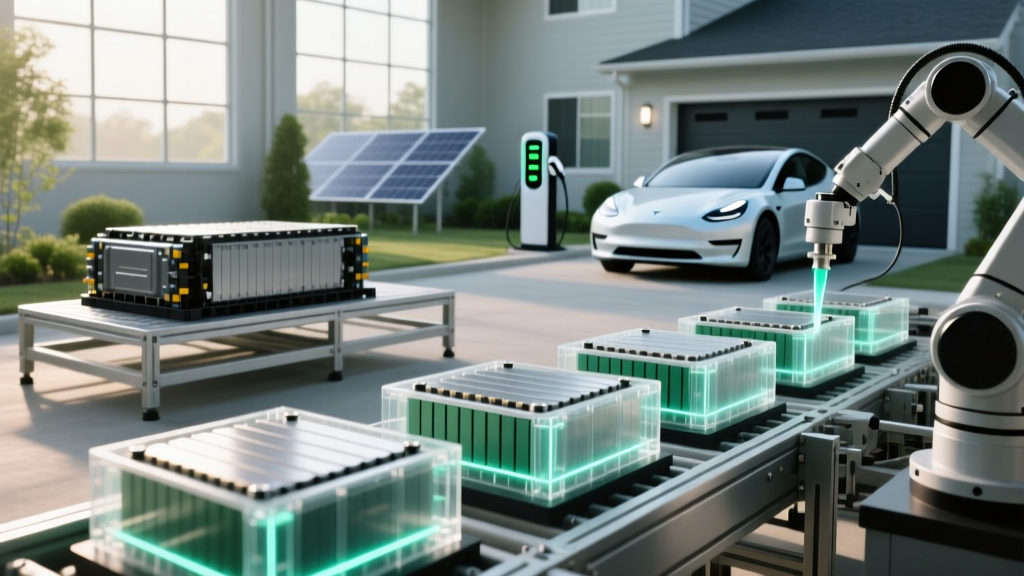
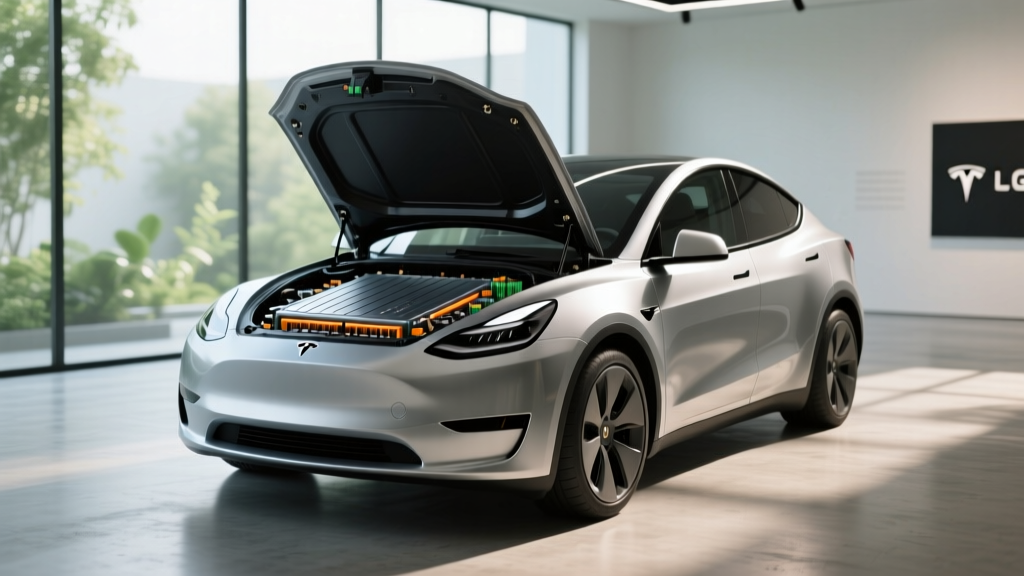
When Tesla expanded its supplier base beyond Panasonic, the Tesla LG battery deal became one of the most consequential supply-chain moves in the EV industry. LG Energy Solution (LGES) now supplies nickel-manganese-cobalt (NMC) and nickel-cobalt-aluminum (NCA-variant) cells for multiple Tesla Gigafactories, supplementing Panasonic's output in Nevada and CATL's LFP shipments from Shanghai. For buyers and owners, the practical question isn't about corporate logistics — it's about which chemistry ends up in your specific vehicle, how long it will last, and what it costs when it eventually needs attention.
This guide breaks down the real-world implications of Tesla's multi-supplier battery strategy, compares the chemistries you'll actually encounter, and provides the data you need to manage battery health over a decade or more of ownership.
Which Chemistry Is in Your Tesla? NMC vs LFP Explained
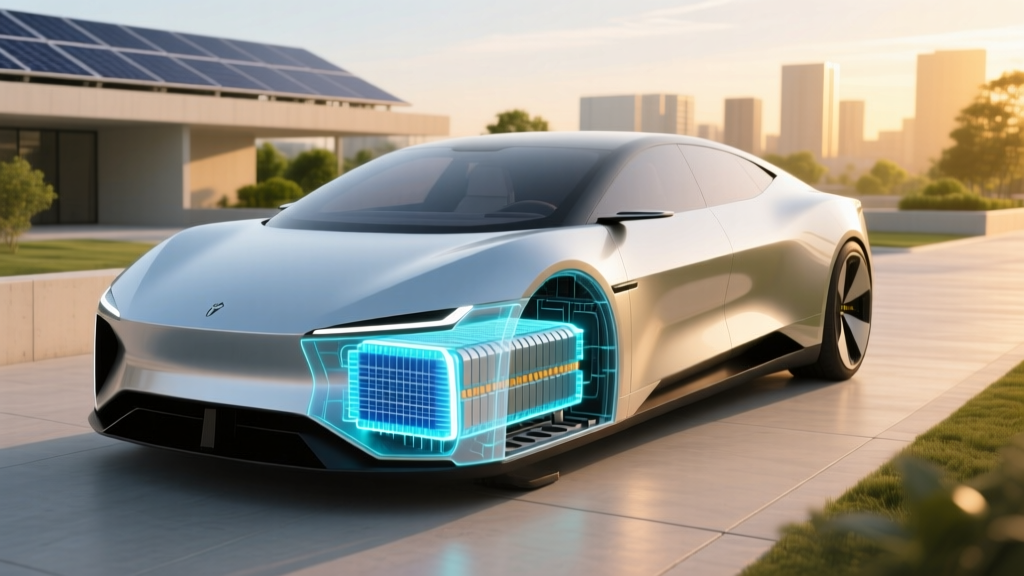
The Tesla LG battery deal primarily delivers NMC-type cells (specifically NCMA — nickel-cobalt-manganese-aluminum — in newer generations). These sit alongside CATL-supplied LFP (lithium iron phosphate) cells and Panasonic's NCA packs. The chemistry in your car depends on your model, trim, build date, and factory.
| Attribute | LFP (CATL-supplied) | NMC/NCMA (LG / Panasonic) |
|---|---|---|
| Energy Density | ~160 Wh/kg (cell level) | ~230-260 Wh/kg (cell level) |
| Typical Tesla Application | Model 3 RWD, Model Y RWD | Model 3/Y Long Range & Performance |
| Cycle Life | 3,000-5,000+ cycles to 80% SoH | 1,000-2,000 cycles to 80% SoH |
| Cold-Weather Performance | Moderate; ~25-35% range loss at 20°F | Better; ~20-30% range loss at 20°F |
| Recommended Charge Habit | Charge to 100% regularly (BMS calibration) | Daily limit 80-90%; 100% for trips only |
| Cost per kWh (pack level) | ~$95-110/kWh | ~$120-140/kWh |
| Thermal Stability | Higher (less prone to thermal runaway) | Good, but requires more active management |
| Cobalt Content | None | Reduced but present (NCMA lowers vs older NMC) |
The practical takeaway: If you own a Long Range or Performance Model 3/Y built from 2023 onward, there's a strong probability your pack contains LG-sourced NMC or NCMA cells. Standard Range (RWD) variants almost universally use CATL LFP. The chemistry difference is the single biggest factor in how you should charge, what range to expect in winter, and how degradation will track over time.
Real Degradation Data: What Tesla Owners Actually See
Battery degradation isn't linear. Most lithium-ion packs lose capacity faster in the first 1-2 years, then the curve flattens. Tesla's own Impact Reports have historically shown an average of roughly 10-12% degradation at 150,000 miles across the fleet, though this averages older and newer chemistries together.
Typical Degradation Trajectory (NMC/NCMA packs, LG/Panasonic sourced):
- Year 1 / 15,000 mi: ~3-5% capacity loss (initial formation settling)
- Year 3 / 45,000 mi: ~7-9% total loss
- Year 5 / 75,000 mi: ~9-11% total loss
- Year 8 / 120,000 mi: ~12-15% total loss
- Year 10 / 150,000 mi: ~14-18% total loss (varies heavily by usage)
LFP packs (CATL): Typically track 2-4% lower degradation at equivalent mileage, owing to superior cycle life. Many LFP packs show 90%+ SoH at 100,000 miles.
Critical nuance: These are fleet averages. Individual results depend on fast-charging frequency, climate, and whether you habitually charge to 100% on NMC. Owners in Phoenix who Supercharge weekly and park at full SoC will see the upper end of degradation; a garage-kept LFP owner in Portland charging to 100% at home will see the lower end.
Tesla Battery Warranty: What's Actually Covered
Tesla's battery warranty is one of the stronger offerings in the industry, but the details matter. The warranty covers defects and excessive capacity loss — not gradual, expected degradation within normal bounds.
| Model / Variant | Warranty Period | Mileage Cap | Capacity Retention Threshold |
|---|---|---|---|
| Model 3 RWD (LFP) | 8 years | 100,000 miles | 70% minimum |
| Model 3 Long Range / Performance | 8 years | 120,000 miles | 70% minimum |
| Model Y RWD (LFP) | 8 years | 100,000 miles | 70% minimum |
| Model Y Long Range / Performance | 8 years | 120,000 miles | 70% minimum |
| Model S / Model X | 8 years | 150,000 miles | 70% minimum |
What "70% minimum" means: If your battery's usable capacity drops below 70% of its original kWh rating within the warranty period, Tesla will repair or replace it at no cost. In practice, very few packs fall below this threshold within 8 years. The warranty does not cover cosmetic range loss from normal degradation — a pack at 78% SoH at year 7 is considered within spec.
Source: Tesla New Vehicle Limited Warranty.
Battery Replacement Cost: When and How Much
Here's the data point that causes the most anxiety — and the most misunderstanding. The vast majority of EV batteries outlast the vehicle's economic life. Outright failure requiring full replacement under normal ownership is rare. But if you're planning to keep a Tesla for 15+ years or buying a high-mileage used example, replacement costs matter.
| Model | Pack Size (usable) | Chemistry | Estimated Replacement Cost |
|---|---|---|---|
| Model 3 RWD | ~60 kWh | LFP | $8,000 - $12,000 |
| Model 3 Long Range | ~75 kWh | NMC/NCMA | $12,000 - $16,000 |
| Model Y Long Range | ~75 kWh | NMC/NCMA | $12,000 - $17,000 |
| Model S (current gen) | ~95 kWh | NMC/NCA | $16,000 - $22,000 |
| Model X (current gen) | ~95 kWh | NMC/NCA | $17,000 - $23,000 |
Context that matters: These costs have been declining roughly 5-8% per year as cell prices fall and third-party remanufacturers enter the market. By the time a 2026 Model Y actually needs a new pack (likely 2038-2040), expect costs to be 30-40% lower than today's estimates. Additionally, module-level repairs (replacing individual degraded modules rather than the full pack) are increasingly available from independent EV shops for $3,000-$7,000.
Factors That Accelerate (or Slow) Battery Aging
The Tesla LG battery deal put high-quality NMC cells in hundreds of thousands of vehicles, but chemistry alone doesn't determine longevity. Your habits matter enormously.
What Hurts Battery Health
- Frequent DC fast charging above 150 kW: Occasional Supercharging is fine; daily use accelerates degradation by ~1-3% over 5 years vs. Level 2 home charging.
- Sustained 100% SoC on NMC packs: Storing an NMC battery at full charge for days causes electrolyte oxidation. Charge to 100% only when departing for a trip.
- Extreme heat exposure: Parking in 100°F+ ambient without thermal management active (Tesla's system runs when plugged in — another reason to plug in at home).
- Deep discharges below 10%: Repeatedly running the pack to near-empty stresses the anode.
- High-mileage fast-charge-only lifestyles: Uber/Lyft drivers who Supercharge 3-4x daily see measurably faster degradation.
What Preserves Battery Health
- Level 2 home charging at 240V / 32-48A: Slower charge rates generate less heat and stress.
- Daily SoC limits: Set to 80% for NMC, 100% for LFP (LFP needs full charges for BMS accuracy).
- Preconditioning before Supercharging: Tesla's nav-routed preconditioning warms the pack to optimal temperature, reducing charging-induced stress.
- Garage parking in extreme climates: Even an unheated garage moderates temperature swings.
- Keeping the vehicle plugged in: Allows the thermal management system to maintain optimal pack temperature using grid power rather than battery energy.
How to Check Your Tesla's Battery Health (SoH)
Tesla doesn't expose a direct State of Health percentage in the vehicle UI the way some competitors do, but there are reliable methods to estimate it:
- Tesla app / in-car energy display: Note your displayed range at 100% SoC (for LFP) or at your normal charge limit and extrapolate. Compare to the original EPA-rated range. A Model 3 Long Range that originally displayed 330 miles at 100% but now shows 295 miles has roughly 89% SoH.
- Third-party apps: Tools like Tessie, Stats (iOS), and TeslaFi log charge data and calculate SoH estimates from actual energy-in vs. displayed capacity over full charge cycles.
- Service mode diagnostic: Tesla service centers can run a full pack health report showing individual module balance, internal resistance, and precise capacity. Request this if you suspect a warranty claim.
- OBD-II dongles with EV-specific software: Devices like the OBDLink SX paired with apps such as Scan My Tesla can read pack voltage, module delta, and estimated capacity from the BMS CAN bus.
What to watch for: A sudden drop in displayed range (more than 5% in a single month), significant module imbalance (cell voltage delta above 50mV at rest), or inability to charge to rated capacity. These may indicate a defective module rather than normal degradation and could be warranty-eligible.
Beyond LG: What's Next in Tesla Battery Technology
The Tesla LG battery deal continues to evolve. LGES has been ramping production of its next-generation NCMA cells with reduced cobalt content and improved energy density, and Tesla's own 4680 cell program (manufactured in-house) is supplementing supplier packs in select Model Y builds from Giga Texas.
Forward-looking technologies on the horizon:
- Dry-electrode 4680 cells (Tesla in-house): Already in limited production. Promises ~10-15% cost reduction per kWh and improved power density. Availability expanding through 2026-2027.
- Silicon-dominant anodes: Companies like Sila Nanotechnologies and Group14 are supplying silicon-carbon anode materials that boost energy density 15-25%. Expected in production EV cells by 2028-2030.
- Solid-state batteries: Toyota, Samsung SDI, and QuantumScape target 2028-2032 for initial production vehicles. These promise 2x energy density and faster charging but face manufacturing scale challenges. Not currently available in any production vehicle.
- Sodium-ion cells: CATL has begun low-volume production for lower-range urban vehicles in China. Unlikely to appear in US-market Teslas before 2029, if at all, due to lower energy density.
Realistic timeline: If you're buying a Tesla today, you're getting mature, proven lithium-ion technology — either LG/Panasonic NMC or CATL LFP. The next major leap (solid-state) is 3-5+ years from volume production in the US market. Current-gen packs are more than adequate for 150,000-200,000 miles of service.
Frequently Asked Questions
How long do Tesla batteries last in years and miles?
Based on fleet data, most Tesla NMC/NCMA packs (including LG-supplied cells) retain 80-85% of original capacity at 150,000 miles. LFP packs often retain 85-90%+ at the same mileage. In calendar years, expect 15-20+ years of usable service before capacity drops to a point where range becomes impractical for daily use. The battery will almost certainly outlast the rest of the vehicle's mechanical and cosmetic life.
How much does it cost to replace a Tesla battery?
Out-of-warranty full pack replacement ranges from ~$8,000 for a Model 3 RWD (LFP) to ~$23,000 for a Model X (NMC). Module-level repairs cost $3,000-$7,000. Under warranty (8 years / 100,000-150,000 miles depending on model), replacement is free if capacity drops below 70%. These costs are declining annually and will be significantly lower by the time most 2026 vehicles need service.
What does the Tesla battery warranty cover?
Tesla covers battery defects and capacity loss below 70% of original for 8 years. Mileage limits are 100,000 miles (RWD models) or 120,000-150,000 miles (Long Range, Performance, S/X). The warranty does not cover normal gradual degradation above 70%, cosmetic damage, or damage from accidents, flooding, or unauthorized modifications.
LFP vs NMC — which Tesla battery is better?
Neither is universally "better" — they serve different priorities. LFP wins on longevity (more cycles), cost, safety, and simplicity (charge to 100% daily). NMC wins on energy density (more range in the same pack size), cold-weather performance, and fast-charge speed. If you want maximum range and don't mind managing charge limits, NMC (Long Range) is the pick. If you want a low-maintenance daily driver you can charge fully every night, LFP (RWD) is ideal.
Does frequent Supercharging damage my Tesla's battery?
Occasional Supercharging has minimal impact. However, exclusive reliance on DC fast charging (150-250 kW) without any Level 2 charging adds roughly 1-3% extra degradation over 5 years compared to primarily home-charged vehicles. Tesla's battery preconditioning (triggered when you navigate to a Supercharger) mitigates thermal stress. For daily use, Level 2 home charging at 7-11.5 kW remains the optimal strategy for longevity.
Can I check my Tesla battery health myself?
Yes, indirectly. Track your displayed range at a consistent SoC over time and compare to the original EPA rating. Third-party apps like Tessie or TeslaFi provide SoH estimates from charge-session data. For a precise reading, request a battery health report from Tesla Service. There is no single "SoH percentage" in the Tesla UI, but the data is accessible through these methods.