Search forums or Reddit threads for "Tesla battery problems" and you will find a polarized landscape: some owners report catastrophic failure, while others claim their Model 3 or Model Y has barely degraded after 100,000 miles. The truth lies in the data—specifically, how lithium-ion chemistry interacts with heat, charging habits, and time. This guide separates anecdotal fear from engineering reality, using 2026 model-year specs and long-term fleet data.
How Long Do Tesla Batteries Actually Last?
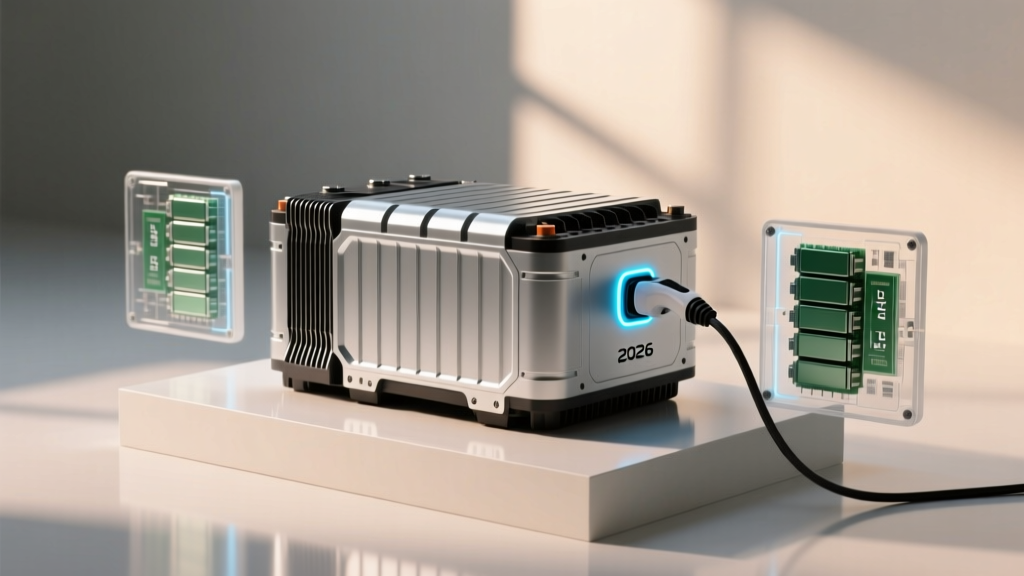
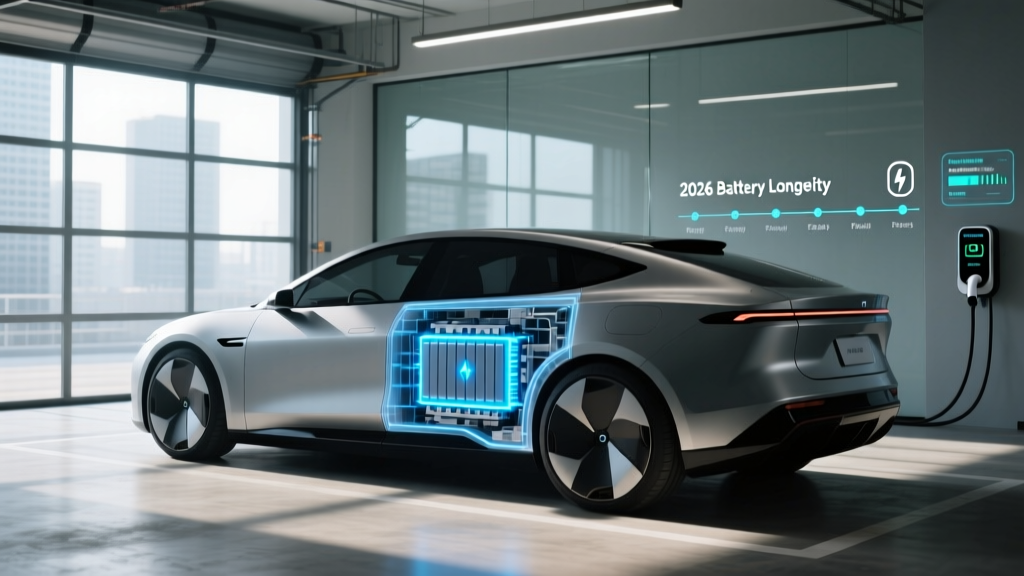
Modern Tesla battery packs (2021–2026) are engineered to outlast the vehicle's structural components. According to Tesla's 2023 Impact Report and aggregated fleet data from sources like Tesla Impact Report, the average degradation curve is not linear:
- 0–50,000 miles: Expect roughly 5–8% capacity loss as the battery undergoes initial formation.
- 50,000–150,000 miles: Degradation slows significantly, often losing only 1–2% per 30,000 miles.
- 150,000+ miles: Most packs retain 85–90% of original capacity.
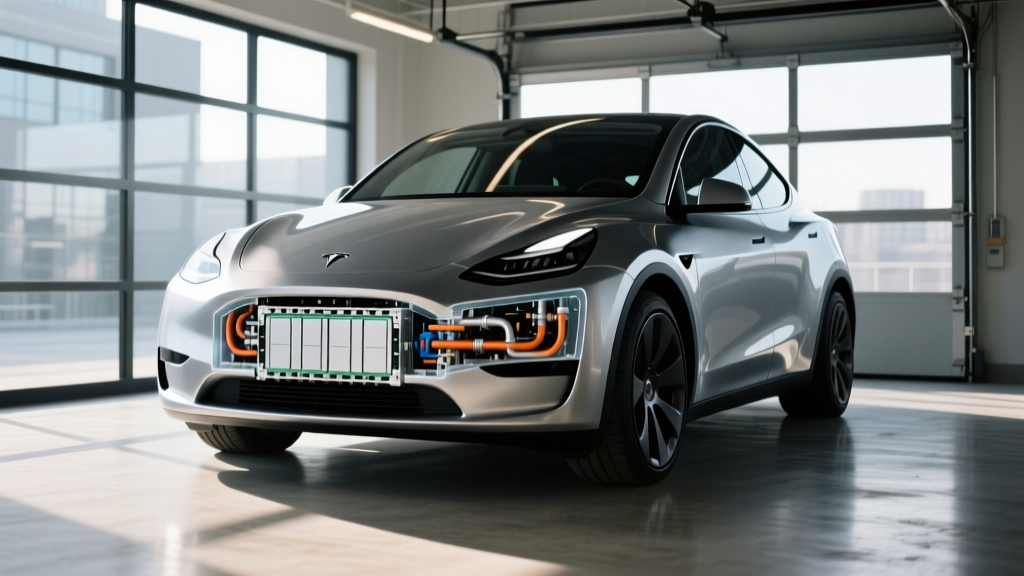
For a Model 3 Long Range with an EPA-estimated 341 miles of range, a 10% degradation at 150,000 miles still leaves over 300 miles of range—well above the daily needs of 95% of drivers. "Tesla battery problems" typically arise not from gradual wear, but from isolated manufacturing defects or BMS (Battery Management System) sensor errors that are usually resolved under warranty.
LFP vs. NMC/NCA: Understanding Tesla's Chemistry Split
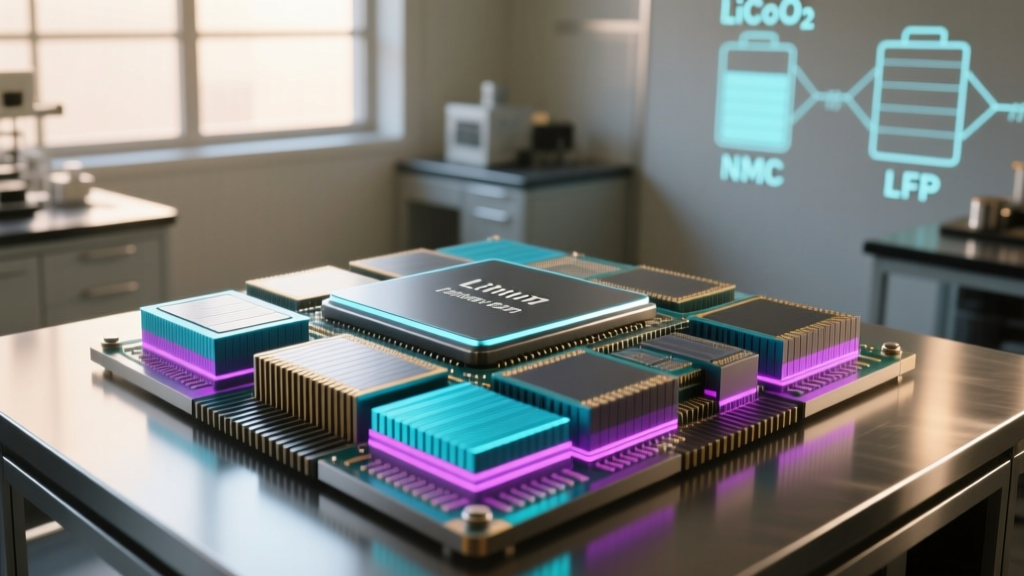
Tesla currently uses two primary chemistries in its 2026 lineup. Understanding which one is in your car is the single biggest factor in predicting longevity and daily care requirements.
| Feature | LFP (Lithium Iron Phosphate) | NMC/NCA (Nickel Manganese/Cobalt/Aluminum) |
|---|---|---|
| Models (2026) | Model 3 RWD, Model Y RWD | Model 3/Y Long Range & Performance, Model S/X |
| Cycle Life | 3,000–5,000+ cycles (Extremely high) | 1,500–2,500 cycles (Moderate-High) |
| Energy Density | Lower (Heavier pack for same kWh) | Higher (Lighter, more range) |
| Cold Performance | Poor (Significant range loss in winter) | Better (More resilient in freezing temps) |
| Charging Habit | Can/should be charged to 100% weekly | Best kept at 80% for daily use |
| Cost | Lower (No cobalt/nickel) | Higher |
The Verdict: If you plan to keep the car for 15 years or 200,000 miles, LFP is statistically more durable. If you need maximum range and faster DC charging speeds in cold weather, NMC/NCA remains superior.
Warranty Coverage: What is Actually Protected?
Tesla's battery warranty is one of the most comprehensive in the industry, but it is a capacity retention warranty, not a "free replacement for any reason" guarantee.
| Model | Warranty Period | Mileage Limit | Minimum Retention |
|---|---|---|---|
| Model 3 / Model Y (RWD/LFP) | 8 Years | 100,000 Miles | 70% |
| Model 3 / Model Y (Long Range/Performance) | 8 Years | 120,000 Miles | 70% |
| Model S / Model X | 8 Years | 150,000 Miles | 70% |
Source: Tesla Limited Warranty. If your battery falls below 70% capacity within these limits, Tesla will repair or replace it to bring it back to at least 70%—not necessarily 100%.
Replacement Costs: The "Catastrophic Failure" Reality
Out-of-warranty battery replacements are rare but expensive. Based on 2026 service center data and third-party repair shops, costs vary by pack size:
- Model 3/Y Standard (60 kWh LFP): $12,000 – $16,000
- Model 3/Y Long Range (82 kWh NMC): $16,000 – $22,000
- Model S/X (100 kWh Plaid): $22,000 – $30,000+
However, the frequency of total pack failure is low. Most "problems" are module-level issues or contactor failures that can be repaired for $2,000–$5,000 without replacing the entire pack.
Factors That Accelerate Degradation
To avoid becoming a battery-problem statistic, owners should manage these three variables:
- State of Charge (SoC) Extremes: Leaving an NMC car at 100% for days or letting it sit at 0% causes electrolyte decomposition. LFP is more tolerant of 100% SoC.
- Heat: Battery degradation is a chemical reaction accelerated by temperature. Frequent Supercharging in Arizona summers without proper preconditioning is more damaging than frequent charging in Norway.
- DC Fast Charging Frequency: While Tesla's BMS is excellent, daily use of 250 kW Superchargers will degrade a pack faster than daily Level 2 (11.5 kW) home charging.
How to Monitor and Maximize Battery Health
Tesla does not provide a native "State of Health" (SoH) percentage in the app. To check your true battery health:
- The Manual Calculation: Charge to 100% (or 90% for NMC) and note the displayed range. Compare this to the original EPA sticker. (e.g., If your Model 3 LR originally showed 341 miles at 100% and now shows 315 miles, you have ~7.6% degradation).
- Third-Party Apps: Tools like Tessie or Stats can pull BMS data via the Tesla API to provide a more accurate SoH reading.
- Service Mode: Owners can access "Service Mode" in the car's software to view high-voltage battery health metrics and cell imbalance data.
Future Tech: Silicon Anodes and Solid-State
While 2026 Teslas use advanced 4680 cells with silicon-carbon anodes, true solid-state batteries remain in the pilot-production phase. Industry leaders like Toyota and Samsung SDI have announced commercial rollouts for 2027–2028, but these will likely debut in premium models before reaching the mass-market Model 3/Y platform. For buyers in 2026, current lithium-ion tech is mature, reliable, and economically proven.
Frequently Asked Questions
Do Teslas lose range in the cold?
Yes. All EVs lose range in freezing temperatures due to increased internal resistance and cabin heating loads. LFP batteries are more sensitive to cold than NMC, often seeing 20–30% range loss in sub-freezing weather, whereas NMC may see 15–25% loss. Preconditioning the battery while plugged in mitigates this.
Is it bad to Supercharge my Tesla every day?
For NMC/NCA batteries, daily Supercharging (high C-rate) can accelerate degradation over several years. For LFP batteries, the impact is less severe, but home Level 2 charging is always gentler on the chemistry and more cost-effective.
What happens if my Tesla battery dies out of warranty?
You will face a significant replacement bill ($15k–$25k). However, many third-party shops now offer refurbished packs or module-level repairs for a fraction of the OEM price. Additionally, most batteries will still function with 70–80% capacity long after the warranty expires.