Quick Verdict: Most Tesla Batteries Outlive the Car
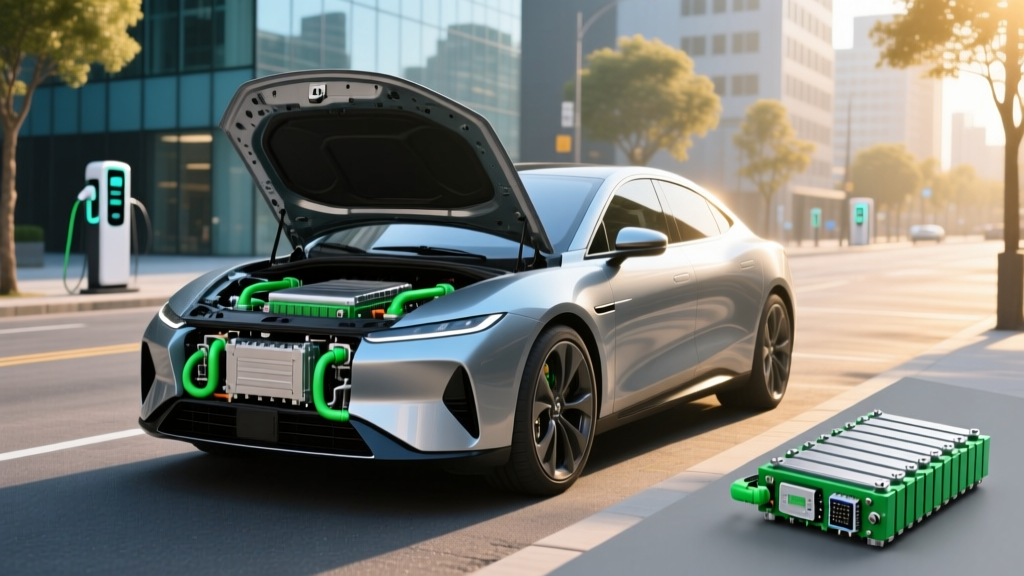
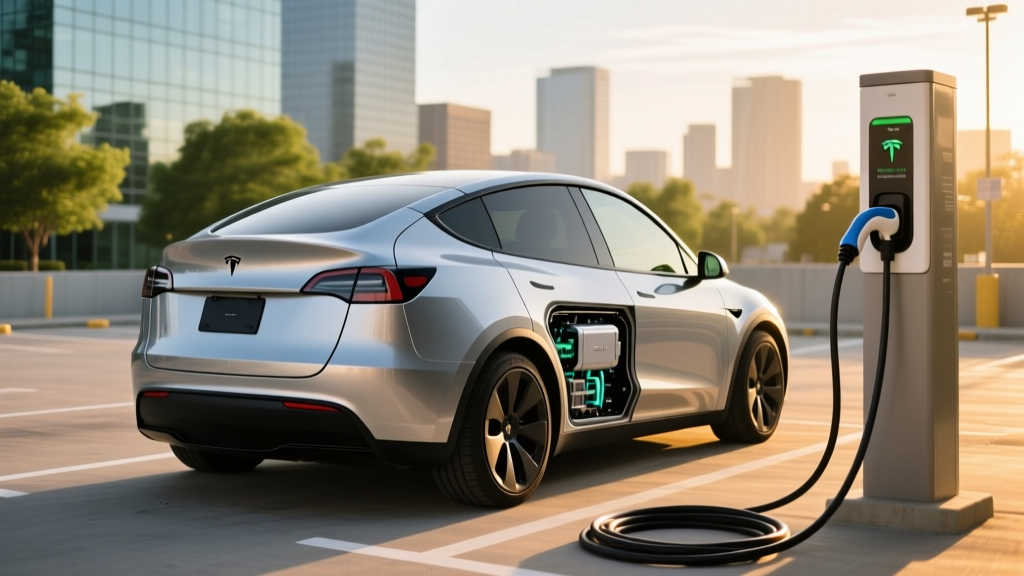
The short answer to "how long does a Tesla battery last before replacement" is that the vast majority of Tesla owners will never need a battery swap. Tesla's own fleet data shows that Model 3 and Model Y batteries retain roughly 85–90% of their original capacity after 200,000 miles. Given that the average American drives about 13,500 miles per year, that translates to nearly 15 years of use before degradation reaches a level most drivers would consider problematic.
But "battery life" isn't a single number. It depends on chemistry (LFP vs. NCA/NMC), charging habits, climate, and how you define "end of life." This guide breaks down the real data, replacement economics, and what Tesla's warranty actually covers — so you can buy and own with confidence.
LFP vs. NCA/NMC: The Chemistry That Determines Your Battery's Lifespan
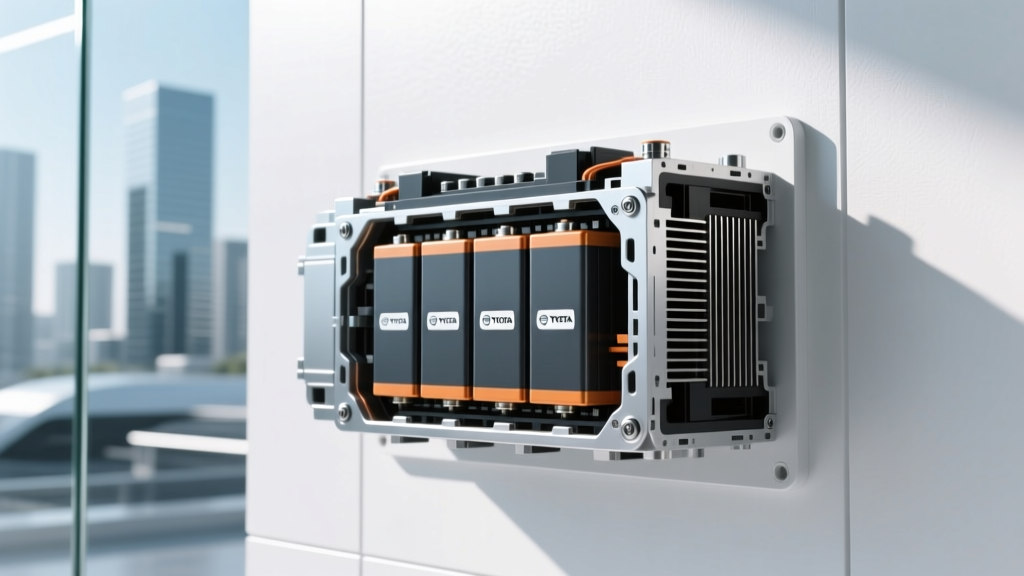
Tesla uses two distinct battery chemistries across its lineup, and the choice has direct implications for longevity, range, and how you should charge.
| Attribute | LFP (Lithium Iron Phosphate) | NCA/NMC (Nickel-based) |
|---|---|---|
| Models using it | Model 3 RWD, Model Y RWD (Standard Range) | Model 3 Long Range/Performance, Model Y LR/Perf, Model S, Model X, Cybertruck |
| Energy density | Lower (~160 Wh/kg cell-level) | Higher (~250–270 Wh/kg cell-level) |
| Cycle life | 3,000–5,000+ cycles to 80% SoH | 1,000–2,000 cycles to 80% SoH |
| Cold-weather performance | Reduced range in freezing temps; slower charge acceptance | Better cold-weather range retention and preconditioning |
| Charging recommendation | Tesla recommends charging to 100% at least weekly | Recommended daily limit: 80%; 100% only for trips |
| Cost per kWh | Lower (no cobalt or nickel) | Higher (nickel/cobalt supply chain) |
| Typical usable capacity | ~57–60 kWh (Model 3 RWD) | ~75–100 kWh depending on model |
Which is better for longevity? LFP wins on raw cycle life — you can charge and discharge it thousands more times before hitting 80% capacity. But NCA/NMC delivers more range per charge and handles cold weather better. If you drive in Minnesota winters or regularly road-trip, NCA/NMC's energy density and thermal performance matter. If you commute 30 miles daily in a temperate climate and charge at home, LFP's durability advantage is significant.
Real Degradation Data: What Tesla Owners Actually Experience
Tesla publishes fleet degradation data in its annual Impact Report. Combined with third-party analysis from owners and researchers, here's what the numbers show:
Typical Tesla Battery Degradation Curve:
- Year 1 (0–15,000 mi): ~2–4% capacity loss (initial "break-in" degradation)
- Years 2–4 (15,000–60,000 mi): Degradation slows to ~1–2% per year
- Years 5–8 (60,000–120,000 mi): Linear loss of ~0.5–1.5% per year
- 150,000 miles: Average fleet data shows ~88% retained capacity (Model 3/Y NCA)
- 200,000 miles: Average ~85% retained capacity per Tesla's 2023 Impact Report
LFP-equipped Model 3 RWD vehicles show even slower degradation in owner-reported datasets, with many exceeding 90% State of Health (SoH) at 100,000 miles.
A critical nuance: degradation is non-linear. The steepest loss occurs in the first year or two, then flattens considerably. This means a 5-year-old Tesla with 60,000 miles that shows 92% SoH is likely to retain 87–89% at 120,000 miles — not drop off a cliff.
For context, Tesla defines "end of life" for warranty purposes as falling below 70% of original capacity. Based on current degradation curves, reaching that threshold would require well over 300,000 miles for most NCA packs and potentially 400,000+ for LFP — far beyond what most owners will accumulate.
Tesla Battery Warranty: What's Actually Covered
Tesla's battery warranty is one of the strongest in the industry, but the details matter. Here's the breakdown by model:
| Model | Warranty Period | Mileage Limit | Minimum Capacity Retention |
|---|---|---|---|
| Model 3 RWD (LFP) | 8 years | 100,000 miles | 70% |
| Model 3 Long Range / Performance | 8 years | 120,000 miles | 70% |
| Model Y (all trims) | 8 years | 120,000 miles | 70% |
| Model S / Model X | 8 years | 150,000 miles | 70% |
| Cybertruck | 8 years | 120,000 miles | 70% |
What the warranty covers: If your battery drops below 70% of its original usable capacity within the warranty period, Tesla will repair or replace it to bring it back to at least 70%. The warranty also covers manufacturing defects and drive unit failures.
What it doesn't cover: Damage from accidents, flooding, fire, unauthorized modifications, or using the vehicle as a stationary power source outside of approved V2H/V2L configurations. Cosmetic issues or minor range loss above 70% are not warrantable.
Key insight: The 70% threshold is conservative. A Model 3 Long Range with an original EPA range of 341 miles would still deliver ~239 miles at 70% — enough for most daily driving. In practice, warranty claims for battery degradation are rare. Tesla's own data indicates that fewer than 1% of vehicles have required battery replacement under warranty.
Battery Replacement Cost: What You'd Pay If the Worst Happens
Out-of-warranty battery replacement is the scenario that fuels EV anxiety. Here are the realistic costs based on current service center data and third-party repair shops:
| Model | Battery Size (usable kWh) | Remanufactured Pack | New Pack (OEM) | Labor |
|---|---|---|---|---|
| Model 3 RWD (LFP) | ~57–60 kWh | $5,000–$7,000 | $8,000–$10,000 | $1,000–$2,000 |
| Model 3 Long Range | ~75–82 kWh | $7,000–$10,000 | $12,000–$15,000 | $1,000–$2,000 |
| Model Y Long Range / Perf | ~75–82 kWh | $8,000–$11,000 | $13,000–$16,000 | $1,500–$2,500 |
| Model S / Model X | ~95–100 kWh | $10,000–$14,000 | $16,000–$22,000 | $1,500–$3,000 |
| Cybertruck | ~123 kWh | $12,000–$16,000 | $18,000–$25,000 | $2,000–$3,500 |
Important context on these numbers:
- Remanufactured packs are far more common than brand-new replacements. Tesla and third-party shops refurbish packs by replacing degraded modules, bringing capacity back to 85–95% of original.
- Module-level repair is increasingly available. Instead of replacing the entire pack, specialists can identify and swap individual faulty modules for $1,500–$4,000, depending on the issue.
- Most replacements occur after high-mileage use or damage — not spontaneous degradation failure. Accident damage, coolant leaks, or manufacturing defects caught outside warranty are the typical triggers.
- Costs are trending down. Battery pack prices have fallen from ~$200/kWh in 2020 to roughly $115–130/kWh in 2025–2026, and remanufacturing infrastructure has matured significantly.
Factors That Accelerate (or Protect) Battery Life
Your battery's lifespan isn't fixed — it's shaped by how you use it. Here are the variables with the most impact:
Charging Habits
- NCA/NMC packs: Keeping daily charge between 20–80% minimizes stress. Regularly charging to 100% and letting the car sit accelerates degradation. Tesla's own infotainment recommends an 80% daily limit for these chemistries.
- LFP packs: Tesla explicitly recommends charging to 100% at least once per week. LFP chemistry benefits from full-charge calibration and doesn't suffer the same high-SoC stress as nickel-based cells.
- DC fast charging: Frequent Supercharging (multiple times per week) adds thermal stress. Occasional fast charging on road trips has negligible impact, but daily Supercharging can add 1–3% extra degradation over 100,000 miles compared to Level 2 home charging.
Temperature Extremes
- Hot climates: Sustained ambient temperatures above 95°F (35°C) accelerate chemical degradation. Tesla's active thermal management mitigates this, but parking in shade and avoiding 100% SoC in summer heat helps.
- Cold climates: Cold doesn't degrade the battery permanently, but charging a frozen battery without preconditioning can cause lithium plating — a real degradation mechanism. Always use scheduled departure or preconditioning before winter charging.
Depth of Discharge
- Running the battery to very low states (below 10%) frequently causes more stress than shallow cycles. Try to keep it above 15–20% when practical.
- Leaving a Tesla at 0% for extended periods can cause "bricking" — the 12V system drains and the car becomes unresponsive. Always leave it plugged in if storing for more than a week.
Battery Care Checklist for Maximum Longevity:
- ☐ Set charge limit to 80% for NCA/NMC; 100% for LFP (weekly)
- ☐ Use Level 2 home charging as your primary method
- ☐ Limit DC fast charging to road trips (not daily commuting)
- ☐ Enable preconditioning when navigating to a Supercharger
- ☐ Avoid leaving the car at 100% SoC overnight or in extreme heat
- ☐ Keep the car plugged in during extended storage
- ☐ Use Scheduled Departure to warm the battery in winter before driving
- ☐ Avoid routinely draining below 15%
How to Check Your Tesla's Battery Health (State of Health)
Tesla doesn't display a simple "battery health percentage" on the touchscreen the way some competitors do. But there are reliable ways to assess your pack's condition:
Method 1: Range Calculation at 100%
Charge your Tesla to 100% and note the displayed range. Compare it to the original EPA-rated range for your specific model and wheel configuration. For example, a 2024 Model 3 Long Range AWD with 19" wheels originally rated at 341 miles EPA that now shows 310 miles at 100% has roughly 91% SoH. Note that the displayed range uses a fixed efficiency calculation and may not perfectly reflect usable capacity, but it's a strong proxy.
Method 2: Third-Party Apps
Apps like Tessie, Stats, and Scan My Tesla (via OBD-II adapter) can read the Battery Management System (BMS) directly and report a more accurate State of Health figure, including individual module voltage variance — a key indicator of pack balance and health.
Method 3: Tesla Service Diagnostic
If you suspect an issue or are evaluating a used Tesla, you can request a battery health report from a Tesla Service Center. This provides a detailed BMS readout including capacity, cycle count, and module balance. Some service centers provide this free; others charge a diagnostic fee of ~$100–$150.
Method 4: Energy Screen Tracking
Over time, track your average Wh/mi consumption on the Energy screen. A gradual increase in consumption at similar speeds and temperatures can indicate degradation, though this method is less precise since tire wear, alignment, and driving style also affect efficiency.
Emerging Battery Tech: Solid-State and Silicon Anodes
Looking ahead, several next-generation battery technologies promise to further extend EV battery lifespans — though none are available in production Teslas today.
Solid-state batteries replace the liquid electrolyte with a solid material, potentially offering 2–3x the cycle life, faster charging, and improved safety (no flammable electrolyte). Companies like Toyota, Samsung SDI, and QuantumScape have demonstrated prototypes, but mass production at automotive scale remains challenging. Realistic timeline for broad availability: 2028–2032.
Silicon anode technology increases energy density by replacing graphite anodes with silicon-dominant materials. This is closer to production — Tesla's 4680 cells already incorporate some silicon in the anode, and companies like Sila Nanotechnologies and Group14 are scaling supply. Expect incremental silicon-anode improvements in Tesla's next cell generation rather than a single breakthrough moment.
Sodium-ion batteries are being developed by CATL and others as a lower-cost alternative for standard-range vehicles. While energy density is lower than LFP, cycle life is strong and raw materials are abundant. Tesla has not announced sodium-ion adoption, but the chemistry could appear in future entry-level models.
For current buyers, these technologies are forward-looking context — not reasons to delay a purchase. Today's lithium-ion packs already deliver 200,000+ miles of usable life with minimal degradation.
Frequently Asked Questions
How long do Tesla batteries last in years?
Based on fleet degradation data, most Tesla batteries retain 85–90% capacity after 8–10 years of average driving (120,000–135,000 miles). With proper care, a Tesla battery can realistically last 15–20 years before falling below 70% capacity — the threshold where most owners would consider replacement.
How much does it cost to replace a Tesla battery?
Out-of-warranty replacement costs range from approximately $5,000 for a remanufactured Model 3 RWD (LFP) pack to $22,000+ for a new Model S/X pack. Module-level repairs can cost as little as $1,500–$4,000. Most Tesla batteries never require replacement during the vehicle's usable life.
Does Tesla's warranty cover battery degradation?
Yes. Tesla's battery warranty guarantees at least 70% capacity retention for 8 years and 100,000–150,000 miles (depending on model). If your battery falls below this threshold within the warranty period, Tesla will repair or replace it at no cost. See Tesla's warranty page for full terms.
Is it bad to Supercharge my Tesla every day?
Daily Supercharging isn't catastrophic, but it does add thermal stress that accelerates degradation slightly. Owners who Supercharge daily may see 2–5% more capacity loss over 100,000 miles compared to those who primarily use Level 2 home charging. For daily use, a home Level 2 charger is the better choice for long-term battery health.
Should I buy a Tesla with LFP or NCA/NMC battery?
Choose LFP (Model 3 RWD, Model Y RWD) if you want maximum battery longevity, lower cost, and primarily drive in moderate climates. Choose NCA/NMC (Long Range, Performance trims) if you need more range, faster acceleration, or regularly drive in cold weather. Both chemistries will outlast the typical ownership period.
How do I check my Tesla battery health before buying used?
Charge the vehicle to 100% and compare the displayed range to the original EPA rating. A 2022 Model 3 Long Range (358 mi EPA) showing 325 miles at 100% has roughly 91% SoH. For a more precise reading, use a third-party OBD-II app like Tessie or request a diagnostic report from a Tesla Service Center.
Does cold weather permanently damage a Tesla battery?
No. Cold weather temporarily reduces range and performance, but the loss is reversible once the battery warms up. The real risk is charging a cold battery without preconditioning, which can cause lithium plating — a permanent degradation mechanism. Always precondition before charging in freezing temperatures.