If you've noticed an unexpected LED blinking pattern on your Tesla's charge port, Wall Connector, or a third-party smart-home device like an Insteon module wired near your EV charging circuit, you're not alone. Searches for "insteon led blink from tesla battery" spike whenever owners see unfamiliar light patterns near their home charging setup. Most of the time, the blinking isn't a battery failure — it's a communication signal from your charger, a smart-home controller reacting to voltage fluctuations, or a normal preconditioning cycle. But it raises a bigger question every EV owner eventually asks: how healthy is my high-voltage traction battery, really?
This guide cuts through the anxiety. We'll decode what those LED signals actually mean, then deliver a data-driven breakdown of EV battery chemistry, degradation curves, warranty coverage, replacement costs, and the daily habits that extend (or shorten) your pack's life.
What a Blinking LED Near Your Tesla Charger Actually Means
Before diagnosing the battery itself, rule out the peripherals. A blinking LED near your Tesla's charging setup usually comes from one of three sources:
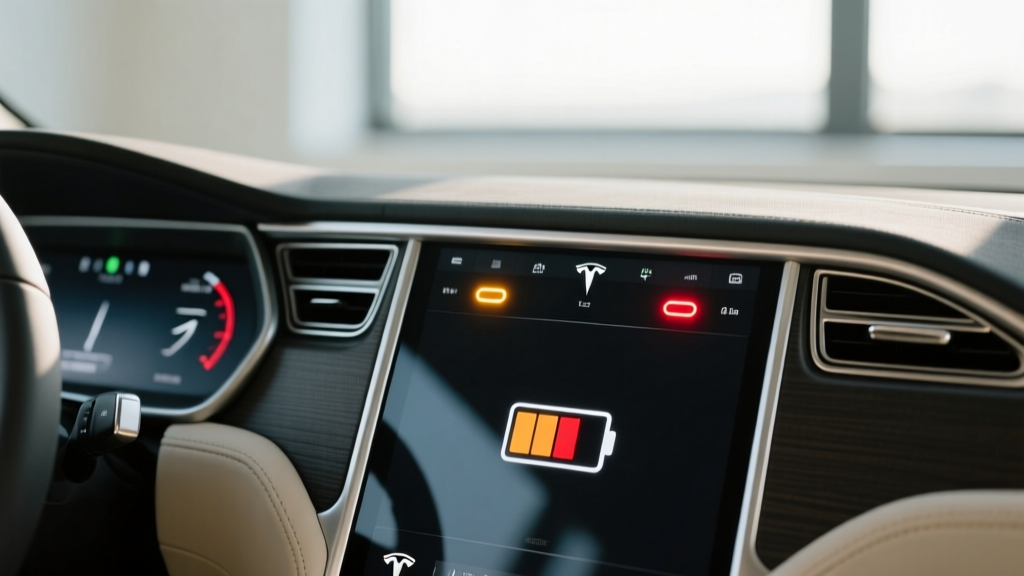
- Tesla Wall Connector LED ring: A pulsing green light means charging is active. A blinking red indicates a fault (ground issue, overcurrent, or Wi-Fi connectivity drop). A breathing blue means the car is connected but not yet drawing power — often because the scheduled charging window hasn't started or the battery is preconditioning.
- Charge port LED on the vehicle: Solid green = fully charged. Blinking green = actively charging. Amber/red blink = fault or connector seating issue.
- Insteon or other smart-home LED modules: If an Insteon switch, outlet, or LED controller is on the same circuit as your EV charger, voltage sag during high-amperage Level 2 charging (typically 32–48 amps / 7.7–11.5 kW) can cause the Insteon device's status LED to flicker or blink. This is usually a circuit-load symptom, not a battery fault. A licensed electrician can verify whether your panel and branch circuit are properly sized for continuous EV loads (the NEC requires circuits rated at 125% of the continuous draw).
LFP vs NMC/NCA: Which Battery Chemistry Is in Your EV?
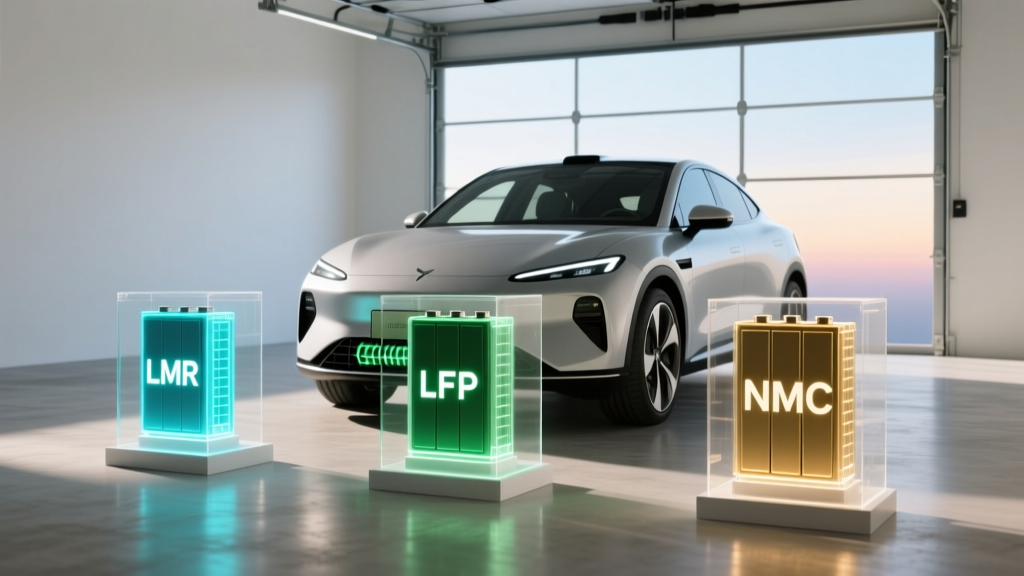
The two dominant lithium-ion chemistries in 2026 EVs are LFP (lithium iron phosphate) and NMC/NCA (nickel manganese cobalt / nickel cobalt aluminum). Tesla uses both, depending on model and trim. Understanding which one is in your car changes how you should charge, store, and think about longevity.
| Attribute | LFP (Lithium Iron Phosphate) | NMC / NCA (Nickel-based) |
|---|---|---|
| Energy Density | Lower (~160–180 Wh/kg cell-level) | Higher (~220–260 Wh/kg cell-level) |
| Cycle Life | 3,000–5,000+ full cycles | 1,000–2,000 full cycles |
| Cold-Weather Performance | Weaker — more range loss below 32°F; slower cold charging | Better — retains more usable capacity in freezing temps |
| Recommended Daily SoC | 100% (Tesla recommends periodic full charges for BMS calibration) | 80% daily; 100% only for trips |
| Cost | Lower — no cobalt or nickel; ~$100–120/kWh pack-level (2026) | Higher — commodity-sensitive; ~$130–160/kWh pack-level (2026) |
| Thermal Stability | Excellent — higher thermal runaway threshold | Good — requires more active thermal management |
| Common in (2026) | Tesla Model 3/Y RWD, Ford Mustang Mach-E Select, BYD models | Tesla Model 3/Y Long Range & Performance, Hyundai Ioniq 5/6, Rivian, GM Ultium vehicles |
Which is better? Neither is universally superior. If you prioritize maximum range per charge and live in a cold climate, NMC/NCA delivers higher energy density and better winter performance. If you want the longest possible pack lifespan, plan to own the car 10+ years, and can accept slightly less range, LFP is the longevity champion. Tesla's own data, referenced in their 2024 Impact Report, shows LFP packs retaining roughly 90% capacity after 200,000 miles — a figure NMC packs approach but typically don't match at the same mileage.
How Long Do EV Batteries Actually Last? Degradation Data
The fear that EV batteries need replacement every few years is not supported by fleet data. Here's what real-world degradation looks like across major chemistries and manufacturers:
Typical EV Battery Degradation Curve (Fleet Averages):
- Year 1 / 15,000 mi: 2–4% capacity loss (initial "break-in" drop as the solid electrolyte interphase stabilizes)
- Year 3 / 45,000 mi: 5–8% total loss
- Year 5 / 75,000 mi: 8–12% total loss
- Year 8 / 120,000 mi: 10–15% total loss (NMC); 6–10% (LFP)
- Year 10 / 150,000 mi: 12–18% total loss (NMC); 8–12% (LFP)
Sources: Tesla Impact Report, Recurrent Auto fleet data (2025), Geotab longitudinal study of 10,000+ EVs.
Notice the pattern: degradation is non-linear. The steepest loss occurs in the first year or two, then the curve flattens considerably. Most packs lose 1–2% per year after the initial settling period. At this rate, the vast majority of EV batteries will outlast the vehicle's body, suspension, and interior — a fact that gets lost in replacement-cost headlines.
According to data aggregated by Recurrent Auto, fewer than 5% of EVs in their studied fleet required a full battery replacement under 150,000 miles, and most of those were due to manufacturing defects caught under warranty, not age-related wear.
EV Battery Warranty Coverage: What's Protected and for How Long
Federal law (EPA emissions warranty requirements) effectively mandates that EV battery packs carry at minimum an 8-year / 100,000-mile warranty. Most manufacturers exceed this baseline. Here's how the major warranties compare:
| Manufacturer | Coverage Period | Capacity Retention Threshold | Notes |
|---|---|---|---|
| Tesla (Model 3/Y) | 8 yr / 100,000 mi (RWD); 8 yr / 120,000 mi (LR/Perf) | 70% | Covers defects + capacity below threshold |
| Hyundai / Kia (E-GMP) | 10 yr / 100,000 mi | 70% | Among the longest coverage in the US market |
| GM (Ultium — Equinox EV, Blazer EV, Silverado EV) | 8 yr / 100,000 mi | 70% | Module-level repair available (not always full pack swap) |
| Ford (Mach-E, F-150 Lightning) | 8 yr / 100,000 mi | 70% | Covers battery + unique EV components |
| Rivian (R1T / R1S) | 8 yr / 120,000 mi | 70% | Extended mileage for adventure-use expectation |
What the warranty covers: Manufacturing defects, cell failures, and capacity loss below the stated threshold (typically 70% of original capacity). If your 82 kWh pack drops below ~57 kWh of usable capacity within the warranty window, the manufacturer must repair or replace it at no cost.
What it doesn't cover: Damage from accidents, flooding, modifications, or using non-approved charging equipment. Cosmetic degradation (slight range loss that stays above the 70% threshold) is considered normal wear and is not warrantable.
EV Battery Replacement Cost: What It Actually Takes
Here's the number that generates the most anxiety — and the most context-free headlines. Yes, a full traction battery replacement is expensive. But the probability of needing one is low, and the cost has been trending downward.
| Vehicle / Pack Size | Battery Capacity | Estimated Replacement Cost | Typical Need Timeline |
|---|---|---|---|
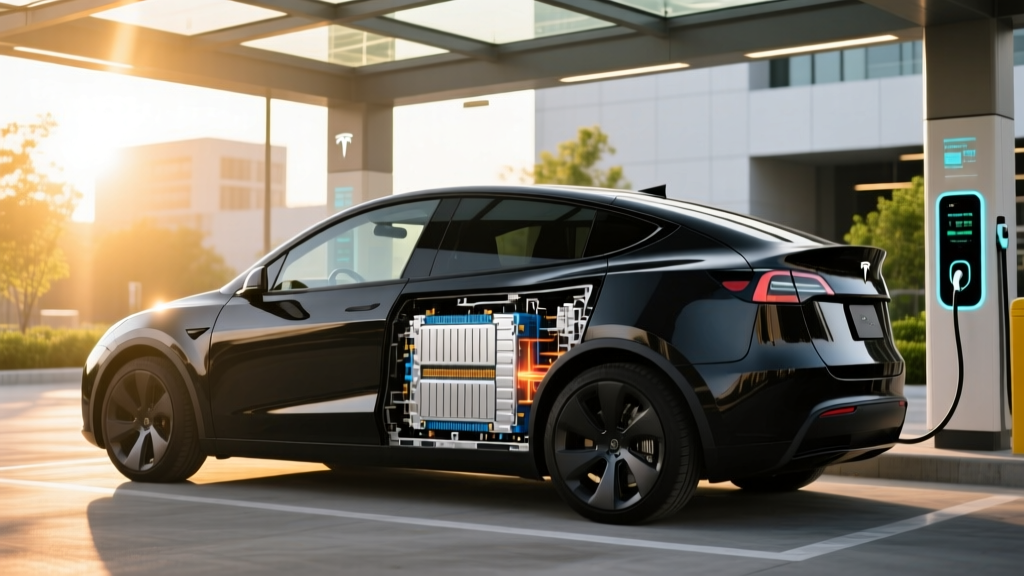
| Tesla Model 3 RWD (LFP) | ~60 kWh | $8,000–$12,000 | Rarely needed; 200,000+ mi expected life |
| Tesla Model Y Long Range (NMC) | ~75 kWh | $12,000–$16,000 | 150,000–200,000+ mi before significant loss |
| Hyundai Ioniq 5 (NMC) | 77.4 kWh | $11,000–$15,000 | 150,000+ mi; strong warranty coverage |
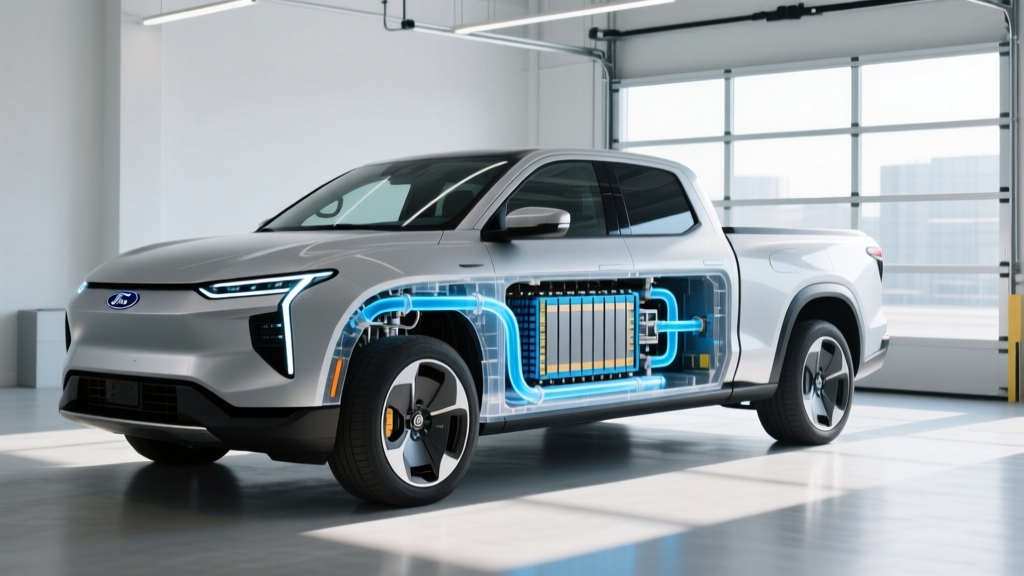
| Ford F-150 Lightning Ext. Range | 131 kWh | $20,000–$28,000 | Largest packs cost most; module repair possible |
| Chevrolet Bolt EV (older NMC) | 65 kWh | $9,000–$14,000 | Recall replacements covered many early packs |
For context, a conventional car's engine or transmission replacement also runs $5,000–$10,000+ — and those failures are far more common than EV battery failures within the first 150,000 miles. The key takeaway: battery replacement is a low-probability, high-cost event, and the warranty exists specifically to absorb it during the ownership period when it's most likely to occur.
Additionally, module-level repairs are increasingly available. Rather than replacing the entire pack, technicians can swap individual degraded modules for $2,000–$5,000, restoring capacity without a full pack cost. GM's Ultium architecture and Hyundai's E-GMP platform are both designed with modular serviceability in mind.
Factors That Accelerate (or Preserve) Battery Health
Your daily habits have a measurable impact on long-term State of Health (SoH). Here's what the data shows matters most:
Battery Care Best Practices — Data-Backed:
- Avoid sustained 100% SoC (NMC/NCA only): Storing an NMC pack at full charge accelerates calendar degradation. Charge to 80% daily; use 100% only when you'll drive it down within hours. LFP owners: Tesla recommends charging to 100% at least weekly for accurate BMS calibration.
- Minimize DC fast charging when possible: Frequent 150–250 kW DC sessions generate significant heat. Geotab's fleet study found that vehicles DC-fast-charging more than 3x per week showed ~1–2% additional degradation over 4 years compared to primarily Level 2 charging. Use DC fast charging for road trips; rely on Level 2 (7–11.5 kW) for daily needs.
- Precondition before fast charging: Tesla, Hyundai, and GM all precondition the battery (heat it to ~30–35°C) when you navigate to a Supercharger or fast-charging station. This reduces lithium plating risk and enables peak charge rates. In cold weather, preconditioning can cut 10–80% charge time by 30–40%.
- Avoid extreme SoC + extreme heat: A fully charged pack sitting in 100°F+ ambient heat is the worst-case degradation scenario. If you must park in heat, keep SoC around 50–60%.
- Don't baby it excessively: The difference between "perfect" habits and "reasonable" habits is typically 2–4% additional capacity over 8 years. Drive the car. The thermal management system does most of the work.
How to Check Your EV Battery's State of Health (SoH)
Most EVs don't display a prominent "battery health percentage" the way a smartphone does, but the data is accessible if you know where to look:
Tesla
Navigate to Service → Battery Health Test in the vehicle's touchscreen (available on software versions 2024.38+). This runs a diagnostic and provides an estimated SoH percentage. Alternatively, you can calculate it manually: charge to 100%, note the displayed range, and divide by the original EPA-rated range. A Model Y Long Range originally rated at 330 miles EPA that shows 305 miles at 100% has approximately 92% SoH (adjusting for the EPA's conservative testing vs. displayed range).
Hyundai / Kia
The Ioniq 5 and EV6 display a battery health indicator in the EV settings menu. For more granular data, third-party OBD-II tools like the OBD2 scanner with EV-specific software (e.g., Car Scanner Pro or ABRP-linked dongles) can read the BMS-reported SoH directly.
GM (Ultium Vehicles)
The myChevrolet / myCadillac app includes a battery health section showing estimated remaining capacity. OnStar diagnostics can also provide a detailed SoH report on request.
Universal Method
Track your kWh per 100 miles efficiency over time using the trip computer or a tool like fueleconomy.gov's "My MPG" tracker. A gradual efficiency increase (more kWh/100mi) over years signals degradation — though tire wear, brake drag, and climate use can also affect this number.
What's Next: Solid-State and Silicon-Anode Batteries
Two technologies dominate the "next generation" conversation. Here's where they actually stand as of 2026:
Solid-state batteries replace the liquid electrolyte with a solid ceramic or polymer layer, promising higher energy density (potentially 400+ Wh/kg cell-level), faster charging, and improved safety. Toyota has announced a solid-state EV for 2027–2028 production, and Samsung SDI is targeting 2027 for mass production. However, these timelines have shifted multiple times. Realistically, solid-state packs will appear in limited, premium vehicles first and won't reach mainstream pricing until the early 2030s. No currently available consumer EV uses a solid-state battery.
Silicon-anode batteries (using silicon-dominant anodes instead of graphite) offer 20–40% energy density improvements with existing manufacturing processes. Companies like Sila Nanotechnologies and Group14 Technologies are already supplying silicon-anode materials for some 2025–2026 EVs and consumer electronics. This technology is closer to broad adoption than solid-state and may appear incrementally in updated model-year packs from GM, Mercedes-Benz, and others within the next 2–3 years.
Both are genuinely promising — but neither is something you should delay a purchase for. Current lithium-ion packs already deliver 200,000+ mile lifespans with manageable degradation. The next-gen tech will matter most for enabling smaller, lighter packs (and thus cheaper vehicles), not for solving a longevity problem that largely doesn't exist.
Frequently Asked Questions
How long do EV batteries last in years and miles?
Based on fleet data from Tesla, Geotab, and Recurrent Auto, most modern EV batteries retain 80–90% of their original capacity after 150,000–200,000 miles (roughly 10–15 years of average driving). LFP packs tend to outlast NMC packs by a small margin at equivalent mileage. The battery will likely outlive other vehicle components.
How much does an EV battery cost to replace?
Full pack replacements range from roughly $8,000 for a ~60 kWh pack (Tesla Model 3 RWD) to $28,000 for a ~131 kWh pack (Ford F-150 Lightning Extended Range), including labor. However, fewer than 5% of EVs require replacement within the first 150,000 miles, and most failures are covered under the 8-year/100,000-mile minimum warranty. Module-level repairs offer a lower-cost alternative at $2,000–$5,000.
What does the EV battery warranty cover?
Federal requirements and manufacturer warranties cover the battery against manufacturing defects and capacity loss below a stated threshold (typically 70% of original capacity) for at least 8 years or 100,000 miles, whichever comes first. Hyundai and Kia extend this to 10 years. Damage from accidents, misuse, or unauthorized modifications is excluded.
How do I check and maximize my EV battery health?
Check SoH through your vehicle's built-in diagnostics (Tesla: Service → Battery Health Test), the manufacturer's app, or an OBD-II EV scanner. Maximize longevity by charging NMC packs to 80% daily (LFP to 100% weekly for calibration), minimizing frequent DC fast charging, preconditioning before fast charges, and avoiding parking at full charge in extreme heat.
LFP vs NMC — which battery chemistry is better for me?
Choose LFP if you want maximum cycle life (3,000–5,000+ cycles), lower cost, plan to own the vehicle 10+ years, and don't mind slightly less range and weaker cold-weather performance. Choose NMC/NCA if you need maximum range per charge, live in a cold climate, or want the best DC fast-charging speeds in winter. Both chemistries will comfortably last the life of the vehicle with reasonable care.
Can a blinking LED on my charger or Insteon device indicate a battery problem?
Almost never. Charger LED patterns indicate charging status, connection faults, or circuit issues — not traction battery health. An Insteon LED blinking during Tesla charging is typically a voltage-sag symptom on a shared circuit, not a battery fault. Have an electrician verify your circuit is rated for 125% of your charger's continuous draw. For actual battery diagnostics, use the vehicle's built-in service menu or app.