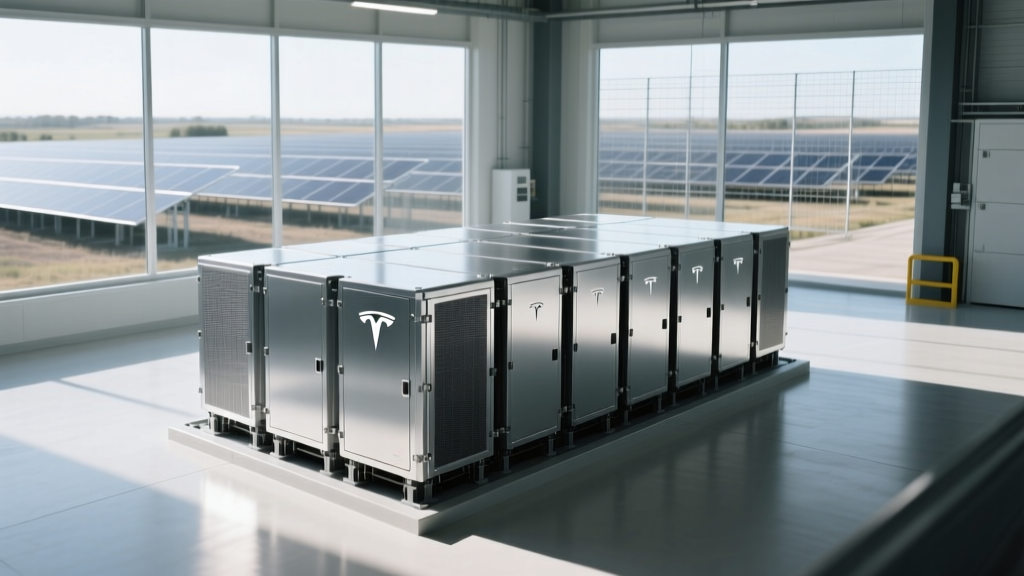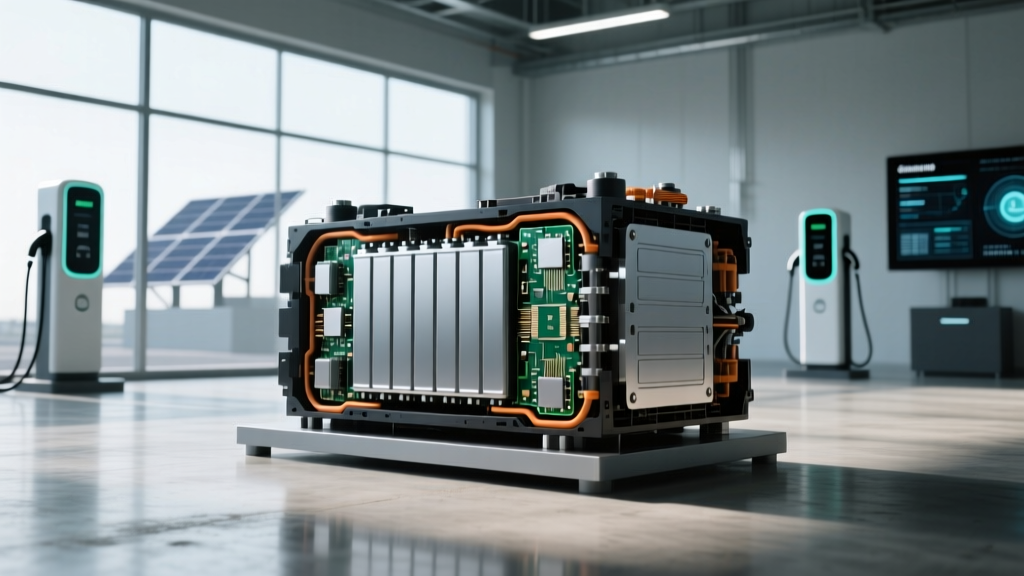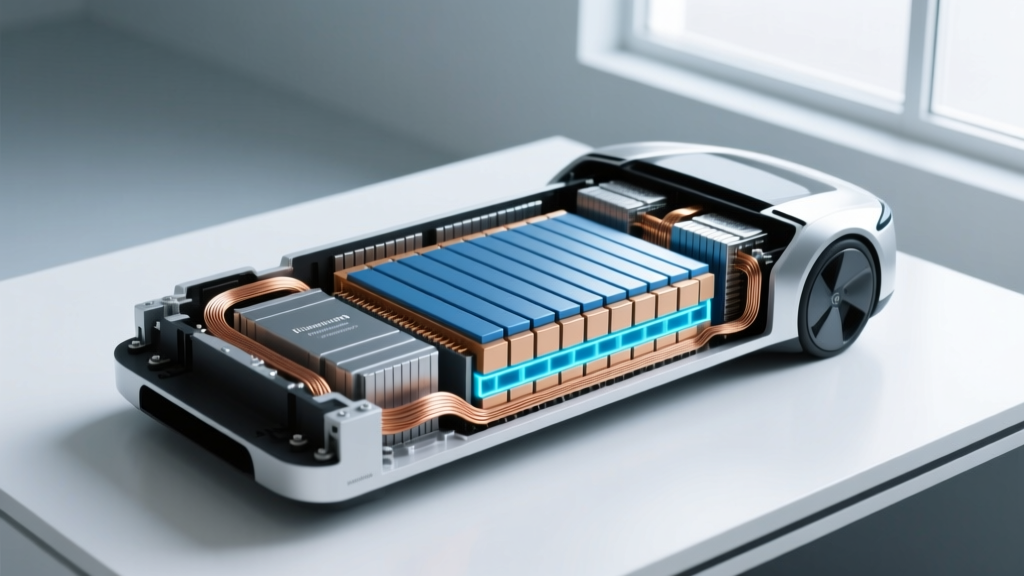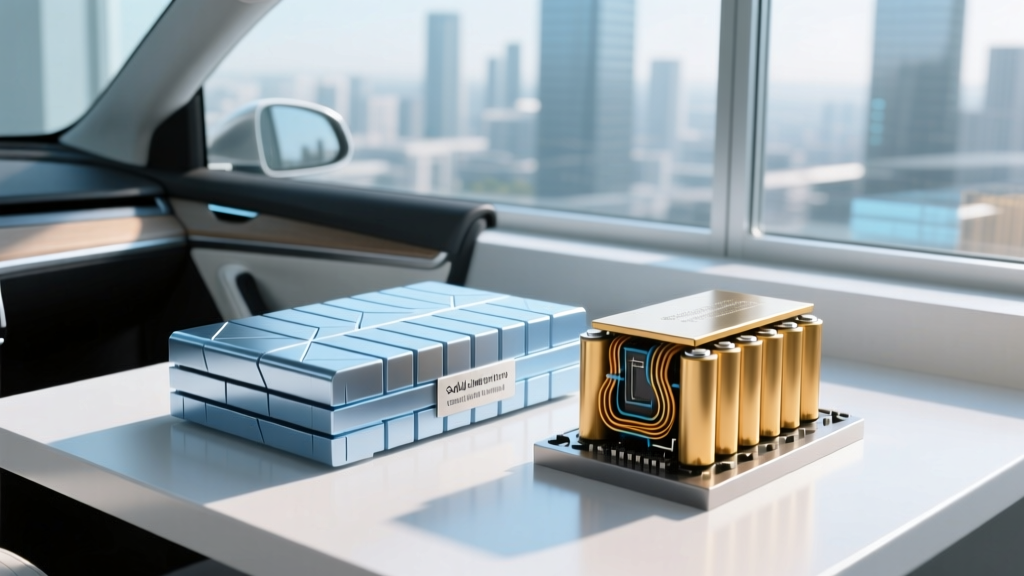
If you follow EV news long enough, you'll see the same promise repeated: solid state lithium batteries will solve range anxiety, eliminate fire risk, and charge in minutes. Toyota, Nissan, Samsung SDI, and QuantumScape have all announced timelines that keep slipping. As of 2026, no mass-produced passenger EV on U.S. roads uses a true solid-state traction battery. What you can buy right now — and what you'll likely buy for the next several years — uses liquid-electrolyte lithium-ion cells in either NMC/NCA or LFP chemistry.
That's not a disappointment; it's a clarification. Today's lithium-ion packs are remarkably durable when properly managed, and understanding how they work, degrade, and age is far more useful for a current buyer than chasing a technology that remains in pilot production. This guide covers what's actually in your EV's battery, what solid-state development means for the next generation, and how to maximize the pack you have.
What's Inside Today's EV Batteries: NMC/NCA vs LFP
Every battery-electric and plug-in hybrid vehicle sold in the U.S. in 2026 uses one of two dominant cathode chemistries for its high-voltage traction pack: NMC/NCA (nickel manganese cobalt / nickel cobalt aluminum) or LFP (lithium iron phosphate). The anode is typically graphite, though silicon-blend anodes are beginning to appear in premium models to boost energy density.
The chemistry you get depends largely on the vehicle and trim. Tesla's Standard Range Model 3 and Model Y use CATL-sourced LFP prismatic cells. Hyundai's Ioniq 5 and Kia EV6 use SK On NMC pouch cells. Ford's F-150 Lightning extended-range pack uses NMC. BYD's Blade battery (LFP) is appearing in select global models but remains limited in U.S. availability.
| Attribute | NMC / NCA | LFP |
|---|---|---|
| Energy density (cell-level) | 220–300 Wh/kg | 150–180 Wh/kg |
| Typical pack size (2026 EVs) | 75–100+ kWh usable | 50–82 kWh usable |
| Cycle life (to 80% capacity) | ~1,000–1,500 cycles | ~3,000–5,000+ cycles |
| Cold-weather performance | Better at sub-freezing temps | More range loss below 32°F; preconditioning critical |
| Peak DC fast-charge rate | Up to 350 kW (800V architectures) | Typically 150–250 kW; taper is gentler |
| Thermal runaway risk | Low with modern BMS, but higher than LFP | Extremely low; inherently stable chemistry |
| Critical-mineral content | Cobalt, nickel — subject to §30D sourcing rules | No cobalt, no nickel — simpler supply chain |
| Cost per kWh (pack-level, 2026) | ~$110–$140 | ~$80–$100 |
| Recommended daily SoC ceiling | 80% for longevity | 100% OK; periodic full charge helps BMS calibration |
Which is better? It depends on your use case. If you need maximum range in a single charge, regularly drive in cold climates, or want the fastest DC charging, NMC/NCA is the stronger choice. If you plan to keep the vehicle 10+ years, charge mostly at home, prioritize lower cost, and want maximum cycle life, LFP is the more durable long-haul chemistry. Neither is universally superior — they're engineering trade-offs.
How Long Do EV Batteries Last? Real Degradation Data
The most common fear among prospective EV buyers is that the traction battery will fail prematurely and require a catastrophic replacement. The data tells a different story. Modern battery management systems (BMS), liquid thermal management, and conservative usable-capacity buffers (typically 5–10% of gross capacity is hidden from the user) mean most packs outlast the vehicles they're installed in.
Here's what real-world degradation looks like, drawn from fleet data, owner surveys, and manufacturer disclosures:
- Year 1 / 15,000 miles: 1–3% capacity loss is typical. This initial drop reflects solid-electrolyte interphase (SEI) formation and is normal for all lithium-ion cells.
- Year 3–4 / 50,000 miles: Cumulative loss of 5–8% for NMC packs; 3–5% for LFP packs. Vehicles like the Tesla Model 3 and Model S consistently show ~90–93% retained capacity at this point, per data aggregated by Recurrent and Tesla's own impact reports.
- Year 8 / 100,000–150,000 miles: NMC packs typically retain 80–88% of original capacity; LFP packs often retain 88–94%. This is the threshold where the federal warranty mandate applies.
- Year 12+ / 200,000+ miles: High-cycle fleet vehicles (taxis, rideshare) with NMC packs have logged 200,000+ miles with 70–80% capacity retention. LFP packs in similar duty cycles show even better retention.
A key nuance: degradation is non-linear. The steepest loss occurs in the first 12–24 months, after which the curve flattens significantly. A pack that has lost 6% after two years is not on track to lose 30% by year ten — it will likely lose only another 4–8% over the following eight years.
Federal Warranty Mandate: What's Covered and for How Long
Under U.S. federal emissions and clean-vehicle regulations, every EV and PHEV sold new must carry a battery warranty of at minimum 8 years or 100,000 miles, whichever comes first. In California Air Resources Board (CARB) states — which include California, New York, Massachusetts, Oregon, Washington, Colorado, and several others — the mandate extends to 10 years or 150,000 miles for vehicles classified as PZEV/AT-PZEV or under CARB's advanced clean car rules.
| Manufacturer | Warranty period | Mileage cap | Capacity retention threshold |
|---|---|---|---|
| Tesla (Model 3/Y RWD, LFP) | 8 years | 100,000 mi | 70% |
| Tesla (Model 3/Y LR, S, X, NMC) | 8 years | 120,000 mi | 70% |
| Hyundai / Kia | 10 years | 100,000 mi | 70% |
| Ford (F-150 Lightning, Mach-E) | 8 years | 100,000 mi | 70% |
| GM (Ultium platform) | 8 years | 100,000 mi | 70% (some trims 60% for PHEV) |
| Rivian | 8 years | 175,000 mi | 70% |
| BMW / Mercedes-Benz | 8 years | 100,000 mi | 70% |
The threshold matters: if your pack's usable capacity drops below 70% of its original rated kWh within the warranty window, the manufacturer must repair or replace it at no cost. In practice, very few packs hit this threshold under normal use. The warranty covers defects and abnormal degradation — it does not cover damage from accidents, flooding, or unauthorized modifications.
For details on how these warranties interact with the IRS §30D clean vehicle credit, note that battery sourcing and critical-mineral requirements apply to the tax credit at time of purchase, not to the warranty itself.
EV Battery Replacement Costs: When and How Much
If your battery degrades beyond the warranty threshold after the warranty expires — or suffers physical damage — replacement is possible but expensive. The good news: the vast majority of EV owners never replace a traction battery. Data from repair networks and OEM service channels indicates fewer than 2–3% of EVs require a full pack replacement, and most of those are due to collision damage or manufacturing defects caught under warranty.
| Vehicle / pack size | Battery cost (parts) | Labor | Total estimated range |
|---|---|---|---|
| Tesla Model 3 RWD (~57 kWh LFP) | $7,000–$9,000 | $1,500–$2,500 | $8,500–$11,500 |
| Tesla Model Y LR (~75 kWh NMC) | $10,000–$14,000 | $1,500–$2,500 | $11,500–$16,500 |
| Hyundai Ioniq 5 (~77 kWh NMC) | $10,000–$13,000 | $2,000–$3,000 | $12,000–$16,000 |
| Ford F-150 Lightning Ext. Range (~131 kWh NMC) | $18,000–$25,000 | $2,500–$4,000 | $20,500–$29,000 |
| Chevrolet Silverado EV (~200 kWh Ultium) | $25,000–$35,000 | $3,000–$5,000 | $28,000–$40,000 |
| Porsche Taycan (~83.7 kWh NMC, 800V) | $18,000–$24,000 | $3,000–$4,500 | $21,000–$28,500 |
Several factors are driving these costs downward over time. Pack-level pricing has fallen from over $1,000/kWh in 2010 to roughly $100–$140/kWh in 2026, per BloombergNEF tracking. Module-level replacement (swapping only degraded modules rather than the entire pack) is available on some platforms — notably GM's Ultium and Hyundai's E-GMP — which can cut costs by 40–60%. Third-party and refurbished packs are also emerging in the aftermarket, particularly for older Tesla and Nissan LEAF models.
When is replacement typically needed? Almost never under normal ownership. Packs are generally retired when the vehicle itself is totaled, scrapped, or reaches end-of-life for other reasons (suspension, electronics, body corrosion). A well-maintained pack at 75% capacity after 15 years and 180,000 miles still provides usable daily range for most drivers and isn't a candidate for replacement.
What Kills a Battery Early: Factors That Accelerate Degradation
While modern BMS and thermal systems protect against the worst abuse, certain habits and conditions measurably accelerate capacity loss. Understanding these helps you protect your investment.
Battery care checklist: what to do and what to avoid
- Do: Charge to 80% daily for NMC/NCA; 100% is fine for LFP. Set your charge limit in the vehicle's app or infotainment.
- Do: Use Level 2 home charging (7–11 kW) as your primary method. Slow, cool charging is the gentlest on cells.
- Do: Precondition the battery before DC fast charging, especially in cold weather. Most EVs do this automatically when you navigate to a charger.
- Do: Keep the vehicle plugged in during extreme heat or cold so the thermal management system can maintain optimal cell temperature (~68–77°F / 20–25°C).
- Do: Store at 40–60% SoC if the vehicle will sit unused for weeks. Avoid storing at 100% or below 10%.
- Avoid: Repeated DC fast charging to 100%. The combination of high current, high voltage, and high temperature is the most stressful condition for lithium-ion cells.
- Avoid: Letting the pack sit at 0% SoC for extended periods. Deep discharge can cause copper dissolution in the anode current collector.
- Avoid: Frequent 100% charges on NMC/NCA packs. The top 20% of SoC exposes cells to higher voltage stress (~4.2V per cell vs ~3.9V at 80%).
- Avoid: Aggressive track use or repeated hard launches in hot weather without cool-down periods.
The single most impactful habit: avoid habitual DC fast charging above 80% SoC. The charge curve tapers significantly above 80% — a pack that accepts 200 kW at 20% SoC may accept only 40–60 kW at 85% SoC. Sitting at high current during this taper generates sustained heat. If you road-trip frequently, charging to 80% and driving more often is gentler than charging to 100% at every stop.
How to Check Your Battery's State of Health (SoH)
State of Health (SoH) is the percentage of original capacity your pack currently retains. A new pack is at 100% SoH; a pack at 88% SoH holds 88% of its original kWh. Monitoring SoH helps you track degradation, plan for warranty claims, and assess value when buying or selling a used EV.
Manufacturer apps and in-vehicle displays: Tesla provides a battery health estimate in the service menu and via the app. Hyundai/Kia displays SoH in the EV-specific settings on the infotainment screen. Ford's Sync system shows estimated range trends but not a direct SoH percentage. BMW and Mercedes include SoH in the diagnostic readout accessible through dealer tools or third-party OBD-II scanners.
Third-party tools: OBD-II dongles paired with apps like Scan My Tesla, Leaf Spy (for Nissan), or ABRP (A Better Route Planner) can read cell-level voltage data and compute SoH. Companies like Recurrent offer battery health reports that aggregate telemetry data and compare your pack against a fleet baseline — useful for resale documentation.
What to look for: If your SoH drops more than 2–3% per year after the initial break-in period, or if you notice sudden range drops (which may indicate a weak cell module rather than uniform degradation), schedule a dealer diagnostic. Uneven cell voltages across modules — visible in detailed OBD readouts — can signal a balance issue that the BMS may need to correct through extended low-current charging.
Solid State Lithium Batteries: What's Real and What's Hype
Solid-state batteries replace the liquid or gel electrolyte in current lithium-ion cells with a solid material — typically a ceramic, sulfide glass, or polymer. The theoretical advantages are significant:
- Higher energy density: 350–500 Wh/kg at the cell level (vs 220–300 for current NMC) could enable 500+ mile EPA ranges in mid-size sedans without increasing pack weight.
- Faster charging: Solid electrolytes can theoretically handle higher C-rates without lithium plating, potentially enabling 10–80% charges in under 10 minutes.
- Improved safety: No flammable liquid electrolyte eliminates the primary combustion source in thermal runaway events.
- Longer cycle life: Some solid-state prototypes show 10,000+ cycles with minimal degradation, though this is lab data, not field data.
The reality as of 2026: Solid-state batteries remain in limited pilot production. Toyota has demonstrated prototype cells and announced a target of 2027–2028 for initial deployment in a limited-production vehicle, but has not confirmed a specific model, pricing, or U.S. availability. Samsung SDI has shown sample cells to automakers with a projected 2027 start of mass production, though industry analysts note that scaling from lab to gigawatt-hour factory volumes typically takes 3–5 years beyond initial announcements.
QuantumScape, backed by Volkswagen, has delivered prototype cells to OEM partners and published promising single-layer and multi-layer cell data, but has not announced a production vehicle integration. Nissan is researching solid-state technology at its Kanagawa R&D center with a stated goal of a 2028 pilot vehicle.
What this means for buyers: If you're purchasing an EV in 2026 or 2027, you will be buying a liquid-electrolyte lithium-ion battery — either NMC/NCA or LFP. Solid-state technology will not be available in a mass-market, U.S.-sold passenger vehicle before 2029 at the earliest, and likely not at scale until the early 2030s. Waiting for solid-state is not a practical purchase strategy; today's batteries are proven, durable, and well-warranted.
Other emerging technologies worth tracking include silicon-dominant anodes (already appearing in limited form in the Porsche Taycan and Tesla 4680 cells, boosting energy density by 5–15%) and sodium-ion batteries (CATL has begun production for low-cost, short-range Chinese-market EVs, but energy density is too low for U.S. long-range applications).
Frequently Asked Questions
How long do EV batteries last in years and miles?
Most modern EV traction batteries are designed to last 15–20 years or 200,000+ miles before reaching 70–80% of original capacity. Federal law mandates an 8-year/100,000-mile warranty (10 years/150,000 miles in CARB states) with a minimum 70% capacity retention threshold. Data from fleet operators and owner surveys consistently shows that the majority of packs outlive the vehicles they're installed in, with LFP packs showing particularly strong long-term retention.
How much does it cost to replace an EV battery?
Out-of-warranty replacement costs range from approximately $8,500 for a Tesla Model 3 RWD (57 kWh LFP pack) to $28,000–$40,000 for large trucks like the Chevrolet Silverado EV (200 kWh Ultium pack). However, fewer than 3% of EVs ever need a full pack replacement. Module-level repair, refurbished packs, and declining cell costs are reducing these figures over time. Most owners will sell or retire the vehicle before a replacement becomes necessary.
What does the EV battery warranty actually cover?
The federal-mandated battery warranty covers defects in materials and workmanship, as well as abnormal capacity degradation below the stated threshold (typically 70% of original capacity) within the warranty period (8 years/100,000 miles minimum, 10/150,000 in CARB states). It does not cover damage from collisions, flooding, unauthorized modifications, or improper use. Warranty claims are resolved through module replacement, full pack replacement, or software recalibration at the manufacturer's discretion.
How do I check and maximize my EV battery's health?
Check State of Health (SoH) through your vehicle's built-in display, the manufacturer's mobile app, or a third-party OBD-II scanner with EV-compatible software. To maximize longevity: charge NMC/NCA packs to 80% for daily use (100% is fine for LFP), prioritize Level 2 home charging over frequent DC fast charging, precondition before fast charging, avoid storing at 100% or 0% SoC, and keep the vehicle plugged in during temperature extremes so the thermal management system can protect the cells.
LFP vs NMC — which battery chemistry is better for me?
Choose NMC/NCA if you need maximum single-charge range, regularly drive in cold weather, or want the fastest DC charging speeds (up to 350 kW on 800V platforms). Choose LFP if you plan to own the vehicle 10+ years, charge primarily at home, want lower upfront cost, and prioritize maximum cycle life (3,000–5,000+ cycles vs 1,000–1,500 for NMC). LFP is also inherently safer and contains no cobalt or nickel. Neither chemistry is universally superior — they serve different ownership profiles.
Should I wait for solid state lithium batteries before buying an EV?
No. As of 2026, solid-state batteries are not available in any mass-production passenger EV sold in the United States. Toyota, Samsung SDI, and QuantumScape have announced pilot targets for 2027–2028, but scaling to mass production and U.S. availability is unlikely before 2029–2031. Today's NMC and LFP batteries are proven, well-warranted, and offer 250–400+ miles of EPA range with 15–20 year expected lifespans. Waiting for solid-state means delaying a purchase for technology that is still years from showroom floors.
Sources: U.S. EPA fueleconomy.gov for vehicle range and efficiency data; IRS §30D clean vehicle credit guidelines; manufacturer battery warranty documentation (Tesla, Hyundai, Ford, GM, Rivian); Recurrent battery fleet data; BloombergNEF battery price surveys.