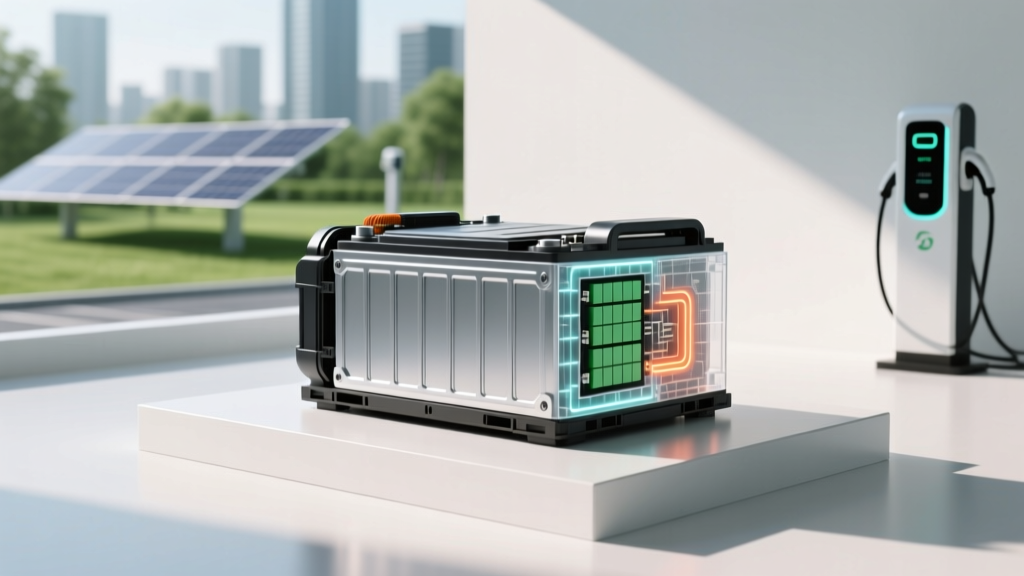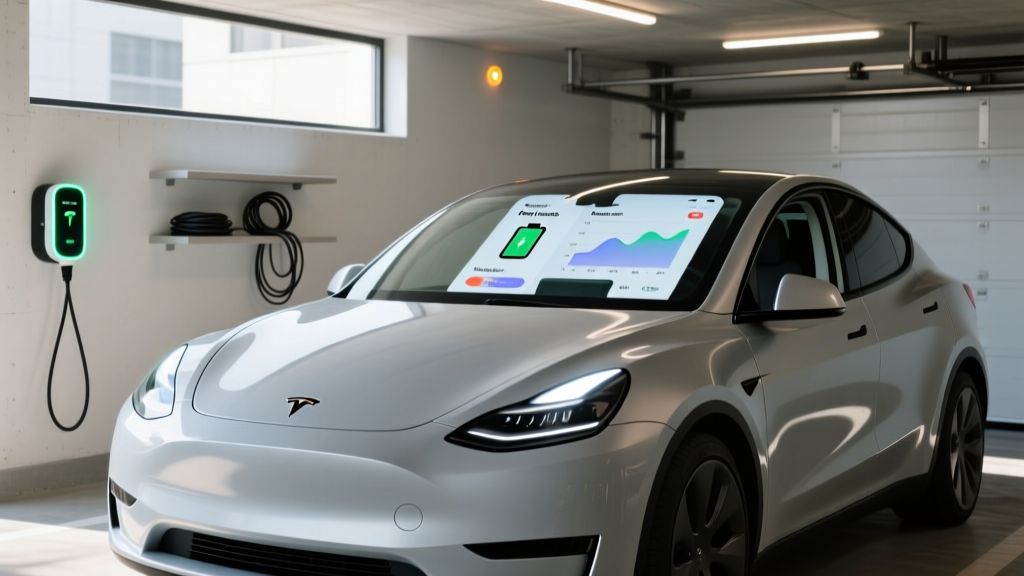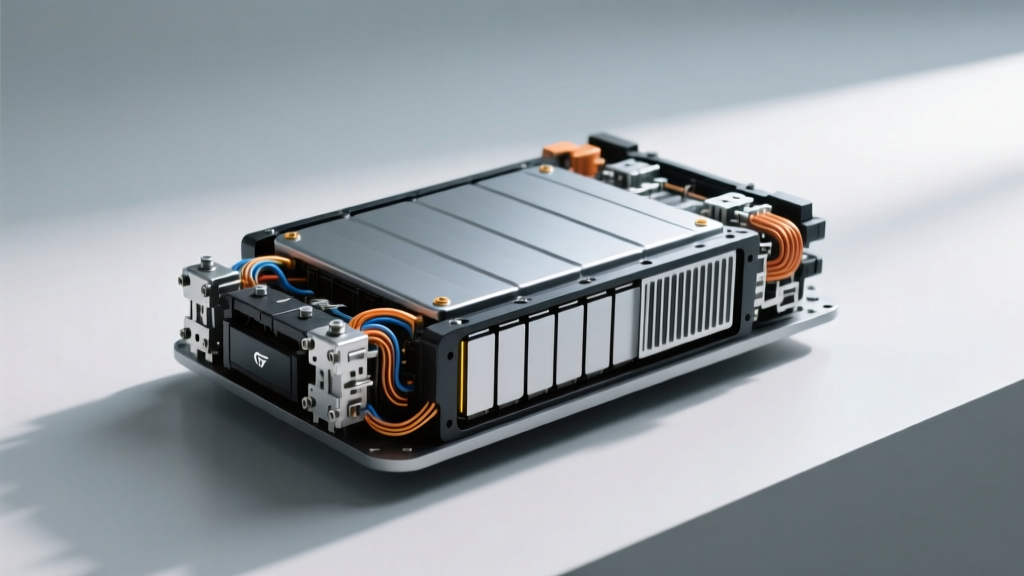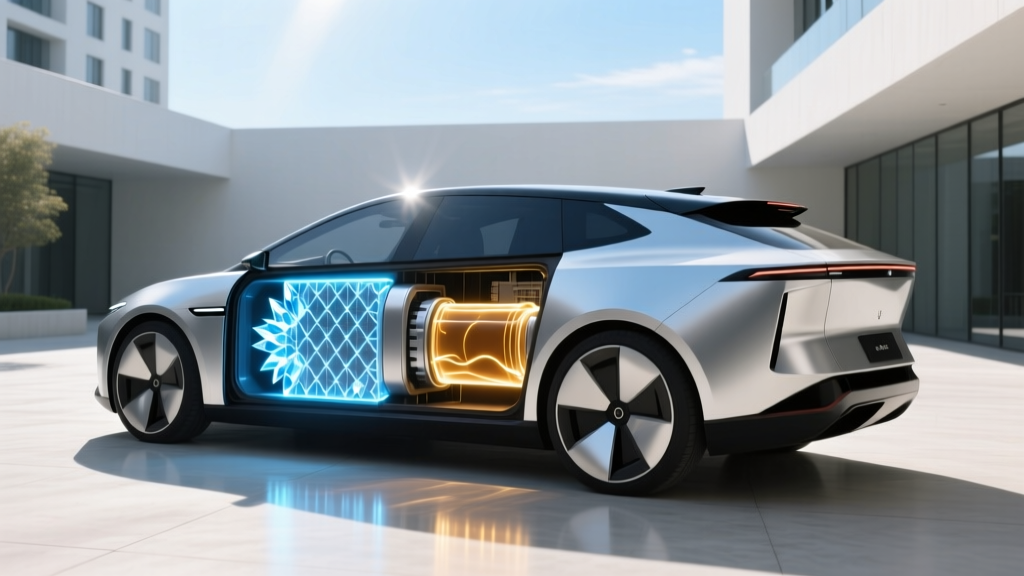
Every EV buyer eventually asks the same question: how long will the battery last? The answer depends on chemistry, charging habits, and climate — and increasingly, on a technology shift that's beginning at the edges of the market. The solid state electrolyte, a ceramic or polymer material replacing the flammable liquid inside today's lithium-ion cells, promises higher energy density, faster charging, and longer life. But it isn't on dealer lots yet. What you can buy today uses either lithium iron phosphate (LFP) or nickel-manganese-cobalt (NMC/NCA) chemistries, both of which have matured considerably over the past decade.
This guide breaks down exactly what's in your battery pack right now, what the data says about degradation, what a replacement actually costs, and where solid state electrolyte technology realistically fits into your next purchase decision.
Today's EV Battery Chemistries: LFP vs NMC/NCA
Two cathode chemistries dominate the 2026 EV market. Understanding which one your vehicle uses matters because it affects range, charging behavior, longevity, and even how you should set your daily charge limit.
| Attribute | LFP (Lithium Iron Phosphate) | NMC / NCA (Nickel-Based) |
|---|---|---|
| Energy Density | ~160–180 Wh/kg (cell level) | ~220–300 Wh/kg (cell level) |
| Typical Cycle Life | 3,000–5,000+ full cycles | 1,500–2,500 full cycles |
| Cold-Weather Performance | More range loss below 32°F; slower cold charging | Better low-temp conductivity; preconditioning helps |
| Cost per kWh (2026) | ~$70–85 (pack level) | ~$100–130 (pack level) |
| Recommended Daily SoC | 100% (BMS needs full charge for calibration) | 80% for daily; 100% only for trips |
| Thermal Stability | Excellent — higher runaway threshold | Good — requires more active thermal management |
| Common 2026 Applications | Tesla Model 3/Y RWD, Ford Mustang Mach-E Select (LFP trims), BYD models | Hyundai Ioniq 5/6, Rivian R1T/R1S, Chevy Silverado EV, BMW iX |
The trade-off in plain terms: NMC/NCA gives you more range in the same physical space, which is why it dominates long-range and performance trims. LFP sacrifices some energy density for dramatically longer cycle life, lower cost, and better safety margins. If you plan to keep a vehicle 10+ years and charge daily, LFP's cycle-life advantage becomes significant. If you need 300+ miles of EPA range in a midsize sedan, NMC is still the chemistry that gets you there.
How Long Do EV Batteries Actually Last?
The short answer: almost certainly longer than you think. The fear of a sudden $20,000 battery swap at 80,000 miles doesn't match the data from high-volume fleets and long-term owner studies.
Degradation Data: What Real Owners See
Most modern EV batteries lose capacity gradually, following a curve that's steepest in the first year or two, then flattens out. Here's what the numbers look like across major platforms:
| Mileage | Average Capacity Retained (NMC/NCA) | Average Capacity Retained (LFP) | Data Source Context |
|---|---|---|---|
| Year 1 / ~15,000 mi | 95–97% | 97–99% | Initial SEI layer formation; steepest early drop |
| 50,000 mi | 90–94% | 94–97% | Tesla Fleet data, Recurrent Auto reports |
| 100,000 mi | 85–91% | 90–95% | High-mileage owner cohorts; fleet averages |
| 150,000 mi | 80–88% | 87–93% | Older Model S/X, early Leaf (passive-cooled) outliers lower |
| 200,000 mi | 75–85% | 84–90% | Limited data; mostly commercial/fleet vehicles |
These figures represent averages. Individual results vary based on climate, charging patterns, and thermal management system quality. Vehicles with active liquid cooling (virtually all 2024+ EVs from major manufacturers) consistently outperform older passively-cooled packs like the early Nissan Leaf.
According to Recurrent Auto's analysis of over 15,000 EVs, the median range loss at 100,000 miles is roughly 8–12% for NMC vehicles and 5–9% for LFP-equipped vehicles. Outlier cases of rapid degradation are increasingly rare and often tied to manufacturing defects covered under warranty rather than normal wear.
When Does a Battery Actually Need Replacement?
A battery "needs" replacement when its capacity drops below the point where the vehicle's remaining range no longer meets the owner's daily needs — not when it hits a specific percentage. For a vehicle with 300 miles of original EPA range, even 80% retention still yields 240 miles, sufficient for most daily driving. The vast majority of EV batteries outlast the vehicle's body, suspension, and interior. Full traction-battery replacements under normal use are uncommon; module-level repairs (replacing a few degraded cell groups within the pack) are more typical when issues arise past 150,000 miles.
What the Battery Warranty Actually Covers
Federal law mandates a minimum 8-year/100,000-mile battery warranty for EVs sold in the United States. Many manufacturers exceed this baseline. Here's what the warranty landscape looks like for 2026 models:
| Manufacturer / Model | Warranty Period | Capacity Retention Threshold | Notes |
|---|---|---|---|
| Tesla Model 3/Y (LFP) | 8 yr / 120,000 mi | 70% | Long-range NMC trims: 8 yr / 120,000 mi |
| Hyundai Ioniq 5 / Ioniq 6 | 10 yr / 100,000 mi | 70% | Among the longest coverage terms |
| Ford Mustang Mach-E | 8 yr / 100,000 mi | 70% | Covers battery and hybrid/electric components |
| Rivian R1T / R1S | 8 yr / 175,000 mi | 70% | Higher mileage cap reflects truck use case |
| BMW iX / i4 | 8 yr / 100,000 mi | 70% | Includes high-voltage battery and related components |
| Chevrolet Silverado EV | 8 yr / 100,000 mi | 60% | GM's Ultium platform warranty; 60% threshold on some HD trims |
What's covered: Capacity loss below the stated threshold, manufacturing defects, and cell/module failures. The warranty applies to the high-voltage traction battery, not the 12V auxiliary battery that powers accessories and computers.
What's typically excluded: Damage from accidents, flooding, improper modifications, or use outside manufacturer guidelines (e.g., sustained 100% storage on NMC packs). Cosmetic issues and minor capacity loss above the threshold are not covered. Always read the specific warranty booklet for your vehicle — terms vary.
EV Battery Replacement Costs: The Real Numbers
If a battery does need replacement outside of warranty — usually at very high mileage or due to physical damage — the cost depends heavily on pack size and vehicle architecture. Prices have declined significantly as cell costs have dropped, but this remains a major potential expense.
| Vehicle Class / Example | Battery Size | Estimated Replacement Cost | When Typically Needed |
|---|---|---|---|
| Compact sedan (e.g., Tesla Model 3 RWD) | 57–60 kWh (LFP) | $8,000–$12,000 | Rarely before 200,000 mi under normal use |
| Midsize crossover (e.g., Hyundai Ioniq 5) | 77.4 kWh (NMC) | $12,000–$18,000 | Rarely before 180,000 mi |
| Full-size SUV / truck (e.g., Rivian R1T, F-150 Lightning) | 100–149 kWh (NMC) | $18,000–$30,000 | Rarely before 150,000 mi; modular designs may allow partial replacement |
| Luxury sedan (e.g., BMW i7, Mercedes EQS) | 100–108 kWh (NMC) | $20,000–$35,000 | Very rare; low production volume limits aftermarket options |
Key context: These are worst-case full-pack replacement figures. In practice, many out-of-warranty battery issues can be addressed by replacing individual modules (a fraction of the pack) for $2,000–$6,000. Independent EV repair shops are increasingly capable of module-level diagnostics and repair, reducing costs further. According to fueleconomy.gov, the average EV battery is engineered to last the useful life of the vehicle, and full replacements remain uncommon outside of collision damage.
Factors That Accelerate (or Slow) Battery Degradation
Battery longevity isn't just about age — it's about how the cells are treated. The same pack can lose 5% or 15% of capacity over 100,000 miles depending on these variables:
Battery Care Best Practices
- Limit DC fast charging when possible. Occasional road-trip fast charging is fine. Daily reliance on 150+ kW DC charging accelerates degradation by generating sustained heat. Level 2 home charging (7–11 kW) is gentler and should be your default.
- Follow chemistry-specific SoC guidelines. NMC/NCA: set daily charge limit to 80%, charge to 100% only when leaving for a trip. LFP: charge to 100% at least once a week for BMS calibration (LFP's flat voltage curve makes state-of-charge estimation difficult at partial charge).
- Avoid extreme-temperature parking when plugged in. If you have garage access, use it. Batteries degrade faster when sitting at high SoC in 100°F+ heat. In winter, preconditioning while plugged in warms the pack using grid power rather than battery energy.
- Don't store at 0% or 100% for extended periods. If leaving the vehicle for weeks, set the charge limit to 50–60% (NMC) or 70% (LFP) and leave it plugged in so the BMS can maintain thermal management.
- Use preconditioning before fast charging. Most EVs automatically precondition the battery when you navigate to a DC fast charger. This brings cells to optimal temperature (roughly 86–104°F / 30–40°C), enabling peak charge rates and reducing thermal stress. If your vehicle has a manual preconditioning toggle, use it in cold weather.
- Keep software updated. Over-the-air updates frequently include BMS refinements that improve charge-curve management and thermal strategies. Tesla, Rivian, Ford, and Hyundai all ship BMS improvements via OTA.
The biggest single factor: heat combined with high state of charge. An NMC battery sitting at 100% SoC in a Phoenix summer will degrade measurably faster than one held at 70% in a moderate climate. This is why LFP's tolerance for 100% daily charging is such a practical advantage in hot climates.
Monitoring Your Battery's State of Health (SoH)
State of Health (SoH) is the percentage of original capacity your battery currently holds. A new battery is 100% SoH; a battery that's lost 10% of its capacity is at 90% SoH. Here's how to check it:
Built-In Vehicle Tools
- Tesla: The mobile app's "Battery Health" section (added in 2023+ software) shows estimated degradation. The in-car energy app also displays projected range at full charge, which you can compare to the original EPA figure.
- Hyundai/Kia: The infotainment system's EV diagnostics menu includes a battery health indicator. The Bluelink/Kia Connect app may show SoH percentage depending on model year.
- Ford: The FordPass app provides a battery state-of-health estimate under the vehicle details section.
- BMW: The iDrive system includes a battery health display under vehicle settings; BMW's Connected app also surfaces this data.
- Rivian: The Rivian app shows estimated range at full charge; compare against the original EPA sticker to estimate SoH.
Third-Party Tools
For more granular data, OBD-II dongles paired with apps like Scan My Tesla, Leaf Spy (for Nissan Leaf), or Car Scanner ELM OBD2 can read the BMS-reported SoH directly. These tools access the same cell-level data the manufacturer's service department uses. Services like Recurrent Auto also offer free battery health reports by connecting to your vehicle's telematics data and comparing your pack against a large cohort of identical vehicles.
How often to check: Once a quarter is sufficient for most owners. Degradation is a slow process; weekly monitoring creates unnecessary anxiety. If you notice a sudden drop (more than 3–4% in a month), that warrants a service visit to check for a failing module or BMS issue.
Solid State Electrolyte: What It Is and When It Arrives
The solid state electrolyte replaces the flammable liquid electrolyte in conventional lithium-ion cells with a solid ceramic, glass, or polymer material. This change unlocks several theoretical advantages:
- Higher energy density: Solid electrolytes enable the use of lithium-metal anodes (instead of graphite), potentially increasing cell-level energy density to 400–500 Wh/kg — roughly 50–80% more than today's best NMC cells.
- Faster charging: Solid electrolytes can tolerate higher charge rates without lithium plating, potentially enabling 10–80% charges in under 10 minutes.
- Better safety: No flammable liquid means dramatically reduced thermal runaway risk.
- Longer cycle life: Early lab data suggests 5,000+ cycles with minimal degradation, though this hasn't yet been validated at scale in vehicles.
- Wider operating temperature range: Solid electrolytes function more consistently in extreme cold, potentially reducing the 20–30% range loss that liquid-electrolyte EVs experience below freezing.
Realistic Timelines (as of 2026)
Despite years of announcements, solid state electrolyte batteries remain in limited production as of 2026. Here's where things stand:
- Toyota: Has announced a solid-state battery pilot for limited-production vehicles in 2027–2028, with broader availability projected for 2029–2030. The company holds the largest portfolio of solid-state battery patents globally.
- Samsung SDI: Began sample production of solid-state cells in 2025; targeting mass production in 2027 for automotive partners.
- QuantumScape: Continues to ship prototype cells to automotive partners (including Volkswagen's PowerCo). Volume production remains targeted for 2027–2028 but has faced repeated delays.
- Nissan: Plans a solid-state pilot production line by 2028, with a production vehicle targeted for 2029.
What this means for buyers: If you're purchasing an EV in 2026 or 2027, you will be buying a liquid-electrolyte battery. Solid state electrolyte technology will likely debut in limited, premium vehicles around 2028–2030 at significant price premiums, with mainstream adoption following in the early 2030s. Waiting for solid-state is not a practical strategy for anyone who needs a vehicle now — and today's LFP and NMC batteries are already lasting 150,000–200,000+ miles with proper care.
Related Emerging Tech: Silicon Anodes
A nearer-term improvement is the silicon-dominant anode, which replaces graphite with silicon to increase capacity. Companies like Sila Nanotechnologies and Group14 Technologies are already shipping silicon-anode materials to cell manufacturers. Expect 10–20% energy density improvements from silicon-anode cells in vehicles arriving in 2027–2028, bridging the gap between today's batteries and solid-state.
Frequently Asked Questions
How long do EV batteries last in years and miles?
Based on fleet data from Recurrent Auto and manufacturer reports, most modern EV batteries retain 80–90% of original capacity at 150,000 miles. In years, that translates to 10–15 years of typical use (12,000–15,000 miles/year) before capacity drops below the warranty threshold. LFP batteries generally outlast NMC in cycle life, though both chemistries comfortably exceed the ownership period of most buyers.
How much does it cost to replace an EV battery?
Full pack replacement ranges from roughly $8,000 for a compact LFP pack (e.g., Tesla Model 3 RWD) to $30,000+ for a large NMC pack in a full-size truck or luxury sedan. However, full replacements are rare — most out-of-warranty issues involve individual module replacements at $2,000–$6,000. The vast majority of EV batteries never need replacement during the vehicle's usable life.
What does the EV battery warranty cover?
Federal law requires at least 8 years/100,000 miles of coverage. The warranty guarantees the battery will retain a minimum percentage of original capacity (typically 70%) and covers manufacturing defects and cell failures. It does not cover the 12V auxiliary battery, accident damage, or degradation above the threshold. Some manufacturers, like Hyundai, extend coverage to 10 years/100,000 miles.
How do I check and maximize my EV battery health?
Check SoH through your vehicle's built-in diagnostics, the manufacturer's mobile app, or a third-party OBD-II tool like Scan My Tesla or Leaf Spy. To maximize longevity: use Level 2 home charging as your default, follow chemistry-appropriate charge limits (80% daily for NMC, 100% weekly for LFP), precondition before fast charging, avoid parking at high SoC in extreme heat, and keep your vehicle's software updated for the latest BMS improvements.
LFP vs NMC — which battery chemistry is better?
Neither is universally better; they serve different priorities. Choose LFP if you want maximum cycle life (3,000–5,000+ cycles), lower cost, the ability to charge to 100% daily without concern, and superior thermal safety — and you're willing to accept slightly less range per kWh and more cold-weather range loss. Choose NMC/NCA if you need maximum range in a given vehicle size, better cold-weather performance, and faster cold-temperature charging — and you're willing to manage daily charge limits at 80% for longevity. For most daily commuters who charge at home, LFP is the lower-maintenance choice. For frequent road-trippers who need every mile of range, NMC remains the practical pick.
Will solid state electrolyte batteries be worth waiting for?
Solid state electrolyte technology offers genuine advantages in energy density, safety, and charge speed — but volume production for mainstream vehicles is not expected until 2028–2030 at the earliest, with premium pricing initially. Today's liquid-electrolyte batteries (both LFP and NMC) already deliver 250–350+ miles of range, 10–80% DC fast charges in 18–25 minutes, and 150,000+ mile lifespans. For buyers who need a vehicle now, waiting for solid-state means forgoing years of EV ownership savings and driving improvement.